
Selecting your first baitcasting reel can feel overwhelming due to the notorious learning curve associated with spool control. For beginners, the best baitcasting reel brands are Shimano, Daiwa, and Abu Garcia, as they offer highly forgiving braking systems, durable construction, and reliable local support. If you are on a tight budget, KastKing provides feature-rich alternatives that allow you to practice the technique without a major financial commitment.
Why Brand Engineering Matters for Beginner Baitcasters
Baitcasting reels offer unparalleled casting accuracy and direct power, but they require the spool to rotate actively during a cast. If the spool spins faster than the lure travels through the air, the excess line bunches up into a chaotic tangle known as backlash or a “bird’s nest.” This frustration causes many novices to abandon baitcasters entirely in favor of simpler spinning reels.
Established brands invest heavily in engineering solutions to mitigate this exact problem. By developing highly responsive braking systems, precision spool tension knobs, and lightweight spool materials, these manufacturers build a margin of safety into their reels. This engineering allows beginners to focus on their casting form rather than constantly picking out line tangles.
Products mentioned in this guide
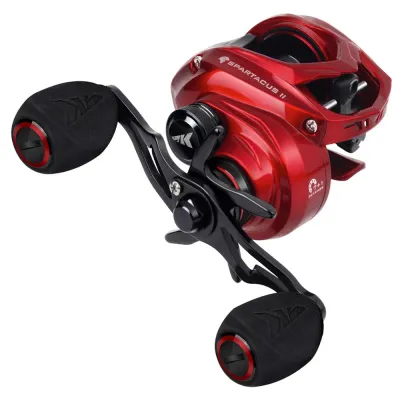
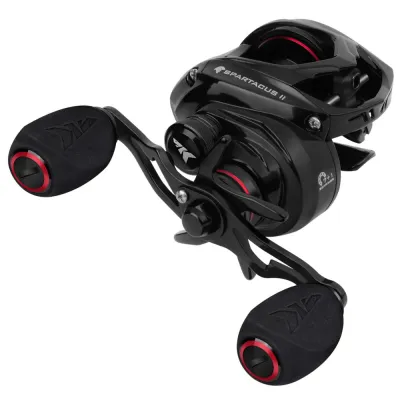
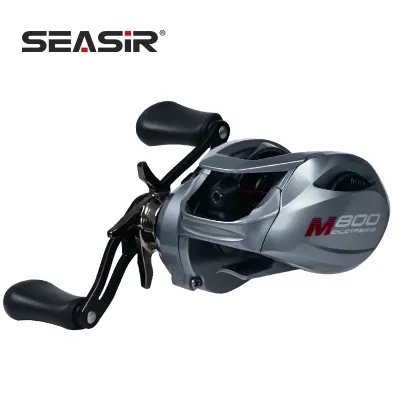
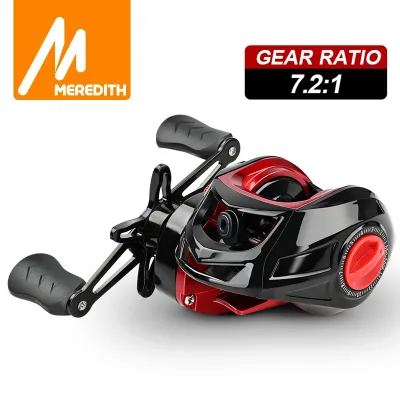
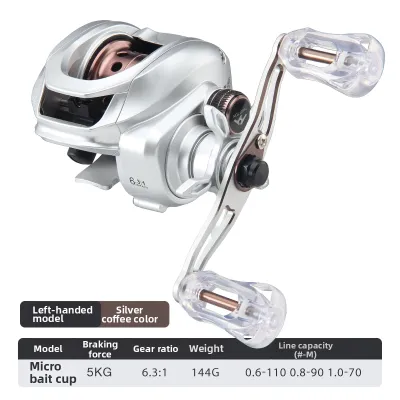
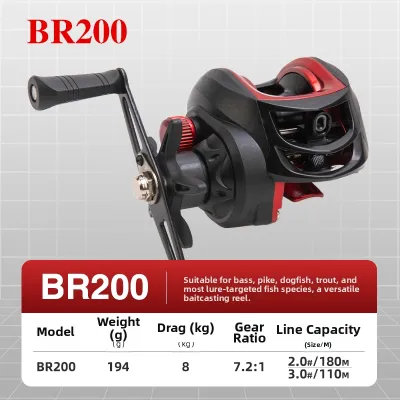
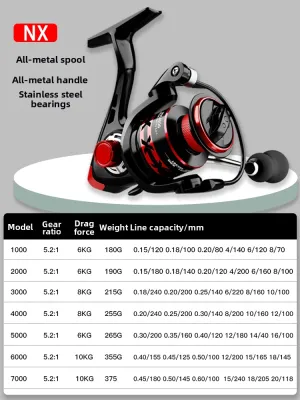
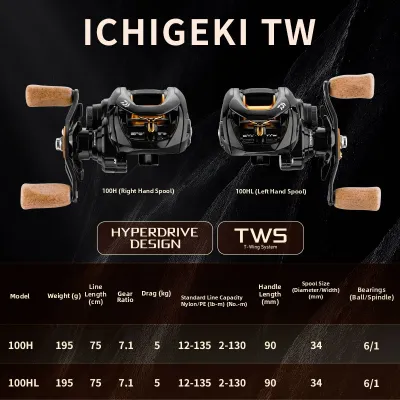
Prices are valid at publication and may change. Please refer to the product page for the latest price.
In Singapore, choosing a reputable brand also comes with practical long-term benefits. Tropical saltwater environments, such as those found around the Southern Islands or local coastal jetties, are exceptionally harsh on fishing gear. Established brands maintain dedicated service channels and local tackle shop networks, ensuring you can easily source replacement drag washers, bearings, or tension caps when maintenance is required.
Key Features That Make a Baitcaster Beginner-Friendly
Before selecting a brand, it is essential to understand the specific design elements that make certain baitcasting reels easier to master. Evaluating these features ensures you choose a model that actively supports your learning process.

Braking Systems The braking system is your primary defense against backlash. Magnetic brakes use adjustable magnets to slow the spool and are highly recommended for beginners because they can be adjusted externally via a dial. Centrifugal brakes rely on internal weights that push outward during the high-speed phase of a cast; while highly effective, they often require opening the reel’s side plate to adjust. Digital Control (DC) brakes utilize an internal microcomputer to measure spool speed and apply electromagnetic braking, providing the highest level of backlash prevention.
Gear Ratio The gear ratio determines how many times the spool rotates with a single turn of the handle. For beginners, a moderate gear ratio between 6.3:1 and 7.1:1 is ideal. This range offers a balanced retrieval speed, providing enough torque to pull lures through heavy cover while remaining versatile enough for topwater lures, soft plastics, and swimbaits.
Spool Design and Weight A heavy spool possesses high rotational inertia, meaning it requires more force to start spinning and is much harder to slow down. Beginner-friendly reels often feature lightweight, machined aluminum spools. These designs minimize inertia, making the spool highly responsive to both the reel’s braking system and your thumb pressure.
Ergonomics and Frame Profile Low-profile baitcasters are designed to sit close to the rod blank, allowing you to wrap your hand comfortably around the entire reel body. This technique, known as “palming,” improves your control over the rod, reduces wrist fatigue during long casting sessions, and provides better leverage when fighting strong local species like barramundi or peacock bass.
Top Baitcasting Reel Brands for Beginners
Shimano: Precision and Digital Innovation
Shimano is globally recognized for its precision engineering and ultra-smooth gearing systems. For beginners, the brand’s primary appeal lies in its commitment to robust casting control technologies that significantly flatten the learning curve.
While Shimano’s entry-level models utilize highly reliable centrifugal braking systems, their standout contribution to beginner angling is their Digital Control (DC) technology. The DC system uses an onboard microcomputer powered by the rotation of the spool itself, requiring no batteries. It monitors spool speed at millisecond intervals and applies precise electromagnetic braking to prevent overrun.
Investing in a model like the Shimano SLX DC or Curado DC provides an exceptionally forgiving introduction to baitcasting. These reels are ideal for beginners who want a premium, long-lasting piece of equipment that handles wind and varying lure weights with minimal manual adjustment.
Daiwa: Smooth Operation and Lightweight Spools
Daiwa approaches backlash prevention through a combination of highly responsive magnetic braking and advanced spool weight reduction. Their engineering philosophy focuses on reducing friction and rotational inertia to make casting as effortless as possible.
Daiwa’s proprietary Magforce magnetic braking system is highly favored by beginners because it applies consistent, predictable resistance throughout the cast. This system is adjusted via an external dial, allowing you to make quick changes on the water without opening the reel. Additionally, many of Daiwa’s beginner-friendly reels feature their Stress-Free Versatile (SV) spool concept, which utilizes an ultra-lightweight alloy to minimize start-up inertia.
Models such as the Daiwa Fuego SV TW or Tatula SV TW are excellent choices for novices. These reels also incorporate Daiwa’s T-Wing System (TWS), which features a wide T-shaped line guide that reduces line friction during casting and switches to a narrow groove during retrieval for even line lay. This combination makes it easier to cast lighter lures accurately.
Abu Garcia: Ergonomics and Dual Braking Flexibility
Abu Garcia has a long history of producing highly durable, ergonomic baitcasting reels that offer excellent value. Their design philosophy prioritizes physical comfort and versatile tuning options, making them highly popular among anglers transitioning from spinning tackle.
The brand’s entry-level Max series, including the Black Max and Max X, has served as the starting point for countless baitcasting anglers. These reels feature a highly compact, low-profile frame that fits comfortably in smaller hands. They utilize the MagTrax magnetic braking system, which provides continuous, linear brake pressure that is incredibly easy for beginners to adjust.
For anglers seeking more versatility, intermediate Abu Garcia models often feature dual braking systems. These systems combine internal centrifugal weights with external magnetic dials, allowing you to fine-tune the reel as your casting skills improve. This makes Abu Garcia an excellent choice for beginners who want a reel that can grow with their technical ability.
KastKing and Value-Driven Alternatives
For budget-conscious beginners who are hesitant to spend heavily on their first setup, value-driven brands like KastKing offer highly competitive entry points. These brands focus on delivering advanced features at highly accessible price points.
KastKing reels frequently incorporate dual braking systems, high ball-bearing counts, and carbon fiber drag washers that are typically found on much more expensive models. The KastKing Royale Legend and Spartacus series are popular examples that provide reliable casting performance without a high financial barrier.
When choosing a value-driven alternative, it is important to verify the build materials, as these reels often utilize graphite frames rather than aluminum to keep costs low. Additionally, ensure you check local warranty support and parts availability in Singapore, as you may need to rely on online marketplaces for replacement components if the reel requires servicing.
Comparing Beginner Baitcaster Brand Profiles
To help you choose the right manufacturer for your specific fishing style and budget, it is helpful to compare how these brands stack up across key decision criteria.
| Brand | Core Beginner Technology | Best For | Typical Price Tier |
|---|---|---|---|
| Shimano | Digital Control (DC) / VBS Centrifugal | Backlash prevention & long-term durability | Mid to High (S$150 – S$350+) |
| Daiwa | Magforce Magnetic & SV Spool | Light lure casting & smooth operation | Mid to High (S$130 – S$320+) |
| Abu Garcia | MagTrax Magnetic / Dual Brakes | Ergonomic comfort & versatile tuning | Budget to Mid (S$60 – S$180) |
| KastKing | Dual Braking (Magnetic & Centrifugal) | Budget-conscious beginners | Budget (S$40 – S$90) |
When using this comparison, consider your primary fishing venues. If you plan to target peacock bass in local reservoirs, a lightweight Daiwa or Abu Garcia reel offers the precise control needed for accurate casting. If you are casting into the wind along coastal breakwaters, the electronic assistance of a Shimano DC reel is highly advantageous. Before purchasing, visit local tackle shops to handle the reels in person to ensure the frame profile matches your hand size comfortably.
How to Set Up and Tune Your First Baitcaster to Prevent Backlash
Once you have selected your reel, proper setup is the most critical step to ensuring a frustration-free experience on the water. Follow these practical steps to tune your baitcaster before your first cast.
Spool Tension Knob Start by tying your chosen lure to the line. Hold your fishing rod out at a 45-degree angle. Press the thumb bar to release the spool while keeping your thumb completely off the line. Watch how the lure falls; if it drops rapidly and the spool continues to spin after the lure hits the ground, the tension is too loose. Tighten the spool tension knob until the lure falls slowly and stops rotating the instant it touches the ground.
Brake Dial Adjustment Locate the external brake dial on the side plate of your reel. For your first few outings, turn this dial to its maximum setting. While this will limit your overall casting distance, it provides the maximum level of resistance to prevent the spool from overrunning. As your muscle memory develops and your thumb control improves, you can gradually decrease the braking power notch by notch to achieve greater distance.
Thumb Control No mechanical braking system can completely replace the human touch. Keep your thumb lightly feathering the spinning spool during the cast to detect any loose loops of line. The most critical moment is just before the lure hits the water; you must press your thumb down firmly on the spool to stop its rotation entirely. Failing to do so will result in an immediate backlash as the lure stops moving but the spool continues to spin.
Line Choice The type of fishing line you choose plays a massive role in how easily you can manage tangles. Avoid starting with thin braided line, as it tends to dig into itself on the spool, making backlashes incredibly difficult to clear. Instead, spool your reel with 15 to 20 lb monofilament or fluorocarbon line. These lines are thicker, stiffer, and much more forgiving, allowing you to easily push out loops and clear minor tangles without needing to cut your line.
Frequently Asked Questions (FAQ)
Is a baitcasting reel better than a spinning reel for beginners?
Spinning reels are significantly easier to learn and are highly forgiving for absolute beginners. However, once you overcome the initial learning curve, a baitcasting reel offers superior casting accuracy, better control over heavy lures, and greater cranking power for fighting strong fish. If you plan to fish heavy cover or require precise lure placement, learning to use a baitcaster is highly beneficial.
What is the best fishing line to spool a beginner baitcaster?
For beginners, a high-quality monofilament line in the 15 to 20 lb test range is the best option. Monofilament is inexpensive, has a smooth surface, and possesses moderate stiffness. This stiffness prevents the line from digging into the spool during a backlash, making any tangles much easier to pull out compared to limp braided lines.
How do I fix a bird's nest without cutting the fishing line?
To clear a backlash, press your thumb firmly down on the tangled spool and turn the reel handle one full rotation to lock the line in place. Next, pull the main line forward gently from the guide; this will often pull out the loose loops causing the jam. Repeat this process of pressing, turning, and pulling gently. Avoid pulling the line aggressively, as this will tighten the loops into knots that can only be removed by cutting.
Community discussion
Share your experience or ask a question. Comments are reviewed before publication.