
Selecting the right basketball shoes is not about chasing the most popular signature line or aesthetic trend; it is an exercise in matching specific footwear engineering to your physical profile, movement mechanics, and the playing surfaces you frequent. The right pair acting as a direct interface between your feet and the court can enhance your stability, optimize energy transfer, and help mitigate the risk of common lower-limb injuries.
To find your ideal match, you must evaluate how different cushioning setups, traction patterns, upper materials, and structural support systems align with your on-court responsibilities. Whether you are a perimeter player relying on rapid changes of direction or a physical interior player contesting rebounds in the paint, understanding these technical features allows you to make an informed, performance-driven decision.
Diagnose Your Court Role and Movement Patterns
Before browsing online marketplaces or visiting a physical store, you must objectively analyze how you move on the court. Traditional basketball positions—Guard, Forward, and Center—historically dictated the type of footwear a player required. However, modern basketball has transitioned toward a highly versatile, positionless style of play where physical attributes and movement habits are far more indicative of your footwear needs than a nominal position label.
Products mentioned in this guide
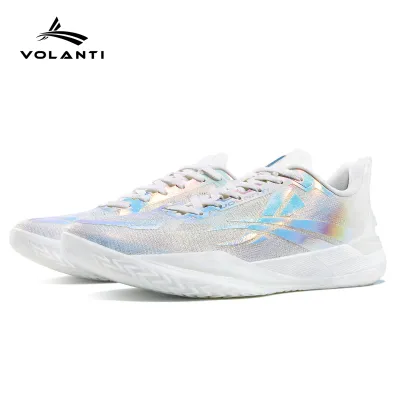
Prices are valid at publication and may change. Please refer to the product page for the latest price.
To diagnose your court role, consider your primary scoring and defensive methods. If your game relies on high-speed transitions, rapid lateral slides on defense, and quick step-back jump shots, your feet experience high-frequency lateral shear forces. Conversely, if you operate as a physical post player or a vertical rebounder, your body weight and jumping frequency subject your joints to repetitive, high-impact vertical loads.
Evaluating your physical feedback after playing is equally revealing. If you frequently finish a session with aching knees or sore heels, your current footwear likely lacks the impact absorption required for your body weight or jumping frequency. If you feel sluggish or experience minor ankle rolls during lateral movements, your shoes may feature a midsole that is too high off the ground, or they may lack sufficient lateral containment. Identifying these personal variables establishes the necessary foundation before you begin comparing specific shoe specifications.
Guard Shoes: Prioritizing Speed, Traction, and Court Feel
Guards and perimeter-oriented players require footwear that prioritizes agility, immediate court feedback, and reliable traction. Because these players are in constant motion, heavy or overly bulky shoes can accelerate lower-leg fatigue over the course of a game.

- Lightweight Upper Materials: Look for uppers constructed from engineered knits, lightweight mesh, or thin synthetic overlays. These materials provide a close, sock-like fit that moves naturally with the foot while keeping the overall weight of the shoe to a minimum.
- Low-Profile Cushioning: To maximize speed, guards benefit from responsive, lower-profile cushioning systems. A thinner midsole brings the foot closer to the floor, providing excellent "court feel" and minimizing the delay between your brain's movement signal and the shoe's reaction against the hardwood. Highly compressed foam compounds or low-profile pressurized air units in the forefoot are ideal for this purpose.
- Aggressive Traction Patterns: Rapid cuts and sudden stops require an uncompromising grip. Look for multi-directional traction patterns, such as classic herringbone, radial designs, or data-mapped generative outsoles. These patterns ensure consistent friction against the court surface, regardless of the angle at which your foot meets the ground.
- Secure Lateral Lockdown: To prevent your foot from sliding off the footbed during hard crossovers, guard shoes require robust containment features. Look for models with external heel counters, internal midfoot containment bands, and lateral TPU wraps that reinforce the outer edge of the forefoot.
For players whose game is built on speed, prioritizing responsiveness and containment over plush, thick cushioning is generally the most effective trade-off.
Forward Shoes: Balancing Versatility, Support, and Transition
Forwards operate in a hybrid space, frequently transitioning between perimeter play and physical battles inside the key. Consequently, footwear designed for forwards must offer a balanced mix of responsiveness, impact protection, and structural support to handle diverse physical demands.
- Balanced Midsole Setup: A forward's shoe needs a versatile cushioning configuration. This typically involves a dual-density midsole, featuring a plush, impact-absorbing foam in the heel to cushion heavy landings from rebounds, paired with a firmer, more responsive foam in the forefoot to facilitate quick first steps and fast breaks.
- Torsional Midfoot Support: Because forwards engage in multi-directional movements that put high twisting forces on the feet, a rigid midfoot shank is essential. Typically made of thermoplastic polyurethane (TPU) or carbon fiber, this shank is embedded in the arch of the sole to prevent the shoe from twisting excessively, reducing arch strain and improving heel-to-toe transition.
- Reinforced Upper Durability: Playing in high-traffic areas means your feet will inevitably be stepped on, and your shoes will bump against opponents. Look for uppers made of reinforced mesh, synthetic leather, or TPU-coated yarns that offer structural integrity and resist stretching out over time.
- Versatile Outsole Design: The traction pattern should feature flat, stable sections for post-up pivoting alongside deep, multi-directional grooves that provide reliable grip when driving to the basket from the perimeter.
By choosing a shoe that balances these elements, versatile players can transition seamlessly from defending the perimeter to battling for low-post position.
Center Shoes: Maximizing Impact Protection and Stability
Centers and traditional big men generate significant physical force due to their body weight and the vertical nature of their play. Footwear in this category must prioritize joint protection, structural stability, and heavy-duty containment to withstand intense physical contact in the paint.
- Maximum Impact Protection: Repetitive jumping and landing at higher body weights subjects the knees, ankles, and lower back to high-magnitude forces. Centers should look for shoes with thick, high-volume midsoles utilizing advanced, plush foam compounds or large, encapsulated air chambers. This setup prioritizes maximum shock absorption over immediate court feel.
- Wide Base and Outrigger Designs: To prevent ankle rolls when landing on other players' feet in crowded areas, a wide, stable outsole platform is critical. Look for shoes featuring a prominent lateral outrigger—a structural protrusion of the sole on the outer edge of the forefoot—which acts as a stabilizer to prevent the shoe from tipping outward.
- Robust and Rigid Uppers: To contain the foot securely during high-torque post maneuvers and box-outs, the upper must be highly supportive. Thick synthetic materials, reinforced overlays, and robust lacing systems that pull the foot firmly into the heel pocket are essential to prevent lateral blowout.
- Durable, Solid Rubber Outsoles: The high friction of post play can quickly wear down thin outsole grooves. Look for solid, hard rubber outsoles with thick, wide-spaced traction patterns that resist abrasion and do not easily collect dust.
Investing in a highly stable, heavily cushioned shoe provides the physical protection necessary to sustain a physical interior game over a long season.
Pre-Purchase Checklist: Fit, Safety, and On-Court Testing
No matter how well a shoe’s specifications align with your playing style on paper, improper fit or poor build quality can compromise safety and performance. Before finalizing your purchase, use this practical checklist to evaluate any prospective pair.
The Fitting Protocol
- Shop in the Afternoon or Evening: Your feet naturally swell slightly throughout the day due to gravity and activity. Trying on shoes during these hours ensures you do not buy a pair that becomes painfully tight during a intense game.
- Wear Your Game-Day Gear: Always try on shoes wearing the exact thickness of basketball socks you use during play. If you wear ankle braces or custom orthotic insoles, insert them into the shoe during the fitting process.
- Check the Toe Box Space: Press your thumb down at the front of the shoe while standing. There should be approximately a thumb's width of space (about 1 to 1.5 cm) between your longest toe and the tip of the shoe. This space prevents painful toe jamming when making sudden stops.
The Dry-Testing Movement Checklist
- Assess Heel Slip: Tie the laces securely, walk around, and perform a few light calf raises. If your heel lifts or slides out of the rear collar, the shoe lacks proper lockdown and may cause blisters or instability.
- Test Lateral Containment: Perform a series of slow, controlled defensive slides on a clean, dry floor. Pay attention to whether your foot slides sideways over the edge of the midsole. If the upper material stretches excessively or allows your foot to spill over the sole, the shoe lacks the lateral support required for competitive play.
- Verify the Flex Point: Hold the shoe in both hands and bend it. The shoe should flex naturally at the forefoot, right where your toes bend. If the shoe bends easily in the middle of the arch, it lacks the necessary midfoot torsional support and should be avoided.
Clear Rejection Criteria
If a shoe causes immediate pinching, painful pressure points on the top of your foot, or feels excessively heavy during a simple walk-through, reject it. Aesthetic appeal or brand popularity should never supersede a secure, pain-free fit and robust structural integrity.
Frequently Asked Questions (FAQ)
Should I buy high-top or low-top basketball shoes for ankle support?
Collar height does not inherently prevent ankle sprains. Research and athletic training consensus indicate that high-top collars do not provide medical-grade joint support or prevent inversion injuries. Instead, ankle stability is primarily driven by proper heel lockdown, a wide outsole base, and a reliable lateral outrigger. You should choose collar height based on your personal comfort, desired ankle mobility, and weight preferences rather than relying on high-tops as a safety guarantee.
Can I use indoor basketball shoes on outdoor courts?
Using shoes engineered for indoor hardwood on abrasive outdoor surfaces like concrete or asphalt will rapidly destroy the outsole. Indoor shoes often utilize soft, pliable rubber compounds (sometimes translucent) designed to grip clean wood floors; these wear down quickly on rough outdoor courts, such as those found in local community clubs or neighborhood parks in Singapore. If you frequently play outdoors, look specifically for shoes equipped with highly durable, solid, hard rubber outsoles and thick, deep traction patterns designed to withstand abrasive surfaces.
Community discussion
Share your experience or ask a question. Comments are reviewed before publication.