
To choose the best buoyancy control device (BCD) for weekend resort diving in Bintan and Batam, you must balance lightweight packability for ferry travel with streamlined performance in warm, tropical waters. The ideal choice is a travel-friendly BCD—such as a lightweight jacket-style or a minimalist back-inflate system—from a brand with a robust service network in Southeast Asia. This ensures your gear is easy to transport from Singapore, comfortable to wear over thin exposure suits, and simple to maintain or repair locally.
Selecting the right BCD style depends on your experience level, comfort preferences, and how often you travel. By matching your equipment to the specific environmental and logistical conditions of the Riau Archipelago, you can ensure a safer, more relaxing weekend getaway.
Why Bintan and Batam Dives Demand a Specific BCD Profile
Diving around Batam and Bintan typically involves warm water temperatures ranging from 28°C to 30°C year-round. Because of these tropical conditions, divers rarely need thick wetsuits; a thin rash guard, a 3mm shorty, or a lightweight full suit is usually sufficient. Consequently, you do not require a heavy, highly buoyant BCD designed to compensate for the extreme compression of thick neoprene. A bulky setup will only lead to over-weighting and unnecessary drag in the water.
Products mentioned in this guide
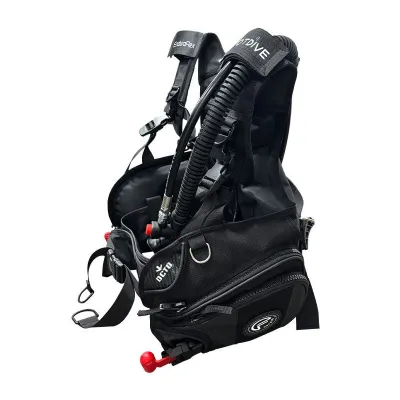
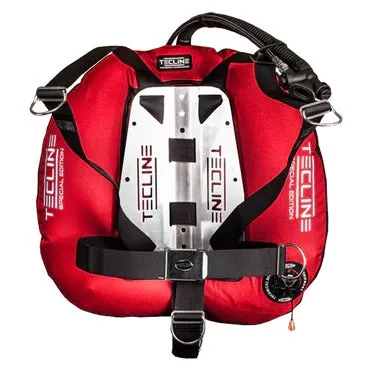
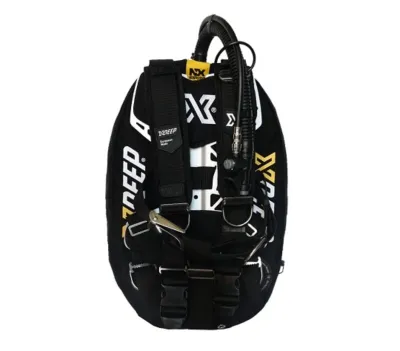
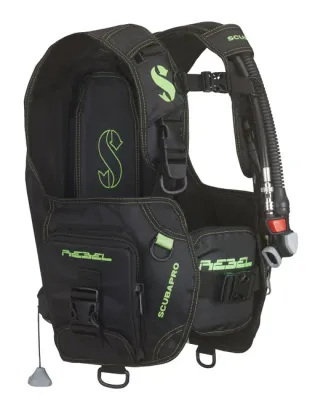
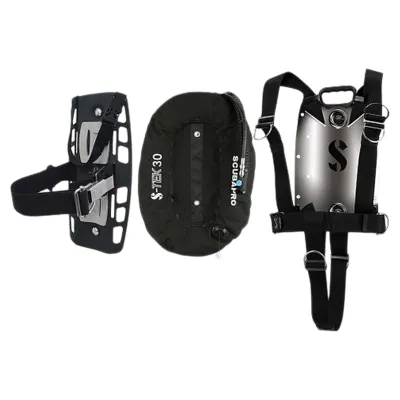
Prices are valid at publication and may change. Please refer to the product page for the latest price.
Boat diving is the standard for accessing reef sites in these destinations, often utilizing local wooden bumboats or compact speedboats. Deck space is frequently limited, requiring divers to gear up in tight quarters and perform quick water entries, such as giant strides or backward rolls. A streamlined, low-profile BCD makes moving around a crowded boat deck much safer and reduces the risk of snagging your gear on boat fixtures or ladders.
Logistics play a major role for weekend travelers departing from Singapore terminals like Tanah Merah or HarbourFront. Ferry operators, such as BatamFast or Majestic Fast Ferry, typically enforce a 20kg checked baggage limit. Lugging a massive, heavily padded BCD alongside your other dive gear, clothing, and personal items can quickly push you over this limit or make the transit physically exhausting. Transitioning to a lightweight, compact travel BCD style directly addresses these logistical hurdles.
Best BCD Styles for Warm-Water Resort and Boat Dives
Travel and Hybrid BCDs
Travel-specific and hybrid BCDs are engineered specifically to minimize weight and bulk, making them ideal for the weekend ferry commute. Many of these models replace rigid plastic or heavy metal backplates with flexible, reinforced fabric harnesses that allow the entire BCD to be folded or rolled into a compact package. They often utilize lighter-grade materials, such as 420-denier nylon instead of heavier 1000-denier alternatives, reducing the dry weight of the unit significantly.

While these weight savings are highly beneficial for travel, they do come with specific trade-offs that you must evaluate before purchasing:
- Reduced Lift Capacity: Travel BCDs generally offer lower lift capacities, often ranging from 22 to 30 pounds (9.8 to 13.6 kg). While this is perfectly adequate for warm-water diving with a thin wetsuit and an aluminum cylinder, it may limit the gear's utility if you plan to transition to cold-water or drysuit diving in the future.
- Fewer Attachment Points: To save weight, manufacturers often replace heavy metal D-rings with lightweight plastic ones or reduce the overall number of accessory pockets. This requires you to be highly selective about the gear you clip onto your harness.
- Durability Considerations: Lighter fabrics are more susceptible to abrasion over time. If you frequently dive around rough boat gunwales or sharp surfaces, you must handle a travel BCD with extra care to prevent punctures or tears.
Lightweight Jacket-Style BCDs
Lightweight jacket-style BCDs offer a traditional, familiar fit while incorporating modern weight-saving designs. The air bladder in a jacket-style BCD wraps around your torso, providing excellent stability and vertical support when you are resting at the surface. This style is highly popular among recreational divers who prefer a secure, enveloping feel and want straightforward, intuitive controls during relaxed boat dives.
For resort diving, a lightweight jacket style provides several distinct advantages:
- Surface Comfort: By holding you upright at the surface, a jacket-style BCD makes waiting for the dive boat in choppy water much less tiring.
- Integrated Weight Pockets: Most modern lightweight jackets feature integrated weight systems, eliminating the need for a painful, slipping weight belt over a thin rash guard.
- Familiarity: Because most open-water training is conducted using jacket-style BCDs, there is virtually no learning curve, allowing you to focus entirely on enjoying your dive.
However, you should keep in mind that when a jacket-style BCD is fully inflated, it can squeeze your chest tightly. To mitigate this, look for models that feature an adjustable, elasticated cummerbund or pivoting shoulder buckles that help distribute the pressure more evenly across your torso.
Minimalist Back-Inflate Systems
Minimalist back-inflate BCDs, often referred to as wing systems, house the air bladder entirely behind your back, leaving your chest and torso completely uncluttered. This design naturally promotes a horizontal, hydrodynamic trim position underwater, making it much easier to glide through the water with minimal effort. If you encounter mild to moderate currents around the outer reefs of Bintan, a streamlined back-inflate profile can significantly reduce your water resistance and improve your air consumption.
Before choosing a back-inflate system, you should understand its unique handling characteristics:
- Surface Behavior: On the surface, a back-inflate bladder tends to push your face forward into the water if it is fully inflated. To maintain a comfortable, upright position while waiting for the boat, you must learn to lean back slightly and use gentle fin kicks to balance your center of gravity.
- Streamlined Chest Area: With no bladder wrapping around your sides, you have unobstructed access to your chest and waist area, making it easier to locate your instrument console, pocket lights, or surface marker buoys.
- Buoyancy Training: Because these systems offer less inherent vertical stability at the surface, they require a higher degree of comfort and proper weighting. Remember that no piece of equipment can replace formal buoyancy control training and practical experience.
Reliable Brands with Strong Southeast Asian Service Networks
When purchasing a BCD, regional serviceability is just as important as the initial fit and features. If a dump valve leaks, an inflator button sticks, or a bladder seam requires professional inspection, you need to know that replacement parts and certified technicians are readily accessible. Opting for established global brands with a strong presence in Singapore and Indonesia ensures that you will not be left stranded with unusable gear before a weekend trip.
Several major manufacturers maintain extensive authorized dealer networks across Southeast Asia:
- Scubapro: Renowned for robust build quality and highly reliable inflator systems, Scubapro has a massive footprint in Singapore and regional resort destinations. Finding replacement parts, such as O-rings, dump valves, or BCD service kits, is incredibly straightforward.
- Aqualung: Known for comfortable, travel-friendly designs, Aqualung products are widely supported by local dive shops and resort operators throughout the Riau Islands.
- Mares: Offering a wide range of lightweight jacket and hybrid designs, Mares is another highly visible brand with reliable local servicing options.
- Cressi: This brand offers highly competitive, durable travel BCD options that are frequently stocked and serviced by regional retailers.
- Halcyon: For divers interested in high-quality backplate and wing systems, Halcyon is a premium option with excellent specialized support in Singapore's technical diving community.
Before purchasing a BCD from a niche or direct-to-consumer brand online, verify whether local dive shops in Singapore actually stock the necessary proprietary parts. A minor issue with a non-standard inflator connection can easily ruin a planned weekend dive if local technicians do not have the specific tools or parts required to fix it.
Critical Features to Check Before Your Weekend Dive Trip
To ensure your BCD is fully prepared for the specific demands of Bintan and Batam boat dives, run through this practical checklist before purchasing or packing your gear:
- Integrated Weight Systems: Ensure the weight pockets feature a secure, mechanical quick-release mechanism. This allows you to quickly hand your weights up to the boat crew before climbing up a ladder, or ditch them instantly in a surface emergency. Verify that the pockets lock tightly into place so they do not slide out accidentally during a giant stride entry.
- D-Ring Placement: Check that the BCD has at least two to four well-positioned D-rings. Because Batam and Bintan have active shipping lanes and boat traffic nearby, you must carry a Surface Marker Buoy (SMB) and a reel on every dive. Ensure you can easily clip and retrieve these safety items without looking.
- Harness Comfort: When wearing only a thin rash guard or a 3mm shorty, there is very little padding between your skin and the BCD. Inspect the shoulder straps and backplate area for soft neoprene lining, rolled collar edges, or quick-drying 3D mesh padding to prevent painful chafing during your dives.
- Dump Valves: Ensure all pull-dumps and remote exhaust valves are easily reachable. You should be able to locate and operate the right-shoulder pull-dump and the lower-rear dump valve instinctively, allowing you to vent air quickly and maintain precise control over your ascent rate, regardless of your body position.
Always consult the manufacturer’s user manual to familiarize yourself with the exact locations and operations of all quick-release mechanisms and dump valves before your first dive.
Packing and Maintenance Tips for Short Getaways
Proper packing and post-dive maintenance are essential to extend the lifespan of your BCD and ensure it performs reliably on every trip. Because weekend getaways involve rapid transitions between travel, diving, and returning home, establishing a consistent gear-care routine is highly beneficial.
When packing your BCD into a travel bag or duffel, avoid tight creasing or folding that could damage the internal polyurethane bladder. Gently loop the corrugated inflator hose rather than bending it sharply, which can cause the internal cable or rubber to crack over time. Keep all plastic buckles fastened to prevent them from being crushed or snapped under the weight of other luggage during transit on the ferry.
Once you arrive at the resort, protect your gear from environmental degradation:
- Freshwater Rinsing: Resort rinse tanks are often communal and can accumulate salt, sand, and organic debris. Whenever possible, rinse your BCD under running fresh water. Be sure to flush the inside of the bladder by pouring fresh water into the inflator mouthpiece while holding down the deflate button, shaking the BCD to coat the interior, and then draining the water completely through the lower dump valves.
- Sun Protection: Avoid leaving your BCD exposed to direct, harsh sunlight on open boat decks or hanging racks. Strong tropical UV rays degrade nylon fabrics, fade colors, and dry out rubber seals rapidly. Hang your BCD in a shaded, well-ventilated area to dry.
- Thorough Drying: Before packing your BCD for the return ferry to Singapore, ensure it is completely dry. Storing a damp BCD in a sealed dive bag, even for a short journey, creates a warm, humid environment that promotes mold, mildew, and unpleasant odors, which can damage the bladder fabric over time.
Frequently Asked Questions (FAQ)
Can I Use a Heavy, Padded Cold-Water BCD for Bintan and Batam?
While you can technically use a heavy, padded cold-water BCD, it is highly impractical for the local resort environment. Heavy BCDs consume a significant portion of your ferry baggage allowance and take much longer to dry in humid tropical climates. Furthermore, the thick padding is unnecessary when diving in warm water with thin exposure suits, and it can cause you to overheat quickly while gearing up on sunny boat decks.
Is a Backplate and Wing System Necessary for Handling Local Currents?
No, a backplate and wing system is not necessary for handling local currents, though its streamlined profile does help reduce water resistance. Managing currents safely relies primarily on your personal dive training, physical fitness, proper weighting, and buoyancy control. Equipment can assist your trim, but it is never a substitute for proper current-diving skills and local dive guide briefings.
Community discussion
Share your experience or ask a question. Comments are reviewed before publication.