
For beginners starting their angling journey in Singapore, choosing the right baitcaster reel can mean the difference between an exciting day on the water and hours spent untangling a bird’s nest of fishing line. The most forgiving entry-level baitcaster reels are those that feature highly adjustable braking systems, durable construction, and accessible pricing. The top recommendations for local anglers are the Shimano SLX (best overall for smooth learning), the Abu Garcia Max X (best budget-friendly choice), and the Daiwa Fuego CT (best for versatility and lighter lures). These reels strike an excellent balance between ease of use and the rugged reliability needed to tackle local sport fish like peacock bass and giant snakehead (toman) in Singapore’s reservoirs and payponds.
Why Choose a Baitcaster Reel Over a Spinning Reel?
While spinning reels are highly popular for their simplicity, transitioning to a baitcaster reel offers distinct mechanical advantages that can elevate your fishing game. The primary benefit of a baitcaster is casting accuracy. Because the spool rotates directly as the line exits, you have direct, tactile control over the line’s speed. By lightly feathering the spool with your thumb, you can stop a lure mid-flight with pinpoint precision, allowing you to drop a soft plastic or hard lure exactly into tight pockets of structure where predatory fish hide.
In addition to accuracy, baitcasters provide superior cranking power and better control over heavier lures. The reel’s design allows the spool to sit perpendicular to the rod, acting like a direct winch. When targeting hard-fighting species like giant snakehead (toman) in thick weeds or structure-heavy reservoir margins, this direct line of pull gives you the leverage needed to turn a fish’s head before it can dive into cover. Baitcasters also handle heavier fluorocarbon and monofilament lines much better than spinning reels, which often suffer from line twists and wind knots when using stiff lines.
Products mentioned in this guide
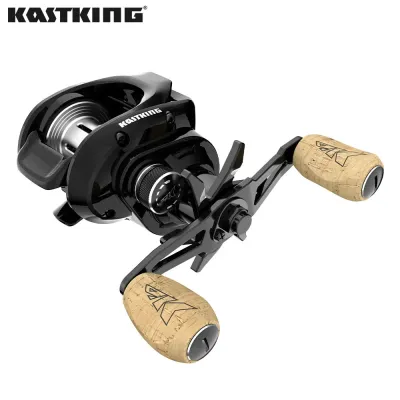
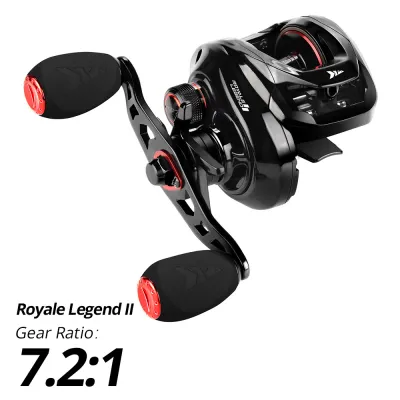
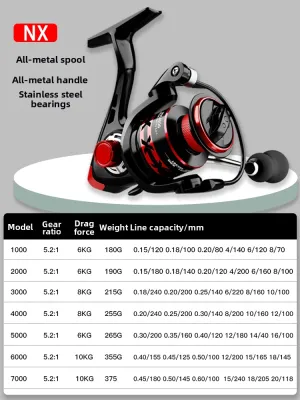
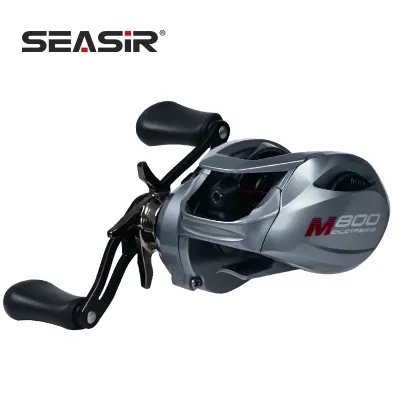
Prices are valid at publication and may change. Please refer to the product page for the latest price.
The primary challenge for beginners is the backlash, commonly referred to as a bird’s nest. This occurs when the spool spins faster than the lure pulls the line forward, causing the loose line to overrun and tangle on the spool. While this learning curve can feel intimidating, it is a manageable physical skill that can be mastered with a few hours of structured practice. Modern braking technologies have made entry-level reels incredibly forgiving, turning what used to be a frustrating barrier into an easy-to-learn casting technique.
Key Features That Make a Baitcaster Forgiving for Beginners
Understanding the core mechanics of a baitcaster will help you select a model that actively works to prevent backlashes while you build your muscle memory.

Braking Systems
Braking systems are the most critical feature for any beginner. These systems slow down the rotation of the spool during a cast to match the decelerating speed of the lure.
- Magnetic Brakes: These use a series of adjustable magnets situated near the spool. As the spool spins, eddy currents create resistance. Magnetic brakes are highly consistent, linear, and can be adjusted externally via a dial on the side plate, making them incredibly convenient for beginners who need to make quick adjustments on the water.
- Centrifugal Brakes: These rely on small weighted shoes that push outward against an internal brake ring during the high-speed initial phase of the cast. While centrifugal brakes are exceptionally good at preventing backlashes at the very start of a cast, adjusting them often requires opening the reel's side plate to click individual shoes on or off.
Gear Ratio
For your first baitcaster, a moderate gear ratio between 6.3:1 and 7.1:1 is highly recommended. The gear ratio indicates how many times the spool rotates for every single full turn of the handle. Extreme high-speed ratios (such as 8.1:1 or higher) can cause you to retrieve lures too quickly, which is a common beginner mistake, while very low ratios (under 5.8:1) lack the retrieval speed needed to quickly gather slack line. A moderate ratio provides a versatile balance of retrieval speed and torque, allowing you to fish everything from topwater frogs to slow-rolled crankbaits.
Spool Tension and Bearings
The spool tension knob controls the physical side-to-side play of the spool. Adjusting this knob applies direct pressure to the spool shaft, helping to control its speed at the very end of the cast when the lure hits the water. High-quality internal ball bearings ensure a smooth, predictable spool startup. A smooth startup prevents sudden, jerky spikes in spool speed during the initial release, which is a common cause of early-cast backlashes.
Reel Weight and Ergonomics
Low-profile baitcasters are designed to sit flat and low on top of the rod handle, allowing you to palm the reel comfortably. This ergonomic fit reduces wrist fatigue during long casting sessions at local reservoirs. A lightweight reel, typically weighing between 190 and 220 grams, pairs naturally with standard medium or medium-heavy casting rods, creating a balanced setup that is easier to control and maneuver.
Top Entry-Level Baitcaster Reels for Beginners in Singapore
When choosing your first reel, it is wise to stick to established manufacturers known for their quality control and warranty support. The following three models are widely regarded as the benchmark entry-level baitcasters. Before purchasing, verify current availability, exact model variations (such as left-handed vs. right-handed handles), and current pricing at local Singapore tackle shops or authorized online retailers. Left-handed anglers should look for models ending in “1” or designated with an “L” (e.g., Shimano SLX 151).
Best Overall for Smooth Learning
The Shimano SLX (specifically the SLX 150/151 series) is the benchmark for entry-level reliability. Built around Shimano’s rigid aluminum Hagane Body, this reel eliminates frame flexing under heavy loads, ensuring the internal brass gears remain perfectly aligned even when pulling a stubborn fish out of structure.
- Braking Technology: The SLX utilizes the Variable Brake System (VBS), a centrifugal braking system that uses internal weights to control the spool. By opening the side plate, beginners can switch on four of the six brake weights to provide maximum casting safety, gradually switching weights off as their thumb control improves.
- Ideal Audience: This reel is perfect for anglers transitioning from spinning gear who want a solid, premium-feeling setup that will last for years. It is highly capable of handling the aggressive strikes of local peacock bass in freshwater reservoirs.
- Limitations: The primary drawback is that adjusting the VBS brakes requires opening the side plate, which can be inconvenient in windy conditions. Additionally, while it can handle light brackish water with proper care, it is not fully optimized for heavy saltwater use; thorough freshwater rinsing after every outing is mandatory.
Best Budget-Friendly Choice
The Abu Garcia Max X represents the latest generation of one of the most popular entry-level baitcaster series in the world. It offers a highly functional, reliable platform at a price point that makes it incredibly accessible for those who want to try baitcasting without a significant financial commitment.
- Braking Technology: Equipped with the MagTrax magnetic braking system, the Max X provides consistent brake pressure throughout the cast. The system is adjusted entirely via an external dial on the side plate, allowing you to increase or decrease resistance instantly as wind conditions change.
- Ideal Audience: This reel is excellent for casual weekend casting, practicing casting mechanics in open parks, or targeting smaller species in local payponds. It is a low-risk entry point that delivers consistent performance.
- Limitations: To keep the reel highly affordable, Abu Garcia utilizes a lightweight graphite frame rather than aluminum. While graphite is corrosion-resistant, it exhibits slightly more flex under extreme pressure than metal frames. The reel also features a simpler 4+1 bearing system, which feels slightly less buttery during retrieval compared to more expensive models, though it remains highly dependable.
Best for Versatility and Lighter Lures
The Daiwa Fuego CT (Compact Tactical) is a highly versatile reel that punches far above its weight class. It is built on a compact aluminum frame that fits comfortably in smaller hands, making it exceptionally easy to palm and control.
- Braking Technology: The standout feature of the Fuego CT is Daiwa's Magforce Z magnetic braking system. This system uses a dynamic inductor cup on the spool that automatically moves into the magnetic field during the peak speed of the cast, then retracts as the spool slows down. This automatic adjustment makes it incredibly forgiving when casting lighter lures or dealing with sudden headwinds.
- Ideal Audience: Anglers who want to cast a wide variety of lure weights, from lightweight soft plastics to heavier topwater lures. It is highly suited for targeting skittish fish along shallow reservoir banks where subtle presentations are required.
- Limitations: While the Magforce Z system handles lighter lures better than most standard entry-level baitcasters, there are limits to "light" in this context. It is not a specialized Bait Finesse System (BFS) reel; attempting to cast lures lighter than 5 grams will still result in frequent backlashes. For ultra-light lures, a spinning setup remains the superior choice.
Quick Comparison of Top Beginner Baitcasters
| Reel Model | Braking System Type | Recommended Gear Ratio | Approximate Weight | Best Use Case |
|---|---|---|---|---|
| Shimano SLX 150 | Centrifugal (VBS) | 6.3:1 or 7.2:1 | 195g | All-around performance, durability, and rigidity |
| Abu Garcia Max X | Magnetic (MagTrax) | 6.4:1 | 210g | Budget-friendly weekend practice and casual pond fishing |
| Daiwa Fuego CT | Magnetic (Magforce Z) | 6.3:1 or 7.3:1 | 205g | Versatility across lure weights and casting in windy conditions |
How to Set Up and Cast Your First Baitcaster to Prevent Backlash
Setting up your reel correctly before your first cast is the most effective way to prevent backlashes. Follow these low-risk, reversible adjustment steps to configure your new setup for success.
Step-by-Step Initial Setup
- Spool the Reel: Ensure your reel is spooled tightly with line. Loose line on the spool is a primary cause of backlashes.
- Tie on a Practice Lure: Tie on a relatively heavy practice plug or a streamlined lure weighing around 1/2 ounce (14 grams). Avoid light or highly wind-resistant lures for your initial practice.
- Perform the Drop Test: Hold your fishing rod horizontally at waist height. Press the thumb bar (spool release) while keeping your thumb firmly on the spool. Slowly release your thumb and let the lure fall to the ground.
- Adjust the Spool Tension: If the spool continues to spin and overrun after the lure hits the ground, tighten the spool tension knob (located next to the handle). Repeat this test until the lure falls smoothly and the spool stops spinning the exact millisecond the lure touches the ground.
- Set the Brakes to Maximum: Turn your external magnetic brake dial to its maximum setting, or engage at least four internal centrifugal brake shoes. This provides the safety net you need while learning.
Casting Technique and Thumbing
When casting, avoid the sharp, whipping overhead motion commonly used with spinning rods. A sudden snap of the rod tip accelerates the spool too quickly, causing immediate backlash. Instead, use a smooth, sweeping sidearm casting motion.
Start with the rod tip pointed back, allowing the weight of the lure to bend (load) the rod. Sweep the rod forward in a controlled arc, releasing your thumb from the spool when the rod tip points between the 10 o’clock and 2 o’clock positions.
As the lure flies through the air, keep your thumb hovering a fraction of a millimeter above the spinning line. If you feel the line starting to lift or fluff up, apply microscopic pressure to slow the spool down. Crucially, press down firmly on the spool to stop it completely the exact instant before the lure touches the water. Always consult your specific reel’s manual for exact adjustment mechanisms and safety guidelines.
Frequently Asked Questions (FAQ)
Should a beginner choose a low-profile or round baitcaster?
Beginners should almost always choose a low-profile baitcaster. Low-profile reels are designed ergonomically to sit flat on top of the rod grip, making them easy to palm, lightweight, and comfortable for continuous casting. Round baitcasters are physically larger, heavier, and hold much more line. They are built primarily for heavy-duty trolling, deep-sea jigging, or targeting massive saltwater species, which makes them highly impractical and fatiguing for casting lightweight lures in local reservoirs.
What is the best fishing line type for a beginner baitcaster?
For your first few practice sessions, it is highly recommended to spool your reel with a high-quality monofilament line in the 12 to 15-pound test range. Monofilament line is inexpensive, has a smooth surface that resists digging into itself on the spool, and possesses natural stretch that helps absorb casting mistakes. Most importantly, monofilament is significantly easier to untangle when a bird’s nest occurs. While braided line offers superior strength and sensitivity, it can dig into the spool under pressure and form incredibly tight, complex knots during a backlash that are nearly impossible for a beginner to clear without cutting the line.
Community discussion
Share your experience or ask a question. Comments are reviewed before publication.