
Selecting your first fishing rod set in Singapore can feel overwhelming given the sheer variety of gear available. For beginners, the most practical solution is a pre-matched spinning rod and reel combo from a reputable brand. These sets eliminate the guesswork of matching rod power to reel size, ensuring a balanced setup right out of the box. Brands like Shimano, Daiwa, Penn, and Abu Garcia, along with established local tackle shop house brands, offer excellent entry-level options that balance cost, durability, and ease of use. By focusing on versatile specifications and robust construction, new anglers can confidently start their fishing journey across Singapore’s reservoirs, jetties, and coastal spots.
Understanding the Value of a Beginner Fishing Rod Set
Starting your angling journey with a pre-matched fishing rod set, often referred to as a combo, is highly practical. For a beginner, selecting a rod and a reel separately requires a deep understanding of gear compatibility. You must match the rod’s line rating and casting weight to the reel’s spool capacity, drag strength, and physical weight. A mismatched setup can lead to poor casting distance, frequent line tangles, or physical fatigue. Pre-matched sets are engineered by manufacturers to ensure the rod and reel work in perfect harmony, allowing you to focus entirely on learning basic techniques.
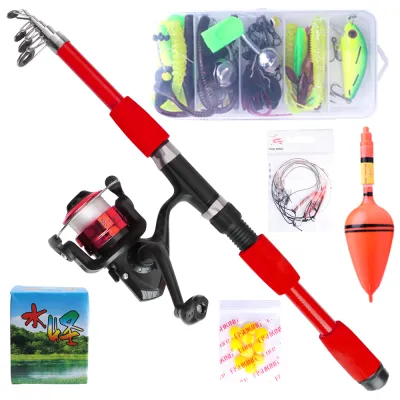
A standard entry-level fishing rod set typically includes a spinning rod and a matching spinning reel. Some sets also come pre-spooled with fishing line, and a few packages include a basic selection of terminal tackle, such as hooks, sinkers, and swivels. This all-in-one approach minimizes the initial decision fatigue that often discourages newcomers. It provides a clear, functional baseline from which you can gradually expand your gear collection as your skills develop.
Products mentioned in this guide
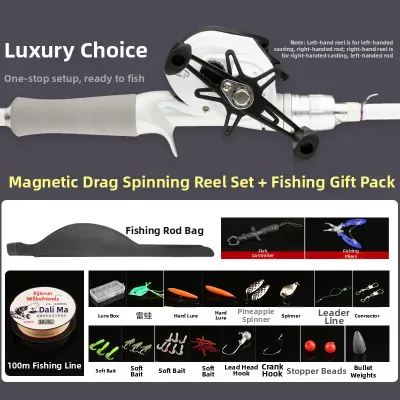
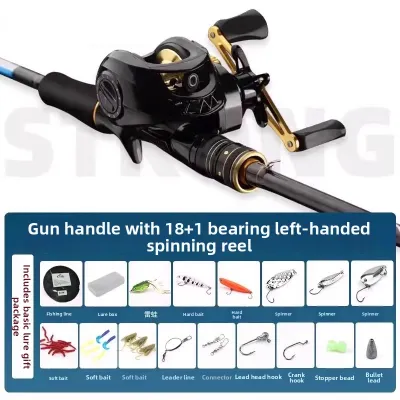
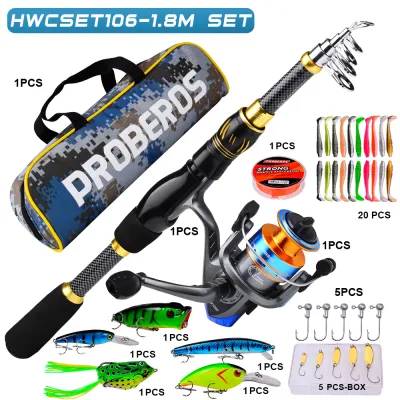
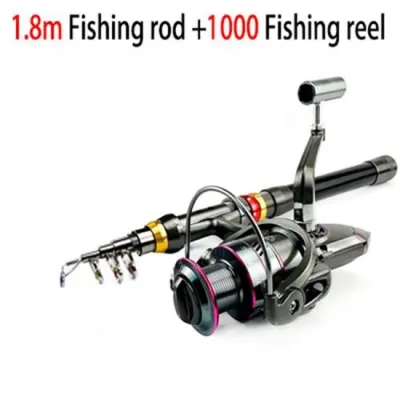
Prices are valid at publication and may change. Please refer to the product page for the latest price.
Balancing upfront cost with durability is a critical consideration during the learning phase. Beginner gear is highly likely to experience accidental drops, high-sticking (bending the rod too far vertically), and improper storage. Opting for an entry-level set from an established brand ensures the materials used can withstand these common mistakes. While ultra-cheap, unbranded sets may seem appealing, they often utilize fragile plastics and low-grade metals that fail quickly under tension. Investing slightly more in a recognized brand guarantees a level of durability that keeps you on the water longer.
Matching Rod Specifications to Local Fishing Environments
Singapore offers a unique variety of fishing environments, ranging from freshwater reservoirs to coastal jetties and paid fishing ponds. To get the most out of your fishing rod set, you must match its specifications to where you plan to fish. Freshwater reservoirs like Bedok, Pandan, or MacRitchie require precise casting around structures. Coastal jetties like Bedok Jetty or Woodlands Jetty demand gear that can handle saltwater corrosion and lift fish over high railings. Paid fishing ponds, or kolams, often feature hard-fighting fish that test the limits of your drag system.

Portability is a major factor for anglers in Singapore, especially those relying on public transport. Carrying a one-piece rod on the MRT or buses can be highly inconvenient and may violate transit size limits. A two-piece or telescopic rod measuring between 6 to 7 feet (approximately 1.8 to 2.1 meters) is the ideal compromise. This length provides excellent casting distance and leverage while breaking down into manageable sections that easily fit into a standard rod bag for hassle-free commuting.
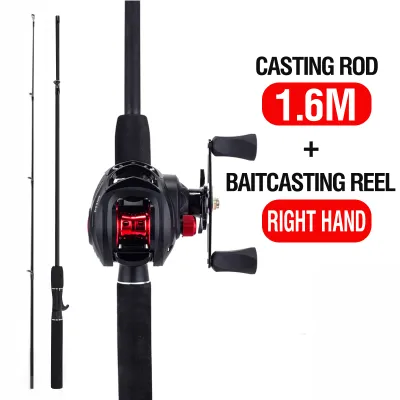
For general local use, a spinning reel paired with a medium-light or medium power rod is highly recommended. Spinning reels are incredibly beginner-friendly because they feature an open-spool design that minimizes line twists and backlashes. Unlike baitcasting reels, which require precise thumb control to prevent bird’s nests, spinning reels allow for intuitive casting. A reel size in the 2000 to 3000 range is versatile enough to handle light freshwater lures as well as heavier bait setups at coastal jetties.
Rod action is another specification to consider. A “Fast” or “Moderate-Fast” action rod bends primarily near the tip, offering excellent sensitivity to feel subtle fish bites. This sensitivity is incredibly helpful for beginners who are still learning to distinguish between a fish strike and the rod bumping against underwater rocks or vegetation. It also provides a solid backbone for setting the hook effectively.
How to Evaluate and Compare Entry-Level Rod Set Brands
When looking for a fishing rod set, you will generally choose between established international brands and reputable house brands found at local tackle shops. International brands like Shimano, Daiwa, Penn, and Abu Garcia are known for consistent quality control and standardized manufacturing. They invest heavily in research and development, meaning even their entry-level gear benefits from trickle-down technology. On the other hand, local tackle shop house brands are often designed specifically for Singapore’s unique fishing conditions and can offer exceptional value for money.
Warranty support and the availability of replacement parts are crucial when evaluating brands. Beginner gear is prone to wear and tear, and accidents happen. Before purchasing, verify if the brand has an active local distributor in Singapore. A strong local presence means you can easily source replacement rod tips, reel handles, bail springs, or drag washers. If a brand lacks local support, a minor broken component could force you to discard the entire set.
It is also important to assess the actual usability of any included accessories. Many beginner sets come pre-spooled with monofilament line. While convenient, cheap pre-spooled line often suffers from high memory, meaning it retains the coiled shape of the spool, leading to frequent tangles during casting. If the included line feels stiff or wire-like, consider asking the tackle shop to replace it with a fresh spool of high-quality monofilament or braided line. Similarly, inspect any included terminal tackle to ensure the hooks are sharp and the swivels rotate smoothly.
Purchasing Channels and Essential Pre-Buy Inspections
While online marketplaces offer convenience and competitive pricing, visiting a physical local tackle shop is highly advantageous for beginners. Physical shops allow you to hold the rod, feel its weight and balance, and test the reel’s operation. Furthermore, local tackle shop owners and staff are invaluable sources of information. They can provide localized advice on the best rigs, baits, and spots to target based on current fishing conditions in Singapore.
Before finalizing your purchase, whether in-store or upon receiving an online delivery, perform a thorough physical inspection of the fishing rod set. This ensures you detect any manufacturing or shipping defects before heading to the water.
- Inspect the Rod Guides: Run your finger gently along the inside of each ceramic guide insert. Check for any hairline cracks, chips, or rough edges. Damaged guides will quickly fray and snap your fishing line under tension.
- Check the Reel Seat: Mount the reel onto the rod and tighten the locking nut. Ensure the reel foot sits securely in the hood without any wobbling, slipping, or play.
- Verify Blank Integrity: Assemble the rod fully and hold it parallel to the ground. Gently flex the rod tip against a soft surface while listening closely. Any creaking, popping, or clicking sounds can indicate internal fractures in the blank.
- Test Reel Smoothness: Turn the reel handle several times. The rotation should feel smooth and silent, without any grinding, catching, or resistance. Engage the anti-reverse switch to ensure the handle stops instantly without slipping backward.
- Check the Drag System: Tighten the drag knob and pull line off the spool by hand. The line should release smoothly and consistently without jerking. Listen for a clear, sharp clicking sound from the drag clicker.
Finally, always confirm the seller’s return policies and product authenticity guarantees. This is especially important when buying online, as shipping damage can occasionally occur. Ensuring you have a clear path for exchanges or refunds protects your investment and guarantees you start your hobby with fully functional gear.
Frequently Asked Questions (FAQ)
Should I choose a saltwater or freshwater rod set for starting out?
If you plan to fish in both environments, you should prioritize a saltwater-rated fishing rod set. Saltwater is highly corrosive and will quickly ruin gear designed strictly for freshwater use. Saltwater-rated sets feature corrosion-resistant materials, such as stainless steel or anodized aluminum guides, and sealed or shielded reel bearings.
Regardless of the rating, establishing a strict post-fishing cleaning routine is essential. Even the best saltwater gear will corrode over time if left unwashed. If you plan to fish exclusively in freshwater reservoirs, a standard freshwater set is perfectly adequate and often lighter in weight.
What is a realistic budget for a durable beginner fishing rod set?
In Singapore, a reliable and durable beginner fishing rod set typically costs between S$40 and S$120. Sets priced below S$30 often compromise on material quality, utilizing fragile plastics and low-grade metals that fail quickly under load. Spending within the S$40 to S$120 range ensures you receive a robust setup capable of handling local fish species while surviving the learning curve.
When planning your budget, remember to account for essential supplementary gear. You will need to allocate an additional S$15 to S$30 for terminal tackle (hooks, sinkers, swivels), a pair of line cutters, and a basic tackle box to organize your gear.
How do I maintain my rod set after a day of fishing?
Proper maintenance is key to extending the lifespan of your entry-level gear. After every fishing trip, especially in saltwater, gently rinse the entire rod and reel with clean, lukewarm fresh water. Avoid using high-pressure hoses, as the force can push salt, sand, and water deep into the reel’s internal gears.
Once rinsed, wipe down the gear with a soft, dry cloth and allow it to air dry completely in a shaded, well-ventilated area before storing it away. Before storage, back off the reel’s drag tension slightly to prevent the drag washers from compressing and losing their effectiveness. Periodically inspect the first few meters of your fishing line for fraying or nicks, and cut away any damaged sections to prevent line breakage on your next outing.
Community discussion
Share your experience or ask a question. Comments are reviewed before publication.