
Selecting the right bicycle handphone mount for Singapore’s Park Connector Network (PCN) depends on your riding style, budget, and how often you need to detach your phone. For casual, occasional riders, a flexible silicone strap mount offers a cost-effective, shock-absorbing solution that fits almost any device. If you ride long distances at higher speeds or frequently traverse bumpy transitions, a mechanical clamp mount provides a highly secure, rigid hold. For those who stop often to take photos, buy drinks, or check maps, a magnetic mount system offers excellent convenience and speed. Balancing these factors ensures your device remains secure while you enjoy your ride.
Understanding PCN Cycling Conditions and Mount Requirements
Singapore’s Park Connector Network offers a scenic and well-maintained environment for cyclists, but it presents unique physical challenges that affect how you should secure your phone. The paths consist of a mix of smooth asphalt, concrete slabs, wooden boardwalks, and metal bridge expansion joints. While generally flat, these surfaces feature regular speed bumps near pedestrian zones, tactile paving, and sudden transitions that transmit sharp vibrations directly through your bicycle frame to the handlebars.
The local tropical climate is another critical factor to consider when choosing your equipment. High humidity and intense daily ultraviolet (UV) exposure can accelerate the wear of plastics, rubbers, and adhesives. Sudden, heavy tropical downpours are common, meaning your mounting setup must either protect your phone or allow you to remove it instantly to store it away in a waterproof bag.
Products mentioned in this guide
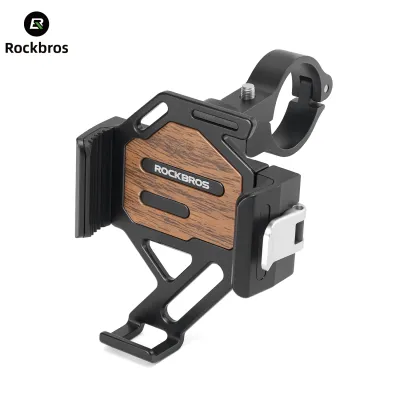
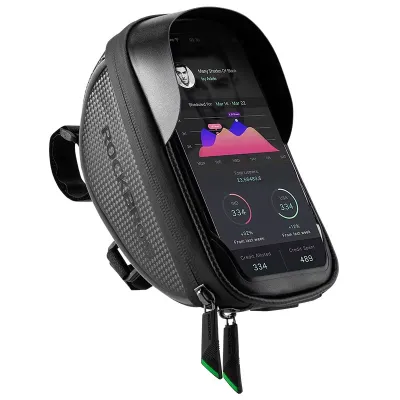
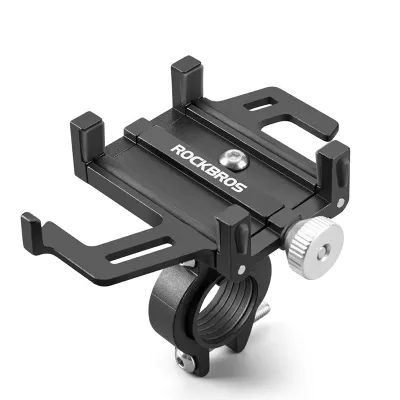
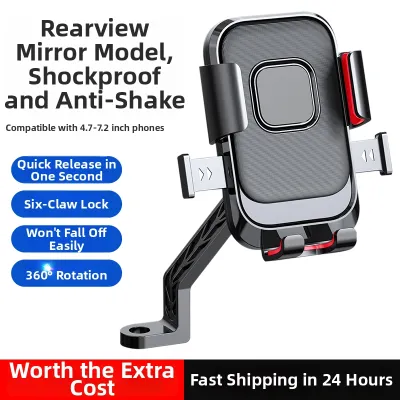
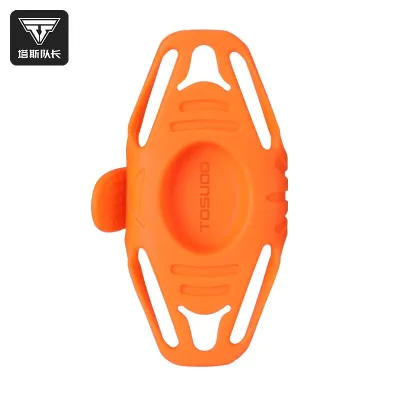
Prices are valid at publication and may change. Please refer to the product page for the latest price.
Your riding style also dictates your mounting needs. Recreational PCN cycling is rarely a continuous, high-speed effort. It involves navigating shared paths, slowing down for pedestrians, and stopping at scenic checkpoints or cafes. A mount that is too difficult to operate can become a constant source of frustration during a leisurely weekend ride.
Comparing Phone Mount Mechanisms for PCN Use
To find the right balance of safety and convenience, you must evaluate how different mounting mechanisms perform under real-world PCN conditions. Each design handles vibrations, weather exposure, and daily usability differently.

Silicone Strap Mounts
Silicone strap mounts feature highly elastic bands that stretch over the four corners of your phone, securing the device to a base mounted on your handlebars. This design is highly valued for its universal compatibility, easily stretching to accommodate various phone sizes and thick protective cases without requiring specific adapters.
Vibration Absorption The primary advantage of silicone is its natural elasticity, which acts as a shock absorber. It dampens high-frequency road vibrations from rough asphalt and concrete joints, protecting your phone’s internal camera components from excessive shaking.
Material Longevity However, silicone is highly susceptible to environmental degradation. Constant exposure to Singapore’s intense sun and humidity can cause the material to dry out, lose its elasticity, or develop micro-tears over time. You must inspect the straps regularly for signs of cracking to prevent sudden failure during a ride.
Screen and Port Access Another trade-off is screen obstruction. Because the straps wrap over the corners of your device, they can block face-recognition sensors, corner navigation buttons, or headphone jacks. You may need to adjust the straps slightly to maintain full access to your screen.
Mechanical Clamp Mounts
Mechanical clamp mounts use rigid plastic or metal jaws that physically grip the sides or corners of your phone, often tightened with a screw mechanism, a spring-loaded clamp, or a locking lever. This category is the standard choice for riders seeking high physical security.
Grip Security These mounts offer exceptional stability over speed bumps, curbs, and uneven bridge transitions. Once locked in place, the physical barrier prevents the phone from slipping, making it virtually impossible for the device to fall off due to road vibrations alone.
Usability and Weight The trade-off for this security is bulk and weight. Mechanical clamps are typically larger and heavier than silicone or magnetic alternatives. Mounting and removing your phone usually requires two hands to operate the release mechanism, which can slow you down if you like to take frequent photos along the route.
Case Compatibility You must also check the physical dimensions of the clamp. Thick rugged cases, wallet cases, or phones with ring holders attached to the back may not fit within the depth limits of the clamp jaws. Forcing a thick case into a rigid clamp can damage either the mount or your phone.
Magnetic Mount Systems
Magnetic mount systems utilize a specialized magnetic interface on the handlebar mount that snaps onto a matching magnetic plate or case on the back of your phone. This design prioritizes speed and ease of use above all else.
Mounting Speed The main appeal of a magnetic system is the effortless attachment. You can mount or remove your phone with a single hand in less than a second, making it incredibly convenient for quick stops at PCN cafes, water points, or scenic photo spots.
Holding Power and Alignment While modern magnetic mounts offer strong holding power, their security relies on precise alignment. A clean, direct connection is necessary to maintain full magnetic strength. Sharp, unexpected jolts over high speed bumps can occasionally dislodge the phone if the magnetic connection is compromised by dirt or improper alignment.
System Requirements These systems require you to use a specific phone case or adhere a metal plate directly to your existing case. You must verify that the placement of the metal plate does not interfere with your phone’s wireless charging capabilities or internal compass sensors used for navigation.
How to Choose, Install, and Verify Your Mount
Selecting the right mount is only the first step; proper installation and regular verification are essential to protect your device and ensure a safe ride on the PCN.
The Selection Matrix
- Choose Silicone Strap Mounts if you are a casual rider who wants an affordable, simple solution for short weekend trips and prefers not to change your existing phone case.
- Choose Mechanical Clamp Mounts if you ride long distances for fitness, maintain higher speeds, and prioritize physical security over quick access.
- Choose Magnetic Mount Systems if you value convenience, stop frequently to take photos or navigate, and do not mind using a dedicated case or adhesive plate.
Pre-Ride Safety and Installation Checks Before heading out onto the PCN, perform these essential checks to ensure your equipment is secure:
- Handlebar Diameter: Ensure the mount bracket matches your handlebar size. Use the included rubber spacers to create a tight, non-slip grip that prevents the mount from rotating when you press the phone's screen.
- The Shake Test: Once installed, mount your phone and give the handlebars a firm but gentle shake over a soft surface, such as grass or a rug, to verify that the phone remains locked in place.
- Fastener Tightness: Regularly inspect the mounting bolts or plastic straps. Road vibrations can gradually loosen threaded fasteners over time, so tighten them periodically.
Weatherproofing and Safety Limits Always check the manufacturer’s specifications for material weather resistance. Metal components should be rust-resistant, and plastic parts should have UV-resistant coatings. Remember that a phone mount is a convenience tool for navigation and tracking; it does not replace active rider attention. Never operate your phone or read detailed maps while actively pedaling on shared paths, as this increases the risk of collisions with pedestrians and other cyclists. If you need to check your route, pull over safely to the side of the path and come to a complete stop.
Frequently Asked Questions (FAQ)
Do I need a waterproof phone mount for PCN cycling?
You do not strictly need a waterproof mount, but you must have a plan for Singapore’s sudden rain showers. If your phone has a high water-resistance rating (such as IP68), an open mount is generally fine for light rain, though you should dry the ports afterward. For non-water-resistant phones, a mount that accommodates a fully enclosed waterproof pouch is safer. However, be aware that enclosed plastic pouches can trap heat under the intense tropical sun, which may cause your phone to overheat and shut down. Carrying a compact, sealable waterproof bag in your pocket to store your phone during heavy downpours is often the most practical solution.
Can I use my existing car magnetic mount on my bicycle?
No, you should not use a car magnetic mount on a bicycle. Car mounts are designed for the stable, enclosed environment of a vehicle cabin, where vibrations are minimal and forces are primarily lateral. Bicycles experience direct, high-frequency road vibrations and sharp vertical impacts from speed bumps and uneven paths. A car mount lacks the mechanical locking features or high-strength magnetic arrays required to withstand these forces, and using one on a bicycle carries a high risk of your phone falling off and sustaining severe damage.
Community discussion
Share your experience or ask a question. Comments are reviewed before publication.