
To safely navigate Singapore’s Park Connector Network (PCN) at night, you need a versatile bike light setup that balances path illumination with pedestrian safety. A dual-light configuration—consisting of an adjustable front light with a clean beam cut-off and a wide-angle rear light—ensures you can see dark stretches of the path while remaining highly visible to others without blinding them. This setup allows you to adapt to the rapidly shifting lighting conditions across different park connectors while keeping yourself and other path users safe.
Understanding the PCN Night Riding Environment
Singapore’s Park Connector Network (PCN) is a massive, interconnected web of shared paths that links residential estates, parks, and coastal areas. Cycling on the PCN at night offers a cooler, highly enjoyable alternative to daytime riding, but it presents unique environmental challenges. The ambient lighting across the network is highly inconsistent. Some stretches, such as the Marina Bay Loop or well-developed sections of East Coast Park, are brightly illuminated by streetlamps and urban lights. In contrast, other segments, like parts of the Rail Corridor, rustic northern routes, or heavily tree-canopied park connectors, plunge into near-total darkness once the sun sets.
Furthermore, the PCN is a shared-path system. Unlike dedicated, closed-off cycling tracks, you will share these narrow paths with runners, slow-moving pedestrians, families pushing strollers, and personal mobility device (PMD) users. This high density of diverse path users means your choice of lighting directly impacts the safety and comfort of everyone around you. An overly bright, poorly aimed front light can easily blind oncoming pedestrians, creating a hazard rather than preventing one.
Products mentioned in this guide
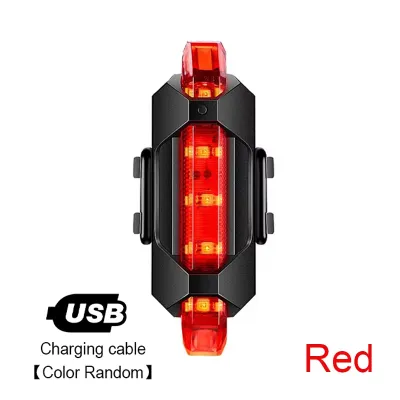
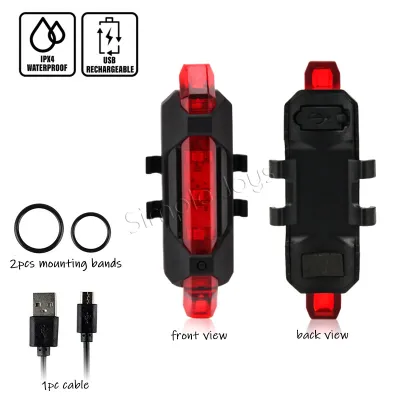
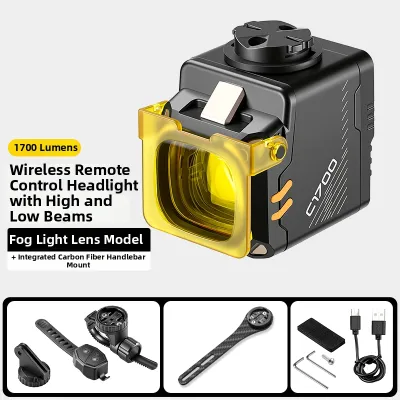
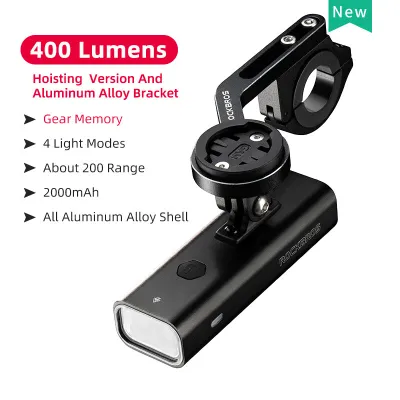
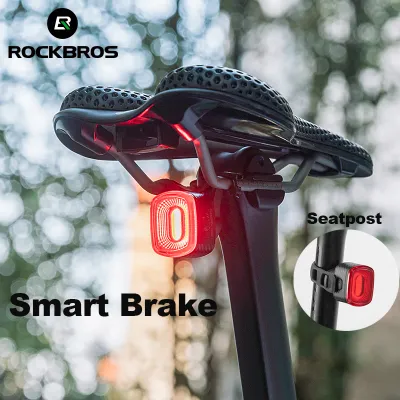
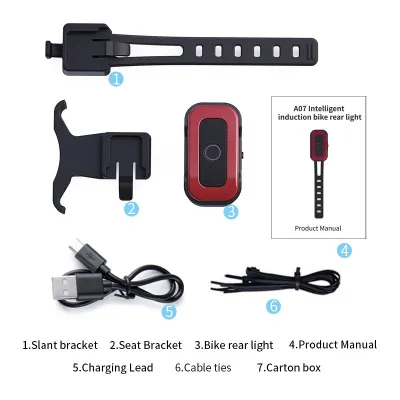
Prices are valid at publication and may change. Please refer to the product page for the latest price.
Finally, Singapore’s tropical climate plays a major role in how you should select your equipment. The region experiences high humidity year-round and sudden, heavy downpours that can occur with little warning. Your lighting gear must be robust enough to handle high moisture levels and heavy rain without failing mid-ride, ensuring you are never left stranded in the dark.
Choosing the Right Front Bike Light for Shared Paths
Selecting a front bike light for the PCN requires finding a balance between raw power and visual courtesy. Lumens measure the total amount of light emitted by a source, and your lumen requirements will change depending on where you ride. For well-lit urban PCN paths, a front light operating at 150 to 300 lumens is generally sufficient to make you visible to others. However, when transitioning to unlit, heavily forested, or rustic sections of the network, you will require a front light capable of producing 400 to 800 lumens to clearly see obstacles, tree roots, or sudden bends.

Rather than buying a light with a single, high-output setting, check manufacturer specifications for adjustable brightness levels. This allows you to toggle down the output in bright areas to conserve battery life, and boost it only when entering dark zones.
The shape of the beam is just as important as its brightness. Standard flashlight-style beams project a symmetrical cone of light that scatters in all directions, including upward into the eyes of oncoming pedestrians. For shared paths, look for front lights designed with a shaped beam or a distinct cut-off line, often compliant with German StVZO standards. These lenses direct the light downward onto the path surface, illuminating your path while keeping the glare out of other people’s eyes.
If a cut-off beam is unavailable, a wide flood beam is preferable to a narrow spot beam. A flood beam provides better peripheral vision, helping you spot pedestrians stepping off the grass or navigating sharp, winding corners on the PCN.
Ensure your front light features multiple modes, including a steady low, steady high, and a gentle pulse or flash mode. Pulse modes are highly effective for daytime visibility or twilight riding in well-lit areas, but they should be switched to a steady beam in dark, unlit sections to help others judge your distance and speed accurately.
Rear Lights: Maximizing Visibility to Others
While the front light helps you see, the rear light is strictly about being seen. It acts as your primary defense against rear-end collisions from faster cyclists, PMD riders, or vehicles at path crossings.
When riding along highly populated, brightly lit urban stretches of the PCN, a flashing mode is excellent for cutting through visual clutter and grabbing attention. However, when you enter dark, quiet park sections, a flashing light can be disorienting to cyclists riding closely behind you. In these darker environments, a steady rear light mode is highly recommended, as it allows others to easily track your movement, judge your speed, and maintain a safe following distance.
Many PCN paths intersect with driveways, minor roads, and other paths. A rear light with a narrow beam can easily be missed from the side. Look for models that offer wide-angle visibility, ideally 180 to 270 degrees of light dispersion, using curved lenses or side-facing LEDs. This ensures you remain visible to cross-traffic at intersections.
When choosing a rear light, verify the manufacturer’s stated visibility distance and candela ratings on the packaging. While front lights are judged by raw lumens, rear lights rely heavily on how effectively their optics focus light toward those behind you. A high-quality rear light should be visible from at least 500 meters away in clear night conditions.
Weatherproofing, Power, and Secure Mounting
To ensure your lights survive Singapore’s weather and stay securely attached, you must evaluate their build quality, power source, and mounting mechanisms.
Battery and Charging To avoid being stranded in the dark, match the manufacturer’s stated battery runtime at your preferred lumen setting with your typical ride duration. If your average night ride on the PCN lasts two hours, select a light that can run for at least three to four hours on its medium or high setting. This provides a safe buffer for unexpected detours or slower paces. Look for lights utilizing standardized USB-C charging ports, which allow you to easily top up your lights at home, in the office, or even via a portable power bank during a rest stop at a PCN pit stop or food center.
Weather Resistance Singapore’s tropical downpours can strike with little warning. Check the Ingress Protection (IP) rating on the product packaging. An IPX4 rating offers basic protection against splashes from any angle, which is fine for light drizzle. However, for reliable performance during sudden, heavy tropical rainstorms, look for lights rated IPX5 (resistant to water jets) or IPX6 (resistant to powerful water jets).
Mounting Systems A secure mount is crucial for both convenience and safety. Look for tool-free, quick-release mounting brackets. These allow you to easily slide the lights off your bike when parking at MRT stations, active-travel hubs, or shopping malls, protecting your investment from theft. The mounting straps—whether heavy-duty silicone bands or screw-on plastic brackets—must be robust enough to prevent the light from bouncing or slipping downward when riding over tactile paving, speed bumps, or uneven wooden boardwalks along the PCN.
Assembling Your Setup and Path Etiquette
A balanced PCN setup pairs an adjustable front light (capable of 400-800 lumens with a clean cut-off beam) with a wide-angle rear light (featuring both steady and flashing modes). Together, these tools keep you safe, visible, and respectful of other path users.
Before setting off on any night ride, perform a quick pre-ride check:
- Verify that both front and rear lights are fully charged.
- Ensure the mounting brackets are tightly secured to your handlebars and seatpost.
- Test the light modes to confirm they are functioning correctly.
When riding, always point your front light slightly downward toward the ground, roughly 5 to 10 meters ahead of your front wheel. This ensures the brightest part of the beam illuminates the path surface rather than shining directly into the eyes of oncoming pedestrians or cyclists. If you are riding in a group or navigating highly populated, dark park stretches, dim your front light to its lower steady setting and switch off any aggressive strobe or high-frequency flashing modes. This simple act of courtesy prevents visual fatigue and distraction for those sharing the path with you, fostering a safer and more pleasant environment for everyone.
Frequently Asked Questions (FAQ)
Are reflectors enough for night cycling on the PCN?
Reflectors are passive safety devices that do not generate their own light; they only function when an external light source, such as a car headlight or another cyclist’s front beam, shines directly on them. Because many sections of the PCN are completely unlit and populated by pedestrians who do not carry lights, reflectors alone are entirely inadequate. Active front and rear lights are essential to illuminate your path and ensure you are consistently visible to all trail users, regardless of ambient lighting.
Do I need a helmet light in addition to my bike lights?
For standard night riding on the relatively flat, paved surfaces of Singapore’s PCN, a high-quality handlebar-mounted front light and a seatpost-mounted rear light are more than sufficient. Helmet lights are primarily designed for technical mountain biking or off-road trails where riders must see around sharp corners or look in directions independent of where the bicycle is steering. On the PCN, a helmet light can easily blind pedestrians and oncoming cyclists whenever you turn your head to look at them, making it unnecessary and potentially disruptive.
Community discussion
Share your experience or ask a question. Comments are reviewed before publication.