
Cycling along Singapore’s extensive Park Connector Network (PCN) offers a fantastic way to explore the island, but the tropical climate presents a constant challenge: relentless heat and high humidity. To sustain your energy and safety over hours of riding, choosing the right bike water holder setup is critical. The optimal configuration for long PCN rides combines a dual frame-mounted cage system with strategic secondary mounts, ensuring you can carry at least 1.5 to 2 liters of fluids without compromising your bicycle’s handling.
While standard rides might only require a single bottle, tackling major routes like the Round Island Route (RIR) demands a more robust approach. Your setup must balance weight distribution, accessibility, and security against the occasional bumps and vibrations of the trail. By understanding the limits of your frame and your personal sweat rate, you can customize a hydration system that keeps you riding comfortably from East Coast Park to the Jurong Lake Gardens.
Assessing Your Hydration Needs for the PCN
Singapore’s tropical climate features consistent temperatures hovering around 30°C to 33°C, accompanied by relative humidity levels that frequently exceed 80 percent. In these conditions, your body relies heavily on sweating to cool down, but high humidity limits sweat evaporation, accelerating fluid loss. Cyclists on long PCN journeys can easily lose between 500ml and 1,000ml of fluid per hour of moderate-to-intense riding.
Products mentioned in this guide
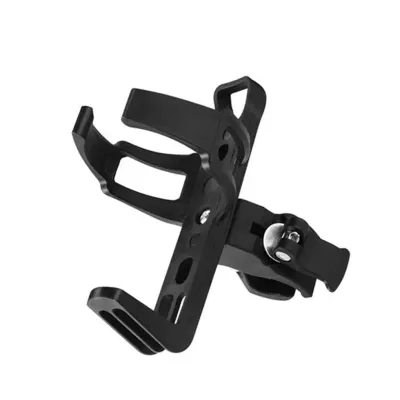
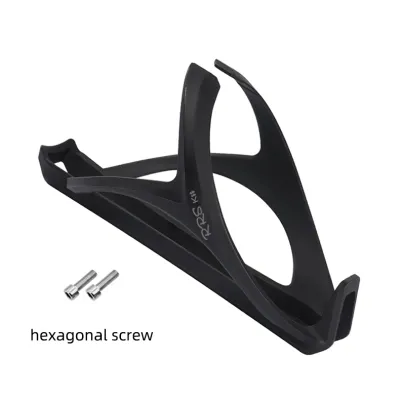
![Universal Water Bottle Holder Mount Adjustable Bicycle Water Bottle Rack Cage Holder for MTB Stroller Motorcycle [SG Seller]](https://img.lazcdn.com/g/p/4cb684463010121cabf85a1b25a4329a.jpg_400x400q80.jpg_.webp)
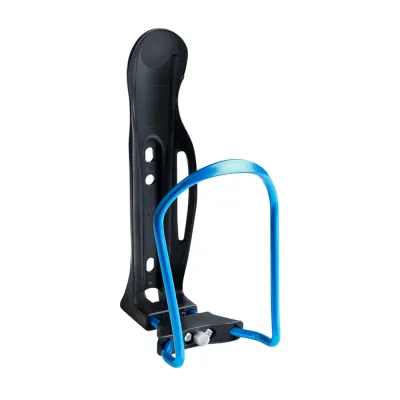
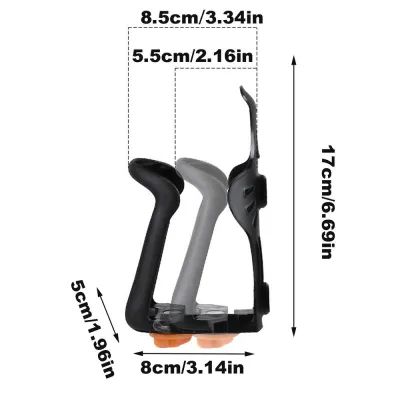
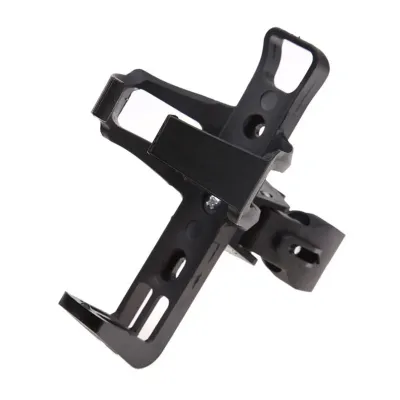
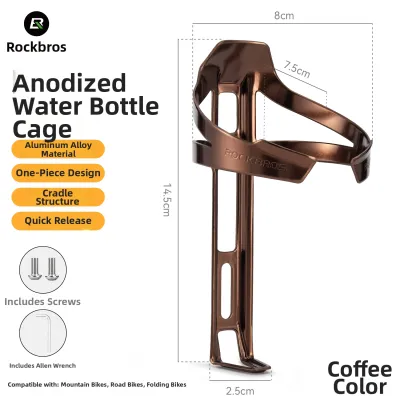
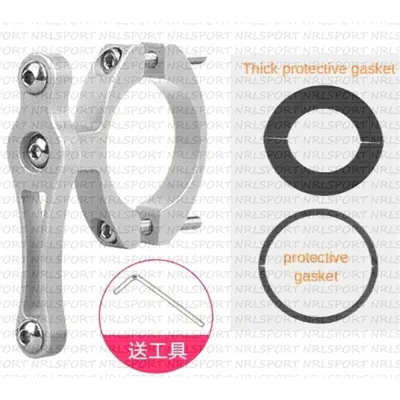
Prices are valid at publication and may change. Please refer to the product page for the latest price.
Failing to replace these fluids leads rapidly to dehydration, which degrades muscle performance and increases the risk of heat exhaustion. Before setting off, you should recognize the warning signs of severe heat stress: dizziness, a sudden cessation of sweating, muscle cramps, or a rapid heart rate. If you experience any of these symptoms, you must stop riding immediately, seek shade, sip water, and rest; no hydration gear can substitute for physical training and self-awareness.
The PCN offers a unique cycling environment with long, continuous stretches of paved paths, but the distance between hydration sources varies significantly. While some sections run adjacent to commercial hubs, food centres, or public parks with water coolers, other stretches—such as the Changi Jurassic Mile or parts of the northern loops—have sparse amenities. Planning a baseline capacity of at least 1.5 liters allows you to bridge these gaps safely without constantly worrying about your next refill point.
To calculate your specific needs, monitor your fluid intake on shorter rides. If you find yourself finishing a standard 750ml bottle within 45 minutes, your setup must accommodate at least two large bottles for a two-hour excursion. Adjust your carrying capacity upward if you plan to ride during the peak heat of the midday sun, or if your route takes you far from MRT stations and convenience stores.
Frame-Mounted Cages: The Standard Bike Water Holder Foundation
The traditional frame-mounted bike water holder remains the gold standard for most cyclists, utilizing the threaded eyelets (or bosses) pre-installed on your bike’s frame. Typically, these mounts are positioned on the downtube and the seat tube, placing your bottles within the main triangle of the frame. This positioning is ideal because it keeps the heavy weight of the water low and centered, preserving your bicycle’s natural handling and stability.

Accessing a bottle from the main triangle is highly intuitive and can be done safely with one hand while keeping your eyes on the path ahead. This is a crucial safety factor on the PCN, where you must remain alert to sudden stops from pedestrians, personal mobility device users, and other cyclists. Furthermore, keeping bottles inside the frame triangle shields them from wind resistance, offering a minor aerodynamic benefit on exposed coastal paths.
However, frame-mounted setups face physical limitations depending on your bicycle’s design. Small frame sizes, step-through commuter designs, and full-suspension mountain bikes often lack the clearance to host two large bottles. In some cases, a standard 750ml bottle may hit the top tube or the rear shock absorber during insertion or removal. To overcome this, you can install side-entry cages, which allow you to slide the bottle out horizontally rather than pulling it straight up.
When selecting a frame cage, prioritize high-retention designs with adjustable tension or flexible wings. The PCN features numerous speed bumps, drainage grates, and transition ramps between park connectors and public roads. A loose or low-quality cage can easily allow a heavy, full bottle to eject when you roll over these obstacles, creating a safety hazard for you and the riders behind you. Verify the cage’s grip tension with your preferred bottle before setting off on a long ride.
Expanding Capacity: Alternative Mounting Positions
When your frame triangle cannot accommodate enough water for a multi-hour ride, or if your bicycle lacks integrated mounting bosses, you must look to alternative mounting positions. Expanding your capacity strategically ensures you do not have to cut your ride short or carry a heavy, sweat-inducing backpack.
Behind-the-Saddle and Seatpost Mounts
Mounting a bike water holder behind your saddle is a popular solution derived from triathlons, offering an aerodynamic way to carry one or two additional bottles. These systems attach directly to your saddle rails or clamp around your seatpost, positioning the bottles directly in the slipstream behind your body. This setup is particularly valuable for riders with small frames who cannot fit a second bottle inside the main triangle.
While behind-the-saddle mounts excel at carrying extra volume, they require practice to use safely. Reaching behind your back to retrieve or replace a bottle alters your center of gravity and can cause you to swerve if you are not careful. It is highly recommended to use these rear holders as reservoir storage; use them to refill your primary, easily accessible frame bottle during a brief stop, rather than attempting to drink from them while moving on a busy PCN lane.
Handlebar and Fork Mounts
For casual riders, commuters, and bikepackers, the front of the bicycle offers highly accessible mounting locations. Handlebar-mounted bottle cages or fabric feed bags attach directly to your handlebars or stem, placing your hydration directly in your line of sight. This position makes it incredibly easy to grab a drink without leaning down, which is helpful when navigating crowded urban sections of the PCN.
If your bicycle is designed for touring or gravel riding, it may feature mounting bosses on the fork legs. Installing cages here allows you to carry large bottles low on the front wheel, which helps stabilize the steering compared to mounting heavy weight high on the handlebars.
The primary trade-off with front-mounted options is their impact on your bicycle’s steering dynamics. Adding one or two kilograms of water to your handlebars or fork increases steering inertia, making the front end feel heavier and slower to respond. Additionally, front-mounted bottles are fully exposed to the wind, which can increase drag on breezy coastal stretches, and they may interfere with headlight placement or handlebar-mounted bags.
Selecting Bottles and Cages for a Tropical Climate
Operating in Singapore’s high humidity and heat means your equipment must withstand constant moisture and prevent your drinks from rapidly warming to ambient temperature. Selecting the right materials for both your bottles and your cages will directly impact your comfort and the longevity of your gear.
Standard single-wall plastic bottles are lightweight and inexpensive, but they offer virtually no thermal protection, turning cold water lukewarm within thirty minutes of riding. To combat this, invest in double-wall insulated cycling bottles. These bottles utilize a layer of air or specialized foam insulation to slow down heat transfer, keeping your water cool for significantly longer. Keeping your fluids cold is not just a matter of comfort; cool water is absorbed more rapidly by your body, helping to regulate your core temperature more effectively.
Another benefit of insulated bottles is the reduction of exterior condensation. In high humidity, cold single-wall bottles will sweat profusely, dripping water onto your frame, bottom bracket, and shoes. While modern bicycle frames are designed to handle moisture, persistent dripping can wash away chain lubricant or accelerate corrosion on steel components and bolts.
For cage materials, you generally have three choices: nylon composite, aluminum alloy, and carbon fiber. Nylon composite cages are highly recommended for tropical riding because they are affordable, resistant to UV damage, and do not corrode when exposed to sweat or rain. Aluminum cages are classic and adjustable, but cheap alloys can corrode or leave dark oxide marks on your bottles over time. Carbon fiber cages offer the ultimate weight savings and excellent grip strength, but they come at a premium price and are less forgiving if you accidentally bend them during a fall.
On-Trail Hydration Strategy and Gear Maintenance
Having the perfect bike water holder setup is only effective if you use it correctly and maintain your gear to prevent health hazards. A proactive hydration strategy and a strict cleaning routine will ensure your long rides on the PCN remain safe and enjoyable.
Do not wait until you feel thirsty to take a drink, as thirst is a late-stage indicator of mild dehydration. Instead, establish a structured drinking schedule, such as taking two or three small sips every 15 minutes. Utilizing a bike computer with a timer alarm can serve as an excellent reminder to drink consistently, helping you manage your fluid levels smoothly throughout your journey.
Integrate the geography of the PCN into your hydration planning. Familiarize yourself with major park hubs that feature public amenities, such as East Coast Park’s Marine Cove, the Punggol Settlement, or Bishan-Ang Mo Kio Park. These locations offer clean water coolers, public restrooms, and convenience stores where you can restock your bottles with fresh, cold water or electrolyte drinks.
Singapore’s persistent humidity creates an ideal breeding ground for mold, mildew, and bacteria, particularly inside the dark, damp confines of your water bottles. After every ride, empty any remaining liquid immediately and wash your bottles, caps, and bite valves with warm, soapy water. Use a bottle brush to reach the bottom of the container, and pay close attention to the crevices inside the pull-spout or nozzle.
Allow all components to air-dry completely in a well-ventilated area before assembling and storing them. If you notice persistent odors or black spots forming inside the bite valve that cannot be cleaned, replace the valve or the entire bottle immediately to avoid consuming harmful bacteria.
Frequently Asked Questions (FAQ)
Can I use a hydration pack instead of bottle cages on the PCN?
While hydration packs offer large capacities—often between 1.5 to 3 liters—and convenient, hands-free drinking, they are generally less comfortable for long rides on the PCN. Wearing a pack directly against your back restricts airflow, leading to excessive back sweat and heat retention in Singapore’s tropical climate. For paved, urban riding where water refills are relatively accessible, frame-mounted cages and bottles are preferred as they keep your body ventilated and cool. Save the hydration pack for off-road mountain biking trails where rough terrain makes grabbing a bottle difficult.
How do I prevent my water from getting warm in Singapore's heat?
The most effective way to keep your water cold is to use high-quality, double-wall insulated cycling bottles. To maximize their performance, fill the bottles halfway with water and freeze them overnight (leaving the caps off), then top them up with cold water before you head out. Alternatively, fill your bottles with large ice cubes before adding chilled water. When taking rest breaks along the PCN, try to park your bicycle in shaded pavilions or under trees to keep your bottles out of direct sunlight.
Community discussion
Share your experience or ask a question. Comments are reviewed before publication.