
For beginner golfers in Singapore, protecting your equipment is just as important as learning the fundamentals of the swing. The blade putter is often the most tactile and sensitive club in your bag, relying on a pristine face to deliver a consistent, smooth roll on the greens. When selecting a blade putter cover, the best options for beginners are durable synthetic leather (polyurethane) covers featuring secure magnetic closures. These covers offer the optimal balance of weather resistance against Singapore’s tropical humidity, robust protection against bag chatter, and ease of use during a round. By focusing on practical factors like closure security, inner lining softness, and a snug fit, you can safeguard your club without overspending on luxury accessories.
Why Your Blade Putter Needs a Dedicated Cover
Blade putters are characterized by their classic, slim profiles, often featuring a milled face, sharp edges, and a distinct toe-weighted design. This contrasts sharply with mallet putters, which are larger, more bulbous, and inherently possess higher moment of inertia (MOI) shapes that sometimes utilize integrated, heavy-duty alignment wings. Because a blade putter has a much more compact head, its surface area is highly concentrated, and any impact can easily compromise its precise loft and lie angles. The delicate face milling—microscopic grooves designed to grab the golf ball and initiate an immediate forward roll rather than a skid—is highly susceptible to damage.
When you walk the fairways of a local course or transport your bag in a car trunk, your clubs constantly shift. This movement causes “bag chatter,” where the heavy steel heads of your irons and wedges repeatedly strike the softer metal of your putter. Without a dedicated blade putter cover, these impacts lead to unsightly dings, deep scratches, and microscopic dents on the putter face. For a beginner working to establish a repeatable putting stroke, a damaged face introduces unpredictable deviation. A tiny nick on the sweet spot can cause the ball to launch offline or skid off the face, making it incredibly difficult to develop distance control and green-reading confidence.
Products mentioned in this guide
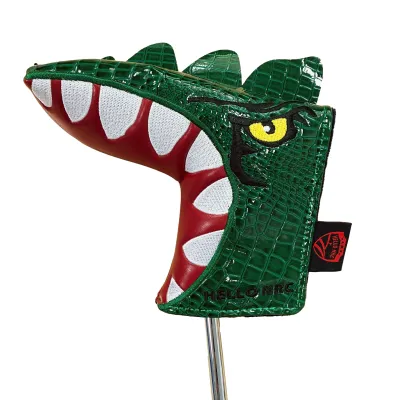
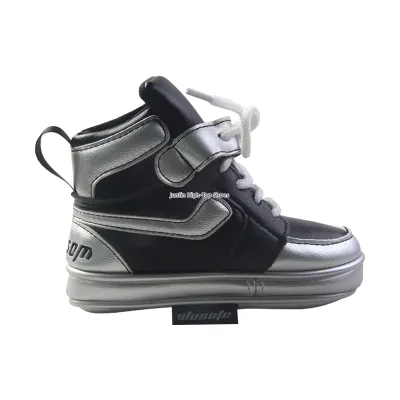
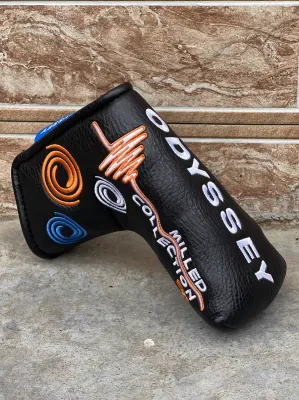
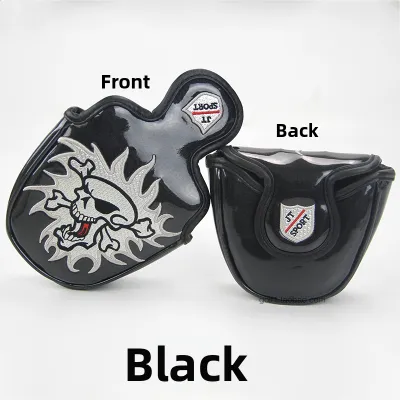
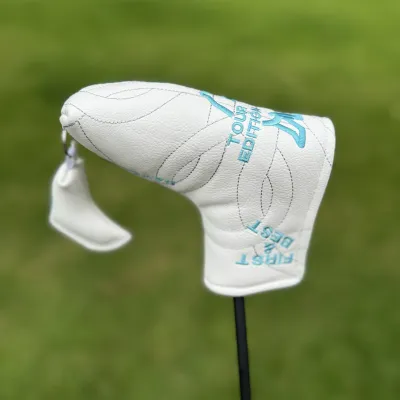
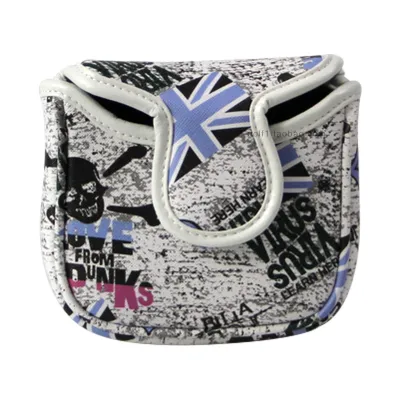
Prices are valid at publication and may change. Please refer to the product page for the latest price.
Furthermore, maintaining your equipment in excellent condition preserves its resale value. Many golfers start with entry-level or mid-range blade putters before upgrading as their skills develop. A putter that has been protected by a headcover from day one can easily be resold or traded in at local golf shops. Buyers look closely at the face and sole of used putters; a clean, scratch-free blade commands a significantly higher price than one marred by bag chatter, making a modest investment in a cover highly cost-effective over time.
Key Features to Evaluate in an Entry-Level Putter Cover
Choosing your first blade putter cover requires looking past flashy designs to evaluate the core engineering features that dictate real-world performance.

Material Durability The exterior material of the cover acts as the primary shield against impacts and environmental elements. For beginners, high-quality polyurethane (PU) synthetic leather is the industry standard. It provides excellent tear resistance, does not stretch out of shape easily, and holds up well against repeated handling. When evaluating a cover, inspect the quality of the stitching. Look for double-stitched seams along the edges and corners, as these are the high-wear areas that rub against other clubs in the bag. Avoid cheap, single-stitched nylon covers that can fray rapidly after just a few rounds.
Closure Mechanisms The method used to secure the cover onto the putter head is critical for both convenience and security.
- Magnetic Closures: These are highly recommended for beginners. They utilize strong, hidden magnets sewn into the lining to snap the cover shut. They are incredibly durable, operate silently on the green, and do not lose their holding power over time.
- Velcro (Hook-and-Loop) Closures: While common and highly secure when new, Velcro has a finite lifespan. The nylon hooks inevitably collect grass, dirt, and lint from the course, reducing their stickiness. The loud ripping sound can also be a distraction to other players on the green.
- Slip-on or Elastic Designs: These rely on tension to stay in place. While simple, the elastic bands can stretch out over time, especially in hot climates, causing the cover to slip off unnoticed during a round.
Moisture and Weather Resistance In Singapore, golf is played in high humidity, heavy morning dew, and sudden tropical downpours. A good putter cover must feature a water-resistant outer shell to prevent water from seeping through to the clubhead. If moisture gets trapped inside a cover, it creates a humid microclimate that can accelerate rust and corrosion on carbon steel putters, or degrade the finish on plated models. Look for covers with polyurethane coatings or treated synthetic fabrics that cause water to bead up and roll off.
Interior Lining The inner lining is what directly contacts the putter face and body. It must be exceptionally soft and non-abrasive. Look for thick fleece, microfiber, or plush velvet linings. This padding serves two purposes: it cushions the clubhead against heavy impacts from adjacent clubs, and it prevents micro-scratches caused by tiny dust or sand particles that might find their way inside the cover.
Budget vs. Value Beginners do not need to spend S$80 to S$150 on genuine leather, hand-crafted artisan covers. Instead, aim for the sweet spot of value, which typically ranges from S$15 to S$40. In this price bracket, you can easily find high-quality PU leather covers with magnetic closures and thick plush linings. These offer excellent protective performance at a fraction of the cost, leaving you with more budget for lessons, green fees, or driving range balls.
Best Types of Blade Putter Covers for Beginners
Understanding the distinct categories of blade putter covers allows you to choose the material and style that best matches your playing habits, transport methods, and aesthetic preferences.
Synthetic Leather and PU Covers
Synthetic leather, predominantly made from polyurethane (PU), is the most popular choice for modern golf headcovers. These covers successfully mimic the premium texture, weight, and look of genuine leather while offering superior practical benefits for a beginner. PU is naturally water-resistant, meaning a sudden rain shower at a local course will not ruin the cover or soak through to your putter.
Cleaning a PU cover is incredibly straightforward, requiring nothing more than a quick wipe down with a damp cloth to remove dirt, mud, or grass stains. They are also highly customizable, allowing beginners to choose from a vast array of colors, patterns, and embroidery styles to add personality to their golf bag. The primary drawback of synthetic leather is its vulnerability to long-term heat exposure. In extremely hot conditions, cheap PU materials can undergo hydrolysis—a chemical breakdown where the material begins to crack, peel, or become sticky. Choosing a reputable mid-range brand mitigates this risk significantly.
Knit and Yarn Headcovers
Knit and yarn headcovers offer a classic, vintage aesthetic that recalls the rich heritage of the game. Often styled with traditional pom-poms or tassels, these covers are incredibly lightweight and flexible. They are highly stretchable, making them very easy to slip on and off the putter head without dealing with magnets or Velcro.
However, knit covers present several distinct disadvantages for beginners. Because they are made of woven yarn or acrylic fibers, they offer very little structural impact protection; a hard blow from a heavy wedge can easily transmit through the soft fabric and nick the putter. They are also highly prone to snagging on the Velcro glove patches, zippers, or sharp edges of other clubs in your bag, leading to loose threads and rapid aesthetic degradation. Most importantly, knit covers perform poorly in wet weather. They act like sponges, absorbing rain and morning dew. If you put a wet knit cover back onto your putter, it will trap moisture directly against the metal, rapidly promoting rust.
Hard-Shell and Hybrid Protection
For golfers who prioritize absolute safety above all else, hard-shell and hybrid putter covers provide the ultimate shield. Hard-shell covers are typically constructed from rigid plastics like ABS or molded EVA foam, often featuring reinforced rubber bumpers along the edges. Hybrid designs combine a tough, semi-rigid outer skeleton with a softer, flexible synthetic leather body.
These covers are virtually crush-proof. If you frequently travel with your golf clubs, pack your bag into tight car trunks alongside other heavy luggage, or send your clubs through airport baggage handling, a hard-shell cover ensures that no external pressure can bend the shaft or crush the putter head. The trade-offs, however, are substantial. Hard-shell covers are bulky and heavy, taking up significant space in your golf bag. They also lack the classic, sleek aesthetic of traditional covers, and their rigid opening mechanisms can sometimes be cumbersome to operate quickly on the putting green.
How to Verify the Fit for Your Blade Putter
Not all blade putters are shaped the same, and a cover that is either too loose or too tight will fail to protect your club effectively. Before making a purchase, you must verify compatibility with your specific putter model.
Length and Head Shape Standard blade putters typically measure between 11 to 13 centimeters from the heel to the toe. However, modern golf design has introduced “wide-sole” or “double-wide” blade putters, which feature significantly wider flanges to increase stability. If you play a wide-sole blade, a standard, slim-profile cover may not stretch wide enough to close properly. Measure the width of your putter’s sole and the overall heel-to-toe length, and compare these measurements against the interior dimensions provided by the cover manufacturer.
Hosel and Shaft Clearance The hosel is the neck of the club where the shaft connects to the putter head. Blade putters come in various hosel configurations, including plumber’s necks, slant necks, flow necks, and center-shafted designs. The putter cover must have an opening that accommodates your specific hosel style. A proper cover should wrap snugly around the neck of the putter, ensuring that the lower portion of the shaft is protected from colliding with other clubheads. If you have a center-shafted blade, you will need a specialized cover with a central slot, as a standard heel-shafted cover will not fit.
Snugness vs. Tightness A well-fitting cover should slide on smoothly with minimal resistance, yet remain securely in place when the bag is shaken. If a cover is too tight, you will struggle to put it on and take it off during your round, which slows down play and puts unnecessary strain on the cover’s seams, leading to premature tearing. Conversely, if the cover is too loose, it can easily slide off when you carry your bag or when the golf cart bounces over uneven terrain, leaving your expensive putter completely exposed to damage.
Checking Manufacturer Specs Always check the manufacturer’s compatibility list. Most reputable cover brands will explicitly state which putter models (such as classic Ping Anser styles, Titleist Scotty Cameron Newport models, or Odyssey Tri-Hot shapes) their covers are designed to fit. If your putter is an uncommon shape or an older model, contact the manufacturer or visit a local shop to test the fit in person before buying.
Buying and Maintaining Putter Covers in Singapore
Playing golf in Singapore introduces unique environmental challenges that directly impact the lifespan of your golf gear. Understanding how to navigate the local climate and market will ensure your putter cover remains in top condition.
Climate Considerations Singapore’s tropical climate is characterized by high year-round temperatures and relative humidity levels that frequently exceed 80%. This combination is highly destructive to cheap adhesives and low-grade synthetic materials. In cheap covers, the glue holding the inner lining to the outer shell can melt or degrade, causing the interior to bunch up or detach. Furthermore, natural fibers like cotton or low-quality knit yarns can quickly harbor mold and mildew if left damp in a dark golf bag.
Storage Best Practices To maximize the lifespan of your cover and putter, never store your golf bag in the trunk of your car for extended periods. The interior of a car parked in the Singapore sun can easily exceed 50 degrees Celsius, which rapidly accelerates the peeling of PU leather and degrades magnetic adhesives. Instead, store your golf gear indoors in a well-ventilated, air-conditioned room. If your cover gets wet during a rainy round at a local course like Mandai Executive Golf Course, remove it from the putter immediately upon returning home. Open the cover fully and allow both the club and the cover to air-dry completely in an indoor environment before putting them back together. Placing a few silica gel packets inside your golf bag can also help absorb excess moisture.
Where to Buy When shopping for a blade putter cover in Singapore, you have several excellent local options. For a hands-on experience where you can physically test the fit on your putter, visit the concentrated golf retail hubs at Far East Shopping Centre or Queensway Shopping Centre. These locations house numerous specialized golf shops offering both major brand covers and high-quality aftermarket options. Additionally, official brand retail stores located in major shopping districts provide guaranteed authenticity. For convenience, reputable online e-commerce platforms and local online golf distributors offer a wide selection, but ensure you buy from official mall stores or highly-rated sellers to avoid counterfeit products.
Routine Maintenance Maintaining a synthetic leather or hard-shell cover is simple and requires no specialized chemicals. Every few weeks, wipe down the exterior with a soft microfiber cloth slightly dampened with clean water to remove sweat, dirt, and grass stains. Avoid using chemical solvents, leather conditioners, or alcohol-based wipes, as these can strip the protective polyurethane coating and cause premature cracking. For the interior lining, use a dry lint roller or a soft brush to remove any trapped sand, grass, or debris that could scratch your putter’s face.
Frequently Asked Questions (FAQ)
Can I use a mallet putter cover for a blade putter?
While a mallet putter cover can physically fit over a smaller blade putter, it is highly discouraged. Mallet covers are designed with a much wider, deeper pocket to accommodate large, high-MOI clubheads. Putting a blade into a mallet cover results in an incredibly loose fit. The cover will easily slide off and fall into your bag or onto the course without you noticing. This leaves your blade putter completely unprotected against bag chatter and environmental elements, defeating the purpose of having a cover.
How do I clean a synthetic leather putter cover?
To clean a synthetic leather (PU) putter cover safely, use a soft microfiber cloth dampened with warm water and a tiny drop of mild dish soap if necessary. Gently wipe down the exterior surface to remove dirt and grime. Wipe away any soap residue with a second damp cloth, then pat the cover dry with a clean towel. Always allow the cover to air-dry completely in a cool, shaded indoor area. Never submerge the cover in water, wash it in a washing machine, or dry it under direct sunlight or with a hairdryer, as extreme heat and soaking will ruin the synthetic material and adhesives.
Do magnetic closures damage the putter face?
No, the magnets used in golf headcovers will not damage or magnetize your putter face. Almost all modern putters are constructed from non-magnetic materials like high-grade stainless steel, carbon steel, aluminum, or copper-tungsten inserts. The magnetic field produced by the small neodymium magnets in a cover is far too weak to alter the physical properties or performance of these metals. The only real risk associated with magnetic covers is if small metallic debris or magnetic sand (common on some golf courses) gets trapped between the magnet and the putter face. Regularly checking and cleaning the interior lining of your cover completely eliminates this risk.
Community discussion
Share your experience or ask a question. Comments are reviewed before publication.