
Selecting your first fishing line can feel overwhelming with the sheer variety of options on the market. For beginners in Singapore looking to explore local reservoirs, payponds, and coastal shores, braided fishing line (often referred to simply as braid line) is a highly popular choice due to its exceptional strength and sensitivity. While monofilament is traditional, braid offers distinct advantages that can significantly improve your hook-up rate once you master a few basic handling techniques.
Is Braided Line the Right Choice for Your Skill Level?
Braided line is constructed by weaving multiple synthetic fibers together, resulting in a line that has virtually zero stretch. This lack of elasticity is its greatest asset, providing unmatched sensitivity. When a fish nibbles at your bait or lure, the vibration travels instantly up the line to your rod tip, allowing you to react quickly. Additionally, braid has a much thinner diameter relative to its breaking strength compared to monofilament. This thinness allows your lures to sink faster, experience less drag in moving water, and cast much further.
However, beginners must navigate a distinct learning curve when transitioning to braid line. Unlike clear monofilament, braid is opaque and highly visible in clear water, which can spook wary fish. It is also incredibly slick; if you tie standard knots without proper care, they can slip and unravel under pressure. Furthermore, because braid does not stretch, it can easily cut into your fingers if you try to pull a snagged hook loose by hand. It can also damage low-quality rod guides if handled improperly under extreme tension.
Products mentioned in this guide
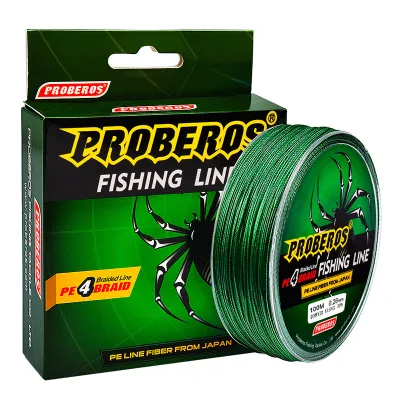
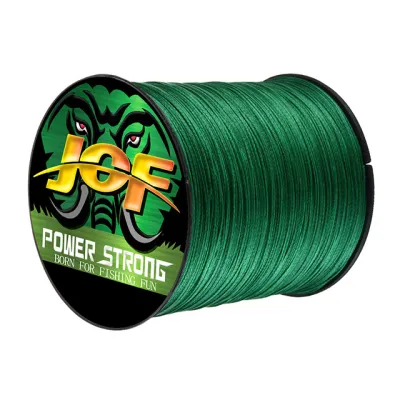
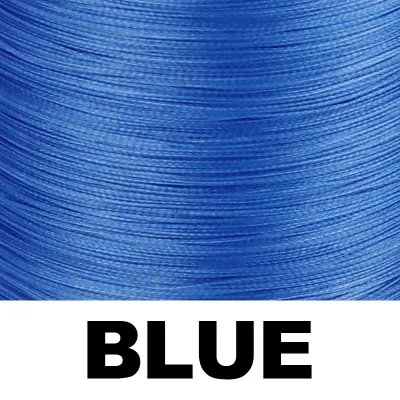
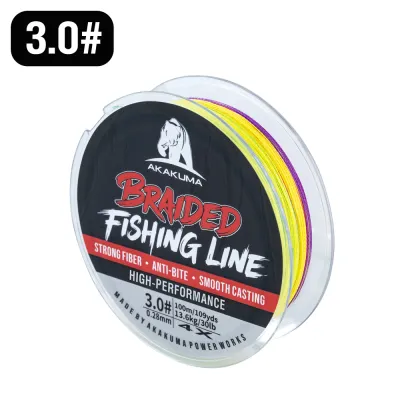
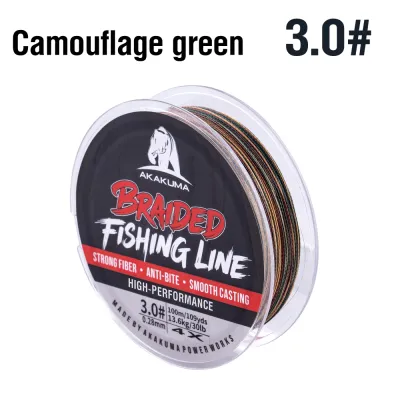
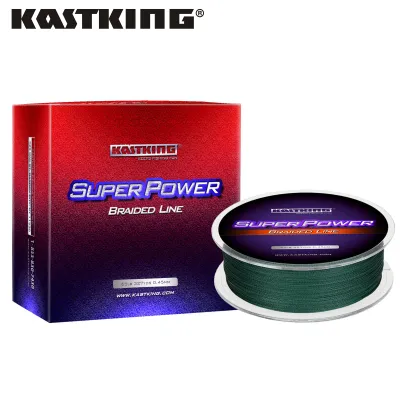
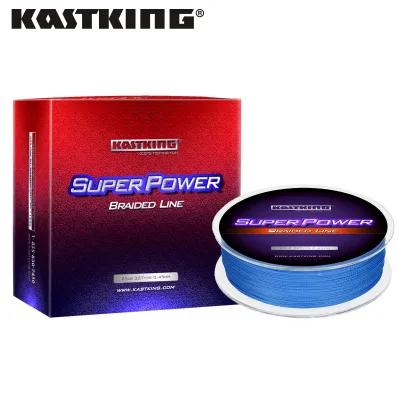
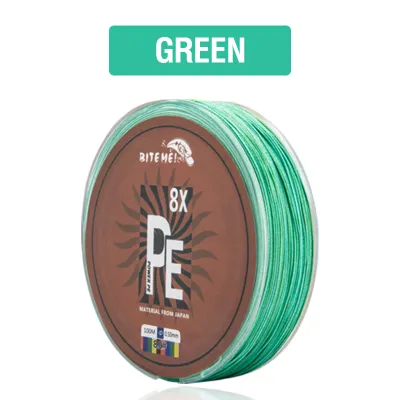
Prices are valid at publication and may change. Please refer to the product page for the latest price.
To decide if braid is right for you, consider your target environment and fishing style. Braid is highly recommended if you prioritize casting distance, fish in deep or fast-flowing waters, or need to feel subtle bites when lure fishing. Conversely, if you are strictly targeting topwater species in shallow, crystal-clear waters without using a leader, or if you prefer a highly forgiving line that cushions aggressive strikes, a high-quality monofilament may be a simpler starting point.
How to Choose the Right Braid Line Specifications
Before purchasing your first spool, you must evaluate several key specifications to ensure the line matches your target species and local fishing environment.

Strand Count (4-Carrier vs. 8-Carrier) Braided lines are typically categorized by the number of strands woven together, commonly referred to as carriers. A 4-strand (4-carrier) braid is constructed from four thick fibers. This design results in a slightly rougher, more textured surface, but it offers excellent abrasion resistance. For beginners, 4-strand lines are highly forgiving because they are stiffer, less prone to wind knots, and hold knots exceptionally well. An 8-strand (8-carrier) braid uses eight thinner fibers, creating a rounder, smoother, and quieter line that glides effortlessly through rod guides for maximum casting distance. However, 8-strand lines are softer and require more precise spooling tension to prevent tangles.
Pound Test (lb test) Selecting the appropriate line strength is crucial for success in Singapore’s diverse fishing spots. For light-tackle finesse fishing in local reservoirs like Bedok or Lower Peirce, a lighter line of 8 to 15 pounds (lb) is ideal. If you plan to fish in structure-heavy saltwater environments, rocky breakwaters, or around mangrove roots in areas like Kranji, you will need a heavier line ranging from 20 to 40 lb to withstand abrasion and pull fish away from obstacles. Always verify the rated pound test on the product label and ensure it matches your rod and reel specifications.
Color Selection Braid line comes in a variety of colors, each serving a specific purpose. High-visibility colors, such as bright yellow, chartreuse, or pink, allow you to easily track your line’s entry point into the water and detect subtle line movements or sag. Low-visibility colors, such as moss green or gray, blend naturally into murky water or heavy vegetation for a stealthier presentation. If you are concerned about fish spotting your line, using a clear fluorocarbon leader solves this issue entirely, allowing you to use high-visibility mainlines without sacrificing stealth.
Reliable Braided Fishing Line Brands for Beginners
For those starting out, choosing a reliable brand ensures consistent manufacturing quality and predictable performance. The following brands are widely available in Singapore and offer excellent options for beginners.
PowerPro
PowerPro is widely regarded as a classic, highly durable entry point into the world of braided lines. Utilizing a traditional 4-strand construction made with Spectra fibers, this line has a slightly stiff body out of the box. This stiffness is highly beneficial for beginners, as it helps the line behave more like monofilament during casting, significantly reducing the likelihood of loose loops and wind knots on spinning reels.
One of PowerPro’s standout features is its exceptional abrasion resistance. When fishing around concrete canal walls, rocky breakwaters, or submerged structures in Singapore, the line holds up well against accidental scrapes. However, because of its textured surface, it can produce a slight humming noise as it passes through the rod guides during a retrieve.
When purchasing PowerPro, always check the spool label for exact yardage and pound test, as packaging configurations can vary. Because the line is very slick, you must use a proper arbor knot paired with electrical tape or a monofilament backing on your reel spool to prevent the entire block of line from spinning on the metal arbor.
Sufix
Sufix is highly favored by anglers transitioning from monofilament who want a smoother, more manageable braided line. Lines within the Sufix lineup, particularly their standard performance braids, are engineered to have a rounder profile and a highly consistent diameter. This roundness reduces friction against the rod guides, allowing for smooth, quiet, and exceptionally long casts.
This brand is particularly suitable for beginners who want to practice casting lighter lures or soft plastics in local reservoirs. The smooth texture makes it easier to manage on medium-sized spinning reels, offering a balanced blend of sensitivity and handling.
Before spooling Sufix or any smooth braid, always inspect your rod guides to ensure they are in good condition. Finer, smoother braids can easily catch on damaged, cracked, or grooved ceramic guide inserts, which can cause premature line wear or sudden breakages during a cast.
Berkley
Berkley is a household name in the fishing industry, known for producing highly accessible, budget-friendly tackle. Their braided line offerings are widely stocked across local tackle shops in Singapore, making them an excellent choice for beginners who want a reliable line without a heavy financial investment.
Their standard braided lines offer a balanced combination of thin diameter and robust tensile strength, making them highly versatile for light to medium setups. Whether you are rigging a rod for a local paypond or exploring coastal bait fishing, Berkley lines provide reliable knot strength and predictable performance.
It is worth noting that some of Berkley’s coated braided lines can feel slightly waxy or stiff straight out of the box. To ensure optimal performance, beginners should apply steady tension and stretch the line slightly during the spooling process. This helps the line seat properly on the spool, preventing loose wraps that could lead to tangles later.
SpiderWire
SpiderWire is engineered for maximum strength-to-diameter ratio, making it a popular choice for anglers targeting strong fish in challenging environments. By utilizing a very tight weave of high-strength fibers, SpiderWire offers incredible tensile strength in an exceptionally thin profile.
For beginners learning to fish around heavy cover, such as mangrove roots or dense weed beds, SpiderWire provides the pulling power needed to extract fish before they can wrap the line around obstacles. The thin diameter also allows you to pack more line onto smaller reel spools, giving you extra capacity when fighting larger fish.
However, the thin and slick nature of SpiderWire requires careful attention. You must adjust your reel’s drag settings appropriately; because the line has no stretch, an overly tight drag can easily result in hook pulls or even rod damage. Additionally, when casting heavy weights, always pair the line with a shock leader to prevent the thin braid from cutting into your finger during high-velocity casts.
Where to Buy Authentic Braid Line in Singapore
To ensure your safety and get the best performance out of your gear, it is crucial to purchase authentic braided lines. Counterfeit lines are common in the market and often suffer from inconsistent diameters, poor knot strength, and unexpected breakages.
Local Tackle Shops Visiting established physical fishing tackle shops in Singapore is highly recommended for beginners. Shops located in areas like Beach Road, Geylang, or neighborhood hubs offer hands-on advice from experienced staff. Many shops will also spool your new line onto your reel using professional tensioning machines, ensuring a perfect lay that minimizes future tangles.
E-commerce Platforms If you prefer online shopping, utilize reputable e-commerce platforms and online marketplaces. To avoid counterfeits, restrict your purchases to official brand flagship stores, authorized local distributors, or highly rated local marketplace sellers who display verifiable local stock. Look for listings that explicitly state they ship from Singapore to ensure faster delivery and easier returns.
Red Flags to Avoid When shopping online, be cautious of listings with suspiciously low prices that seem too good to be true. Inspect the product images carefully; look for poor packaging print quality, spelling errors, or the absence of holographic security seals that major brands use to verify authenticity. Genuine braided line requires high-tech manufacturing, so extremely cheap alternatives are almost always low-quality counterfeits.
Essential Spooling and Knot-Tying Tips for Braid Line
Proper setup and maintenance are key to preventing the most common frustrations associated with braided line.
Spooling Under High Tension The single most common mistake beginners make is spooling braided line too loosely. If the line is not packed tightly onto the reel, the outer layers will dig into the loose underlying wraps when under pressure from a fish or a snag. This creates severe tangles and wind knots. Always spool braid under firm, steady tension. To protect your hands, wear protective gloves or wrap the line in a damp cloth while applying tension. Additionally, because braid is slick, always apply a few wraps of electrical tape to the reel arbor or start with a backing of monofilament line to prevent the entire spool of braid from slipping.
Beginner-Friendly Knots Standard knots used for monofilament can slip when applied to slick braided line. For tying directly to terminal tackle like swivels or hooks, use the Palomar knot or the improved Clinch knot, ensuring you moisten the line before tightening. To connect your braided mainline to a fluorocarbon leader, learn the double Uni knot, which is highly reliable and relatively easy for beginners to master.
Post-Session Maintenance Saltwater is highly corrosive to fishing gear. After fishing in saltwater environments around Singapore’s coastlines, always rinse your reel and line thoroughly with gentle, fresh water. This simple step helps preserve the line’s protective coating, removes salt crystals that can cause abrasion, and prevents salt buildup within your rod guides.
Frequently Asked Questions (FAQ)
Do I need to use a leader with braided fishing line?
While not strictly mandatory in highly turbid or muddy water, using a fluorocarbon or monofilament leader is highly recommended. Because braided line has zero stretch, a leader acts as a shock absorber to prevent the line from snapping during sudden, aggressive strikes. Additionally, a clear leader provides essential stealth in clear water, as braid is highly visible to fish.
Why does my braided line keep getting wind knots?
Wind knots are usually caused by spooling the line too loosely, overfilling the reel spool, or failing to pull the line tight after closing the bail arm manually. To prevent this, always ensure your line is spooled under tension, avoid filling the spool past the manufacturer’s recommended bevel, and form a habit of manually closing the bail arm and giving the line a quick tug to seat it before retrieving.
How often should I replace my braided fishing line?
Braided line is highly durable and typically lasts much longer than monofilament. However, you should inspect the first few meters of your line regularly for signs of fraying, fuzziness, or severe color fading. If you detect any abrasion near the terminal end, simply cut off the damaged section and re-tie your leader. With proper maintenance and freshwater rinsing, a spool of high-quality braid can easily last one to two years.
Community discussion
Share your experience or ask a question. Comments are reviewed before publication.