
Selecting the right fishing line is one of the most critical decisions you will make when setting up your first rod and reel. For beginners in Singapore, navigating the vast array of gear options can feel overwhelming, especially when deciding between traditional monofilament and modern braided line. Braided line has become the preferred choice for many local anglers due to its exceptional sensitivity, thin diameter, and impressive strength.
Whether you plan to cast lures for aggressive peacock bass in urban reservoirs, drop baits for groupers around coastal breakwaters, or fish from the crowded decks of Bedok Jetty, your choice of braid will directly impact your success. Understanding the characteristics of different brands and specifications allows you to make an informed purchase that minimizes frustration on the water. This guide explores why braided line is highly advantageous for newcomers, how to select the correct specifications for Singapore’s unique fishing environments, and which reliable brands offer the best entry point for your angling journey.
Why Braided Line is a Smart Choice for Beginners
Braided fishing line is constructed by weaving multiple synthetic fibers—typically high-modulus polyethylene like Spectra or Dyneema—into a single, ultra-strong strand. The primary advantage of this construction is its near-zero stretch. Unlike monofilament, which can stretch up to 30 percent under load, braided line transmits energy instantaneously. This means that when a fish takes your bait or nibbles on your lure, the vibration travels directly up the line to your rod tip and hand, allowing you to detect incredibly subtle bites that you might otherwise miss.
Products mentioned in this guide
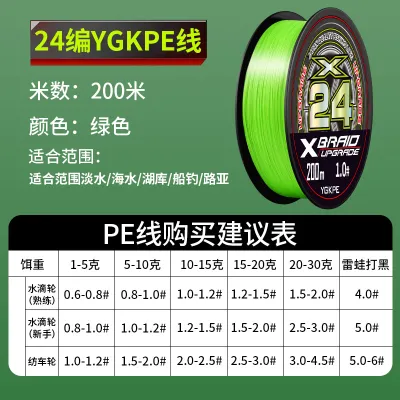
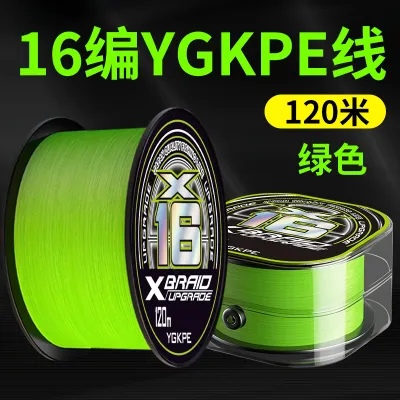
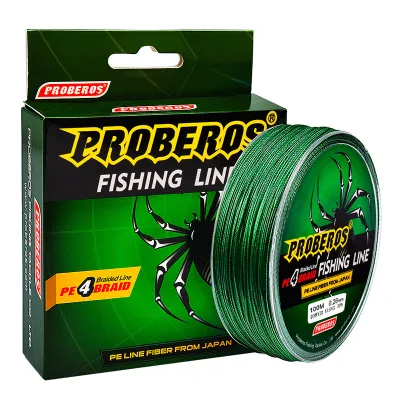
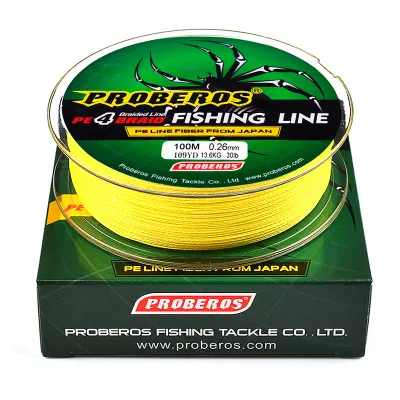
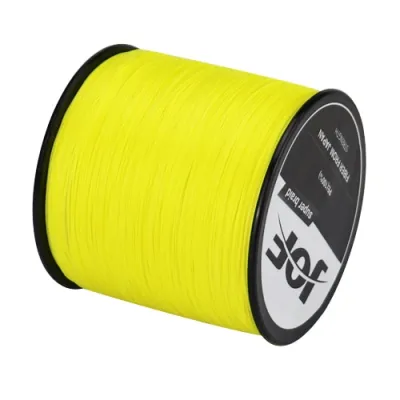
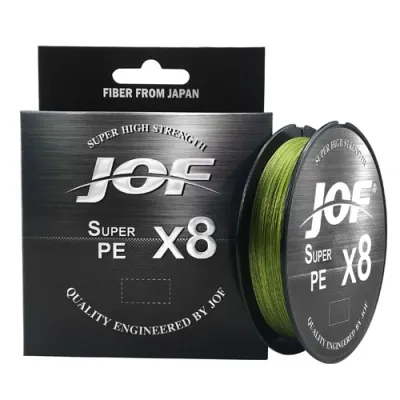
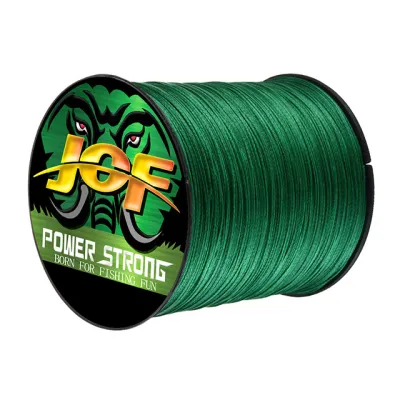
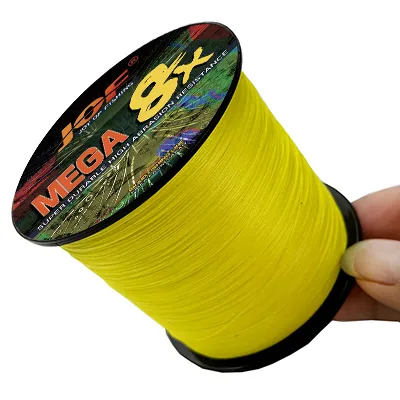
Prices are valid at publication and may change. Please refer to the product page for the latest price.
Another significant benefit of braided line is its incredibly thin diameter relative to its breaking strength. A 15-pound test braided line typically has the same diameter as a 4-pound test monofilament line. This thin profile offers several practical advantages for beginners. First, it allows you to pack significantly more line onto your reel spool, providing a safety buffer if a strong fish decides to make a long run. Second, the thin diameter cuts through the water with minimal resistance, which is incredibly helpful when fishing in Singapore’s strong coastal currents or trying to sink light lures into deeper water.
Despite these clear advantages, beginners must also prepare for the unique learning curve associated with braided line. Because braid has no stretch, it lacks shock absorption. If you set the hook too aggressively or fight a fish with a locked drag, the sudden impact can easily snap your line, bend your hook, or tear the hook out of the fish’s mouth. To mitigate this, anglers must learn to integrate a shock-absorbing leader into their setup.
Furthermore, braided line is highly visible in the water, which can spook wary fish in highly pressured local spots like Marina Reservoir or public fishing decks. The synthetic fibers are also incredibly slick, meaning that standard fishing knots will easily slip and unravel under tension. Beginners must master specific knots designed specifically for slick braided materials to ensure their connections remain secure under pressure. Weighing these benefits against the learning curve will help you determine if braided line aligns with your target species and preferred fishing locations.
How to Choose the Right Braided Line for Singapore Waters
Line Strength (LB Test) and Diameter
Matching your line’s pound test to your target environment and species is the first step in configuring a successful setup. For freshwater reservoirs where you are targeting species like peacock bass, tilapia, or small snakeheads, a lighter braided line ranging from 6-pound to 15-pound test is highly effective. These lighter lines allow you to cast small, lightweight lures with ease while maintaining enough strength to pull fish out of submerged vegetation.

If you are heading to coastal saltwater spots, jetties, or local payponds to target barramundi, mangrove jacks, snappers, or groupers, you will need to step up your line strength. A braid rated between 15-pound and 30-pound test is generally considered the sweet spot for general saltwater angling in Singapore. This range provides the necessary pulling power to stop strong fish from diving into sharp rocks or concrete pilings without making your casting clumsy or limiting your reel’s line capacity.
Strand Count
Braided lines are commonly categorized by the number of strands woven together, with 4-strand (X4) and 8-strand (X8) being the most common options for beginners. A 4-strand braid is constructed from four thicker, individual fibers. This results in a slightly rougher, more square profile. While it may feel abrasive to the touch and produce a noticeable buzzing sound as it passes through your rod guides, 4-strand braid is exceptionally tough and highly resistant to abrasion. It is an excellent, budget-friendly option for fishing around barnacle-encrusted jetty pillars or jagged rock walls where line rub is inevitable.
In contrast, an 8-strand braid is woven from eight thinner fibers, creating a much rounder, smoother, and softer profile. This smooth surface minimizes friction against your rod guides, resulting in quieter, longer, and more accurate casts. The softer nature of 8-strand braid also makes it highly manageable on spinning reels. However, because the individual strands are thinner, it can be more vulnerable to fraying when scraped against sharp structural obstacles. Beginners should weigh whether they prioritize casting distance (8-strand) or rugged durability around structures (4-strand) when making their choice.
Color and Visibility
Selecting the right line color is more than just an aesthetic choice; it serves a functional purpose on the water. High-visibility colors, such as bright chartreuse, yellow, or orange, are incredibly beneficial for beginners. These vibrant colors allow you to track the path of your line easily, helping you detect subtle movements or sudden slack that indicates a fish has grabbed your bait on the drop. This visual aid is particularly useful when fishing in windy conditions or low-light environments.
Low-visibility colors, such as moss green, dark blue, or gray, are designed to blend into the natural aquatic environment. These shades are ideal for murky coastal waters or heavily vegetated areas where you want to minimize the chances of spooking fish. For vertical jigging or deep-water bait fishing, metered or multicolor lines that change color every ten meters can help you track exactly how much line you have deployed. Regardless of the color you choose, using a clear leader material near your hook is highly recommended to mask the highly visible braid from your target fish.
Abrasion Resistance
Singapore’s fishing spots are rarely clean, sandy beaches; they are dominated by concrete structures, riprap rocks, metal railings, and marine growth. Because braided line is made of ultra-fine synthetic fibers, contact with sharp objects can shear the individual strands, rapidly weakening the line’s overall breaking strength. When shopping for braided line, beginners should check manufacturer packaging for specialized coatings or tight-weave technologies. Many brands apply a thin protective layer of fluoropolymer or specialized wax to shield the fibers from immediate abrasion and prevent water absorption, which can waterlog the line and reduce casting performance.
Top Braided Line Brands to Consider for Your First Setup
PowerPro
PowerPro is widely regarded as one of the most reliable and accessible braided line brands in the global fishing community, and it is a staple on the shelves of almost every tackle shop in Singapore. Constructed using Honeywell Spectra fibers, PowerPro is known for its incredibly tight weave and structural integrity. This tight construction makes the line highly resistant to crushing and digging into itself on the reel spool, which is a common issue for beginners learning to manage line tension.
For a novice angler, PowerPro serves as an excellent all-around workhorse line. Its high abrasion resistance makes it incredibly forgiving when your line accidentally rubs against concrete jetty edges or submerged structure. It performs exceptionally well in both freshwater reservoirs and harsh saltwater environments, maintaining its strength even after prolonged exposure to UV rays and brackish water.
However, beginners should be aware of a few characteristics before purchasing. Standard PowerPro models can feel quite stiff and wire-like right out of the box. This stiffness can make knot tying slightly challenging for inexperienced fingers, though it does help prevent wind knots during casting. Additionally, the coloring agent used on standard PowerPro lines is known to fade relatively quickly, turning a bright green line into a pale sage color after a few outings. While this color loss does not affect the physical strength of the line, those seeking a smoother, quieter experience may want to look into upgraded versions like PowerPro SuperSlick V2, which offers a silkier finish at a slightly higher price point.
Sufix
Sufix is another highly respected brand that consistently delivers a superb balance of manageability, strength, and value for money. Their flagship braided line, Sufix 832 Advanced Superline, is highly popular among local anglers. This line features a unique construction that combines seven Dyneema fibers with one patent-pending GORE Performance Fiber. This combination is engineered to improve abrasion resistance, reduce line vibration, and increase casting distance.
One of the main reasons Sufix lines are highly recommended for beginners is their limpness and ease of handling. Unlike stiffer braids, Sufix line is incredibly supple and behaves beautifully on spinning reels. It has virtually zero line memory, meaning it will not retain the coiled shape of the spool, significantly reducing the chances of tangles, twists, and bird’s nests during a cast. This user-friendly nature makes it much easier for beginners to practice spooling their own reels and mastering essential fishing knots.
When choosing Sufix, it is important to verify the specific series on the packaging. Entry-level or budget-friendly versions within their product lineup may have a slightly thicker diameter compared to their premium tiers or high-end Japanese competitors. While this slightly thicker profile can provide a welcome boost in raw abrasion resistance, it may marginally reduce your maximum casting distance when using very light lures. For general bait fishing and casting medium-sized lures around Singapore’s coastal areas, Sufix offers an incredibly reliable and forgiving entry point.
Daiwa (J-Braid Series)
Daiwa’s J-Braid series has taken the angling world by storm by offering high-quality, Japanese-manufactured braided line at an incredibly accessible price point. Available in both 4-strand (J-Braid X4) and 8-strand (J-Braid X8) configurations, this series is specifically designed to deliver premium performance without the premium price tag, making it an ideal choice for beginners who are outfitting their very first rod and reel setups.
The standout feature of the J-Braid series is its exceptionally smooth, soft feel right out of the spool. The line glides effortlessly through rod guides, allowing novice casters to achieve impressive distance and accuracy with minimal effort. This softness greatly reduces the friction that can cause frustrating backlashes and wind knots, allowing you to spend more time fishing and less time untangling line. For beginners looking to learn the basics of lure casting without making a massive initial financial investment, J-Braid is tough to beat.
Despite its excellent casting performance, the soft nature of J-Braid does come with a trade-off. Because the line is so supple, it can be more prone to wrapping around your rod tip if you allow slack to develop in your line, especially in windy conditions. Additionally, the budget-friendly J-Braid X8 can fray faster than stiffer braids when subjected to heavy abrasion against sharp rocks or barnacles. Beginners using J-Braid should make it a habit to inspect the last few meters of their line regularly and trim away any fuzzy or frayed sections to prevent unexpected breakages.
Shimano
Shimano is synonymous with precision engineering in the cycling and fishing industries, and their braided lines reflect this commitment to quality. Lines such as the Shimano Kairiki series utilize advanced weaving methodologies to create a highly consistent, round profile. By using a tight, uniform weave, Shimano produces a line that is incredibly smooth, quiet, and highly sensitive.
For beginners who are willing to invest slightly more in their gear, Shimano braided lines offer a highly refined fishing experience. The round profile of the line ensures that it sits perfectly flat on your reel spool, minimizing the risk of the line digging into itself under heavy loads. The smooth surface glides silently through rod guides, maximizing casting distance and providing exceptional feedback. This extreme sensitivity makes Shimano lines highly effective for light-tackle applications, such as micro-jigging or casting small soft plastics for finicky fish in calm reservoirs.
However, beginners must keep in mind that these premium characteristics come at a higher price point. If you are still learning the basics of casting and spool management, experiencing a severe, unrecoverable tangle on an expensive spool of premium line can be a frustrating and costly mistake. It is highly recommended to ensure that your rod and reel setup is of sufficient quality to justify the investment in premium line, as budget guides may not fully utilize the friction-reducing benefits that Shimano braid offers.
Setup and Maintenance Tips to Maximize Line Life
Using a Leader
One of the most common mistakes beginners make is tying their braided line directly to their hook or lure. Because braided line has no stretch and is highly visible, connecting it directly to your terminal tackle often results in spooked fish or broken lines. To prevent this, you should always attach a 1-meter to 1.5-meter leader of fluorocarbon or monofilament line between your braid and your hook.
Fluorocarbon is highly recommended for most Singapore fishing scenarios because it has a refractive index close to water, making it virtually invisible to fish. It is also highly abrasion-resistant, protecting your connection from sharp teeth and rough structures. Monofilament is a budget-friendly alternative that offers excellent stretch, acting as a valuable shock absorber when fighting aggressive fish. As a general rule, match your leader’s breaking strength to your mainline; for example, if you are using a 15-pound braided mainline, a 12-pound to 20-pound leader is typically appropriate depending on the structure around you.
Proper Knot Selection
Because braided line is made of slick synthetic materials, traditional knots like the Clinch knot will easily slip under tension. Beginners must learn and practice knots specifically designed for braided line. For tying your braid directly to a swivel, solid ring, or hook, the Palomar knot is widely considered the easiest and most reliable knot to master. It retains nearly 100 percent of the line’s original breaking strength and is incredibly simple to tie.
For joining your braided mainline to a fluorocarbon or monofilament leader, the Double Uni Knot (or Uni-to-Uni knot) is an excellent, beginner-friendly connection that holds securely under load. Regardless of the knot you choose, always remember to wet the line with water or saliva before pulling it tight. Friction during the tightening process generates heat, which can severely weaken the synthetic fibers of your braided line and cause it to fail prematurely.
Spooling Tension
When winding braided line onto your reel, it must be packed under tight, consistent tension. If you spool braided line too loosely, the outer layers will easily “dig” down into the loose inner wraps when the line is put under tension by a fighting fish or a snag. This creates a trapped loop that will stop your spool mid-cast during your next trip, resulting in a catastrophic tangle known as a wind knot.
To spool your reel correctly, you can have a friend hold the line spool on a pencil while applying pressure, or run the line through a heavy book or a damp cloth held tightly in your hand. Ensure the line goes onto the reel firmly and evenly. If you notice the line feels soft or spongy when squeezed on the spool, it is too loose and should be stripped off and re-spooled with more tension.
Post-Trip Care
Saltwater is highly corrosive and can leave behind microscopic salt crystals as it evaporates. When these crystals dry inside the weave of your braided line, they act like tiny blades, slowly sawing away at the synthetic fibers from the inside out and weakening your line over time. This is particularly problematic after fishing in Singapore’s highly saline coastal waters.
To maximize the life of your line, always rinse your reel and spool with a gentle stream of fresh water after every saltwater outing. Do not use high-pressure water, as this can force salt and moisture deep into your reel’s internal gears and drag system. After rinsing, allow your reel to dry completely in a shaded, well-ventilated area away from direct sunlight, as prolonged exposure to extreme heat and UV rays can slowly degrade the protective coatings on your line.
Frequently Asked Questions (FAQ)
Do I need a leader when using braided line?
Yes, using a leader is highly recommended in almost all fishing scenarios. Because braided line is opaque and highly visible, tying it directly to your hook can easily scare away wary fish, especially in heavily pressured local waters. Additionally, braid has zero stretch, meaning a sudden strike from a powerful fish can easily snap your line or pull the hook out of its mouth. Attaching a 1-meter to 1.5-meter leader of fluorocarbon or monofilament provides the necessary stealth, abrasion resistance, and shock absorption to ensure a successful hookup and fight.
How often should I replace my braided fishing line?
Unlike monofilament, which degrades quickly under UV light and develops memory over time, high-quality braided line can last for several years if properly maintained. Instead of replacing your line on a strict schedule, you should inspect the first few meters of your line before and after every trip. Look for signs of physical damage, such as fraying, nicks, fuzzy textures, or a loss of the protective outer coating. If you notice wear, simply cut off the damaged section and re-tie your leader. If your spool begins to run low after trimming, you can reverse the line on your spool—winding the unused inner line to the outside—to effectively double the lifespan of your purchase.
Is braided line better than monofilament for beginners?
Whether braided line is better than monofilament depends entirely on your learning goals and target environment. Monofilament is highly forgiving, cheap, easy to tie, and handles mistakes well, making it an excellent choice for absolute beginners who want a simple, stress-free introduction to basic bait fishing. However, braided line is far superior for anglers who want to learn active lure casting or bottom fishing where feeling subtle bites is crucial. While braid requires a bit more effort to master—such as learning new knots and using a leader—the massive advantages in sensitivity, casting distance, and strength make it a highly rewarding investment for beginners committed to developing their skills.
Community discussion
Share your experience or ask a question. Comments are reviewed before publication.