
Selecting a running bottle belt that maintains optimal breathability during long runs is a balancing act between material science, gear load, and environmental conditions. No single brand or model holds a monopoly on ventilation. Instead, the real-world performance of a belt depends heavily on its structural design—specifically, whether it utilizes open-weave mesh or solid elastane blends—and how it fits your individual body shape.
For runners operating in high-humidity environments, such as Singapore’s tropical climate, managing the microclimate between the fabric and your skin is the primary defense against chafing and heat buildup. While a seamless, elastic tube-style belt is excellent at pulling sweat away from the skin, a structured lumbar pack with a suspended mesh back panel provides the most active airflow. Understanding these design differences allows you to choose a system that keeps you cool and hydrated without compromising comfort.
Design Features That Dictate Ventilation and Moisture Management
The ability of a running bottle belt to keep you cool relies on three physical factors: material composition, skin contact area, and the backing structure. Technical fabrics do not cool you down on their own; rather, they facilitate the body’s natural evaporative cooling process by moving sweat away from the skin or allowing air to circulate.
Products mentioned in this guide
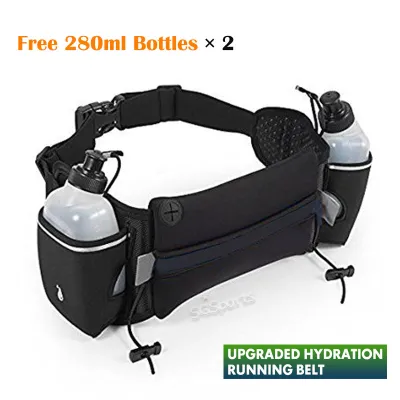
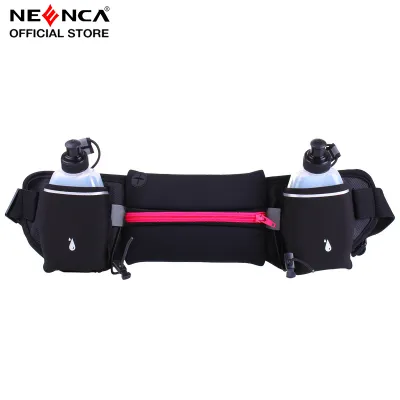
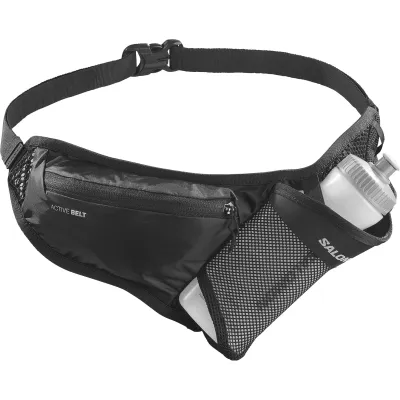
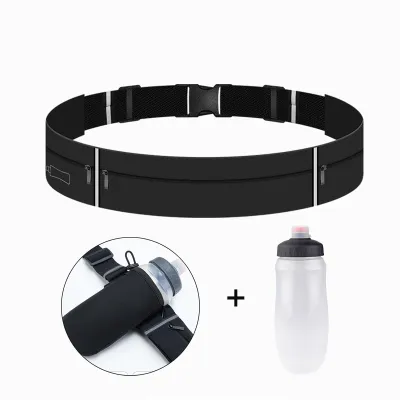
![SG Seller VOZUKO Water Bottle Holder Nylon Minimalist Tactical Molle Bottle Carrier Strap Bottle Rope Belt Bottle Bag for Walking Running Cycling Hiking [089]](https://img.lazcdn.com/g/p/728a3bbd537609e1c3bf3dffe1b3a9ac.jpg_400x400q80.jpg_.webp)
Prices are valid at publication and may change. Please refer to the product page for the latest price.
Material Composition Modern running belts generally use one of three material types: 3D air mesh, perforated neoprene, or moisture-wicking spandex and nylon blends. 3D air mesh, or spacer mesh, features a multi-layered knit construction where vertical polyester fibers separate the inner and outer faces. This design creates a permanent internal chamber that allows air to flow laterally even under compression. Perforated neoprene offers excellent structural support and bounce prevention, but its solid synthetic rubber core restricts airflow; the small, punched ventilation holes provide only localized relief. Spandex and nylon blends rely on capillary action to draw moisture away from the skin and spread it across the outer surface of the fabric, where it can evaporate quickly.
Surface Area and Contact Points Every square centimeter of fabric covering your skin acts as an insulating barrier that traps metabolic heat. Wide, high-coverage belts distribute the weight of water bottles and gear across a larger area, which reduces pressure points and bounce. However, this wider profile covers more sweat glands, particularly around the lower back and abdomen. Conversely, narrow strap-and-buckle designs minimize skin contact, allowing ambient air to cool the surrounding skin directly. The trade-off is that narrow straps concentrate the load of heavy water bottles, which can lead to localized friction, digging, and bouncing if the belt is not perfectly adjusted.
Backing Structure To achieve active ventilation, some manufacturers incorporate channeled back panels or suspended mesh screens into their designs. Channeled back panels use molded foam ridges covered in lightweight mesh to create physical pathways for hot air to escape upward and outward. Suspended mesh backing, often found on larger lumbar hydration systems, pulls the main body of the pack away from your lower back, leaving a dedicated air gap. This design maximizes air exchange during movement, though the effectiveness of the air gap can be compromised if the pack is overfilled or if your running posture compresses the frame.
Comparing Running Bottle Belt Styles and Brand Approaches
Different manufacturers prioritize different aspects of the trade-off between stability, storage capacity, and breathability. By examining the three primary styles of running belts, you can identify which design philosophy aligns with your training needs.

Seamless Tube-Style Belts
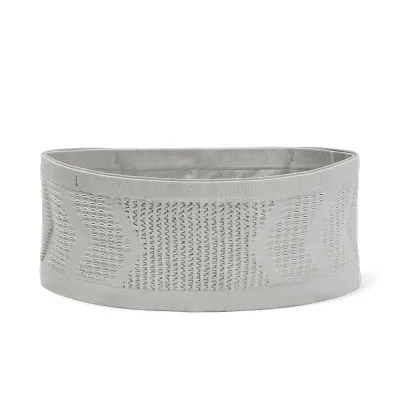
Seamless tube-style belts, popularized by designs from brands like FlipBelt and Naked, rely on high-elastane compression fabrics to hold water flasks and gear tightly against the waist. Because these belts lack plastic buckles, adjusters, or rigid seams, they offer an exceptionally comfortable, zero-bounce fit that minimizes the risk of friction-induced chafing.
Instead of promoting active airflow through open air gaps, these belts manage heat through continuous moisture-wicking. The highly absorbent synthetic fibers pull sweat directly off your skin and distribute it evenly across the entire surface of the band. This rapid distribution increases the surface area of the moisture, which accelerates evaporation in dry or windy conditions.
However, this wicking mechanism faces limitations during long runs in high humidity. When the surrounding air is saturated with moisture, sweat cannot evaporate efficiently from the fabric. In these conditions, a tube-style belt can act like a sponge, becoming heavy and fully saturated. Once the fabric reaches its saturation limit, it can trap heat against your core, leading to a warm, damp sensation around your waistline.
Traditional Strap and Buckle Belts
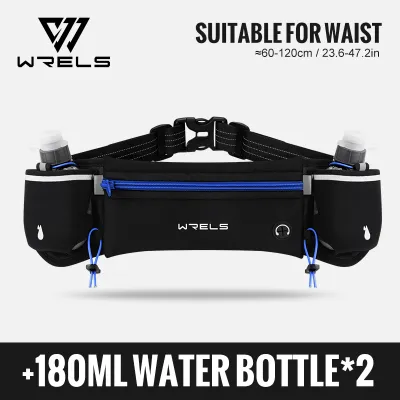
Traditional strap and buckle belts, such as those designed by Nathan or Salomon, feature a modular construction where a padded, structured pocket system is held in place by an adjustable nylon or elastic webbing strap. These designs allow you to customize the tension on the fly, accommodating changes in your apparel layers or the shifting weight of your water bottles as you drink.
To maximize breathability, manufacturers of these belts place highly breathable 3D spacer mesh along the inner panels that contact your lower back. Because the adjustable side straps are typically narrow, they leave the sides of your hips open to the air, reducing the overall fabric coverage compared to full-width tube belts. This targeted ventilation helps keep your sides cool and dry.
Despite these ventilation zones, traditional belts present potential comfort challenges. The transition points where the soft mesh pocket assembly meets the stiffer nylon webbing straps can create friction points. If the belt is not positioned correctly, or if the raw edges of the binding rub against lightweight running shirts, it can cause chafing over long distances. Additionally, the plastic adjustment buckles can trap sweat against the skin, creating small hot spots.
Lumbar Hydration Packs with Mesh Backing
Lumbar hydration packs, designed by brands like CamelBak, are built for runners who require larger fluid capacities and extra storage for long-distance trail runs or self-supported road sessions. These packs typically position one or two large water bottles horizontally or at an angle across the lower back, utilizing a structured frame to distribute the load.
To combat the heat-trapping potential of a larger pack, these systems employ advanced back-panel ventilation. Many models feature a suspended mesh screen or deep, molded foam channels that create a physical air gap between the pack and your lower back. As you run, the natural movement of your body pumps air through these channels, actively carrying away heat and moisture.
While this design offers superior ventilation for heavy-duty carrying, it comes with a bulkier profile. The structured back panel requires precise adjustment to remain stable; if the belt is too loose, the pack will bounce and slide, which can quickly wear down your apparel and cause lower-back chafing. Furthermore, if you overpack the storage compartments, the inner wall can bulge outward, flattening the ventilation channels and neutralizing the cooling air gap.
Decision Framework: Choosing the Right Belt for Long Runs
Selecting the right running bottle belt requires matching the design characteristics of the gear to your typical running environment, distance, and personal comfort priorities. Use the following guidelines to determine which style fits your training regimen.
Choose Tube-Style if:
- You prioritize a streamlined, low-profile silhouette and want to eliminate the risk of plastic buckles chafing your skin.
- You prefer carrying soft, collapsible flasks that shrink as you drink, reducing overall bulk and sloshing.
- Your long runs take place in moderate humidity or windy conditions where evaporative wicking can function at its best.
- You want an even, compressive fit that distributes the weight of your phone, keys, and hydration across your entire waist.
Choose Strap/Mesh Belts if:
- You require a highly adjustable fit that you can tighten or loosen on the run as your water bottles empty.
- You prefer carrying rigid, quick-access bottles that can be holstered and unholstered with one hand.
- You want to minimize fabric coverage around your hips, keeping your sides open to natural ambient airflow.
- You run in hot, humid conditions and want targeted ventilation zones that keep the heaviest gear separated from your skin.
Choose Lumbar Mesh Packs if:
- Maximum lower-back airflow is your absolute priority, and you want a physical air gap to prevent sweat buildup.
- Your training runs extend into trail territory, requiring you to carry extra nutrition, lightweight weather layers, and larger volumes of water.
- You do not mind a slightly larger, more structured gear profile in exchange for superior load distribution and back ventilation.
- You want a dedicated system that keeps heavy bottles stable over uneven terrain.
Verify First Before purchasing any running bottle belt, always check the manufacturer’s specific material specifications and inspect the construction of the edge bindings. Look for soft, folded fabric edges or flatlock stitching along the borders of the belt. Rigid, heat-sealed nylon edges can act like sandpaper against technical running shirts or bare skin, especially when damp with sweat. Reading user reviews with a focus on edge friction and fabric durability can help you avoid models prone to causing chafing.
Additionally, always prioritize safety during long runs in hot and humid climates. No piece of cooling equipment can replace a structured hydration plan and self-awareness. If you experience symptoms of heat exhaustion—such as dizziness, nausea, headaches, or a sudden cessation of sweating—stop running immediately, find a shaded area, sip water, and seek assistance if your condition does not improve.
Maintaining Breathability: Washing and Care Tips
Over time, dried sweat, body oils, and environmental dirt will accumulate in the fibers of your running belt. This buildup does more than cause unpleasant odors; it directly impairs the performance of the gear. When sweat evaporates, it leaves behind sodium chloride crystals that clog the microscopic pores of wicking fabrics and the open cells of 3D air mesh. Additionally, body sebum (oils) can coat the synthetic fibers, creating a hydrophobic barrier that prevents the fabric from absorbing and moving moisture, ultimately reducing its breathability.
To preserve the ventilation performance and elasticity of your running bottle belt, follow these maintenance steps:
- Inspect and Prepare: Remove all water bottles, flasks, electronics, and trash from the pockets. Close all zippers, hook-and-loop fasteners, and plastic buckles to prevent them from snagging on the mesh during washing.
- Check the Label: Always consult the manufacturer's care label on the inside of the belt for specific temperature and washing restrictions.
- Wash Gently: Hand washing in cool water is the safest method to preserve synthetic elastics. If you prefer using a washing machine, place the belt inside a mesh laundry bag and select a gentle cycle with cool water.
- Use the Right Detergent: Clean the belt using a mild, sports-specific liquid detergent designed to break down body oils and synthetic residues. Do not use standard household detergents that contain optical brighteners or fragrance additives.
- Avoid Fabric Softeners: Never use fabric softeners or dryer sheets. These products leave a thin, silicone-like coating over the fibers, which permanently clogs the weave of the mesh and ruins the moisture-wicking capabilities of the fabric.
- Air Dry Only: Hang or lay the belt flat to dry in a well-ventilated indoor space or a shaded outdoor area. Keep the belt away from direct sunlight, as ultraviolet radiation can degrade synthetic elastics over time. Never place the belt in a clothes dryer; the high heat can warp plastic bottle holsters, melt adhesive seams, and destroy the elasticity of spandex blends.
Frequently Asked Questions (FAQ)
Does a darker colored running belt absorb more heat and reduce breathability?
While dark colors like black or deep navy absorb more radiant heat from direct sunlight than lighter colors, the impact on your skin-level comfort is minimal compared to the belt’s physical construction. The thickness of the fabric, the openness of the mesh weave, and the overall fit of the belt play a far greater role in thermal regulation than color alone. A black belt made of highly breathable, open-weave 3D mesh will keep you significantly cooler than a white belt constructed from thick, solid neoprene. If you regularly run in direct sunlight with no shade, choosing a lighter color can provide a minor cooling benefit, but you should prioritize material breathability and fit first.
Can I use a running bottle belt over a base layer for better ventilation?
Wearing a running bottle belt over a thin, high-performance moisture-wicking shirt can help distribute sweat and protect your skin from direct friction or chafing. The fabric of the shirt acts as an initial wicking barrier, drawing moisture away from your body before it reaches the belt. However, in extremely hot and humid climates, adding any extra layer of fabric reduces your body’s overall ability to shed heat through evaporation. If you struggle with chafing or sweat accumulation, test the combination of a lightweight base layer and your running belt on shorter, low-intensity runs first to monitor how well your body regulates its temperature before committing to a long-distance training session.
Community discussion
Share your experience or ask a question. Comments are reviewed before publication.