
Running in Singapore presents a unique physiological challenge. With temperatures consistently hovering around 31°C and relative humidity levels frequently exceeding 80 percent, your body relies heavily on sweat evaporation to cool down. However, the saturated tropical air makes evaporation incredibly slow. When you strap on a standard, non-breathable accessory, you create a localized heat trap around your midsection. Finding the right running waist pouch is essential to prevent this localized moisture buildup, ensuring your long runs along East Coast Park or through MacRitchie Reservoir remain comfortable and free from skin irritation.
To perform effectively in high humidity, a waist pouch must do more than simply hold your phone and keys. It must actively assist in thermoregulation. This means employing technical fabrics that wick sweat away from your skin, incorporating structural elements like 3D mesh to promote airflow, and utilizing seamless construction to eliminate friction. By prioritizing these engineering features over generic designs, you can maintain a stable body temperature and protect your skin from the abrasive effects of trapped moisture.
Why Singapore's Humid Climate Demands a Specialized Running Waist Pouch
Singapore’s tropical climate is characterized by high ambient temperatures and dense, moisture-laden air. During physical exertion, your body produces sweat to dissipate heat. In dry climates, this sweat evaporates quickly, cooling the skin. In Singapore, the high relative humidity prevents rapid evaporation, leaving a layer of liquid sweat on your body. When a standard running pouch—often made of thick, non-porous neoprene or heavy nylon—is strapped tightly around your waist, it acts as an impermeable barrier. This barrier traps heat and sweat directly against your skin, creating a microclimate of intense heat and moisture.
Products mentioned in this guide
![[SG Seller]Ultra-thin Waist Pouch ◇ Super Light Bounce Free WaistPouch Fitness Workout Running Belt Fanny Pack Reflective Sport Waist Pack Exercise Bag Phone Holder for Apple iPhone 8 X 7 6+ 5s Samsung in Running Gym Marathon Cycling Sports](https://img.lazcdn.com/g/p/6d24083a546ec3ed3a83c3e712dee03e.jpg_400x400q80.jpg_.webp)
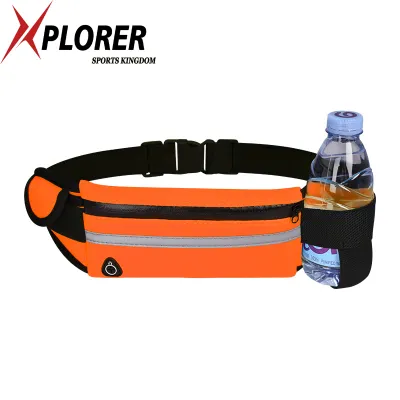
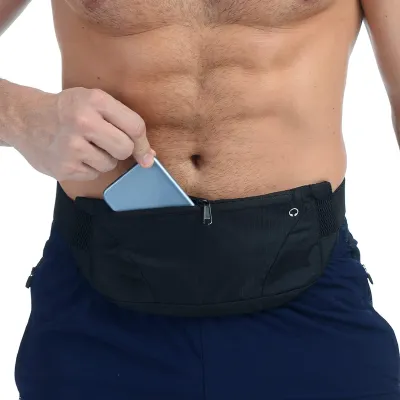
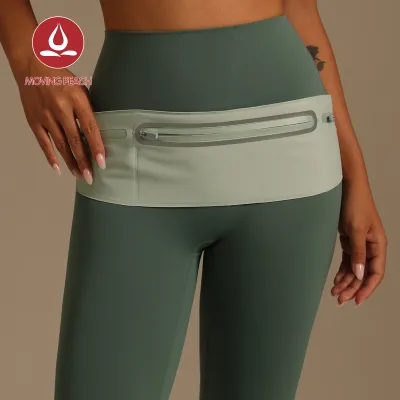
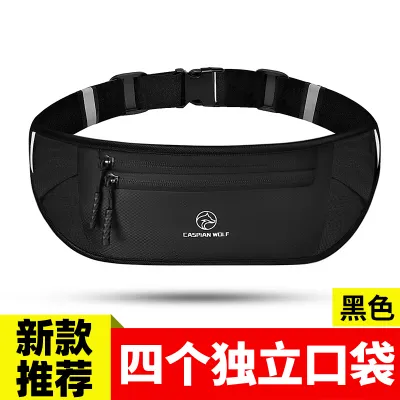
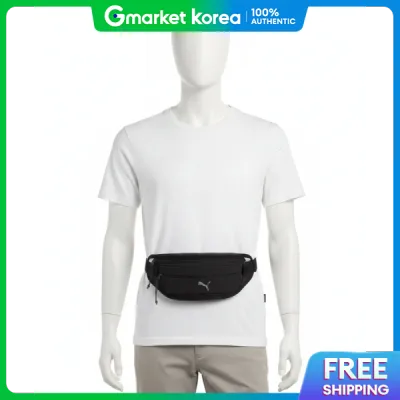
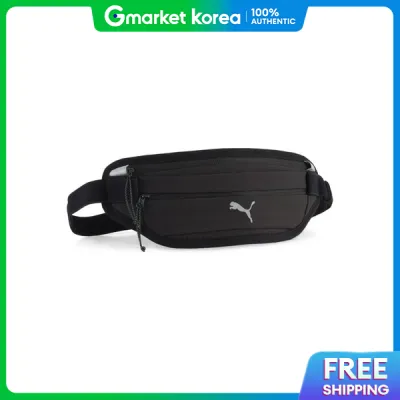
![[NEW] PUMA Unisex PR Classic 0.8L Running Waist Bag](https://img.lazcdn.com/g/p/4cc08724b56c76c7774be0d68b90471d.jpg_400x400q80.jpg_.webp)
Prices are valid at publication and may change. Please refer to the product page for the latest price.
This trapped moisture is the primary catalyst for several common running ailments. The most immediate issue is chafing. As you run, the repetitive motion of your stride causes the damp fabric of the pouch to rub against your skin. Wet skin is significantly more fragile and susceptible to friction than dry skin, leading to painful abrasions, raw spots, and skin barrier breakdown. Additionally, the warm, dark, and moist environment beneath a non-breathable pouch is a breeding ground for bacteria and fungi, which can cause heat rashes (miliaria) or localized skin infections.
Beyond skin health, high humidity accelerates the degradation of the gear itself. Sweat contains salt, urea, and body oils. When these substances are trapped within non-breathable materials, they crystallize as the moisture slowly dries, clogging the fabric pores and corroding metal or plastic zippers. Over time, this salt buildup breaks down elastane (spandex) fibers, causing the waistband to lose its elasticity and sag. A specialized breathable pouch, by contrast, allows air to circulate and moisture to escape, protecting both your skin and the structural integrity of the gear.
Key Features to Look for in a Breathable Running Waist Pouch
Selecting the right gear requires looking past marketing buzzwords and examining the specific material properties and structural designs of the pouch. A truly breathable running waist pouch relies on a combination of advanced textile engineering and thoughtful physical construction to facilitate airflow and moisture management.

Moisture-Wicking and Quick-Dry Fabrics
When evaluating fabrics, it is important to distinguish between moisture-wicking and quick-drying capabilities, as both are necessary for tropical running. Moisture-wicking refers to a fabric’s ability to pull sweat away from your skin through capillary action, transferring it to the outer surface of the material. Quick-dry refers to how rapidly that moisture evaporates once it reaches the outer surface.
To ensure your pouch performs both functions, check the product specifications or material tags for high-quality synthetic blends. Look for fabrics composed of polyester, nylon, and elastane (spandex). These synthetic fibers are hydrophobic, meaning they absorb very little water themselves (unlike cotton, which holds onto moisture and becomes heavy). Instead, they channel moisture along their fibers to the exterior. Avoid any pouch that contains cotton, heavy canvas, or thick, untreated neoprene, as these materials retain sweat, increase overall weight, and sag during your run. Additionally, look for lightweight technical fabrics; a lower fabric weight (often indicated by a thin, slightly translucent appearance) generally indicates superior airflow.
Mesh Panels and Airflow Construction
While moisture-wicking fabrics manage sweat, physical airflow construction is what actively cools the skin. The most effective breathable pouches feature a dedicated back panel—the side that directly contacts your body—made of 3D spacer mesh or perforated materials.
A 3D spacer mesh is a knit fabric consisting of two outer layers separated by a micro-layer of vertical spacer fibers. This structure creates a physical gap, or micro-cavity, between the pouch body and your skin. As you move, air is forced through this gap, facilitating continuous ventilation and allowing trapped heat to escape. When inspecting a pouch, look for a honeycomb or open-weave texture on the skin-contact side. This open structure maximizes the surface area exposed to moving air. The design must strike a balance between ventilation and structural integrity; the mesh should be firm enough to support the weight of your items without compressing completely flat against your body, which would negate its airflow benefits.
Anti-Chafing and Seamless Edges
In Singapore’s humid conditions, even the most breathable fabric can cause discomfort if the construction features rough seams or sharp edges. When sweat saturates your skin, the skin softens, making it highly vulnerable to friction.
To prevent chafing, look for pouches constructed with flatlock seams, bonded edges, or laser-cut seamless technology. Flatlock stitching lies completely flat against the skin, eliminating the raised ridges found in traditional seams. Bonded or glued edges remove stitching entirely, creating a smooth transition from fabric to skin. Pay close attention to the perimeter of the waistband and the areas surrounding the zipper. The edges should be rolled or padded with a soft, non-abrasive piping material. Additionally, ensure that the zipper has a “zipper garage”—a small fabric hood that covers the metal or plastic pull tab when closed—to prevent it from rubbing against your waist or snagging your technical running apparel.
How to Evaluate Breathability and Fit Before You Buy
Whether you are shopping at a local sporting goods store in Singapore or browsing online platforms, you can use several practical evaluation techniques to verify a pouch’s breathability and fit before making a purchase.
In-Store Checks
- Visual Inspection: Hold the back panel of the pouch up to the light. If you can see light filtering through the mesh or perforations, it indicates an open weave that will allow air to pass through.
- Breathability Test: Perform a simple air-permeability check by placing the inner lining against your mouth and gently breathing out. If you feel minimal resistance, the fabric will ventilate well during a run.
- Tactile Check: Run your fingers along the inner seams and edges to check for any rough spots, stiff stitching, or sharp plastic components.
- Elasticity Test: Test the waistband's elasticity by stretching it fully. It should snap back to its original shape quickly, indicating high-quality elastane that will resist sagging when wet.
Online Verification When purchasing online, avoid relying solely on the word “breathable” in the product title. Instead, scroll down to the detailed specifications and look for technical terms such as “engineered mesh,” “perforated waistband,” “hydrophobic coatings,” or “bonded seams.” Look at close-up product photos to confirm the presence of a textured mesh lining on the body-facing side. Customer reviews can also provide valuable insights; search the review section for keywords like “humidity,” “sweat,” “chafing,” or “bounce” to see how the pouch performs in real-world tropical conditions.
Fit and Bounce Testing A secure fit is critical for maintaining breathability. If a pouch bounces or shifts, it creates friction, leading to chafing. To test the fit, adjust the waistband so that the pouch sits comfortably on your hips (resting on the iliac crest) rather than high up on your natural waist or stomach. Wearing it on the hips keeps the pouch stable against your skeletal frame, preventing it from riding up. Load the pouch with your actual running gear—such as your smartphone, keys, and an energy gel—and perform a few vertical jumps or high-knees in place. The pouch should remain snug and stationary without requiring you to tighten the strap to an uncomfortable degree. If you have to overtighten the waistband to stop the bounce, you will restrict your breathing and compress the spacer mesh, trapping heat against your body.
Caring for Your Running Waist Pouch in High Humidity
The combination of high humidity and heavy sweat creates an environment where mold, mildew, and bacteria thrive. Proper maintenance is essential to prevent persistent odors and extend the lifespan of your technical gear.
Immediate Post-Run Care Never leave a damp running pouch crumpled inside a gym bag or at the bottom of a laundry hamper. As soon as you finish your run, remove all items from the compartments, including keys, cards, and electronics. Unzip all pockets fully and turn the pouch inside out if the design allows. Hang it up in an open area to allow the sweat-soaked inner lining to begin drying immediately. This simple step prevents bacteria from multiplying rapidly in the damp fabric.
Washing Guidelines Regular washing is necessary to remove salt crystals and body oils that clog technical fabrics. Always check the manufacturer’s care label on your specific pouch before washing. If instructions are not available or if they conflict with general practices, hand-washing is the safest method. Fill a basin with cool water and add a small amount of mild liquid detergent or a specialized sports wash designed to break down synthetic oils. Gently agitate the pouch in the soapy water, paying extra attention to the skin-contact mesh. Avoid using fabric softeners under any circumstances; softeners leave a thin, waxy chemical coating on synthetic fibers that clogs the pores, permanently ruining the fabric’s moisture-wicking and breathable properties. Rinse the pouch thoroughly in clean, cool water to remove all soap residue.
Drying in Humid Conditions Drying technical gear in Singapore’s humid climate requires care. Hang the pouch to air-dry in a well-ventilated, shaded outdoor area, such as a covered service yard or balcony. Avoid placing the pouch in direct, intense sunlight, as ultraviolet (UV) rays can degrade the elastane fibers and weaken the adhesive bonds on seamless edges. Never use a high-heat tumble dryer, which can warp plastic buckles, shrink synthetic fabrics, and melt bonded seams. If you must dry the pouch indoors due to rain or high outdoor humidity, place it near a standing fan or a dehumidifier to maintain continuous airflow, which prevents the development of musty, damp odors.
Frequently Asked Questions (FAQ)
Is a waterproof running pouch better than a breathable one for tropical rain?
While a fully waterproof pouch made of materials like TPU or heavy PVC will protect your belongings from Singapore’s sudden tropical downpours, it is generally not ideal for high-humidity running. These impermeable materials do not allow air or moisture to escape, trapping your sweat against your body and causing severe chafing. For most runs, a highly breathable pouch is superior. To protect your electronics or cash during the rainy season, place them inside a small, sealable plastic bag or a lightweight dry sack, and then store that bag inside your breathable pouch. This dual approach keeps your gear dry while allowing your skin to breathe.
How do I remove persistent sweat odor from my waist pouch?
If your pouch has developed a persistent musty or sour odor that regular washing cannot remove, it is likely due to deeply embedded bacteria and salt buildup. To eliminate this, first check the manufacturer’s care label for any specific warnings. If safe, mix one part white vinegar with four parts cool water in a clean basin. Submerge the pouch and let it soak for 20 to 30 minutes. White vinegar is a natural, mild acid that breaks down mineral deposits and neutralizes odor-causing bacteria without damaging technical synthetic fibers. After soaking, rinse the pouch thoroughly with fresh water and wash it with a mild sports detergent. Ensure the pouch is completely dry before storing it in a closed drawer or cupboard.
Community discussion
Share your experience or ask a question. Comments are reviewed before publication.