
Selecting the best calf compression sleeve in Singapore depends on your primary objective: running, post-workout recovery, or daily wear and travel. For active running, the ideal sleeve stabilizes muscles and manages sweat in humid conditions. For recovery, a higher, graduated compression level is required to support circulation and ease muscle soreness. For daily wear or travel, the priority shifts to all-day comfort, mild pressure, and breathable fabrics that transition smoothly between Singapore’s humid outdoors and air-conditioned environments.
Quick Guide: Matching Calf Compression to Your Activity
Matching the sleeve to your specific activity is crucial because a single pair of compression sleeves cannot serve all purposes optimally. Running sleeves require high flexibility, breathability, and moderate tension to stabilize the calf muscles without restricting joint movement. In contrast, recovery sleeves utilize a denser weave and higher compression levels to facilitate venous return when you are static, which can feel uncomfortably restrictive or hot if worn during a high-intensity run. Daily wear and travel sleeves prioritize long-term wearability, featuring milder compression and softer fabric blends designed to prevent lower-limb swelling during long office hours or long-haul flights departing from Changi Airport.
Choosing the wrong type of sleeve can lead to discomfort or even counterproductive results. For example, wearing a tight recovery sleeve during a long run in high humidity may restrict blood flow or cause severe chafing. Conversely, wearing a highly flexible, low-compression running sleeve for post-workout recovery will not provide the deep pressure needed to assist muscle repair. Identifying your primary use case first ensures you select a product with the correct technical specifications for your lifestyle.
Products mentioned in this guide
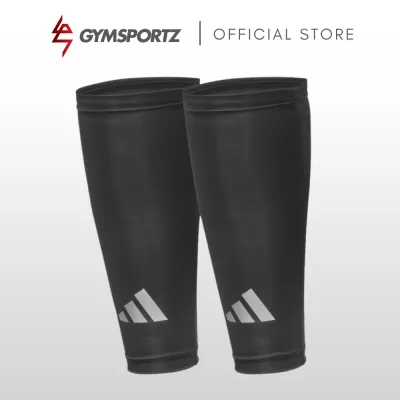
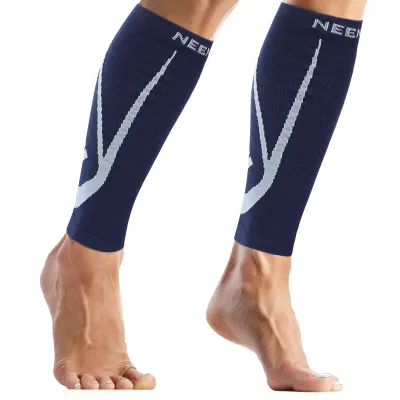
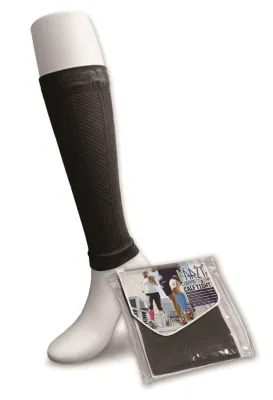
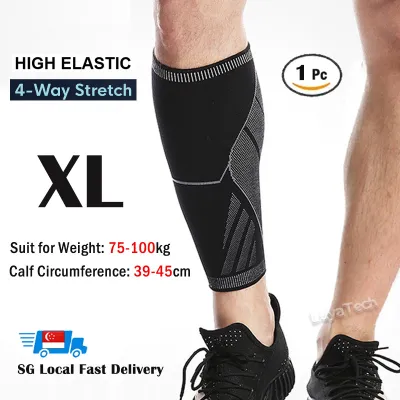
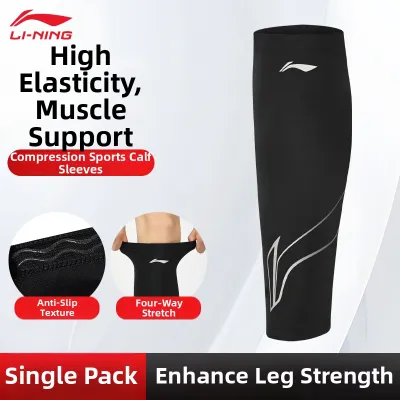
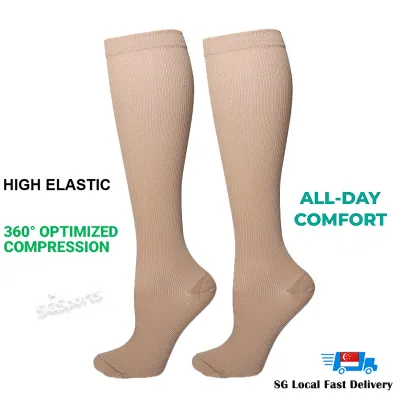
Prices are valid at publication and may change. Please refer to the product page for the latest price.
How to Choose the Right Calf Compression Sleeve
Understanding the core specifications of compression wear allows you to make an informed purchase. The main factors to evaluate include compression levels, pressure distribution, material composition, and the mechanism used to keep the sleeve in place.

Compression Levels (mmHg): Compression is measured in millimeters of mercury (mmHg). Mild compression (15–20 mmHg) is suitable for daily wear, light exercise, and travel, providing gentle support without restricting circulation. Firm compression (20–30 mmHg) is typically reserved for active running and post-workout recovery, offering stronger structural support and pressure. Any compression level exceeding 30 mmHg is considered medical-grade and should only be worn under the direct guidance of a healthcare professional to avoid circulatory complications.
Graduated vs. Uniform Compression: Graduated compression features a design where the pressure is tightest at the ankle and gradually decreases as it moves up the calf. This pressure gradient assists the veins in moving blood back up toward the heart against gravity. Uniform compression, which applies equal pressure across the entire length of the sleeve, is less effective for circulatory support and is more commonly found in basic warmth or protection sleeves rather than performance-oriented gear.
Material and Breathability: In Singapore’s tropical climate, material selection is critical to prevent skin irritation and overheating. Look for synthetic blends combining nylon, polyester, and elastane (spandex). These materials are highly effective at wicking moisture away from the skin and drying quickly. Avoid heavy cotton-based sleeves, which retain sweat, increase the weight of the garment, and cause friction that leads to chafing.
Grip and Stay-Up Features: To prevent the sleeve from slipping down during movement, manufacturers utilize different top-band designs. Silicone grip bands, consisting of small silicone dots or strips on the inner hem, provide a secure hold against the skin but can sometimes cause irritation in hot, sweaty conditions. Elastic bindings or wide, flat-knit cuffs offer a gentler grip that distributes pressure more evenly, making them preferable for sensitive skin or prolonged daily wear.
Best Calf Compression Features for Running
When running along East Coast Park or tackling the trails at MacRitchie, your calf muscles experience repetitive impact forces that lead to muscle fatigue and micro-tears. Running-specific calf sleeves are engineered to address these physical demands while keeping you cool.
Primary Goals: The primary objectives of running sleeves are muscle stabilization and moisture management. By wrapping the calf belly snugly, the sleeve minimizes lateral muscle vibration during foot strike, which can reduce energy waste and lower-leg fatigue over long distances.
Ideal Specifications: Look for moderate compression ranging from 15 to 20 mmHg. This level provides sufficient support without feeling overly restrictive during deep knee flexion or ankle extension. The construction should be incredibly lightweight, featuring targeted mesh ventilation zones along the shin and back of the calf to maximize airflow and heat dissipation.
Design Considerations: Seamless construction is vital for runners. Seams can rub against the skin during repetitive motion, leading to painful blisters and chafing, particularly when mixed with sweat. Additionally, if you prefer running during the cooler early mornings or evenings, look for sleeves with integrated reflective elements to improve your visibility to motorists and cyclists.
Market Context: Reputable athletic brands such as CEP, Compressport, and 2XU offer specialized running lines that incorporate these features. When shopping at local athletic retailers or online brand stores in Singapore, always verify the exact material composition and mmHg rating on the product label. Ensure the product is explicitly marketed for active sports performance rather than static recovery.
Best Calf Compression Features for Post-Workout Recovery
Recovery is when your muscles repair and rebuild, and the right compression sleeve can play a significant role in accelerating this process after an intense training session.
Primary Goals: Post-workout recovery sleeves focus on promoting venous return and lymphatic drainage. By applying targeted pressure, they help reduce localized swelling, minimize delayed onset muscle soreness (DOMS), and assist the body in clearing metabolic waste products that accumulate during exercise.
Ideal Specifications: Recovery sleeves generally utilize firmer compression levels, typically between 20 and 30 mmHg. The fabric is woven more densely than running sleeves to maintain consistent, firm pressure over extended periods. These sleeves often feature full calf coverage that extends lower down the ankle to cover the Achilles tendon insertion point, providing comprehensive support to the entire lower-leg complex.
Usage Guidelines: For optimal results, wear recovery sleeves during your post-run cool-down period or while resting at home. A typical recovery session lasts between two to four hours. Unless specifically directed by a healthcare professional, do not wear high-compression sleeves while sleeping, as horizontal body positioning alters circulatory dynamics and can lead to restricted blood flow.
Market Context: Recovery-focused models often feature specialized anatomical zoning, with a denser knit over the main calf muscle belly (gastrocnemius) and a more flexible weave over the shin bone. Because recovery requires precise pressure application, sizing is critical. Always cross-reference your measurements with the manufacturer’s specific sizing chart, as recovery sleeves are less forgiving of an incorrect fit than highly elastic running sleeves.
Best Calf Compression Features for Daily Wear and Travel
You do not need to be an athlete to benefit from calf compression. Individuals who stand for long periods, office workers sitting at desks for hours, and travelers on long flights can experience significant lower-leg fatigue.
Primary Goals: The main focus for daily wear and travel sleeves is preventing blood pooling in the lower extremities, reducing general leg heaviness, and managing mild swelling (edema) caused by prolonged inactivity.
Ideal Specifications: A mild compression level of 15 to 20 mmHg is ideal for everyday use. The fabrics used are typically softer, more flexible, and may incorporate natural fibers or textured synthetics that feel comfortable against the skin for eight to twelve hours. The top and bottom bands are designed to be wider and less restrictive, ensuring they do not dig into your skin or cut off circulation while you are seated.
Context for Daily Use: In Singapore, daily wear sleeves must be highly breathable to handle the transition from humid outdoor commutes to chilly, air-conditioned offices. Sleeves that are easy to slide on and off are highly convenient, allowing you to remove them easily if you feel too warm during your lunch break.
Market Context: Everyday and travel-specific lines are often marketed as travel sleeves, flight socks, or daily support wear. These products prioritize long-term skin comfort and thermal regulation over the aggressive muscle-stabilization features found in athletic gear. They are widely available in pharmacies, wellness shops, and online marketplaces across Singapore.
Comparing Compression Sleeves by Use Case
To help you quickly identify the correct type of sleeve for your specific needs, the table below outlines the key differences across the three primary categories.
| Use Case | Ideal Compression Level (mmHg) | Key Material Traits | Primary Benefit | Best Worn When |
|---|---|---|---|---|
| Running | 15–20 mmHg (Moderate) | Lightweight, highly breathable, moisture-wicking synthetic blends, seamless | Reduces muscle vibration and stabilizes calf during high-impact movement | During training runs, races, and active workouts |
| Post-Workout Recovery | 20–30 mmHg (Firm) | Dense fabric weave, graduated compression, anatomical zoning | Promotes venous return, reduces swelling, and minimizes DOMS | During cool-down, resting post-workout (2–4 hours) |
| Daily Wear & Travel | 15–20 mmHg (Mild) | Softer fabrics, flexible knit, wider and non-binding bands | Prevents blood pooling, reduces leg fatigue and mild swelling | During long flights, prolonged standing, or office desk work |
Note: Always verify the exact specifications, sizing guidelines, and material compositions on the product packaging before purchasing, as individual brand implementations and pressure ratings can vary.
Sizing, Fit, and Care Guidelines
To ensure your calf compression sleeves perform effectively and safely, obtaining an accurate fit and maintaining the garment properly is essential.
Measuring Guide: Never guess your size based on your height, weight, or standard clothing size. Use a flexible measuring tape to take two precise measurements:
- Calf Circumference: Measure around the widest part of your calf muscle.
- Ankle Circumference: Measure around the narrowest part of your ankle, just above the ankle bone.
Take these measurements in the morning when your legs are least swollen. Compare your numbers directly against the manufacturer’s size chart for the specific model you plan to buy, as sizing standards vary significantly between brands.
Fit Verification: Once you put the sleeve on, verify the fit by checking for specific physical cues.
- Signs of a correct fit: The sleeve should lay completely flat against your skin without any bunching, wrinkles, or folds. It should feel snug and supportive, like a firm hug, without causing pain.
- Signs the sleeve is too tight: If you experience numbness, tingling, cold toes, skin discoloration, or deep, painful indentations in your skin after removal, the sleeve is too tight and must be removed immediately.
- Signs the sleeve is too loose: If the sleeve slides down your leg when walking, bunches up at the ankle, or feels like a standard sock with no noticeable pressure, it is too loose and will not provide any compression benefits.
Washing and Care: Sweat, body oils, and dirt break down elastane and spandex fibers over time, reducing the sleeve’s elasticity. To extend the lifespan of your gear, follow these care instructions:
- Washing: Hand wash your sleeves in cold water using a mild detergent. If using a washing machine, place the sleeves inside a mesh laundry bag and select a gentle cycle with cold water. Avoid fabric softeners and bleach, as they coat and damage the elastic fibers.
- Drying: Never place compression sleeves in a clothes dryer, as high heat destroys elastane. Instead, gently squeeze out excess water (do not wring or twist the fabric) and lay them flat to air dry in a shaded area, away from direct sunlight and heat sources.
Frequently Asked Questions (FAQ)
Can I wear calf compression sleeves all day?
Yes, you can wear mild compression sleeves (15–20 mmHg) for extended periods during the day, provided they fit correctly and do not cause discomfort. However, you should remove them immediately if you experience pain, numbness, tingling, or skin irritation. It is highly recommended to take breaks from wearing them to allow your skin to breathe. Avoid wearing compression sleeves overnight while sleeping unless a healthcare professional has explicitly instructed you to do so.
Do calf sleeves help with shin splints?
Calf compression sleeves can provide warmth, light structural support, and temporary pain relief by gently compressing the muscles surrounding the shin. However, they are not a cure for shin splints, which are often caused by repetitive stress, poor biomechanics, or improper footwear. If you experience persistent or worsening lower leg pain, consult a doctor or a qualified physiotherapist for a comprehensive evaluation and treatment plan.
What is the difference between calf sleeves and compression socks?
The primary difference lies in foot coverage. Compression socks cover the entire foot and ankle, providing graduated compression from the toes upward, which helps prevent foot swelling and offers additional arch support and blister protection. Calf sleeves cover only the lower leg from the ankle to just below the knee. Sleeves allow you to wear your preferred athletic socks or specialized orthotics, are generally easier to put on and take off, and let your feet breathe in hot weather.
Community discussion
Share your experience or ask a question. Comments are reviewed before publication.