
Running along Singapore’s concrete Park Connector Network (PCN) or training under the humid tropical heat puts immense physical stress on your lower limbs. If you are a regular runner, you have likely experienced that tight, pulling sensation in your calves or a sharp, stabbing pain in your heel during your first steps in the morning. These symptoms are closely linked, and finding the right calf stretcher can make a significant difference in your recovery routine. By targeting the gastrocnemius, soleus, and plantar fascia, a dedicated stretching tool helps restore flexibility, reduce tension, and keep you on track for your next training session.
Understanding the Link Between Tight Calves and Plantar Fasciitis
To understand why a calf stretcher is such a valuable recovery tool, it is essential to look at the biomechanics of a runner’s stride. Every foot strike on hard concrete or asphalt transmits forces multiple times your body weight up through your foot and lower leg. When your calf muscles—specifically the gastrocnemius and soleus—become tight and shortened from repetitive loading, they limit your ankle’s range of motion, particularly ankle dorsiflexion, which is the ability to pull your toes toward your shin.
This limitation in ankle mobility forces your body to compensate during the gait cycle. Because the Achilles tendon directly connects your calf muscles to your heel bone (calcaneus), which in turn connects to the plantar fascia (the thick band of tissue running along the bottom of your foot), any tightness in the calves acts like a tight cable pulling on the heel. This constant tension transfers directly to the plantar fascia, causing micro-tears and inflammation, commonly known as plantar fasciitis. When you run with tight calves, the plantar fascia is forced to stretch excessively to make up for the lack of ankle flexibility, leading to chronic irritation and pain.
Products mentioned in this guide
![[Metaverse] Portable Professional Wooden Slant Board Adjustable Foot Incline Board Calf Ankle Stretcher Home Gym](https://img.lazcdn.com/g/p/15635aceeefb6abcdbcf4c041f5f1a56.jpg_400x400q80.jpg_.webp)
Prices are valid at publication and may change. Please refer to the product page for the latest price.
While manual stretching against a wall or on a curb is a common practice among runners, it is often inconsistent and difficult to measure. Without a fixed angle, it is easy to cheat the stretch by rotating your foot outward, bending your knee incorrectly, or lifting your heel, which reduces the stretch’s effectiveness. Mechanical recovery tools, such as slant boards or foot rockers, provide a stable, measurable, and repeatable angle. This allows for sustained, targeted tension that systematically lengthens the muscle fibers and relieves the pulling force on your heel.
However, it is important to set realistic expectations before incorporating these tools into your routine. While a calf stretcher is an exceptional tool for maintaining daily flexibility and aiding recovery after intense training sessions, it is not a cure-all. It should be used as a preventative and maintenance aid rather than a replacement for professional medical treatment, especially if you are dealing with acute, severe injuries or chronic inflammation that does not improve with rest.
How to Choose the Right Calf Stretcher for Your Recovery
Selecting the ideal calf stretcher requires looking beyond basic designs and evaluating how a tool fits your specific physical needs, training environment, and living space. Because every runner’s flexibility and biomechanics differ, a one-size-fits-all approach rarely works.

Adjustability and Angle Range
Your flexibility will change as your muscles warm up and adapt over time, making adjustable angles crucial for progressive loading. Beginners or those with highly acute plantar fasciitis may need to start at a very gentle incline, such as 10 to 15 degrees, to avoid aggravating the tissue. As your flexibility improves, the ability to increment the angle up to 20, 30, or even 40 degrees allows you to continue challenging the muscles safely. Look for tools that offer clear, secure locking mechanisms for these angle adjustments to prevent sudden slipping during use.
Stability and Weight Capacity
Because calf stretching often involves standing and bearing your full body weight on the device, stability is paramount for safety. A flimsy stretcher that wobbles or slides on your flooring can lead to sudden loss of balance, potentially straining your ankle or Achilles tendon. Prioritize stretchers constructed from heavy-duty materials, such as multi-layered hardwood or reinforced high-density plastics. Check the manufacturer’s specified weight limits to ensure the device can safely support your weight during active stretching. Additionally, look for robust rubber feet or non-slip base pads that grip securely on common Singaporean flooring types, such as polished tiles, vinyl, or parquet.
Portability vs. Stationary Use
Consider where you will perform your recovery sessions. If you prefer stretching immediately after track sessions at the stadium or after a long run along the East Coast Park, a portable option is essential. Lightweight stretching straps with multi-loop designs fit easily into a small gym bag and require no flat surface to operate. Conversely, if your recovery is centered around a dedicated home gym or living room setup, a stationary wooden slant board offers unmatched stability and a deeper, more structured stretch, though it has a larger footprint and is less convenient to transport.
Footbed Ergonomics
The interface between your foot and the stretcher determines both comfort and effectiveness. For runners dealing with plantar fasciitis, a flat, hard surface can sometimes feel uncomfortable or cause the foot to slide. Look for stretchers that feature textured grip tape, rubberized ridges, or contoured footbeds that hold your shoe or bare foot firmly in place. Some advanced designs incorporate a slight arch support or a raised heel cup, which helps isolate the stretch to the lower leg muscles while preventing the plantar fascia from being excessively collapsed or over-strained during the movement.
Top Calf Stretcher Categories for Runners
To help you navigate the options available on online marketplaces and specialty sports stores, we can break down calf stretchers into three primary categories. Each has unique mechanical advantages and trade-offs.
Slant Boards and Inclined Stretchers
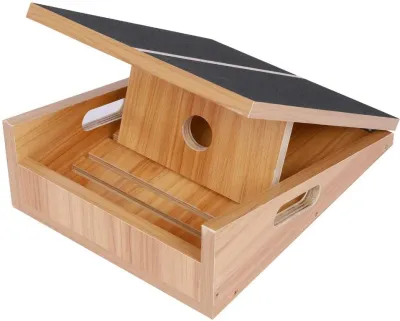
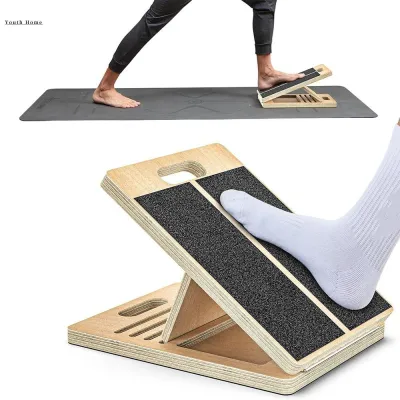
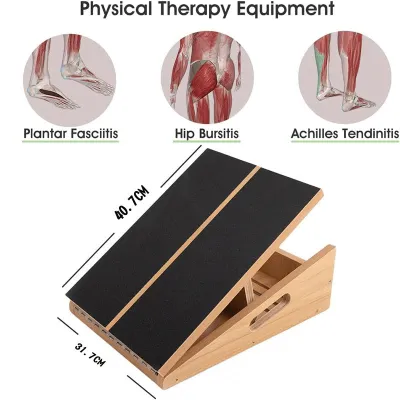
Slant boards are the gold standard for deep, weight-bearing calf and Achilles stretching. Typically designed as a flat platform on an adjustable wedge, these devices allow you to stand upright while your feet are held at a precise upward angle. This standing position utilizes your body weight to create a deep, passive stretch through both the gastrocnemius (when your knee is straight) and the soleus (when your knee is slightly bent).
When shopping for a slant board, look for models made of high-quality plywood or heavy-duty steel, which generally offer higher weight capacities and longer lifespans than budget plastic alternatives. Ensure the standing surface is fully covered with high-friction grip tape to prevent your feet from sliding downward, especially if you are stretching in socks or after a sweaty run. In Singapore’s humid climate, sweat can quickly compromise smooth surfaces, making robust grip tape a key safety feature.
The primary limitation of slant boards is their physical size and weight. They are bulky, heavy, and difficult to pack, making them strictly stationary tools for home or clinic use. They also require a flat, level floor to operate safely, meaning they are not suitable for outdoor trailside recovery. If you live in a compact apartment, you will also need to consider where to store a heavy wooden board when it is not in use.
Stretching Straps with Multi-Loop Designs
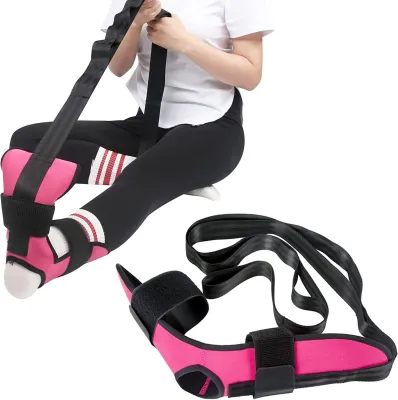
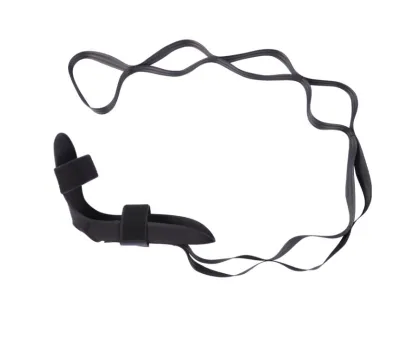
Stretching straps offer a highly portable, non-weight-bearing alternative that is perfect for runners on the go. These straps typically feature a foot cradle or sleeve that slips over your midfoot and toes, connected to a long, durable strap with multiple stitched loops. By sitting on the floor with your leg extended and pulling the strap toward your torso, you can manually control the stretch angle and tension.
The main benefit of a multi-loop strap is its exceptional portability. It can be rolled up to the size of a fist, making it easy to toss into a running pack or gym bag for use immediately after track workouts. Because it is used while seated or lying down, it removes your body weight from the equation, allowing you to stretch highly sensitive or recovering muscles without overloading them. This makes straps an excellent choice for the early stages of plantar fasciitis rehabilitation when weight-bearing stretches might feel too intense.
However, straps require active user effort and proper form. You must engage your core and upper body to maintain the tension, and it is easy to accidentally pull your foot into inversion (tilting inward) or eversion (tilting outward). This misalignment can place uneven stress on the ankle joint and lateral ligaments, so careful alignment is necessary during every use. Always ensure you pull the strap straight back toward your body, keeping your knee and toes pointing directly upward.
Foot Rockers and Plantar Fascia Socks
Foot rockers and specialized recovery socks represent targeted, ergonomic solutions designed specifically to address the lower leg and foot complex simultaneously.
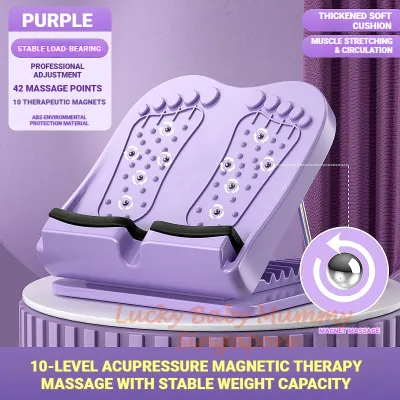
A foot rocker is a curved, shoe-like device that you step into, usually one foot at a time. By gently rocking your foot from heel to toe, you move through a continuous, dynamic range of motion. This rolling action allows you to stretch the calf muscles while actively massaging and lengthening the plantar fascia. Many foot rockers are designed for seated use, making them excellent for keeping under a desk at work to relieve tightness during long hours of sitting. This active movement also helps promote blood circulation in the lower limbs, which can aid in flushing out metabolic waste after a hard run.
Plantar fascia socks (often referred to as night splints or tension socks) and compression sleeves offer a passive recovery option. These socks feature an adjustable strap that connects the toe area to the shin, holding your foot in a gentle, passive state of dorsiflexion while you sleep or rest. This prevents the calf muscles and plantar fascia from contracting and tightening overnight, which is the primary cause of that sharp, stabbing morning heel pain.
When choosing these passive tools, prioritize breathability and comfort. Singapore’s warm, humid nights mean heavy neoprene splints can quickly become hot and uncomfortable, leading to skin irritation or discarded use. Look for lightweight, moisture-wicking materials that are easy to wash and maintain, ensuring you can wear them consistently without discomfort.
How to Use Calf Stretchers Safely and Effectively
Using a calf stretcher correctly is just as important as choosing the right model. Improper use can lead to muscle strains, tendon irritation, or worsened plantar fascia inflammation.
Warm-up vs. Cool-down Avoid using static stretching tools on cold muscles before a run. Cold muscle fibers are less pliable and more prone to micro-tears when subjected to deep, sustained tension. Instead, perform a dynamic warm-up—such as ankle circles, leg swings, and gentle heel raises—before you head out. Save your calf stretcher for your post-run cool-down or dedicated recovery sessions on rest days, when your muscles are warm, highly vascularized, and receptive to lengthening.
Duration and Intensity When using a slant board, strap, or rocker, aim for a moderate, comfortable stretch. On a pain scale of 1 to 10, the intensity should hover around a 4 or 5—you should feel a distinct pull, but no sharp pain or burning. Hold each static stretch for 20 to 30 seconds, relax, and repeat 3 to 4 times per leg. Avoid bouncing (ballistic stretching) while on the device, as sudden bouncing triggers a stretch reflex that causes the muscle to contract, defeating the purpose of the stretch and increasing the risk of injury.
Consistency Flexibility gains are cumulative. Using a calf stretcher once a week will yield minimal long-term benefits. For chronic tightness and plantar fasciitis management, aim for short, consistent daily sessions. Spending just 5 to 10 minutes on your stretcher every evening can gradually remodel the muscle tissue and fascia over several weeks, leading to lasting improvements in your ankle mobility.
Safety Boundaries Always listen to your body’s signals. Stop stretching immediately if you experience sharp or stabbing pain, numbness, tingling in your toes, or a deep, throbbing ache in your Achilles tendon. These symptoms can indicate nerve compression, acute inflammation, or a tendon tear, which will only be aggravated by further stretching. Before starting any new stretching regimen, check the manufacturer instructions for your specific device to ensure proper alignment and usage.
When to See a Professional Instead of Relying on Stretchers
While at-home recovery tools are excellent for managing mild tightness and routine post-run soreness, they have limitations. It is crucial to recognize when your lower leg pain requires clinical attention rather than self-treatment.
If your heel pain is so severe that you limp during your first steps in the morning, or if the pain persists throughout the day and does not improve after two weeks of consistent, gentle stretching, you should consult a professional. Persistent, localized pain directly on the Achilles tendon or a sensation of a “pop” during a run are major red flags that require immediate medical evaluation.
Aggressive stretching can actually worsen certain conditions. For instance, insertional Achilles tendinopathy (where the tendon meets the heel bone) can be aggravated by deep dorsiflexion on a slant board, as the tendon is compressed against the bone. Similarly, stress fractures of the calcaneus or severe fascial tears will not respond to stretching and require strict immobilization. If you are unsure of your diagnosis, stop using stretching tools and seek professional advice.
A qualified physiotherapist, podiatrist, or sports medicine specialist can provide a comprehensive assessment. They can perform a detailed gait analysis to identify biomechanical issues, prescribe custom orthotics to support your arches, and utilize targeted manual therapies to accelerate your recovery safely. Remember, recovery equipment is designed to support your training, but it cannot replace professional clinical judgment and personalized rehabilitation plans.
Frequently Asked Questions (FAQ)
Can stretching make plantar fasciitis worse?
Yes, aggressive or improper stretching can aggravate plantar fasciitis. When the plantar fascia is acutely inflamed or has micro-tears, pulling it too hard or forcing it into extreme dorsiflexion can cause further tearing and delay the healing process. Always keep your stretches gentle, controlled, and pain-free, and avoid stretching during the highly acute, painful phase of an injury.
Should I stretch my calves before or after running?
You should stretch your calves after running or during dedicated recovery sessions. Before a run, focus on dynamic movements to increase blood flow and joint mobility. Save static stretching with tools like slant boards or straps for post-run recovery, when your muscles are warm and pliable, which helps safely improve long-term flexibility.
How long does it take to see results from daily calf stretching?
While you may feel temporary relief immediately after a stretching session, structural changes in muscle length and significant reduction in plantar fasciitis pain typically require consistent, daily stretching for four to six weeks. Patience and regular practice are key to achieving lasting flexibility and pain relief.
Community discussion
Share your experience or ask a question. Comments are reviewed before publication.