
Selecting the correct footwear for cheerleading is one of the most critical decisions an athlete can make, directly impacting safety, stability, and overall routine execution. Because cheerleading blends high-impact gymnastics, complex aerial stunts, and synchronized dancing, your footwear must perform multiple duties simultaneously. The ideal shoe depends on your specific role—whether you are a base requiring maximum stability, a flyer needing lightweight flexibility, or a tumbler seeking shock absorption—as well as the surfaces where you train and perform. Choosing the wrong shoe can compromise your form and increase the risk of acute or chronic injuries.
Quick Guide: Choosing the Right Cheerleading and Dancing Shoe Type
Cheerleading shoes generally fall into two primary categories, each engineered for distinct aspects of the sport. Cushioned cheerleading sneakers are designed with robust midsoles to absorb heavy impacts during repetitive practice sessions, stunting drills, and tumbling passes. Conversely, lightweight performance shoes prioritize minimalism, offering maximum flexibility and a close floor feel that is ideal for game-day routines, fast-paced tumbling, and precise dancing segments.
The fundamental trade-off when choosing between these styles lies in balancing shock absorption against flexibility. Bases and backspots, who bear the weight of other athletes, require the structured support and rigid platforms of cushioned sneakers to maintain their balance and protect their joints. Flyers and tumblers, who need to point their toes cleanly in the air or execute rapid footwork, benefit far more from the unrestricted movement of lightweight, low-profile designs.
Products mentioned in this guide
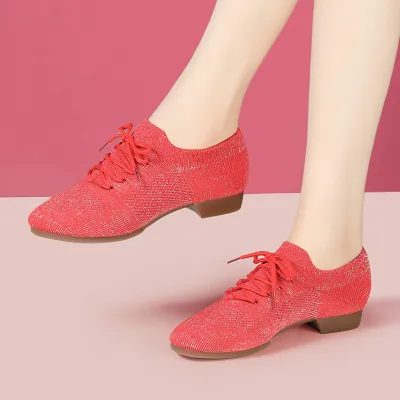
Prices are valid at publication and may change. Please refer to the product page for the latest price.
Before purchasing any footwear, always verify your team or gym’s specific uniform and safety regulations. Many competitive programs, school athletic departments, and national governing bodies mandate specific shoe styles, solid white colorways, or certified brands for official competitions. Checking these guidelines beforehand ensures your investment complies with safety standards and team uniformity requirements.
Practice vs. Performance: Matching Shoes to Your Routine
Understanding the structural differences between daily training footwear and specialized performance shoes allows you to match your gear to the specific physical demands of your routine.

Cheerleading Sneakers for Practice and Stunting
Daily practices involve hours of repetitive drills, making joint protection and shoe durability your top priorities. Athletic-style cheer sneakers feature thicker polyurethane (PU) or ethylene-vinyl acetate (EVA) midsoles that absorb the force of repeated landings on hard surfaces. This cushioning reduces the cumulative stress placed on your knees, ankles, and lower back during multi-hour training sessions.
For bases and backspots, the physical friction of stunting requires a highly durable shoe construction. Practice-oriented sneakers are typically built with reinforced toe caps, synthetic leather overlays, and sturdy sidewalls that resist tearing when flyers step on or grip the shoe. The structured upper also provides lateral stability, preventing the base’s foot from sliding inside the shoe when stabilizing a stunt overhead.
However, these protective features come with specific trade-offs. The added cushioning and structural reinforcements make practice sneakers heavier and bulkier than performance-specific models. This extra weight can hinder rapid footwork during complex dance segments and make it difficult for flyers to execute clean, aesthetically pleasing toe points during aerial maneuvers.
Lightweight Cheer and Pom Shoes for Performances
When transitioning to official performances, halftime shows, or competitions, the focus shifts from rugged durability to agility and visual precision. Performance-specific shoes utilize split-sole designs, where the rubber outsole is divided into separate heel and forefoot sections connected by a flexible fabric arch. This construction mimics classical dancing shoes, allowing the foot to arch and flex naturally to achieve a sharp, polished silhouette.
Weight reduction is another major advantage of performance footwear, with many models weighing less than 150 grams per shoe. This weightlessness helps athletes achieve higher vertical jumps, faster leg transitions, and more explosive tumbling passes. The low-profile midsole keeps the foot closer to the ground, providing tumblers with a more tactile, responsive feel of the performing surface.
The primary limitation of these ultra-lightweight shoes is their lack of long-term cushioning and structural support. They are not designed to withstand the wear and tear of daily, multi-hour stunting practices, and the minimal midsoles offer limited protection against repetitive high-impact landings. Using performance shoes exclusively for competition days helps preserve their structural integrity and keeps them looking pristine.
How Floor Surfaces Dictate Your Outsole Choice
The traction and material composition of your shoe’s outsole must align with the specific training and performance environments to prevent slips, trips, and joint strain.
Indoor Gym Floors and Sprung Cheer Mats
Indoor training facilities, school sports halls, and competition venues typically feature sprung wooden floors, vinyl courts, or specialized foam cheer mats. When performing on these surfaces, it is vital to verify that your shoes feature non-marking rubber outsoles. Non-marking rubber is formulated to provide reliable traction without leaving dark scuff marks or damaging the polished finish of indoor courts.
Achieving the correct balance of grip is essential for indoor routines. The outsole must provide enough traction to prevent slipping during explosive tumbling run-ups, yet allow enough slide for smooth pivots, spins, and turns during dance transitions. An outsole with excessive grip can cause the foot to stick abruptly to the mat during a turn, transferring dangerous rotational force to the ankle and knee joints.
To maintain the safety and cleanliness of indoor training environments, never wear your indoor cheer shoes outside. Walking on asphalt, concrete, or gravel embeds microscopic dirt, oil, and sharp debris into the rubber treads. When you step back onto an indoor mat, this embedded grit acts like sandpaper, scratching the surface and significantly reducing the shoe’s grip on subsequent practices.
Outdoor Fields, Turf, and Halftime Shows
Performances on outdoor grass fields, artificial turf, and rubberized running tracks present a completely different set of physical challenges. These surfaces require outsoles with more aggressive, deeper tread patterns to cut through grass or grip the textured fibers of synthetic turf. Standard indoor flat-soled shoes will slide easily on wet grass or dusty outdoor tracks, increasing the risk of falls.
Weather resistance and ease of cleaning are critical material considerations for outdoor footwear. Synthetic leather uppers are highly preferred over open mesh for outdoor use, as they block moisture from morning dew or damp grass and can be easily wiped clean of mud and dirt. Some outdoor-specific models also feature reinforced water-resistant coatings along the sole line to keep feet dry.
To preserve your primary competition shoes, consider maintaining a dedicated pair of older “beater” shoes for outdoor practices and halftime shows. Outdoor surfaces accelerate tread wear and stain white materials rapidly. Using a secondary pair for outdoor events ensures your primary competition shoes remain bright white, structurally sound, and perfectly grippy for indoor judges.
Essential Fit, Grip, and Support Features to Verify
When shopping for cheerleading footwear, use this practical checklist of physical attributes and manufacturer specifications to ensure the shoes meet your physiological and routine requirements.
- Arch Support vs. Flexibility: Evaluate the sole construction based on your team role. Bases should look for full-sole shoes that distribute weight evenly across the entire foot, reducing arch fatigue during lifts. Flyers and dancers should prioritize split-sole designs that allow maximum foot articulation and clean toe points.
- Heel Counter Stability: Physically test the rear of the shoe by squeezing the heel cup with your thumb and forefinger. A high-quality cheer shoe should have a firm, rigid heel counter that does not collapse easily under pressure. This structure stabilizes the calcaneus (heel bone) upon landing, preventing lateral ankle rolling.
- Toe Articulation and Sizing: Ensure the toe box is wide enough to allow your toes to splay naturally when landing or balancing. If your toes are cramped or clawed inside the shoe, your balance will be severely compromised. Note that many specialized cheer brands run smaller than standard athletic shoes, often requiring you to size up by a half or full size.
- Breathability and Weight: Look for engineered mesh panels, perforated synthetic leather, and moisture-wicking inner linings. In hot or humid training environments, proper ventilation is crucial to prevent sweat buildup, which can cause the foot to slide inside the shoe, leading to blisters and loss of control. Verify the manufacturer's stated weight to ensure it aligns with your agility needs.
Care and Maintenance to Extend Shoe Lifespan
Proper maintenance preserves the safety features of your cheerleading shoes and ensures they remain compliant with gym cleanliness rules throughout the season.
To clean non-marking rubber soles and restore their original grip, wipe them down after every practice using a damp, lint-free microfiber cloth and a small amount of mild dish soap. Avoid using harsh chemical solvents, bleach, or abrasive scrubbing pads, as these substances can degrade the rubber compounds, causing them to dry out, crack, and lose their slip-resistant properties.
After intense, sweaty workouts, remove the shoes from your gym bag immediately to dry. Air-dry them in a well-ventilated indoor space away from direct sunlight, radiators, or tumble dryers. High heat degrades the specialized adhesives used to bond the upper to the midsole, leading to premature sole separation and warping of the synthetic materials. Inserting crumpled, unprinted packing paper or silica gel packets inside the shoes can help absorb internal moisture quickly.
Establish a routine inspection schedule to identify when your shoes have reached the end of their functional lifespan. Look for smoothed-out tread patterns, a compressed midsole that no longer bounces back when pressed, or a softened heel counter that offers no resistance. If you experience unusual joint soreness in your knees or shins after landings, or if you find yourself slipping on clean mats, it is time to retire the shoes to prevent injury.
Frequently Asked Questions (FAQ)
Can I use regular running shoes for cheerleading practice?
Using regular running shoes for cheerleading practice is not recommended due to significant differences in design and safety. Running shoes are engineered strictly for forward, linear motion, featuring thick, highly cushioned heels with a steep heel-to-toe drop. This elevated heel design raises your center of gravity and severely compromises lateral ankle stability, making you highly susceptible to ankle sprains during lateral stunting transitions.
Additionally, running shoes often feature aggressive, deep tread patterns designed to grip asphalt or dirt. When worn on indoor cheer mats, these treads can stick too firmly during quick pivots, turns, or tumbling rotations, transferring dangerous twisting forces to your knees and ankles. Cheer shoes are specifically designed with low-profile, flat outsoles and smooth pivot points to facilitate safe lateral movements and controlled spins.
How often should cheerleaders replace their shoes?
Cheerleaders should replace their shoes based on observable physical wear and structural degradation rather than a strict calendar timeline. For competitive athletes training three to four times a week on abrasive surfaces, shoes may need replacement every four to six months. The constant friction of bases’ hands gripping a flyer’s feet, combined with high-impact tumbling landings, accelerates material fatigue.
For casual or seasonal performers who train once or twice a week, a high-quality pair of cheer shoes can easily last an entire school year or athletic season. To determine if your shoes need replacing, check for asymmetrical wear on the soles, visible separation between the sole and the upper, or a noticeable loss of shock absorption during landings. Replacing worn footwear promptly is essential to maintaining proper traction and joint protection.
Community discussion
Share your experience or ask a question. Comments are reviewed before publication.