
While “vet wrap” is a popular colloquial term for self-adherent cohesive bandages, using actual veterinary-grade wraps for human sports support is not recommended. Instead, athletes in Singapore should look for human-grade cohesive bandages designed specifically for sports and medical use. These human-grade alternatives provide safe, reliable joint stabilization and compression without the skin irritation risks associated with animal-grade products. By choosing certified sports cohesive wraps, you can protect your joints during intense physical activities while keeping your skin safe in Singapore’s tropical climate.
Navigating the wide array of sports tapes and cohesive wraps available in Singapore requires a clear understanding of what makes a wrap safe and effective for human use. While the mechanical action of cohesive bandages remains consistent across different applications, the materials, manufacturing standards, and chemical formulations vary significantly. Choosing the right product involves evaluating material safety, compression stability, and suitability for local environmental conditions. This guide outlines how to distinguish between animal-grade and human-grade wraps, what key features to look for when purchasing sports support, and how to apply these wraps safely to prevent injury.
Understanding Vet Wrap vs. Human-Grade Cohesive Bandages
To understand why human-grade cohesive bandages are necessary, it is essential to look at the design intent of traditional vet wrap. Developed primarily for veterinary clinics, vet wrap is engineered to secure dressings on animals with fur. Because animal skin and hair coats differ significantly from human skin, these wraps are often manufactured with high concentrations of natural rubber latex, heavy industrial dyes, and sometimes bitter chemical additives designed to discourage animals from chewing on their bandages. These formulations are not subjected to the rigorous biocompatibility testing required for human medical devices.
Products mentioned in this guide
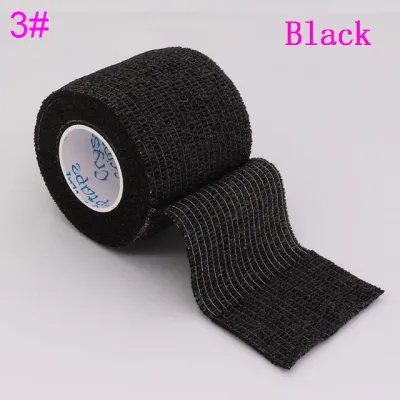
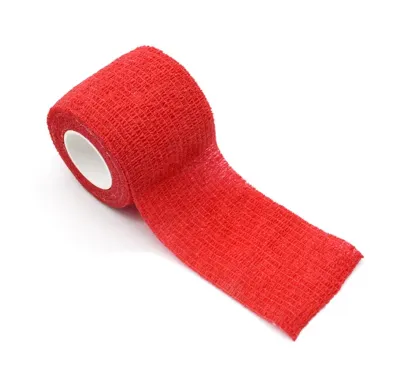
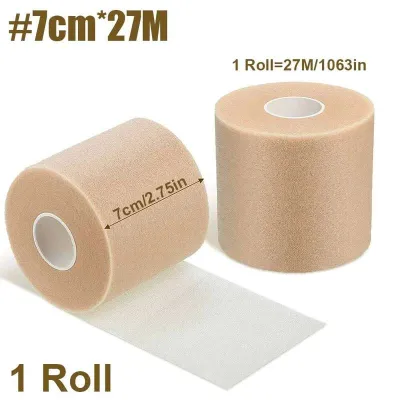
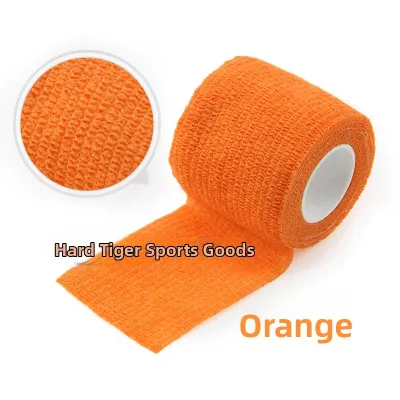
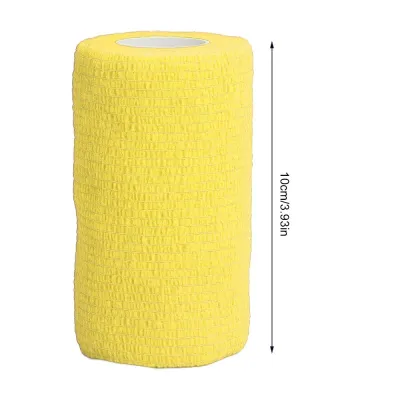
Prices are valid at publication and may change. Please refer to the product page for the latest price.
Human skin, by contrast, is highly sensitive and prone to contact dermatitis, allergic reactions, and friction blisters when exposed to harsh chemicals or excessive moisture. When you engage in physical activity, your pores open, and sweat increases the absorption of topically applied materials. Using a non-certified animal product on human skin during a high-intensity workout can lead to severe skin irritation, rashes, or systemic allergic reactions to latex. Furthermore, veterinary wraps may not offer the standardized, predictable elasticity required to provide precise therapeutic compression to human joints.
Human-grade cohesive bandages, often referred to as self-adherent sports wraps, are manufactured under strict quality control guidelines. These products are designed to be biocompatible, meaning they are tested to ensure they do not cause adverse skin reactions under normal conditions. Many human-grade wraps are formulated to be latex-free, utilizing synthetic cohesive agents that provide a secure hold without the risk of triggering latex allergies. Additionally, the tension and elasticity of human-grade wraps are calibrated to provide consistent support, helping athletes stabilize weak joints without accidentally cutting off blood circulation.
In Singapore’s hot and humid climate, the distinction between these two product categories becomes even more critical. High humidity levels mean that sweat remains trapped against the skin for longer periods during outdoor activities like running along the East Coast Park or playing football in local community spaces. Trapped moisture combined with the non-breathable, chemical-heavy composition of animal-grade vet wrap creates an ideal environment for bacterial growth and severe skin maceration. Opting for certified human-grade cohesive bandages ensures that your skin remains protected while your joints receive the structural support they need.
Essential Features for Athletic Support and Injury Prevention
Selecting the right self-adherent wrap for sports support requires a careful evaluation of several key features. The primary function of a cohesive bandage in an athletic context is to provide external stabilization to joints, muscles, and tendons. To achieve this, the wrap must possess the correct level of elasticity and compression. High-quality wraps offer controlled compression, meaning they stretch easily during application but provide firm resistance once wrapped, preventing excessive joint movement without completely restricting natural mobility. The level of compression required depends heavily on the specific joint; for instance, a highly mobile ankle requires a wider, more supportive wrap than a sprained finger.

Another critical factor is breathability and moisture-wicking capability, which is particularly vital for athletes in Singapore. When exercising in tropical conditions, a non-porous wrap will trap sweat, causing the bandage to slip, lose its cohesive grip, and irritate the skin. Look for cohesive bandages made from porous, non-woven materials or lightweight cotton fabrics. These materials allow air to circulate freely and facilitate the evaporation of sweat, keeping the underlying skin dry and maintaining the structural integrity of the wrap throughout your workout.
Skin safety and adhesive quality must also be verified before purchase. A reliable cohesive bandage should adhere only to itself, leaving absolutely no sticky residue on your skin, hair, or clothing upon removal. This self-adhering property is achieved through a specialized cohesive coating rather than traditional chemical glues. For individuals with sensitive skin or known allergies, verifying that the product is labeled as latex-free and hypoallergenic is an essential step. This prevents the development of painful contact rashes that can disrupt your training schedule.
Finally, the suitability of the wrap must be matched to your specific sport, body size, and carrying method. For high-impact court sports like badminton or basketball, where rapid lateral movements put immense stress on the ankles and knees, a thicker, highly durable cohesive wrap is necessary to withstand sudden forces. For endurance sports like trail running or hiking in MacRitchie Reservoir, where gear weight is a concern, lightweight and compact rolls that can easily fit into a running vest or first-aid kit are preferred. Ensure you select a width that matches the body part being wrapped: 2.5 cm wraps are ideal for fingers and wrists, while 5 cm or 7.5 cm wraps are better suited for ankles, elbows, and knees.
Identifying Reliable Brands and Where to Buy in Singapore
When searching for high-quality cohesive bandages in Singapore, it is important to avoid generic, unbranded wraps that do not list their ingredients or manufacturing standards. Reputable medical and sports taping brands prioritize quality control, ensuring that each roll provides consistent tension and is free from harmful chemical contaminants. Look for established brands that specialize in sports medicine, physical therapy, or medical wound care. These manufacturers typically print clear product specifications, latex warnings, and usage instructions directly on the packaging.
To ensure you are purchasing authentic, human-grade products, source your cohesive bandages from reliable local retail channels. Major pharmacies in Singapore, such as Guardian, Watsons, and Unity, stock a variety of medical-grade self-adherent wraps in their first-aid or sports support sections. For specialized athletic wraps designed for high-performance sports, visit dedicated sports retailers, running specialty stores, or physiotherapy clinics. Additionally, official online brand stores on major ecommerce platforms offer a convenient way to purchase genuine products directly from authorized distributors, reducing the risk of buying counterfeit or veterinary-grade items.
Before making a purchase, use a quick checklist to verify the product label. First, check that the packaging explicitly states the wrap is intended for human medical or sports use. Second, look for certifications such as FDA registration, CE marking, or compliance with international quality standards. Third, verify the material composition, looking for latex-free labels if you have sensitive skin. Lastly, avoid products that are marketed primarily in pet supply sections or labeled as veterinary use only, even if they appear identical to human sports wraps. Investing in proper human-grade equipment is essential for protecting your skin and ensuring reliable joint support.
Safe Application, Maintenance, and When to Stop
Applying a cohesive bandage correctly is just as important as choosing the right product. Improper application can lead to restricted blood flow, nerve compression, or skin damage, turning a minor joint strain into a more serious medical issue. When wrapping a joint, always start from the point furthest from your heart and wrap inward. For example, when wrapping an ankle, begin near the toes and wrap upward toward the calf. This technique supports natural venous return and prevents blood from pooling in your extremities. Apply the wrap with moderate, even tension, overlapping each layer by approximately half the width of the bandage.
As you apply the wrap, it is crucial to remember that cohesive bandages shrink slightly as they conform to your body and as your muscles swell during exercise. To prevent the wrap from acting as a tourniquet, avoid stretching the bandage to its maximum limit during application. Instead, unroll a portion of the wrap from the roll first, let it relax slightly, and then smooth it onto the body part with gentle, controlled tension. Once the wrap is in place, press down firmly across the entire surface to secure the cohesive bond.
During your workout, actively monitor the wrapped area for any signs of restricted circulation or nerve compression. If you experience coldness in your fingers or toes, tingling, numbness, a pale or bluish skin color, or an increase in throbbing pain, these are clear indicators that the wrap is too tight. If any of these symptoms occur, stop your activity immediately, remove the wrap, and allow your circulation to return to normal before reapplying with less tension.
It is vital to recognize the limits of self-treatment and cohesive wrapping. Cohesive bandages are designed to provide temporary, light-to-moderate support for minor joint instability or to hold cold packs and dressings in place; they cannot replace professional medical training, physical therapy, or structural orthopedic braces. For high-risk sports such as rock climbing, wakeboarding, or long-distance trail running, relying solely on a wrap to protect an already injured joint is highly dangerous. If you experience severe pain, immediate swelling, an inability to bear weight, or if your joint instability persists after a few days, stop using the wrap and consult a qualified physiotherapist or medical professional in Singapore for a comprehensive assessment.
Frequently Asked Questions (FAQ)
Can I use standard vet wrap from a pet store for my own sports injuries?
No, you should not use standard vet wrap designed for animals on human sports injuries. Veterinary-grade wraps are not certified for human skin contact and often contain higher concentrations of latex, industrial dyes, or bitter chemical deterrents to prevent animals from biting the bandage. These substances can cause severe allergic reactions, contact dermatitis, and skin irritation, especially when combined with sweat during physical activity. Always purchase cohesive bandages explicitly labeled for human medical or sports use.
How long can I safely wear a cohesive bandage during a workout?
You should limit the wear time of a cohesive bandage to the duration of your active training session or sports match, typically no longer than two to three hours. Prolonged wear can restrict blood circulation, trap sweat against your skin, and lead to skin maceration or irritation. Always remove the wrap immediately after you finish exercising, wash the area with mild soap and water, and allow your skin to dry completely to maintain optimal skin health.
Are self-adherent wraps reusable for multiple training sessions?
Generally, cohesive bandages are designed for single-use applications and are not reusable. Once a wrap has been stretched, applied to the body, and exposed to sweat, dirt, and natural body oils, the microscopic cohesive coating loses its ability to stick to itself effectively. Attempting to reuse a soiled wrap not only compromises the level of support and compression it provides but also poses hygiene risks, particularly in Singapore’s humid climate where bacteria and fungi can quickly multiply in damp, used fabrics.
Community discussion
Share your experience or ask a question. Comments are reviewed before publication.