
Finding space for fitness equipment in a modern Singapore home can be a challenge. With the average size of Housing & Development Board (HDB) flats and condominiums requiring smart space utilization, bulky exercise gear often ends up cluttering living areas or gathering dust in hard-to-reach bomb shelters. If you are looking to build hand strength, recover from repetitive strain injuries, or relieve daily work stress without sacrificing precious square footage, a compact exercise ball for hand training is an ideal solution. These palm-sized tools are highly effective, completely silent, and can be easily tucked away in a desk drawer or a small pouch when not in use.
Unlike large yoga balls or heavy resistance machinery, hand exercise balls allow you to perform targeted physical therapy and strength training from the comfort of your sofa, office chair, or even during your daily MRT commute. They provide a low-barrier way to keep your fingers, wrists, and forearms active throughout the day. By choosing the right type of ball for your specific physical needs and home environment, you can establish a highly consistent, space-efficient routine that fits seamlessly into your daily life.
Why Hand Exercise Balls Are Perfect for Compact Living
An exercise ball for hand training is a compact, handheld fitness tool designed specifically to improve grip strength, finger dexterity, joint mobility, and forearm muscular endurance. Unlike larger fitness equipment that requires dedicated floor space or complex setups, these handheld trainers are small enough to fit entirely within the palm of your hand. They are engineered to offer varying degrees of resistance when squeezed, rolled, or pinched, making them highly versatile tools for both active strength building and physical rehabilitation.
Products mentioned in this guide
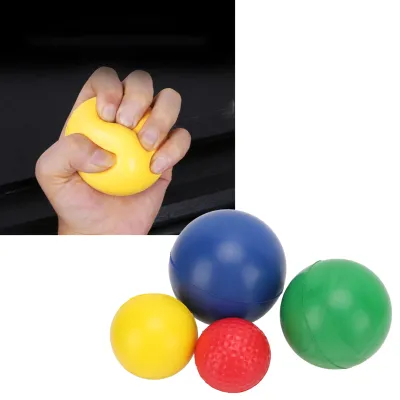
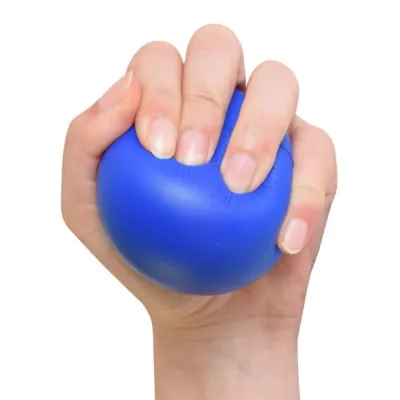
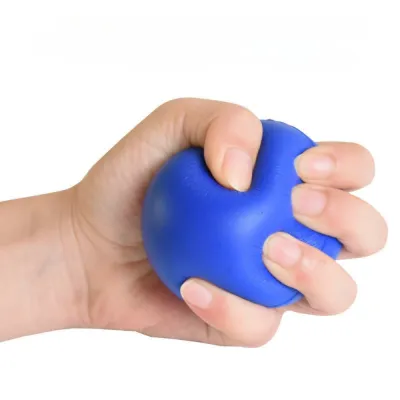
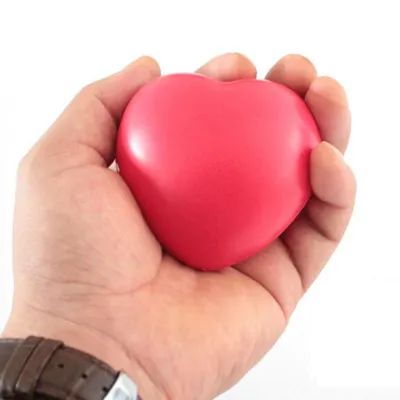
Prices are valid at publication and may change. Please refer to the product page for the latest price.
For residents living in HDB apartments and compact urban spaces in Singapore, maximizing the utility of every square meter is a constant priority. Hand exercise balls require absolutely zero storage space on your floor or walls. They can be stored discreetly in a bedside table, a study desk organizer, or a small basket in the living room. This ultra-compact footprint ensures that your living space remains clean, uncluttered, and visually relaxing, which is essential for maintaining a comfortable home environment.
In addition to their space-saving design, these tools support a highly flexible lifestyle. Because they are completely silent and require no setup, you can easily integrate hand exercises into your existing daily routines. You can squeeze a resistance ball while watching the evening news, participating in a remote work meeting, or relaxing after a long day. This ease of use makes it much simpler to stay consistent with your hand health goals without needing to carve out dedicated gym time or rearrange your furniture.
Key Features to Look for in a Hand Exercise Ball
Selecting the right hand exercise ball requires evaluating several key features to ensure the tool aligns with your physical goals and home setup. The first and most critical factor is the resistance level and firmness of the ball. If you are recovering from an injury or looking for stress relief, a soft, highly pliable ball is ideal because it allows for gentle compression without straining tender joints. For those aiming to build significant grip strength or forearm muscle, medium to firm resistance levels are necessary to progressively challenge your hand muscles over time.

Material composition directly impacts both the durability and hygiene of the exercise ball, which is a particularly important consideration in Singapore’s warm and humid climate. Common materials include medical-grade silicone, thermoplastic rubber (TPE), polyurethane (PU) foam, and solid materials like metal or polished resin. Silicone and TPE are highly durable, non-porous, and resistant to sweat, making them exceptionally easy to clean. PU foam offers a highly satisfying, slow-rebound squeeze but is more porous, meaning it can absorb sweat and oils over time. Solid metal or resin balls are incredibly durable and excellent for dexterity but require careful handling.
Size and ergonomics are essential for preventing hand fatigue and ensuring a secure grip during your exercises. Hand exercise balls typically range from 5 to 7 centimeters in diameter. To find the right fit, you should choose a size that allows your fingers to wrap comfortably around the ball without overextending or cramping. If you have smaller hands, a ball with a diameter of 5 to 5.5 centimeters is generally most comfortable, while those with larger hands will benefit from a 6 to 7-centimeter ball to ensure a full range of motion during squeezes.
Because many Singaporeans live in shared HDB flats or work in quiet home offices, the noise level of your fitness equipment is another crucial variable. Squeezing silicone or foam balls is completely silent, allowing you to exercise late at night or during quiet hours without disturbing family members or flatmates. In contrast, traditional metal Baoding balls produce a distinct chiming or clicking sound as they rotate, which may not be suitable for shared, quiet environments unless you select non-chimming solid resin or stone alternatives.
Finally, consider the texture and surface grip of the ball. Smooth surfaces are incredibly easy to wipe clean but can become slippery if your hands sweat during a workout. Textured surfaces—such as ribbed patterns, raised bumps, or ergonomic finger contours—provide enhanced sensory feedback and help keep the ball securely in your hand. If you naturally experience sweaty palms, opting for a textured matte finish or a highly washable silicone material will ensure a safer and more consistent grip.
Top Types of Hand Exercise Balls for Small Spaces
To help you navigate the wide variety of options available on local e-commerce platforms and in sports specialty stores, it is helpful to categorize hand exercise balls into three primary types. Each type serves a distinct physical purpose, utilizes different materials, and has unique storage and maintenance requirements.
Silicone Grip Balls for Strength and Rehab
Silicone grip balls are highly durable, resilient tools designed primarily for progressive strength training and targeted injury rehabilitation. Made from high-quality, non-toxic silicone or thermoplastic elastomer (TPE), these balls are engineered to withstand thousands of high-pressure squeezes without losing their original shape or resistance level. They are commonly sold in color-coded sets, where each color represents a specific resistance weight (ranging from extra-soft for early-stage rehab to extra-firm for advanced grip training), allowing you to gradually increase the intensity of your workouts.
When shopping for silicone grip balls, look for models that feature an ergonomic shape, such as an egg-like contour, which aligns more naturally with the curved grip of your fingers than a perfect sphere. These contoured shapes allow for a wider variety of exercises, including individual finger pinching, thumb-to-palm squeezes, and full-fist compression. The non-porous nature of silicone makes these balls highly sweat-resistant and incredibly easy to sanitize, which is a major advantage in Singapore’s humid weather.
However, silicone grip balls do have specific limitations. Because they are designed to provide resistance, even the softest versions in a progressive set may feel too firm or challenging for individuals suffering from severe, acute joint inflammation or advanced arthritis. If you are experiencing active joint swelling, starting with a high-resistance silicone ball can cause unnecessary strain. It is always best to verify the exact resistance weight in kilograms before purchasing to ensure the ball matches your current physical capabilities.
Soft PU Foam Balls for Stress Relief
Soft polyurethane (PU) foam balls, commonly referred to as stress balls, are designed for low-impact squeezing, sensory stimulation, and gentle hand mobility. These balls feature a highly squishy texture and a slow-rebound characteristic, meaning they slowly return to their original shape after being compressed. This tactile feedback makes them highly satisfying to use during long working hours, providing a quiet outlet for nervous energy, fidgeting, or mental fatigue while sitting at your desk.
When choosing a PU foam ball, look for high-density foam that feels substantial and does not easily crack or flake under pressure. It is important to select balls with a non-toxic, BPA-free protective outer coating, which helps protect the inner foam from dirt, hand oils, and friction. Because these balls offer very low physical resistance, they are excellent for promoting gentle blood circulation in the fingers and wrists after long hours of typing or mobile phone use, helping to alleviate temporary stiffness without overworking your muscles.
Despite their comfort and immediate stress-relieving benefits, PU foam balls are not built for heavy-duty strength progression. The material will naturally degrade, soften, and lose its rebound elasticity over months of continuous, vigorous squeezing. Additionally, because foam is inherently porous, it can absorb sweat and ambient moisture from the air. In a tropical climate, this makes them susceptible to harboring bacteria or developing a musty odor if they are not stored in a well-ventilated area or wiped down regularly.
Textured Massage and Baoding Balls for Dexterity
Textured massage balls and traditional Baoding balls focus on improving fine motor skills, finger independence, joint flexibility, and localized acupressure. Textured massage balls often feature dense rubber construction with rounded outer spikes or nodules. When rolled between your palms or squeezed, these nodules compress specific pressure points in the hand, promoting myofascial release, relieving deep muscle tension, and stimulating local nerve endings.
Traditional Baoding balls consist of a pair of solid or hollow spheres—typically made of metal, stone, or polished resin—that you rotate continuously within one hand. This practice requires precise coordination and finger control, which helps build dexterity, wrist flexibility, and cognitive focus. For a modern home office, choosing solid resin or stone Baoding balls is often preferred over hollow metal ones, as they rotate silently without the loud internal chiming mechanism, allowing you to use them during video calls or quiet evenings.
While excellent for coordination, solid metal or stone balls carry distinct safety considerations for home use. Because they are heavy and completely rigid, dropping them can easily scratch or crack delicate HDB flooring, such as vinyl, laminate, or polished ceramic tiles. To prevent accidental damage to your floors or injury to your feet, always practice rotating Baoding balls while sitting over a soft surface, such as a thick rug, a yoga mat, or your bed. This simple precaution ensures a safe practice environment while protecting your home’s interior finishes.
Comparison of Hand Exercise Ball Categories
To help you quickly identify which type of hand exercise ball best suits your specific goals and home environment, the table below summarizes the key differences across the primary decision-making dimensions.
| Ball Type | Primary Benefit | Best Material | Resistance Level | Noise Level | Storage Ease |
|---|---|---|---|---|---|
| Silicone Grip Balls | Grip strength & injury recovery | Medical-grade silicone / TPE | Progressive (Soft to Firm) | Completely silent | Excellent (Highly compact & washable) |
| Soft PU Foam Balls | Stress relief & gentle mobility | High-density PU foam | Very Low (Squishy) | Completely silent | Good (Needs dry, ventilated storage) |
| Textured & Baoding Balls | Dexterity, coordination & massage | Rubber, resin, or polished stone | Rigid / Non-compressible | Silent to moderate | Moderate (Heavy; must avoid dropping) |
When preparing to purchase any of these options from online marketplaces or local retailers, take a moment to read recent user reviews. Pay close attention to feedback regarding how well the materials hold up over time in warm, humid conditions, and verify that the physical dimensions of the ball match your hand size to ensure a comfortable and effective training experience.
Practical Tips for Use and Storage in HDB Flats
Integrating a hand exercise routine into your daily life in a compact HDB flat is simple if you establish smart storage habits and clean your equipment regularly. Because hand exercise balls are small, they can easily roll off tables, get lost under heavy furniture, or become clutter if left loose. To keep your home organized, store your exercise balls in dedicated, easily accessible locations. Using small, breathable mesh pouches is an excellent solution because it keeps sets together while allowing air circulation, which prevents moisture buildup.
To ensure you use your hand exercise balls consistently, try placing them in “high-trigger” areas where you naturally spend quiet time. For example, keep a silicone grip ball in your study desk drawer so it is within arm’s reach during short work breaks, or place a soft foam stress ball next to your living room television remote. By linking the physical presence of the ball to an existing daily habit—such as waiting for a file to download or watching your favorite evening show—you can easily accumulate 10 to 15 minutes of daily hand exercise without needing to schedule a formal workout session.
Maintaining proper hygiene is essential for extending the lifespan of your equipment, especially when exercising in a warm tropical environment. The cleaning process varies depending on the material of your ball:
- Silicone and TPE Balls: Wash these weekly with warm water and a small drop of mild dish soap to remove accumulated hand oils and dust. Rinse thoroughly and allow them to air dry completely in a shaded area before storing them in an enclosed drawer.
- PU Foam Stress Balls: Avoid submerging these in water, as the porous foam will act like a sponge, trapping moisture inside and leading to internal mold growth. Instead, wipe the outer surface gently with a slightly damp microfiber cloth and allow it to dry completely in a well-ventilated room.
- Metal, Stone, or Resin Balls: Wipe these down with a dry or slightly damp cloth after each use to prevent sweat from dulling the polished finish or causing corrosion on metal surfaces.
While hand exercise balls are generally very safe, it is important to practice self-awareness and listen to your body during use. If you experience any sharp pain, sudden joint swelling, numbness, or tingling in your fingers or wrist while squeezing, stop the exercise immediately. These symptoms can indicate nerve compression or joint strain. Equipment and self-guided exercises should never replace professional medical training or personalized rehabilitation protocols; if you are recovering from a significant injury or managing a chronic condition, always consult a qualified physiotherapist or doctor before starting a new hand exercise regimen.
Frequently Asked Questions (FAQ)
Can hand exercise balls help with carpal tunnel syndrome?
Hand exercise balls can play a role in managing hand health, but they must be used with caution if you are dealing with carpal tunnel syndrome. Gentle, low-resistance squeezing and finger extension exercises can help promote blood circulation, reduce muscle stiffness, and encourage healthy tendon gliding in the wrist. However, performing aggressive, high-resistance grip training can actually increase the pressure within the carpal tunnel, potentially compressing the median nerve further and worsening your symptoms. If you suspect you have carpal tunnel syndrome, it is crucial to avoid heavy squeezing and consult a doctor or a certified hand therapist to receive a personalized, safe treatment plan.
How do I clean silicone and foam exercise balls?
To clean silicone or TPE hand exercise balls, wash them by hand using warm water and mild dish soap, then rinse them thoroughly and let them air dry completely. For polyurethane (PU) foam stress balls, do not submerge them in water, as they will absorb moisture and potentially develop mold. Instead, wipe the surface gently with a damp cloth and let them dry in a well-ventilated area. Always ensure that both types of balls are entirely dry before placing them back into drawers or storage pouches to prevent any moisture buildup.
Community discussion
Share your experience or ask a question. Comments are reviewed before publication.