
To find the best compact pelvic trainer for a small HDB flat, you need to prioritize equipment with a minimal physical footprint, high storage versatility, and low noise output. Devices like handheld biofeedback trainers, compact resistance bands, and foldable pelvic floor clamps offer excellent space efficiency, allowing you to maintain a consistent routine without cluttering your limited living space. By focusing on multi-functional, low-profile designs, you can achieve your fitness goals while keeping your home organized and clutter-free.
Assessing Your Available Space for Pelvic Training
Before purchasing any pelvic training equipment, you must evaluate the actual physical space available in your home. Start by measuring the clear floor area where you plan to exercise, keeping in mind that pelvic movements often require you to lie flat on your back, sit, or adopt a quadruped position. A standard yoga mat footprint of approximately 180 cm by 61 cm serves as an excellent baseline for the minimum active floor space you will need.
In compact bedrooms or living rooms, look for multi-use zones that can temporarily transition into a workout space. The narrow corridor between your bed and wardrobe, or the empty space in front of your television console, can easily double as a training zone if you can clear lightweight furniture quickly. Ensure you have at least 50 cm of additional clearance on all sides of your workout mat to prevent your limbs from striking walls, bed frames, or coffee tables during dynamic movements.
Products mentioned in this guide
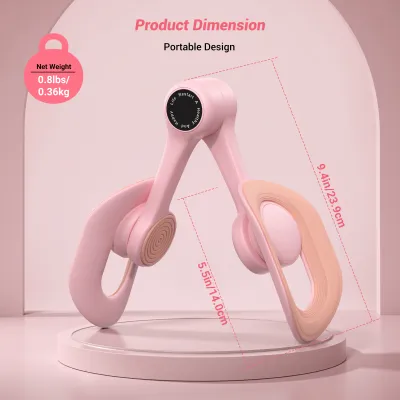
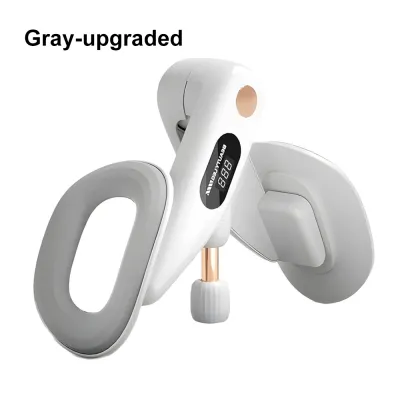
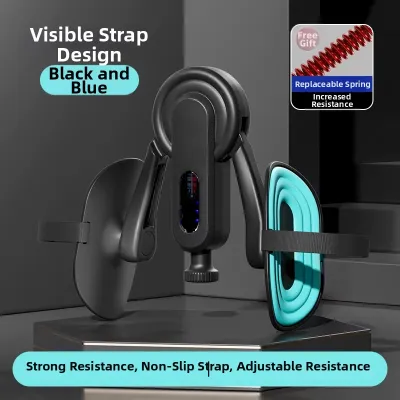
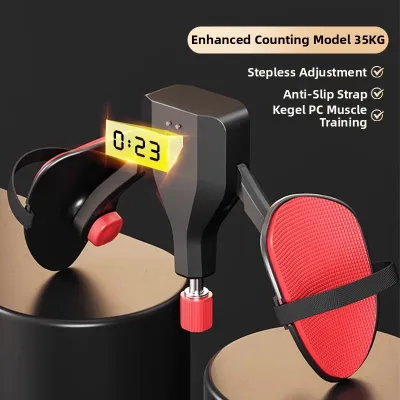
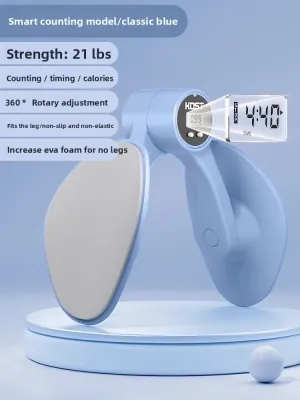
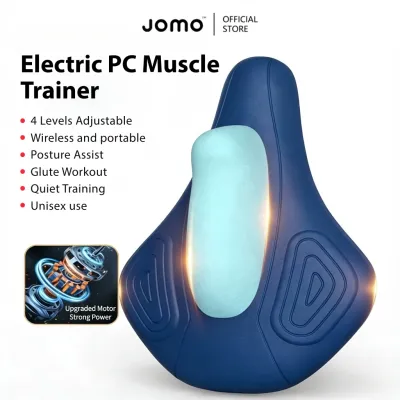


Prices are valid at publication and may change. Please refer to the product page for the latest price.
Ventilation and air circulation are equally critical when training in confined spaces. Small rooms can quickly become humid and stuffy during exercise, so position your workout zone near a window or directly under a ceiling fan to maintain comfortable airflow. If your chosen pelvic exercises involve standing movements, elevated glute bridges, or step-ups, verify that your ceiling height and light fixtures allow for safe, unobstructed vertical clearance.
Types of Space-Efficient Pelvic Trainers
Pelvic training equipment comes in several distinct designs, each offering unique spatial and functional advantages. Wearable and handheld biofeedback devices represent the pinnacle of space-saving fitness technology. These compact tools, which often utilize internal sensors to measure muscle contraction, require virtually zero storage space and can be kept in a small bedside drawer or vanity organizer. They are ideal for targeted pelvic floor activation without the need for heavy external resistance.

For those seeking to strengthen the surrounding hip and gluteal muscles alongside the pelvic floor, foldable resistance machines and specialized hip thrust pads are highly effective. These devices typically feature a hinged frame or a collapsible scissor design that allows them to fold completely flat when not in use. While they offer a more substantial physical presence during workouts, their ability to collapse makes them highly compatible with small apartments.
Another highly portable option is the combination of compact floor-based sliders, gliding discs, and heavy-duty resistance band systems. Gliding discs require almost no storage space and leverage your body weight to create smooth, low-impact resistance on tiled or vinyl flooring. Resistance bands can be anchored to sturdy door frames or wrapped around your thighs to provide progressive tension, making them an incredibly versatile tool that fits easily into a small pouch.
When choosing between these categories, you must weigh the trade-offs between equipment size, portability, and maximum resistance levels. Handheld and band-based systems offer unmatched portability but may have a ceiling on the maximum physical resistance they can provide. Conversely, mechanical pelvic trainers and hip thrust frames offer higher, more stable resistance levels but will demand more of your active floor space and require a dedicated setup and teardown routine.
Key Design Features for Compact Living Environments
To ensure your pelvic trainer remains a helpful tool rather than an annoying obstacle, look for specific structural features designed for small-space living. Foldability is paramount; prioritize equipment that utilizes quick-release pins, spring-loaded hinges, or telescopic adjustments. These mechanisms allow you to transition the device from its fully extended operational state to a compact storage configuration in a matter of seconds without requiring specialized tools.
The storage profile of the equipment should align with the existing layout of your home. Flat-pack designs are highly desirable because they can easily slide under a standard bed frame or slip into the narrow gap between a wardrobe and the wall. If floor space is exceptionally tight, consider lightweight devices that feature integrated hanging loops, allowing you to store them on wall-mounted hooks or behind closet doors.
Living in close proximity to neighbors in high-rise buildings means noise reduction is a critical consideration. Select pelvic trainers constructed with high-density foam padding, rubberized contact points, and non-slip bases. These materials not only protect your vinyl, laminate, or tiled floors from scratches and scuffs but also dampen the sound of mechanical movement and floor impact, ensuring your workouts remain quiet and respectful of those around you.
Common Space-Matching Mistakes to Avoid
One of the most frequent errors home fitness enthusiasts make is confusing an item’s “stored” footprint with its “in-use” operational footprint. A pelvic trainer may fold down to a remarkably slim profile, but using it safely might require you to extend your legs fully or swing your hips outward. Always check the manufacturer’s specified operational dimensions to ensure your room can accommodate the device when it is fully extended and in motion.
Do not overlook the logistics of getting the equipment into your home in the first place. While compact pelvic trainers are generally manageable, larger multi-functional units or hybrid bench systems can arrive in bulky packaging. Measure your front door width, elevator entrance, and narrow hallway clearances to guarantee that the delivery box can pass through without damaging your walls or requiring complex disassembly in the common corridor.
Underestimating the spatial requirements for proper form can severely compromise the effectiveness of your pelvic floor exercises. If you are cramped against a wall or a piece of furniture, you may unconsciously alter your posture, leading to improper joint alignment or reduced muscle engagement. Prioritize a clear, open zone that allows you to focus entirely on your breathing and muscle contraction rather than worrying about bumping into your surroundings.
Setting Up a Safe and Effective Workout Zone
Creating a dedicated, temporary workout zone in your flat can significantly improve both your safety and your motivation. Start by investing in high-quality interlocking foam or rubber mats to lay over your flooring. These mats provide essential cushioning for your spine, knees, and elbows during floor-based pelvic exercises, while also offering a hygienic barrier that is easy to wipe clean after a sweaty session.
To maintain the harmony and functionality of your living space, establish a strict post-workout storage routine. As soon as your training session is complete, wipe down your equipment to remove moisture, fold it back into its compact state, and return it to its designated storage spot. Keeping your workout gear out of sight when not in use helps prevent your home from feeling like a cluttered gym and ensures your living areas remain relaxing.
If you decide to utilize wall-mounted storage racks or hooks to keep your pelvic trainers off the floor, always check the structural limits of your walls and follow the manufacturer’s installation guidelines. Avoid mounting heavy equipment on lightweight partition walls or drywall without locating the studs first. Ensuring your storage solutions are securely anchored prevents accidental damage to your home and keeps your equipment safe from falls.
Frequently Asked Questions (FAQ)
Can I use a pelvic trainer on a bed or sofa to save floor space?
Using a pelvic trainer on a soft surface like a bed or sofa is generally not recommended because it lacks the stability required for proper joint alignment. Soft cushions absorb the resistance generated by the equipment, which can reduce the effectiveness of your exercises and place unnecessary strain on your lower back and pelvis. Always check the manufacturer’s guidelines, as most pelvic trainers are designed for use on firm, flat surfaces. For the safest and most effective workout, set up your equipment on a firm floor protected by a supportive exercise mat.
How do I maintain a foldable pelvic trainer to ensure it lasts?
To keep your foldable pelvic trainer in optimal working condition, perform a quick inspection of all hinges, locking pins, and joints before each use to check for signs of wear or looseness. After training, use a damp cloth to wipe away sweat and moisture from the folding mechanisms and frame to prevent rust and maintain hygiene. Store the equipment in a dry, temperature-controlled indoor area away from direct sunlight, as prolonged exposure to heat and UV rays can degrade plastic components, rubber grips, and resistance bands over time.
Community discussion
Share your experience or ask a question. Comments are reviewed before publication.