
Selecting the right pelvic trainer for a small home requires balancing physical footprint, storage convenience, and structural safety. Because living space is highly optimized in modern Singapore apartments, the ideal fitness equipment must perform its function effectively without obstructing daily foot traffic or damaging delicate flooring. By focusing on compact designs and smart storage solutions, you can maintain a consistent wellness routine without compromising your living environment.
Evaluating pelvic training equipment involves looking beyond basic functionality to consider how a device integrates into your daily routine. From foldable resistance frames to portable handheld units, the market offers various configurations designed to minimize clutter. Understanding your specific space constraints and training goals will help you identify the most practical option for your household.
Assessing Your HDB Workout Space
Before purchasing any fitness equipment, you must accurately measure your available floor plan to determine the maximum safe operational footprint. Many fitness enthusiasts make the mistake of measuring only the static dimensions of the machine, forgetting that active exercise requires additional clearance. You need to account for the full range of motion of your limbs during workouts, ensuring you do not strike nearby furniture or walls.
Products mentioned in this guide
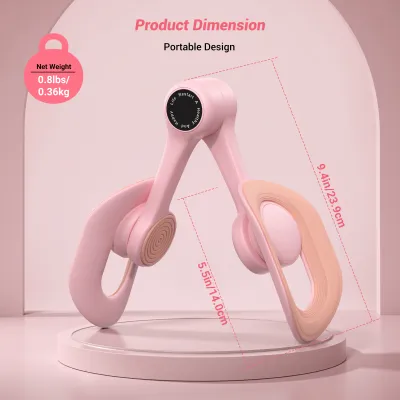
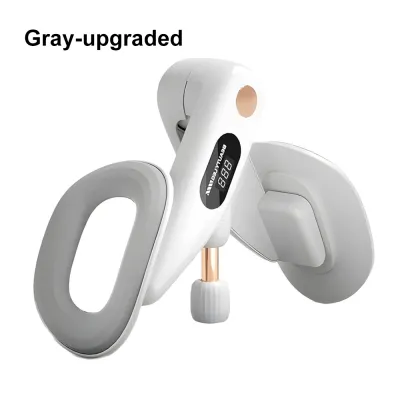
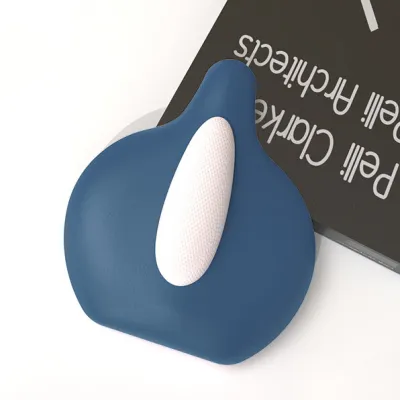
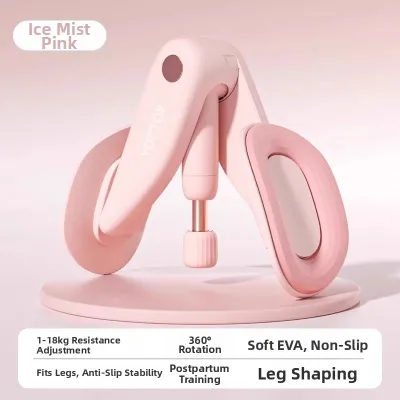
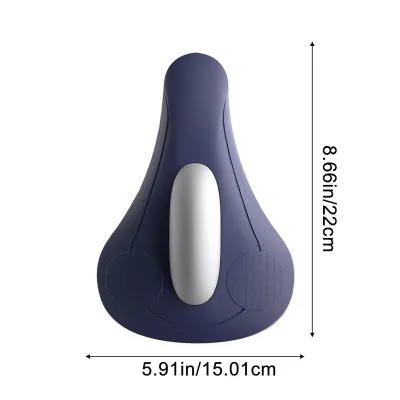
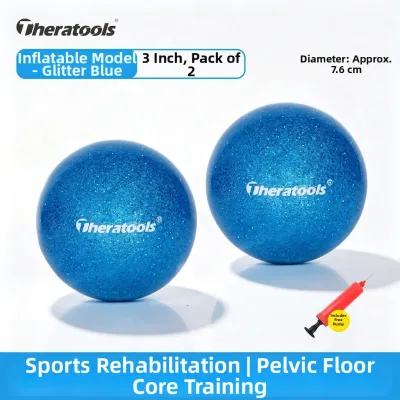
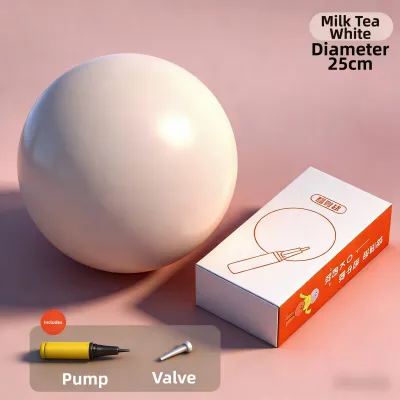

Prices are valid at publication and may change. Please refer to the product page for the latest price.
To establish a safe workout zone, measure the clear floor space in your intended exercise area and subtract a buffer of at least 60 centimeters on all sides. This buffer zone accommodates dynamic movements, sudden shifts in balance, and proper ventilation. It also ensures that nearby doors, wardrobe panels, and cabinet drawers can swing open fully without obstruction, preventing accidental collisions during your session.
Floor construction and structural integrity are equally important considerations, especially in older high-density residential blocks. While pelvic trainers are generally lighter than heavy weight benches, dynamic movements can still concentrate force on small areas. Inspect your flooring for loose tiles, uneven vinyl planks, or worn parquet before setting up your equipment. If you reside in an older flat, placing your workout zone near load-bearing walls rather than the center of wide, unsupported floor spans can minimize structural vibration.
Types of Space-Saving Pelvic Trainers
Foldable resistance machines are highly popular for home use because they offer a familiar exercise feel while collapsing into a flat profile. These units typically utilize heavy-duty springs or adjustable elastic bands to provide resistance during hip and pelvic floor movements. When your workout is complete, a quick-release pin allows the frame to fold flat, making it easy to slide under a bed frame or tuck behind a wardrobe.

For those who prefer to keep their floors entirely clear, door-mounted cable and pulley attachments offer an excellent alternative. These systems utilize existing doorways as anchor points, using high-strength webbing straps and resistance cables to facilitate targeted movements. While they require virtually zero storage space, they do demand a highly stable door frame and require a few minutes of setup and teardown time for each session.
Portable hydraulic or pneumatic pelvic units represent the pinnacle of compact design, often requiring no assembly or mounting. These devices rely on fluid or air pressure cylinders to generate smooth, consistent resistance throughout the exercise. Because they have a very small physical footprint, they can be easily stored in a standard drawer or cabinet, though they may offer less structural support for full-body positioning compared to larger frames.
Each equipment type involves distinct trade-offs between stability, footprint, and space efficiency. Lightweight, highly portable devices are exceptionally easy to store but may slide on smooth floors during high-intensity workouts. Conversely, heavier frames with wider bases offer superior stability and safety during complex movements but require a dedicated storage nook and more effort to move around your home.
Essential Features for Compact Living
When shopping for a pelvic trainer, prioritize quick-fold mechanisms and vertical storage capabilities. Look for equipment that features tool-free folding systems, such as spring-loaded pull pins or secure hinge locks, which allow you to transition the machine from active use to storage in under a minute. Units designed to stand vertically on their own are particularly valuable, as they utilize vertical wall space rather than taking up precious floor area.
Noise reduction and vibration dampening are critical features when living in close proximity to neighbors. Dynamic exercises can transmit low-frequency vibrations through concrete floor slabs, potentially disturbing residents in the flat below. Look for pelvic trainers equipped with silent hydraulic cylinders, rubber-dampened joints, or high-density foam padding to absorb impact and mechanical noise during operation.
To protect your home’s interior finishes, ensure any floor-facing components feature non-slip, non-marking bases. Singapore homes commonly feature polished ceramic tiles, luxury vinyl tiles, or delicate timber parquet, all of which are susceptible to scratching and scuffing under metal or hard plastic feet. Wide rubber stabilizers or dedicated silicone protective caps help distribute weight evenly and prevent the machine from shifting during use.
Multi-functional designs offer excellent space efficiency by replacing multiple single-use machines with a single versatile unit. Some pelvic trainers feature adjustable pads and variable resistance angles, allowing you to target the inner thighs, glutes, and lower core within the same compact footprint. Investing in a multi-use device reduces the total volume of fitness gear cluttering your living room or bedroom.
Safe Setup and Daily Storage Routines
If you choose a pelvic trainer that relies on door mounts or wall attachments, you must verify the strength of the mounting surface before every workout. Never attach resistance bands or pulley systems to hollow-core doors, lightweight partition walls, or decorative trim, as these structures can fail under tension. Always anchor your equipment to solid timber door frames or concrete walls, and ensure the door is fully closed and latched in the direction of the pull.
Establishing a consistent, safe folding and unfolding sequence is essential to prevent finger pinching and equipment damage. Always perform these adjustments on a flat, stable surface, keeping your hands clear of primary hinge points and scissor joints. Double-check that all safety pins, locking collars, and adjustment knobs are fully engaged and tightened before placing your body weight on the machine.
To maintain a safe and tidy home, designate a specific, out-of-the-way storage zone for your pelvic trainer when it is not in use. Avoid leaving folded equipment in narrow walkways, entrance corridors, or near emergency exit paths where it could present a tripping hazard in low light. Storing the device in a dry, well-ventilated utility closet or a dedicated wardrobe shelf also protects the materials from dust and humidity.
Always recognize the limits of your equipment and your home’s structure, and know when to stop installation. If you notice any bowing in your door frames, cracking in your wall plaster, or if the trainer feels unstable during a gentle test run, discontinue use immediately. If you are unsure about the safety of a wall-mounted anchor, consult a qualified professional installer to ensure the setup is secure.
Frequently Asked Questions (FAQ)
Can I use a pelvic trainer on an HDB balcony?
Using a pelvic trainer on a balcony requires careful consideration of environmental exposure and safety. Singapore’s high humidity, intense sunlight, and sudden rainstorms can rapidly degrade fitness equipment. Metal components may rust, elastic bands can become brittle under UV exposure, and electronic displays can fail from moisture. If you choose to exercise on your balcony, always store the equipment indoors immediately after your session, and regularly inspect all load-bearing parts for signs of weathering or material fatigue.
Do compact pelvic trainers provide enough resistance for advanced users?
Compact pelvic trainers can provide substantial resistance, but their limits depend heavily on the design mechanism. Hydraulic and high-tension spring systems often deliver excellent resistance levels suitable for progressive overload, whereas simple spring-clamp designs may feel too light for advanced training. Before purchasing, check the manufacturer’s specifications for maximum resistance ratings and weight limits. If you require higher resistance, look for compact models that allow you to add extra tension bands or adjust the leverage angles to increase the workout intensity.
How do I reduce noise and vibration for downstairs neighbors?
To minimize noise transmission through your floor, always place a high-density, shock-absorbing exercise mat beneath your pelvic trainer. A mat made of dense rubber or closed-cell EVA foam, at least 6 to 10 millimeters thick, will effectively isolate mechanical vibrations and impact noise. Additionally, focus on maintaining a controlled, deliberate tempo during your exercises; avoiding rapid, jerky movements prevents the equipment components from slamming together. Regularly lubricating the machine’s joints and hinges according to the manual will also eliminate squeaks and friction noise.
Community discussion
Share your experience or ask a question. Comments are reviewed before publication.