
Finding the right stationary bike for a Housing & Development Board (HDB) flat in Singapore requires balancing fitness goals with strict spatial limits. With average floor areas in newer Build-To-Order (BTO) flats ranging from 47 square metres for a 2-room Flexi to 110 square metres for a 5-room flat, every square centimetre counts. The ideal compact stationary bike must deliver an effective cardiovascular workout while maintaining a minimal physical footprint, operating quietly enough to respect close-quarters neighbor relations, and being easy to store or blend into your living space.
To find the perfect fit, you must look beyond aesthetic appeal and evaluate technical specifications, frame designs, and structural requirements. Selecting a bike that matches your physical space, fitness level, and the structural realities of high-density apartment living ensures a safe, consistent, and neighbor-friendly home workout routine.
How to Measure Your HDB Space for a Stationary Bike
Before purchasing any fitness equipment, you must accurately assess the physical dimensions of your designated workout area. Begin by measuring the length and width of the floor space using a standard measuring tape. However, the static footprint of the bike is not the only measurement that matters. You must account for dynamic clearance space. For safe mounting, dismounting, and natural body movement during exercise, add at least 50 to 60 centimetres of open clearance on all sides of the machine. This buffer prevents your knees, elbows, or shoulders from striking nearby walls, shelving, or television consoles during high-cadence pedaling.
Products mentioned in this guide
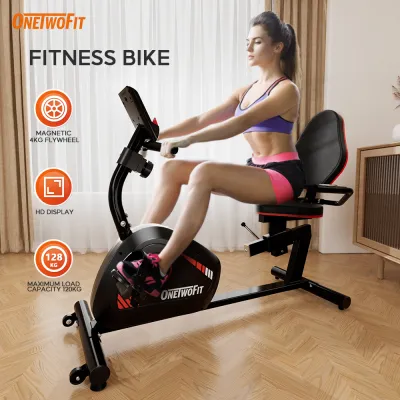
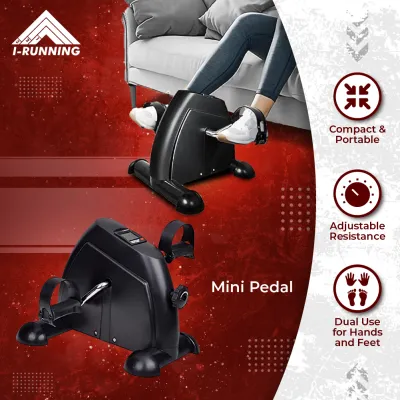
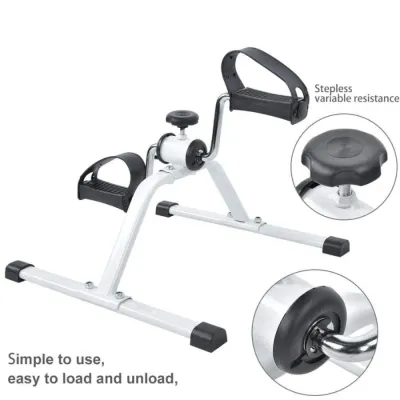
![🏅Foldable Pedal Exerciser Bike Fitness Bike Upper And Lower Limb Rehabilitation Bicycle [SG READY STOCK]](https://img.lazcdn.com/g/p/b00b708351a7cf456de462fe83053b11.jpg_400x400q80.jpg_.webp)
Prices are valid at publication and may change. Please refer to the product page for the latest price.
Vertical space is another critical factor often overlooked in HDB flats, where standard ceiling heights typically range from 2.6 to 2.8 metres. If you plan to use a spin bike or an indoor cycle where you might stand up on the pedals (out-of-saddle riding), calculate your total height when standing on the pedals at their highest point. Ensure there is ample clearance from ceiling fans, light fixtures, or low-hanging air conditioning units. A collision with a spinning ceiling fan can cause severe injury and equipment damage.
Do not forget the logistics of delivery and relocation. Measure the width of your main entryway, bedroom doors, hallway corridors, and the HDB passenger lift. Many compact bikes are delivered partially assembled in large boxes. Ensuring these boxes can navigate tight lift lobbies, 90-degree corridor turns, and standard door frames (which typically range from 80 to 90 centimetres in width) will prevent delivery day complications. If you plan to move the bike between rooms regularly, verify that the unit can pass through your internal doorways without requiring disassembly.
Key Features of Space-Saving Stationary Bikes
When shopping for an HDB-friendly stationary bike, look for specific design elements engineered for tight spaces. Folding frames are highly advantageous, allowing you to reduce the bike’s footprint by up to 50% when not in use. Ensure the model features integrated transport wheels on the base. These wheels allow you to tilt and roll the bike from a living room corner to a storage closet or utility yard without straining your back or scratching your flooring.

The resistance mechanism is equally vital. Magnetic resistance systems are highly recommended for multi-story apartment living. Unlike friction-based felt pads or wind-resistance fans, magnetic systems use adjustable magnets to create resistance against a metal flywheel. This design operates almost silently, requires minimal mechanical maintenance, and fits into a much more compact, enclosed housing. This ensures your late-night or early-morning workouts will not disturb family members or next-door neighbors.
Lastly, look for a low center of gravity combined with adjustable leveling feet. A smaller base footprint naturally reduces stability, so the bike must have robust, non-slip rubber stabilizers on the bottom. Leveling feet allow you to compensate for slightly uneven floor tiles or grout lines, preventing the bike from rocking during high-intensity sessions. A rocking bike not only compromises your safety but also accelerates wear on the frame and flooring.
Comparing Types of Compact Stationary Bikes
Folding Upright Bikes
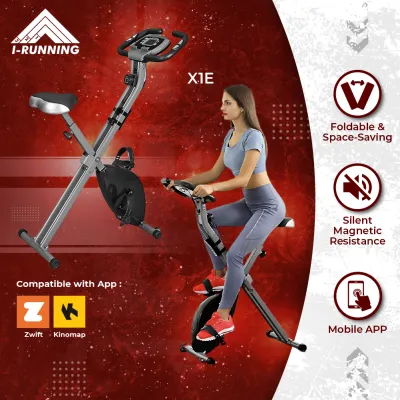
These models are the classic space-saving solution. They feature an “X-frame” design that allows the front and rear supports to fold together, much like an ironing board. Their primary benefit is storage flexibility; they can easily slide into utility closets, stand in a narrow gap behind a door, or sit neatly in a corner.
However, they are designed primarily for light to moderate cardiovascular workouts, active recovery, or physical therapy. The lightweight frames and smaller flywheels are not built to withstand high-speed sprints or high-torque standing climbs. If you are an experienced cyclist looking for intense training, a folding frame may feel slightly unstable under heavy load.
Compact Indoor Cycles
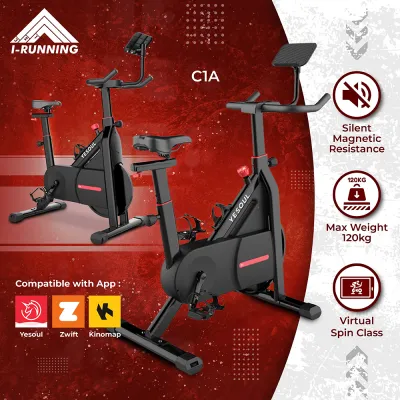
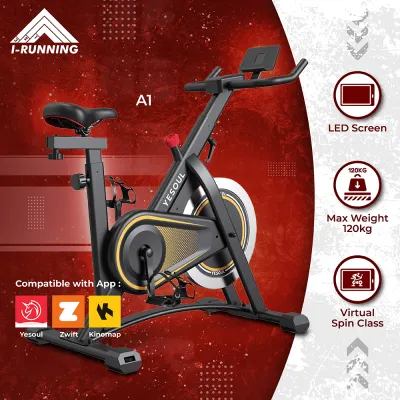
For those seeking high-intensity interval training (HIIT) or a realistic road cycling feel, compact indoor cycles (often called spin bikes) are the preferred choice. While they generally do not fold, many modern models are engineered with a highly condensed, vertical frame that minimizes floor usage. They feature heavy flywheels and rigid steel frames that remain rock-solid during intense workouts.
The trade-off is that they require a permanent spot in your home, as they are heavier and more difficult to hide away daily. They are best suited for dedicated fitness spaces or living room corners where the bike can remain permanently assembled.
Under-Desk and Mini Pedalers
If you have absolutely no floor space to spare, under-desk pedal exercisers or mini pedalers offer an ultra-compact alternative. These devices consist solely of the pedal mechanism and a small housing, completely omitting the seat and handlebars. You can place them under a work desk or in front of your living room sofa, pedaling while seated.
While excellent for maintaining joint mobility, burning passive calories, and keeping active during long working hours, they cannot replicate the cardiovascular intensity of a full-sized stationary bike. They also require a heavy, stable, non-sliding chair to prevent you from pushing yourself backward during use.
Top Compact Stationary Bikes for HDB Living
To help you choose, let us look at three popular compact stationary bikes available through local retailers or official brand stores in Singapore. Always verify the manufacturer’s exact product manual and specifications before purchasing, as dimensions and weight capacities can vary by production batch.
- Decathlon Domyos Initial Cardo Bike (or Domyos 120): This model is highly regarded as an entry-level, space-efficient upright option. It features a compact footprint of approximately 87 x 48 centimetres, making it highly manageable for small bedrooms. It operates on a smooth magnetic resistance system that requires no electrical outlet, allowing you to place it anywhere. The maximum user weight capacity is rated at 110 kg. It is best suited for users seeking light-to-moderate daily exercise on a budget.
- Xterra Fitness FB150 Folding Bike: If folding capability is your absolute priority, this X-frame model is a strong candidate widely imported into Singapore. When open, its operational footprint is roughly 81 x 46 centimetres. When folded, it condenses to just 43 x 46 centimetres of floor space, standing upright. It features multi-grip handlebars, a small LCD console, and 8 levels of magnetic resistance. The maximum user weight limit is 102 kg. This is the ideal choice for those who want to completely hide their fitness equipment after use.
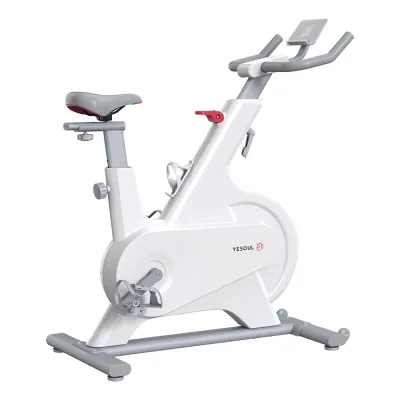
- Yesoul S3 Smart Spinning Bike: For high-intensity workouts, this compact indoor cycle is a popular choice among Singaporean apartment dwellers. It occupies a permanent footprint of approximately 101 x 51 centimetres, which is significantly smaller than commercial gym spin bikes. It utilizes a belt-drive magnetic resistance system for near-silent operation and connects via Bluetooth to interactive training apps. The total weight of the bike is around 31 kg, with a maximum user weight capacity of 120 kg. It is best for fitness enthusiasts who want a modern, connected workout experience without sacrificing a large portion of their living room.
Common Sizing and Setup Mistakes to Avoid
One of the most frequent errors is buying a folding bike based solely on its folded dimensions. While a bike might look incredibly compact when tucked away, you must ensure you have the actual floor space to unfold and operate it safely. Always map out the operational footprint in your room using masking tape before placing an order. This physical outline will give you a realistic sense of how much room remains for walking and daily activities.
Another critical mistake is neglecting floor protection. HDB floors, whether finished with vinyl, laminate, parquet, or ceramic tiles, are susceptible to damage from heavy fitness equipment. The combination of the bike’s heavy steel frame, the user’s body weight, and the downward force of pedaling can cause permanent indentations or scratches. Furthermore, sweat is highly corrosive and can seep into flooring joints, leading to warping or discoloration. Always place a high-density, water-resistant PVC or rubber equipment mat under your bike to protect your flooring and catch sweat.
Finally, do not underestimate structural noise and vibration transfer. Even if your magnetic bike’s drivetrain is completely silent, the kinetic energy from your body shifting and pedaling can vibrate through the concrete floors of an HDB block, creating a low-frequency hum for the neighbors living directly below you. Ensure your bike’s leveling feet are perfectly adjusted so there is no rocking motion, and use a vibration-dampening mat to maintain peaceful neighborly relations.
Frequently Asked Questions (FAQ)
Will a stationary bike cause noise complaints from downstairs HDB neighbors?
While modern magnetic resistance bikes are virtually silent mechanically, the physical movement of your body and the minor vibrations of the flywheel can transfer through the concrete floor slab. This structural vibration can sound like a low, rhythmic hum to neighbors downstairs. To prevent complaints, always place the bike on a high-density rubber or foam exercise mat designed to absorb kinetic energy and dampen sound transmission.
Can I store a folding stationary bike under my bed?
This depends entirely on your bed frame’s clearance and the folded thickness of the bike. Most folding stationary bikes, even when fully collapsed, have a folded thickness or height of 35 to 50 centimetres due to the handlebars and pedal assembly. Standard HDB bed frames typically offer only 15 to 25 centimetres of clearance underneath. Unless you have a custom high-loft bed, storing a folding bike upright in a closet, behind a door, or in a utility yard is usually much more practical.
Community discussion
Share your experience or ask a question. Comments are reviewed before publication.