
For beginner golfers navigating Singapore’s tropical climate, a cool quick drying towel is an essential piece of gear that directly impacts performance and comfort. Unlike standard cotton towels that become heavy and sodden, a specialized cooling towel uses evaporative technology to lower skin temperature while drying rapidly between uses. The ideal towel for a novice player combines high moisture absorption, a secure attachment mechanism for the golf bag, and a dual-texture surface that can clean club grooves while remaining soft enough to wipe away sweat.
Why a Cool Quick Drying Towel is Essential for Golf in Singapore
Playing golf in Singapore means confronting persistent heat, high humidity, and intense tropical sun. A standard 18-hole round takes approximately four hours, during which players are exposed to average temperatures exceeding 30 degrees Celsius and relative humidity levels that frequently top 80 percent. Under these conditions, the body relies heavily on sweat evaporation to cool down, a process that is significantly hindered by the saturated air. Without an effective way to manage sweat, players quickly experience damp hands, compromised grip pressure, and rapid physical fatigue.
Sweat on a golfer’s hands or glove is more than an inconvenience; it directly destabilizes the swing. When moisture gets between the hands and the rubber grip of a golf club, the club can slip during the swing, leading to mis-hits, lost distance, and erratic ball flights. Beginners, who are still developing consistent grip pressure and swing mechanics, are particularly vulnerable to these minor slips. A dedicated quick-drying towel allows players to dry their hands and grips instantly before every shot, ensuring a secure connection to the club.
Products mentioned in this guide
![[OKLIFE. SG]Multipurpose Portable Cool Cloth Quick dry sports cold towel High Quality Mini Quick Drying Towel Sports Quick Dry Bath Towel Super Ice Cool Sport Towel](https://img.lazcdn.com/g/p/6c64ef0f018d9792ad1001ce19623fdb.jpg_400x400q80.jpg_.webp)
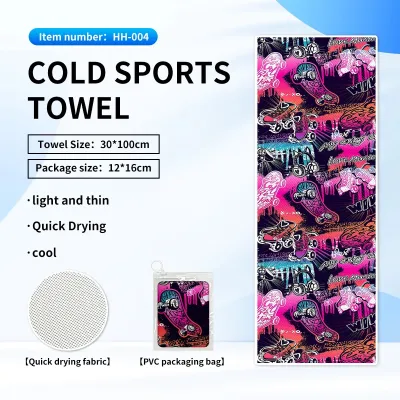
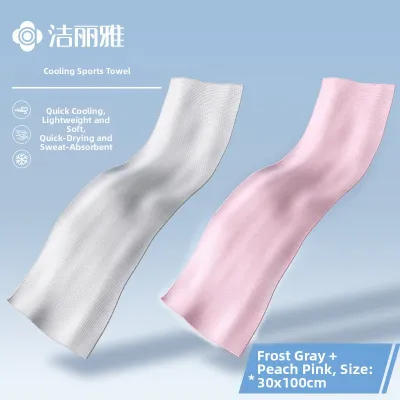
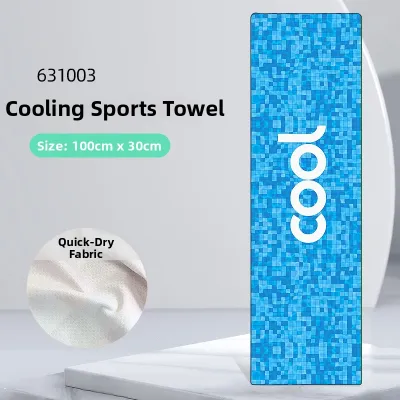
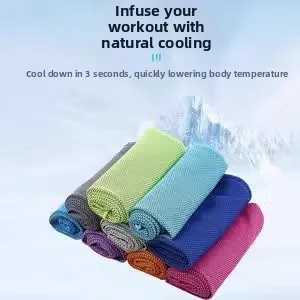
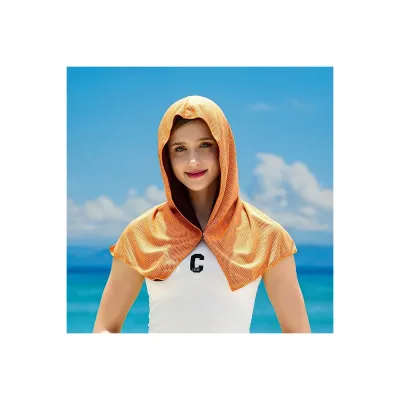
Prices are valid at publication and may change. Please refer to the product page for the latest price.
The functional difference between a traditional cotton bath or gym towel and a specialized cooling quick-dry towel lies in fiber structure and moisture management. Cotton fibers absorb water and hold onto it, turning the towel into a heavy, soggy, and warm cloth that struggles to dry in humid air. In contrast, advanced synthetic cooling towels are engineered to pull moisture away from the skin, distribute it across a wide surface area, and facilitate rapid evaporation. This evaporative process lowers the temperature of the fabric itself, providing a refreshing, chilled sensation when draped over the neck or face.
For beginners, managing gear on the course can feel overwhelming as they learn rules, etiquette, and swing adjustments simultaneously. A low-maintenance, high-performance cooling towel simplifies this process by remaining lightweight and functional throughout the round. Instead of carrying multiple heavy cotton cloths or struggling with a damp, smelly towel, a single quick-dry cooling towel keeps the player dry, comfortable, and focused on the next shot rather than the oppressive heat.
PVA vs. Advanced Microfiber: Choosing the Right Cooling Material
When selecting a cool quick drying towel, beginners will primarily choose between two material technologies: Polyvinyl Alcohol (PVA) and advanced synthetic microfiber or mesh. Both materials utilize evaporative cooling to manage heat, but they differ significantly in texture, water retention, durability, and how they feel against the skin. Understanding these differences allows players to choose the material that best matches their personal comfort preferences and playing style.

PVA (Polyvinyl Alcohol) Towels
Polyvinyl Alcohol, commonly known as PVA, is a highly absorbent synthetic material that acts like a sponge, holding a significant volume of water without dripping. The unique physical characteristic of PVA is its transformation based on moisture content: it becomes stiff and rigid when completely dry, but softens into a highly pliable, rubbery texture when wet. This high water retention capacity makes PVA exceptionally efficient at storing cool water, allowing it to deliver a more intense and immediate chilling sensation to the skin compared to other fabrics.
To activate a PVA towel, players submerge it in water, wring out the excess, and apply it directly to the neck or face. The material slowly releases moisture through evaporation, maintaining a low temperature for extended periods even in Singapore’s humid conditions. Because PVA holds onto water so tightly, it does not feel damp to the touch in the same way wet cotton does, meaning it can be draped over shoulders without soaking a golf polo.
However, the “stiff when dry” nature of PVA requires specific care and handling. When dry, trying to fold or bend the towel can cause the material to crack or tear over time. Beginners should check product labels for thickness and durability claims, and look for options that include a dedicated storage tube. Storing the towel slightly damp inside its plastic tube prevents it from hardening, though this requires regular washing to prevent mustiness. PVA towels are ideal for players who prioritize maximum cooling power and do not mind the unique, rubbery texture.
Advanced Microfiber and Mesh Towels
Advanced microfiber and mesh cooling towels are woven from specialized polyester and polyamide blends designed to maximize airflow and speed up evaporation. Unlike PVA, these fabrics remain soft, flexible, and lightweight whether they are wet or dry. The cooling effect is achieved through the physical structure of the knit, which pulls sweat away from the skin, transports it through channels in the fabric, and uses ambient air to dry the outer layers rapidly.
To activate the cooling properties of a microfiber or mesh towel, players wet the fabric, wring it out, and then firmly snap or wave the towel in the air. This snapping action forces air through the specialized channels, initiating rapid evaporation that instantly chills the fabric. While the cooling sensation may feel slightly less intense than that of a thick PVA towel, microfiber options excel in versatility and comfort.
Microfiber towels are highly multi-functional on the golf course. Because they do not harden when dry, they can be used to wipe down sensitive clubfaces, golf ball covers, and delicate rangefinder lenses without risk of scratching. They are also exceptionally soft against the skin, making them comfortable for wiping sweat from the eyes and forehead. Beginners should verify moisture-wicking claims on the product packaging and look for specific cooling-weave indicators, such as multi-layered construction, to ensure the towel provides active cooling rather than simple water absorption.
Essential Design Features for a Beginner's Golf Towel
Beyond the cooling material itself, the physical design and utility features of a golf towel determine how practical it is during a round. Golf-specific towels are engineered to withstand outdoor elements, attach securely to equipment, and serve multiple purposes on the course. Beginners should evaluate several key design elements before making a purchase.
- Size and Shape: The dimensions of a golf towel must balance coverage with portability. A towel that is too small will quickly become saturated with sweat and dirt, losing its effectiveness before the front nine is complete. Conversely, an oversized towel can be heavy, cumbersome, and prone to dragging on the wet grass or getting caught in the wheels of a pushcart. For most beginners, a rectangular towel measuring approximately 40 centimeters by 80 centimeters offers the ideal balance. This size provides enough surface area to keep one half of the towel wet for cooling the neck, while leaving the other half dry for wiping hands and club grips. Tubular or tri-fold designs are also popular, as they fold inward to protect the inner cleaning surfaces from dust and rain while maintaining a compact profile on the bag.
- Attachment Mechanisms: A golf towel is only useful if it remains easily accessible throughout the round. Beginners should look for towels equipped with secure attachment mechanisms, such as heavy-duty carabiners, metal grommets, or integrated magnetic clips. These attachments allow the towel to be clipped directly to the accessory ring of a golf bag, hung over the struts of a golf cart, or secured to a pushcart handle. Avoid towels that rely on simple fabric loops or cheap plastic clips, which can easily snap or slip off when walking through thick rough or during windy conditions on open fairways. A secure carabiner ensures the towel stays with your bag from the driving range to the final green, preventing accidental loss on the course.
- Dual-Texture Designs: Golf towels must often perform two conflicting tasks: gently wiping sweat from a player's face and scrubbing stubborn mud, grass, and sand out of clubface grooves. To address this, many high-quality golf towels feature a dual-texture design. One side of the towel is woven with a textured pattern—such as a deep waffle-weave or a scrub mesh—which provides the friction needed to clean clubs and balls efficiently. The reverse side of the towel consists of a smooth, soft microfiber or cooling fabric designed specifically for personal use. This separation ensures that you are not wiping abrasive dirt or sand onto your face after cleaning a wedge. Beginners should look for these dual-textured options to save space in their bag and simplify their on-course routine.
- Weight and Packability: In Singapore's humid weather, minimizing the weight of your gear is key to conserving energy, especially for beginners who may choose to walk the course with a lightweight stand bag. A cooling quick-dry towel should be highly packable, folding or rolling down into a compact size that easily fits into a side pocket when not in use. Lightweight materials dry faster and exert less strain on the bag's zippers and attachment rings when fully saturated with water. Broadly speaking, high-quality options range from S$10 to S$30, making them an affordable upgrade that delivers immediate comfort.
Caring for Your Cooling Towel in a Tropical Climate
Singapore’s high humidity and warm temperatures create an ideal breeding ground for mold, mildew, and bacteria. Without proper maintenance, a high-performance cooling towel can quickly develop unpleasant odors, lose its absorbency, and suffer fiber degradation. Implementing a consistent care routine after every round preserves the towel’s cooling capabilities and extends its lifespan.
- Post-Round Rinsing: During a typical round of golf, a towel accumulates sweat, body oils, sunscreen residue, dirt, and chemical fertilizers or pesticides used on the course turf. These substances can clog the microscopic channels in microfiber and PVA fabrics, severely reducing their moisture-wicking and cooling efficiency. Immediately after returning home from the course, rinse the towel thoroughly under warm, running tap water. Gently squeeze the fabric to work out any embedded dirt or sunscreen buildup. This simple step prevents stains from setting and ensures the capillary action of the fibers remains unimpeded for your next session.
- Proper Drying Techniques: One of the most common mistakes beginners make is leaving a damp, dirty towel balled up inside a dark golf bag or the trunk of a car after a round. In Singapore's climate, this guarantees the rapid growth of mildew, resulting in a sour, musty smell that is incredibly difficult to remove. Always hang the towel to dry in a well-ventilated area out of direct, harsh sunlight, which can prematurely degrade synthetic fibers. If you are using a PVA towel and want to store it dry, allow it to air-dry completely until it becomes stiff, then store it flat. If you prefer to keep it soft, ensure it is thoroughly clean before storing it slightly damp in its ventilated container, and check on it regularly.
- Washing Instructions: Always consult the manufacturer's care label on the product tag before washing your cooling towel. Most advanced microfiber and PVA towels can be machine washed on a gentle cycle using cold water and a mild, liquid detergent. Crucially, never use fabric softeners or chlorine bleach when washing cooling towels. Fabric softeners work by depositing a thin, waxy silicone coating over fibers to make them feel softer. This coating clogs the micro-channels in quick-dry fabrics, completely ruining their ability to absorb water and wick moisture. Bleach, on the other hand, can break down the synthetic polymers in PVA and microfiber, leading to premature fraying, shedding, and loss of structural integrity. Line drying is highly recommended over machine drying, as excessive dryer heat can melt or warp synthetic fibers.
- When to Replace: Even with meticulous care, all athletic fabrics eventually reach the end of their functional lifespan. Beginners should regularly inspect their towels for signs of wear that indicate it is time for a replacement. Key indicators include a permanent loss of the cooling effect (where the fabric no longer chills after being wet and snapped), persistent sour or musty odors that remain after multiple thorough washes, a noticeable decline in water absorption speed, or physical degradation such as fraying edges, thinning material, or cracking in PVA towels. Replacing a worn-out towel ensures you maintain optimal temperature regulation and grip safety on the course.
Frequently Asked Questions (FAQ)
Can I use a regular gym cooling towel for golf?
While a standard gym cooling towel can help lower your body temperature, it lacks the specialized features required for golf. Gym towels typically do not include heavy-duty carabiners or grommets, making them difficult to secure to a golf bag where they are prone to falling off. Additionally, gym towels are usually single-textured and lack the abrasive scrubbing surfaces, such as waffle-weave microfiber, needed to clean dirt and grass out of club grooves without scratching the metal.
How long does the cooling effect last on the course?
The duration of the cooling effect depends heavily on ambient humidity, wind speed, and the towel’s material. In Singapore’s high relative humidity, evaporation occurs more slowly, meaning a cooling towel will typically maintain its chilled temperature for one to two hours before requiring attention. To reactivate the cooling effect on the course, simply re-wet the towel with fresh water from your water bottle or a course station, wring out the excess, and snap it firmly in the air to restore airflow through the fibers.
Do cooling towels protect against UV rays?
Not all cooling towels provide protection against ultraviolet radiation. While draping a damp towel over your neck physically blocks direct sunlight, harmful UV rays can still penetrate standard woven fabrics, especially when they are wet. If sun protection is a priority for your rounds, check the product label explicitly for a certified Ultraviolet Protection Factor (UPF) rating, such as UPF 50+, which indicates the fabric has been treated or woven to block a significant percentage of UV radiation.
Community discussion
Share your experience or ask a question. Comments are reviewed before publication.