
Playing golf in Singapore is a test of endurance as much as a test of skill. For a beginner, the challenge is amplified. While you are focusing on mastering your swing mechanics, keeping your balance, and searching for balls that strayed into the rough, your body is working overtime to regulate its temperature. A standard cotton towel quickly becomes saturated, heavy, and warm, offering little relief. To stay comfortable and maintain your focus across 18 holes, a specialized cooling towel is an essential addition to your golf bag.
The best cooling towel for a beginner golfer in Singapore is one that balances sweat absorption with active thermal relief under stifling 80%+ humidity. For most beginners, a high-quality hyper-evaporative mesh towel offers the best balance of comfort and utility for wiping sweat, while those highly sensitive to heat should opt for a PVA (polyvinyl alcohol) chamois-style towel for maximum conductive cold, despite its stiffer texture.
Understanding how these different materials interact with Singapore’s unique microclimate is key to making the right choice. This guide breaks down the science of on-course cooling, evaluates the primary towel technologies available, and provides actionable advice to help you beat the heat on the fairway.
Products mentioned in this guide
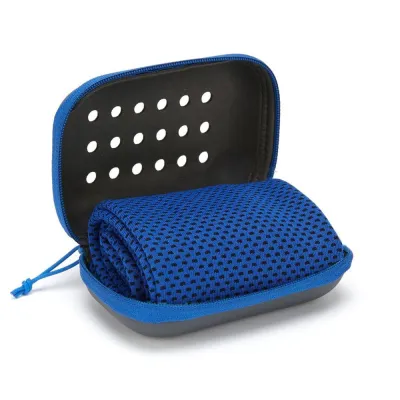
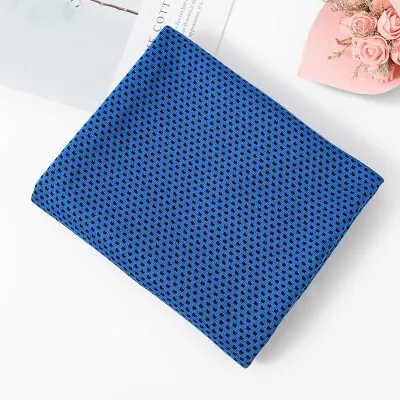
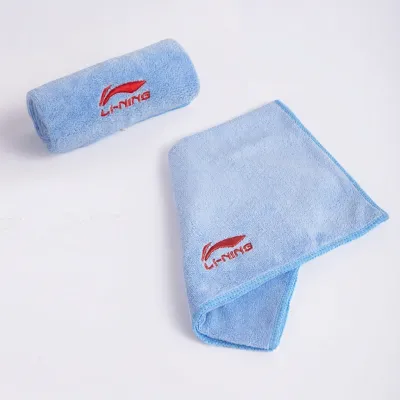
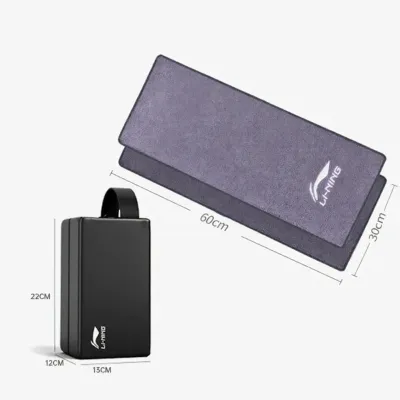
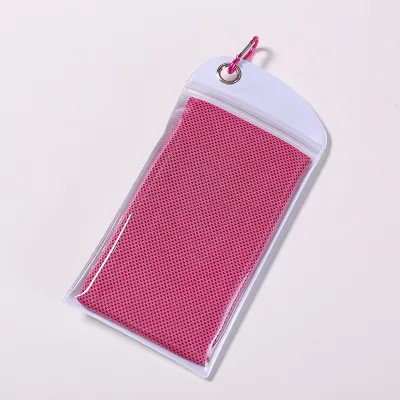
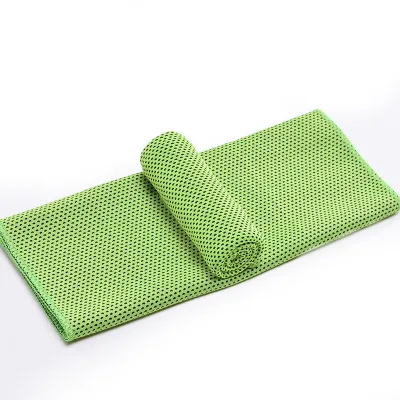
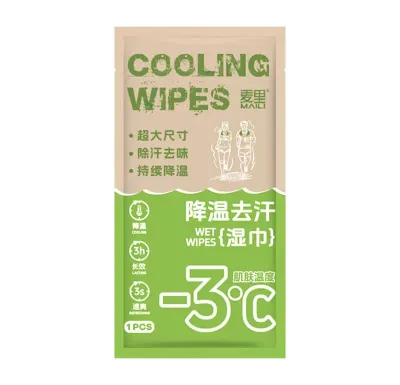
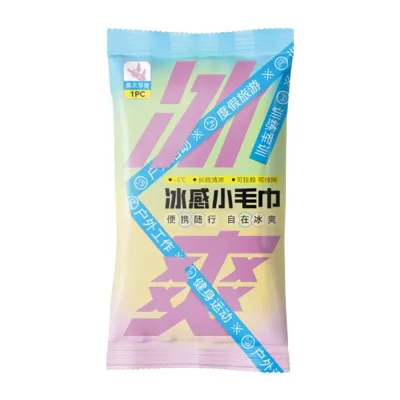
Prices are valid at publication and may change. Please refer to the product page for the latest price.
Why Singapore’s Climate Demands a Specialized Cooling Towel for Golf
Singapore’s tropical climate presents a formidable challenge for outdoor sports, particularly golf, which requires hours of continuous exposure to the elements. With ambient temperatures routinely hovering between 31°C and 34°C, and relative humidity levels frequently exceeding 80%, the body’s natural cooling mechanism is severely compromised. Under normal conditions, your body cools itself by sweating; as the sweat evaporates from your skin, it carries excess heat away.
However, when the air is already saturated with moisture, as it is across Singapore’s golf courses, evaporation slows to a crawl. Sweat pools on your skin rather than evaporating, leading to rapid heat accumulation. For beginner golfers, this physiological strain is even more pronounced. Beginners typically expend more physical energy than seasoned players. You will likely walk more yards as you navigate from one side of the fairway to the other, spend more time standing in the direct sun searching for lost balls, and execute more practice swings. This continuous physical exertion, combined with the lack of a seasoned player’s pacing efficiency, can lead to rapid fatigue, dehydration, and early-stage heat exhaustion.
This is where the physics of a specialized cooling towel becomes crucial. Standard towels simply absorb sweat and hold it, quickly warming up to match your body temperature and leaving you with a damp, warm cloth that offers no thermal relief. Engineered cooling towels, however, are designed to maximize the evaporative process under restricted conditions or utilize conductive heat transfer to pull warmth directly away from your skin. By understanding the “humidity bottleneck” of Singapore’s air, you can select a towel engineered to perform when standard evaporation fails.
Key Features to Look for in a Golf Cooling Towel
When selecting a cooling towel for golf in Singapore, you must look beyond basic aesthetics and focus on specific performance metrics that address both the humid climate and the practical demands of the sport.

Moisture Retention vs. Evaporation Rate In a high-humidity environment, a towel that retains too much water becomes a heavy, warm sponge that clings uncomfortably to your skin. Conversely, a towel that evaporates water too quickly will dry out before you even finish playing a couple of holes. The ideal golf cooling towel features an engineered weave with capillary channels. This construction regulates the release of moisture, allowing for steady, controlled evaporation that provides a prolonged cooling sensation without leaving you waterlogged.
Material and Skin Feel The texture of the towel dictates how you will use it on the course. Soft microfiber and mesh blends are gentle on the skin, making them excellent for wiping sweat from your forehead, face, and hands. They feel like traditional fabric and remain completely flexible when dry. Synthetic polymers, such as Polyvinyl Alcohol (PVA), feel rubbery or chamois-like when wet. While they offer superior cold retention, they are less suited for wiping your face and can feel clammy against the skin.
Sun Protection (UPF Rating) Singapore’s UV index frequently reaches extreme levels, and golf courses offer very little shade. A high-quality cooling towel should pull double duty by offering physical sun protection. Verify the UPF rating on the manufacturer’s label to ensure UV protection. Look for towels with a verified Ultraviolet Protection Factor (UPF) of 50+. Draping a UPF-rated towel over your neck and shoulders not only cools the large blood vessels in your neck but also blocks over 98% of harmful UV rays, reducing the risk of sunburn and long-term skin damage.
Size, Weight, and Portability A golf towel must fit seamlessly into your playing routine. If it is too bulky, it will crowd your golf bag or drag on the ground when clipped to your pushcart. The ideal dimensions for a golf cooling towel are approximately 30 centimeters wide by 100 centimeters long. This elongated shape allows you to drape it securely around your neck or tie it loosely without it falling off during a swing, while still folding down small enough to fit into a standard accessory pocket.
Reactivation Ease During a four-hour round, any cooling towel will eventually lose its chill. The ease with which you can reactivate the towel on the course is critical. You should look for options that require nothing more than a splash of water from a bottle or a clubhouse tap, a quick wring to remove excess moisture, and a vigorous snap in the air to restart the cooling cycle. If a towel requires complex preparation or ice-cold water to function, it is impractical for a beginner navigating a long round.
Hygiene and Odor Resistance The combination of sweat, high humidity, and trapped heat creates a perfect breeding ground for bacteria and mildew. A standard towel left damp in a golf bag will quickly develop a sour, musty odor. To prevent this, prioritize cooling towels that feature built-in antimicrobial treatments or are woven from quick-drying synthetic fibers that resist mold growth. This ensures your towel remains fresh round after round.
Recommended Cooling Towel Types for Humid Golf Conditions
To help you decide which technology best suits your playing style, we have categorized the primary cooling towel types available on the market. Each category offers a distinct approach to thermal regulation, with specific trade-offs regarding comfort, weight, and cooling duration.
Hyper-Evaporative Mesh and Microfiber Towels
How It Works Hyper-evaporative towels are constructed from advanced synthetic blends, typically combining polyester and nylon. These fabrics are woven into a multi-layered, porous mesh structure. The inner layer draws sweat and water away from your skin, the middle layer stores the moisture, and the outer layer regulates its release. By maximizing the surface area of the water molecules, the towel coaxes evaporation to occur even in Singapore’s dense, moisture-laden air.
Pros for Beginners
- Familiar Comfort: They feel like normal, high-quality fabric towels, making them incredibly soft and comfortable against the face and neck.
- Excellent Sweat Absorption: They excel at wiping sweat from your hands and golf club grips, which is vital for maintaining control during your swing.
- Lightweight and Packable: They add virtually no weight to your golf bag and remain soft and foldable even when completely dry.
- Easy Maintenance: They are fully machine-washable and dry quickly on a standard drying rack.
Cons in Singapore
- Humidity Sensitivity: Because they rely entirely on evaporation, their cooling efficiency drops significantly when the relative humidity exceeds 80%.
- Frequent Reactivation: In stagnant, hot conditions, the active cooling sensation may only last 10 to 15 minutes before the towel matches your body temperature, requiring you to snap or re-wet it frequently.
Best For Beginners who want a versatile, lightweight towel that primarily serves to wipe away sweat and provide a gentle, refreshing chill, and who do not mind reactivating the towel every few holes.
PVA (Polyvinyl Alcohol) and Chamois-Style Towels
How It Works PVA towels are made from a highly absorbent synthetic polymer that behaves like a dense sponge. Instead of relying on rapid evaporation to create a cooling effect, PVA holds a massive volume of water within its physical structure. It cools your body through conduction—the direct transfer of heat from your warm skin into the cooler water trapped inside the towel.
Pros for Beginners
- Intense, Sustained Cold: They deliver a highly noticeable, ice-like cooling sensation that can last for 30 to 45 minutes, even in Singapore's most humid and windless conditions.
- Evaporation Independent: Because they rely on water retention and conductive cooling, they are not throttled by high atmospheric humidity.
- Drip-Free: Despite holding a significant amount of water, a properly wrung-out PVA towel will not drip water onto your golf shirt or equipment.
Cons in Singapore
- Cardboard-Like Stiffness: Once a PVA towel dries out completely, it becomes entirely rigid and stiff. You cannot fold or pack it in this state; you must wet it again to restore its flexibility.
- Clammy Texture: The rubbery, synthetic feel can be unpleasant to some users, and it is not suitable for wiping sweat or drying your hands before taking a shot.
- Increased Weight: When fully saturated, these towels are noticeably heavier than microfiber options, which can feel burdensome around the neck during a long walk.
Best For Beginners who suffer intensely from the heat, prioritize maximum thermal relief over fabric softness, and want a dedicated cooling collar to drape over their neck while walking between shots.
Hybrid Towels with Integrated Ice Packs or Gel Cores
How It Works Hybrid cooling towels feature a dual-design system. They consist of a soft fabric sleeve—usually made of microfiber—equipped with internal pockets designed to hold frozen gel packs or flexible ice inserts. This design completely bypasses the environmental limitations of evaporative cooling by utilizing direct, freezing-cold conduction.
Pros for Beginners
- Guaranteed Ice-Cold Relief: They provide an immediate, powerful cold shock that is entirely unaffected by Singapore's humidity, wind speed, or ambient temperature.
- Dry Cooling: Because the cold source is sealed within gel packs, the towel does not need to be dripping wet to work, keeping your collar and golf shirt dry.
- Targeted Therapy: Excellent for soothing sore shoulder or neck muscles after a long session at the driving range.
Cons in Singapore
- Pre-Round Preparation: You must remember to freeze the gel inserts overnight before heading to the golf course.
- Limited Lifespan: The cooling effect is strictly dictated by how fast the ice melts in Singapore's heat, which is typically 1 to 2 hours. Once melted, the towel becomes heavy, bulky dead weight unless you have a cooler bag on your cart to store spare frozen inserts.
- Bulk and Weight: The gel inserts add significant weight to your golf bag, making this option less practical for beginners who prefer to walk the course.
Best For Beginners playing quick 9-hole rounds, spending an hour practicing at an outdoor driving range, or those who use a golf cart equipped with an ice-filled cooler bag to store extra inserts.
Practical Tips for Using and Maintaining Cooling Towels on the Course
To get the most out of your cooling towel and ensure it remains a hygienic, high-performing accessory, you must follow proper usage and care protocols.
On-Course Reactivation To reactivate an evaporative towel, use the “wet, wring, snap” method. Saturate the towel thoroughly, wring out the excess water so it is damp but not dripping, and then hold it by both ends and snap it vigorously three to four times. This action forces air through the capillary channels, accelerating the evaporation process and instantly lowering the towel’s temperature. Always use clean, bottled drinking water or tap water from clubhouse facilities. Never dip your cooling towel into golf course water hazards, ponds, or maintenance wash basins. These water sources often contain high concentrations of chemical fertilizers, pesticides, and harmful bacteria that can cause severe skin irritation or infections.
Strategic Placement To maximize the physiological benefits of your cooling towel, place it over areas where large blood vessels run close to the skin surface. Draping the towel over the back of your neck cools the blood flowing through your carotid arteries directly to your brain, helping to regulate your overall core temperature and prevent dizziness. You can also wrap the towel around your wrists or press it against your forehead and temples for rapid, refreshing relief during brief breaks between holes.
Post-Round Care The combination of sweat, skin oils, moisture, and Singapore’s ambient heat creates a highly fertile environment for bacterial growth. Never roll up a damp cooling towel and leave it in your golf bag or the trunk of your car after a round. Within hours, bacteria and mildew will colonize the fibers, resulting in persistent, unpleasant odors and potential skin hygiene issues.
Drying and Storage Wash your cooling towel after every single use. Most mesh and microfiber towels can be machine-washed on a gentle cycle with mild detergent. Crucially, do not use fabric softeners or bleach. Fabric softeners leave a microscopic, waxy coating over the synthetic fibers, which clogs the engineered capillary channels and permanently destroys the towel’s ability to wick moisture and evaporate water. For PVA towels, rinse them thoroughly with clean water, wring them out, and store them damp in their original plastic canister to prevent them from drying rock-hard, or allow them to air-dry completely in a well-ventilated space and re-wet them before your next round.
Safety First on the Fairway While a cooling towel is an excellent tool for managing thermal comfort, it is not a substitute for proper hydration and sun safety. Always monitor yourself and your playing partners for signs of heat-related illness, such as excessive sweating, muscle cramps, dizziness, nausea, or a sudden lack of sweat. If you or anyone else experiences these symptoms, stop playing immediately, move to a shaded area, hydrate with water or electrolyte drinks, and seek medical attention if symptoms persist. Equipment cannot replace training, physical preparation, or sound situational judgment.
Frequently Asked Questions (FAQ)
Do cooling towels actually work in Singapore's high humidity?
Yes, cooling towels do work in Singapore, but their performance is subject to the laws of physics. Because high humidity slows down the rate of evaporation, hyper-evaporative mesh towels will not feel as icy or last as long as they would in a dry climate. However, they still provide valuable relief by wicking sweat away from your skin, acting as a physical barrier against solar heat, and offering a moderate temperature drop. For more intense, humidity-independent cooling, PVA or gel-core towels are highly effective alternatives.
Can I use a regular gym towel instead of a specialized cooling towel for golf?
You can, but a regular gym towel is far less effective. Standard gym towels are typically made of cotton or basic polyester, which are designed to absorb and hold moisture. On a hot, humid golf course, a gym towel quickly becomes saturated with sweat, traps your body heat, and turns into a heavy, warm, wet rag. Specialized cooling towels are engineered with specific weaves or polymers that facilitate heat exchange, regulate moisture release, and remain lightweight, making them vastly superior for a four-hour outdoor round.
How often should I re-wet my cooling towel during an 18-hole round?
In Singapore’s high humidity, you should expect to re-wet and reactivate a hyper-evaporative mesh towel every 3 to 4 holes, which equates to roughly every 45 to 60 minutes. PVA towels hold moisture longer and may only require re-wetting every 6 to 8 holes. To avoid depleting your essential drinking water supply, always carry an extra, dedicated water bottle filled with tap water specifically for reactivating your cooling towel on the course.
Community discussion
Share your experience or ask a question. Comments are reviewed before publication.