
Beginner snorkelers need fins that prioritize comfort, low leg strain, and ease of use over raw power or depth performance. However, before selecting any gear, it is vital to recognize that equipment cannot replace swimming proficiency, water safety training, or sound personal judgment. Snorkeling is an open-water activity that carries inherent risks, and fins are simply tools to assist your movement, not life-saving devices.
Before heading into the ocean, you must ensure you are a competent swimmer, understand how to breathe through a snorkel, and are familiar with the local marine environment. Always check local weather forecasts, tide tables, and water currents before entering the sea. If you experience sudden fatigue, muscle cramping, or find yourself struggling against a current, you must know your physical limits, stop, and signal for assistance or head back to safety immediately.
When evaluating fins, beginners often make the mistake of choosing models designed for advanced freedivers or scuba divers. Freediving fins feature exceptionally long, stiff blades made of carbon fiber or advanced composites, designed for deep, vertical descents. These require highly specialized kicking techniques and significant leg strength to operate safely. Scuba diving fins are heavy and rigid, engineered to propel a diver carrying bulky, high-drag equipment like air cylinders and buoyancy compensators through deep water.
Products mentioned in this guide
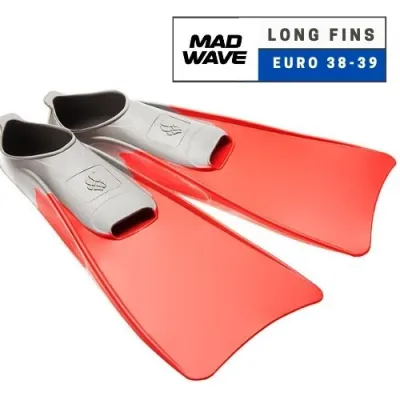
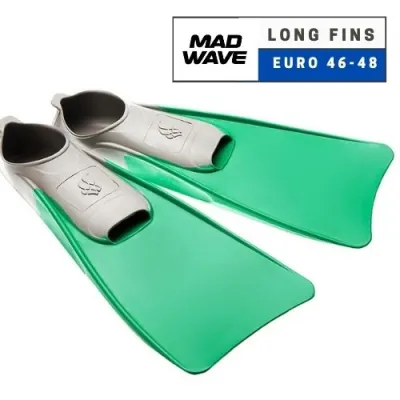
Prices are valid at publication and may change. Please refer to the product page for the latest price.
For a beginner snorkeler staying at the surface, using these heavy or stiff fins will quickly lead to severe fatigue, calf cramps, and an exhausting experience. Snorkelers primarily use a relaxed, continuous flutter kick at the surface, which requires a much lighter, more flexible fin that minimizes resistance and leg strain.
Ease of use is another critical factor for those new to the sport. A beginner-friendly fin should be lightweight, making it easy to pack, carry, and maneuver in the water. It should feature a simple entry system so you can slip your feet in and out without struggling while bobbing in the waves. If you plan to travel for your snorkeling adventures, finding a compact design that fits easily into a standard backpack or carry-on suitcase is a major benefit.
Comfort is the ultimate decider when it comes to how long you can stay in the water. A poorly fitting fin or one made of harsh, rigid materials will quickly cause painful blisters and chafing, cutting your snorkeling session short. Look for soft foot pockets that conform to your foot’s shape without pinching. While thermal protection is rarely a major concern in warm, tropical waters, a secure fit that does not restrict blood circulation is essential to prevent numbness and cramping during extended sessions.
Finally, value is about balancing durability and versatility with your specific usage patterns. If you only plan to snorkel once or twice a year during regional holiday trips, a budget-friendly, highly portable travel fin offers excellent value. However, if you live in Singapore and plan to make frequent trips to local spots like Sisters’ Islands Marine Park or Pulau Hantu, investing in a slightly more robust, high-quality model is a smarter choice. A well-made pair of Cressi fins will last for years of regular use without requiring an immediate upgrade as your skills improve.
Understanding Cressi Fin Designs for Snorkeling
Cressi offers a wide range of fin designs, each tailored to specific underwater activities and environments. To choose the right pair, you must understand how different structural styles impact your performance, comfort, and carrying method.
Full-Foot vs. Open-Heel Designs
Full-foot fins feature a completely enclosed, shoe-like foot pocket made of soft rubber or thermo-plastic elastomer. These are designed to be worn barefoot or with thin neoprene socks. Because they do not require heavy buckles, straps, or separate boots, full-foot fins are highly streamlined, lightweight, and efficient. They allow for a direct transfer of energy from your leg to the blade, making them the classic choice for surface snorkeling in warm tropical waters. They are ideal if you plan to enter the water directly from a boat or a clean, sandy beach where you do not need to walk over rough or sharp terrain.
Open-heel fins, on the other hand, feature a foot pocket that is open at the back and secured by an adjustable strap or a flexible bungee system. These fins are designed to be worn with thick, hard-soled neoprene dive boots. The primary advantage of this design is protection and versatility. If your snorkeling destination requires you to walk over sharp rocks, coral rubble, concrete slipways, or hot sand to reach the water, wearing dive boots is essential to protect your feet. Once you reach the water’s edge, you can slide your booted feet directly into the open-heel fins. Additionally, because the heel strap is adjustable, a single pair of open-heel fins can often accommodate multiple family members with slightly different foot sizes.
To decide between these two designs, consider your typical snorkeling environment:
- Choose full-foot fins if: Your primary snorkeling will be in warm, tropical waters; you will enter the water from a boat or sandy beach; you want a lightweight, travel-friendly setup; or you prefer swimming barefoot.
- Choose open-heel fins if: You need to walk over sharp rocks, coral rubble, or hot sand to reach the water; you snorkel in cooler waters where thick boots are required for warmth; or you want a single pair of fins that can adjust to fit different people.
Blade Length, Flexibility, and Travel Options
The length and flexibility of a fin’s blade directly determine how much thrust you generate with each kick and how much physical effort is required from your legs.
Short-blade or travel fins, such as the Cressi Palau, are designed with portability and ease of use as the highest priorities. These fins feature significantly shorter blades that easily fit into standard carry-on luggage or small daypacks, making them highly convenient for travelers. Because the blade is short, it exerts very little leverage on your ankles and calves, making it incredibly forgiving for beginners and reducing the risk of muscle cramps. However, the smaller surface area means they generate less thrust per kick. To cover the same distance as a standard fin, you will need to maintain a slightly faster, more active kick cycle. This makes short-blade fins excellent for calm, sheltered bays and boat-based snorkeling, but less suitable for swimming against strong coastal currents or covering long distances.
Standard-length blades, such as the Cressi Pluma or Rondinella, provide a classic balance of surface area and hydrodynamic efficiency. These fins generate significantly more thrust with each slow, deliberate flutter kick, allowing you to glide effortlessly across the reef and cover longer distances with fewer kicks. This makes them highly efficient for exploring larger marine parks or snorkeling along coastal fringes. The trade-off is that they require slightly more leg strength to flex and are more cumbersome to transport, often requiring a larger suitcase or a dedicated gear bag.
Flexibility is a crucial specification to verify when choosing your first pair of fins. For beginner snorkelers, a softer, highly flexible blade is almost always superior to a stiff one. A soft blade bends easily during both the upstroke and downstroke, channeling water backward in a smooth, whip-like motion that minimizes strain on your knee and ankle joints. Stiff blades are designed for divers who need to move heavy gear or fight powerful currents, and attempting to use them without proper physical conditioning will quickly lead to exhaustion and severe muscle cramps. When shopping, verify the blade’s flexibility by gently bending it on the shop floor; it should flex smoothly without requiring immense pressure.
Key Features to Check When Selecting Your Pair
When browsing Cressi’s extensive lineup of fins, paying attention to specific design elements and engineering features will help you identify the model that offers the best performance and comfort for your skill level.

First, examine the foot pocket material. Cressi utilizes advanced multi-material molding technology, often combining soft thermo-plastic elastomers with rigid plastics in a single fin. For beginners, it is essential to verify that the top and sides of the foot pocket are made of an incredibly soft, pliable rubber that stretches easily to accommodate the natural movement of your foot. This prevents painful friction points and chafing during long snorkeling sessions. Conversely, the sole of the foot pocket should be rigid and extend under the heel. This rigid sole ensures that the energy from your leg muscles is transferred directly to the blade rather than being lost to foot pocket flex, maximizing your swimming efficiency.
Second, look for integrated blade channels and vents. Cressi is renowned for its fluid dynamics designs, which often feature longitudinal rubber channeling or specific open vents near the foot pocket. These channels act like water guides, capturing water during your kick and directing it straight off the tip of the blade rather than allowing it to spill uselessly over the sides. This stabilizing effect prevents the fin from twisting or wobbling in the water, which is a major cause of ankle fatigue in beginners. Vented designs allow water to flow through non-productive areas of the blade during the kick cycle, reducing initial resistance and making the kick feel significantly lighter and easier on your legs.
Third, evaluate the buckle and strap systems if you are considering an open-heel model. Traditional rubber straps with plastic tension buckles can be stiff, fragile, and difficult to adjust, especially when your hands are wet or cold. Look for Cressi models that feature modern quick-release buckles or, ideally, the patented Elastic Bungee System (EBS). The EBS strap utilizes a highly durable, flexible bungee cord that stretches easily over your heel, providing a secure, self-adjusting fit that automatically compensates for any compression of your dive boots at depth. This system eliminates the need for manual adjustments in the water and is incredibly easy to pull on and off.
Finally, consider the weight and buoyancy characteristics of the fins. For surface snorkeling, your legs should remain relatively horizontal and close to the surface without feeling dragged down. Extremely heavy, sinking fins will pull your lower body downward, forcing you to kick constantly just to maintain a level swimming posture, which rapidly leads to fatigue. Conversely, highly buoyant fins can cause your feet to float too high, causing your blades to break the surface of the water with every kick, reducing your thrust and creating unnecessary noise. Look for fins that are close to neutrally buoyant or slightly negatively buoyant, which allow your feet to remain just below the surface for optimal kicking efficiency.
Sizing, Fit, and Trying on Fins in Singapore
Achieving a precise and comfortable fit is the single most important factor when purchasing snorkeling fins. A poorly fitting fin will not only cause painful blisters but can also slip off in deep water, creating a safety hazard.
To find the ideal fit, the foot pocket should feel snug and secure, similar to a well-fitting running shoe, but without pinching your toes or squeezing the sides of your feet. When you slip your foot into a full-foot fin, there should be no significant gaps around your ankle or heel. To test the fit, sit down, lift your leg, and gently shake your foot. The fin should remain firmly in place without sliding or shifting. If your heel slips up and down inside the pocket as you move, the constant friction will quickly cause painful blisters once you are in the water. Conversely, if your toes are curled or pressed hard against the front of the pocket, the restricted circulation will lead to painful cramping.
If you plan to wear thin neoprene socks (typically 1.5mm to 3mm thick) for blister prevention or light thermal protection, you must account for this extra layer when selecting your size. In most cases, you will need to size up by one full size when purchasing full-foot fins to accommodate the socks comfortably without crushing your toes. If you are using open-heel fins with dive boots, always try on the fins while wearing the exact boots you plan to use, ensuring the boot’s sole slides fully into the pocket and the strap secures firmly around your heel.
For residents and visitors in Singapore, trying on fins in a physical dive shop is highly recommended before making a purchase. Foot shapes vary widely—some people have wide feet, high arches, or flat feet—and different Cressi models utilize slightly different foot pocket molds. Visiting physical dive shops around areas like Beach Road, Kallang, or Outram allows you to physically try on various models, walk around the shop floor, and identify any immediate pressure points or discomfort.
If you choose to purchase your fins from online marketplaces or ecommerce platforms, it is crucial to verify their return and exchange policies. Ensure the seller allows size exchanges for unused gear, and keep the original packaging intact until you have confirmed a perfect fit at home. Additionally, when shopping in Singapore, check prices in Singapore Dollars (SGD) and verify that you are purchasing from an authorized local dealer. Buying through authorized channels ensures you receive genuine Cressi products, valid local warranty coverage, and reliable after-sales support. If a strap tears or a buckle breaks right before a planned snorkeling trip, a local authorized dealer can quickly provide genuine replacement parts, ensuring your gear remains safe and functional.
Care and Maintenance for Longevity
Proper care and maintenance are essential to protect your investment and ensure your Cressi fins remain safe, flexible, and functional for years to come.
Rinsing your fins thoroughly with clean, fresh tap water after every single use is the most critical maintenance step. Saltwater contains highly corrosive salt crystals, while swimming pools contain chlorine and other harsh chemicals. If left to dry on your fins, these substances will slowly break down the chemical structure of the plastics, rubbers, and elastomers. Pay close attention to the foot pockets, buckle mechanisms, and strap attachment points, as salt crystals tend to accumulate in these small crevices, leading to material degradation, cracking, or seizing of moving parts.
After rinsing, always dry your fins in a well-ventilated, shaded outdoor area or indoors. Never leave your fins drying in direct, harsh sunlight on a balcony, boat deck, or car dashboard. The intense ultraviolet (UV) rays will rapidly degrade the thermoplastic materials, causing them to become brittle, fade, lose their flexible properties, and crack under stress.
Proper storage between snorkeling trips is equally important to maintain the shape and hydrodynamic efficiency of the blades. Store your fins flat on a shelf or hang them vertically by the heel straps (for open-heel models). Never store them standing vertically on their tips or crammed tightly under heavy gear in a storage closet, as this can cause the plastic blades to permanently bend, warp, or crease. A warped blade will no longer track straight through the water, significantly reducing your swimming efficiency and causing your ankles to twist during the kick cycle.
Finally, always perform a thorough pre-trip inspection of your fins before traveling. Inspect the foot pockets for any signs of cracking, tearing, or dry rot, especially around the toe opening and heel. Check the straps and buckles on open-heel models for hairline fractures or weakened rubber. Finding and replacing a worn-out strap at home in Singapore is simple and inexpensive, whereas having a strap snap while you are on a boat miles away from the nearest dive shop can completely ruin your snorkeling excursion.
Frequently Asked Questions (FAQ)
Can I use Cressi scuba fins for snorkeling?
While you can technically use scuba diving fins for snorkeling, it is generally not recommended for beginners. Scuba fins are engineered to move a diver carrying heavy, high-drag equipment like air cylinders and buoyancy compensators through deep water and currents. Consequently, they are heavier, stiffer, and require significantly more leg power to flex. Using them for surface snorkeling will quickly exhaust a beginner’s leg muscles, leading to severe fatigue and painful muscle cramps. Dedicated snorkeling or travel fins are much lighter, more flexible, and optimized for surface swimming, making your experience far more relaxed and enjoyable.
Do I need to buy dive boots for my Cressi fins?
Whether you need dive boots depends entirely on the design of the fin you choose. Full-foot fins are designed with soft, smooth foot pockets meant to be worn barefoot or with thin, flexible neoprene socks; they cannot accommodate thick, hard-soled dive boots. If you choose open-heel fins, however, you must purchase a pair of dive boots. The open-heel pocket is wider and more rigid, and wearing them barefoot will cause severe chafing and pain. Dive boots are highly beneficial if your snorkeling adventures involve walking over hot sand, sharp rocks, or coral rubble to enter the water, as they provide essential protection for your soles before you slip your fins on.
Community discussion
Share your experience or ask a question. Comments are reviewed before publication.