
Selecting the right cricket bat and ball combination for concrete courts and HDB void decks requires balancing durability, safety, and performance. Unlike traditional grass pitches, hard concrete surfaces cause extreme wear on equipment and generate highly unpredictable ball bounces. For these urban environments, the optimal setup pairs a durable Kashmir willow or specialized tennis-ball wood bat with a heavy-duty tennis ball, a customized tape ball, or a soft rubber windball. This combination ensures your gear survives the rough ground while keeping the game safe and enjoyable for players and nearby residents alike.
Why Playing Crickets on Concrete Courts and HDB Void Decks Requires Specialized Gear
While some online search queries for “crickets” might lead to results about chirping insects, in local sporting communities, the term refers to the fast-paced, highly adaptable sport of street cricket. Playing this sport in Singapore’s unique urban landscape presents physical challenges that standard turf-oriented gear cannot handle. Concrete multi-purpose courts and HDB void decks are highly abrasive, causing rapid deterioration of standard sports equipment.
Concrete surfaces alter the physics of the game by producing a much faster, higher, and more erratic ball bounce than grass. Traditional equipment designed for turf pitches reacts poorly to these hard surfaces, often leading to broken bats and damaged balls within a few sessions. Furthermore, the high-friction environment means that any contact between the bat’s toe and the concrete during a shot or while taking guard can instantly splinter unprotected wood.
Products mentioned in this guide
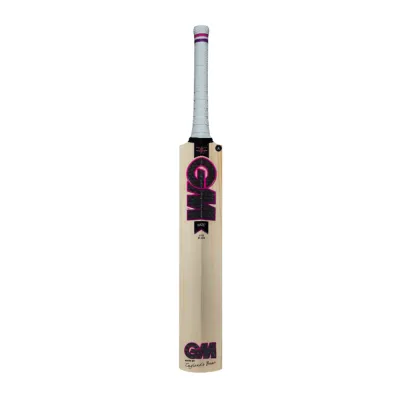
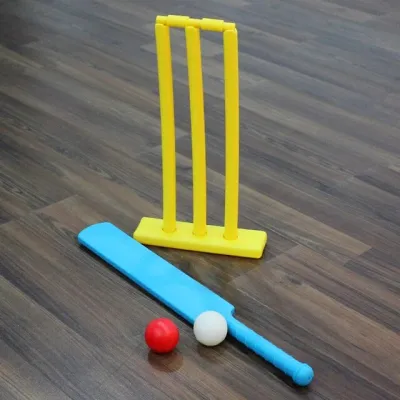
Prices are valid at publication and may change. Please refer to the product page for the latest price.
Spatial constraints are another critical factor when playing in residential areas. HDB void decks feature low-hanging ceilings, structural pillars, support beams, and light fixtures that restrict your backlift and vertical shot choice. The proximity of residential windows, parked vehicles, and pedestrian walkways means a stray shot can easily cause property damage or personal injury.
Community considerations must also guide your equipment choices. Void decks are shared community spaces where sound echoes loudly off concrete walls and ceilings. Using incorrect gear can generate disruptive noise levels that disturb residents in the units directly above. Selecting the appropriate bat and ball combination helps mitigate these noise levels and reduces the risk of accidents, allowing the game to coexist harmoniously with the neighborhood.
Choosing the Right Cricket Ball for Hard Surfaces
Traditional leather cricket balls must be strictly avoided on concrete courts and void decks. A leather ball is incredibly hard and heavy; when struck, it can easily shatter windows, damage parked cars, and cause severe injuries to unsuspecting pedestrians or players. Furthermore, concrete quickly scuffs, tears, and ruins the hand-stitched leather seam, rendering an expensive ball useless in a matter of minutes.

Tennis Balls and Tape Balls
Standard tennis balls are the most popular starting point for street games due to their soft felt exterior and low injury risk. However, a standard tennis ball is often too light, causing it to drift unpredictably in windy outdoor conditions, and its high rebound elasticity makes it bounce excessively high on concrete. To counter these issues, many players use the classic “tape ball” technique, which involves tightly wrapping a standard tennis ball in heavy-duty electrical tape.
Wrapping the ball in PVC electrical tape adds a small amount of crucial weight, which aerodynamicizes the flight path and helps the ball hold its line in outdoor breezes. The smooth tape surface also reduces the excessive, cartoonish bounce of raw tennis felt on concrete, bringing the rebound height closer to that of a real cricket ball. Additionally, by leaving a strip of the original felt exposed or layering the tape to create a raised center seam, bowlers can generate realistic swing and seam movement, making it an excellent tool for developing bowling and batting skills.
Rubber and Soft Windballs
For highly confined spaces like sheltered pavilions or narrow void decks, soft rubber balls and synthetic windballs offer an exceptionally safe alternative. Windballs are typically made of high-grade plastic or soft rubber with a hollow center, designed specifically to mimic the weight of a cricket ball while remaining compressible upon impact. They produce a dull, muted thud rather than a loud crack when struck, which significantly reduces noise pollution in residential zones.
These soft balls are highly forgiving on impact, making them the safest choice for younger players or casual family games where safety is the absolute priority. However, they do have distinct performance limitations. Because they are lighter and softer, they do not travel as far when hit, and they can be heavily influenced by crosswinds on open concrete courts. For advanced players looking to practice high-power shots, soft rubber balls may not provide the realistic feedback or resistance needed for serious training.
Selecting the Ideal Cricket Bat for Non-Leather Balls
Using a premium English willow bat on concrete is a costly mistake. English willow is a soft, fibrous wood grown specifically to absorb the impact of leather balls on grass pitches; when exposed to the abrasive dust of concrete and the high-velocity impact of dense tennis or tape balls, it will dent, crack, and splinter very quickly.
Wood Type and Bat Construction
For hard surfaces and non-leather balls, Kashmir willow is the industry standard. Kashmir willow is naturally denser, harder, and more resilient than English willow, making it highly resistant to the structural stress of hitting heavy tape balls. Because it is less prone to deep denting, a Kashmir willow bat can withstand hundreds of games on rough concrete without losing its structural integrity, and it is available at a fraction of the cost of English willow.
Many manufacturers produce specialized “tennis ball bats” made from durable wood or reinforced composite materials. These bats feature thicker edges, a flatter face, and a reinforced toe designed to handle the unique impact dynamics of tennis-style balls. When shopping, always look for a bat fitted with a thick rubber toe guard or apply a heavy-duty protective toe tape yourself. The toe guard acts as a sacrificial barrier, preventing the base of the wood from splintering or splitting when you tap the bat on the abrasive concrete ground while taking guard.
Handle Length and Blade Size
When playing in the restricted vertical space of an HDB void deck, standard long-handle bats can be cumbersome and dangerous. A short-handle (SH) bat is generally preferred because it offers superior control and allows you to play compact, wrist-dominated shots. In tight corridors or under low beams, some adult players even opt for junior-sized bats (Size 5 or 6) to deliberately shorten their reach and prevent the bat from striking overhead concrete structures during a high backlift.
Lighter bats are highly advantageous in these environments. A lighter blade allows for rapid reaction times, which is crucial when playing on fast-bouncing concrete where the ball reaches the batsman much quicker than on grass. A lightweight bat also makes it easier to control the direction of your shots, helping you keep the ball grounded and away from nearby windows, pillars, or pedestrians.
Recommended Bat and Ball Combinations for Your Game
To get the most out of your sessions, match your equipment combination to your specific playing venue, age group, and skill level. Below are three optimized pairings designed for different urban scenarios.
- Combo 1: Tape Ball + Heavy Kashmir Willow Bat
- Best For: Aggressive older teens and adults playing on open, dedicated concrete multi-purpose courts.
- Why It Works: This setup offers the closest approximation to real club cricket. The heavy Kashmir willow bat handles the increased weight and speed of the tape ball, allowing players to play powerful drives and pull shots without worrying about damaging the wood. It is highly durable and perfect for competitive local tournaments.
- Combo 2: Soft Rubber Ball + Lightweight Junior Bat
- Best For: Young children, families, and highly confined HDB void deck spaces.
- Why It Works: This combination prioritizes safety and noise reduction above all else. The soft rubber ball minimizes the risk of breaking light fixtures or injuring passersby, while the lightweight, shorter bat ensures players of all sizes can swing safely without hitting low ceilings or concrete pillars.
- Combo 3: Standard Tennis Ball + Specialized Tennis Ball Bat
- Best For: Casual weekend games with mixed age groups on open concrete areas.
- Why It Works: This is the most versatile and accessible setup. Standard tennis balls are cheap and widely available, and when paired with a light, specialized tennis-ball bat, they provide a fun, high-bounce game that is easy for beginners to pick up while keeping equipment wear to a minimum.
Before purchasing your gear, always check the manufacturer’s specifications regarding ball compatibility. Many specialized tennis-ball bats are specifically engineered only for lightweight tennis or tape balls; using them with heavier, semi-hard rubber balls can void the manufacturer’s warranty and lead to premature handle breakage.
Safety, Etiquette, and HDB Void Deck Guidelines
Playing sports in shared residential areas requires strict adherence to safety protocols and community etiquette. Equipment alone cannot prevent accidents; good judgment and respect for your neighbors are essential for keeping these spaces open for recreation.
Before starting your game, conduct a thorough pre-game inspection of the playing area. Sweep away any loose sand, pebbles, or debris from the concrete, as these can cause players to slip and suffer painful scrapes. Identify all overhead obstacles, such as water pipes, electrical conduits, and light fixtures, and establish local ground rules (such as automatic dismissals for hitting the ceiling) to discourage high, dangerous shots. Note any blind corners where residents might suddenly emerge from lift lobbies or stairwells.
Establish strict stop conditions that all players must respect. Play must halt immediately whenever a pedestrian enters the playing zone, particularly elderly residents or young children who may not react quickly to a moving ball. Additionally, stop play as soon as daylight fades; inadequate lighting makes it difficult to track the ball, drastically increasing the risk of accidental impact.
To maintain good relations with your neighbors, manage your playing hours carefully. Avoid playing early in the morning or late at night when the echoing sound of the bat and ball can disrupt sleep. Always keep public walkways, wheelchair ramps, lift lobbies, and fire exits completely clear of gear bags, bicycles, and spectators. By keeping your games organized, respectful, and safe, you ensure that the local community continues to welcome sports in these vital shared spaces.
Frequently Asked Questions (FAQ)
Can I use a standard leather cricket ball on a concrete court?
No, you should never use a standard leather cricket ball on concrete. The hard concrete surface will instantly scuff, tear, and ruin the leather seam of the ball, destroying its flight characteristics. More importantly, a leather ball bounces at dangerous velocities on concrete, creating an extreme risk of severe injury to players and catastrophic damage to nearby property, windows, and vehicles.
How do I protect my cricket bat when playing on concrete?
To protect your bat from the abrasive concrete, always apply a thick rubber toe guard or heavy-duty protective toe tape to the bottom of the blade. Avoid dragging or tapping your bat aggressively on the concrete while taking your guard. Additionally, store your bat in a cool, dry place to prevent the wood from absorbing moisture from damp concrete surfaces, which can weaken the fibers and lead to splitting.
Community discussion
Share your experience or ask a question. Comments are reviewed before publication.