
Selecting the right dragonboat paddle bag for your team in Singapore is a critical decision that directly impacts the lifespan of your gear and the efficiency of your training logistics. Dragonboat paddles—especially high-performance carbon fiber models—are precision tools that are highly susceptible to structural damage from impacts, scratches, and environmental stress. In Singapore’s demanding tropical climate, where intense heat, torrential downpours, and high humidity are daily realities, a standard storage sack is rarely sufficient. Teams training at key venues such as the Kallang Basin, Marina Reservoir, or Pandan Reservoir must navigate unique transport challenges, whether hauling gear on public transit or loading it into chartered vans. By understanding the specific design categories, material specifications, and logistical constraints of the local environment, equipment managers and team captains can make an informed investment that protects their club’s valuable assets.
How to Choose the Right Dragonboat Paddle Bag for Your Team
When calculating the capacity required for a team paddle bag, the math must extend beyond the active roster. A standard dragonboat crew consists of 20 paddlers, a drummer, and a steersperson. Consequently, a fully equipped team typically carries 20 to 22 paddles to account for spares and different blade preferences. Additionally, the steersperson’s sweep oar, which is significantly longer and bulkier than a standard paddle, must be factored into your transport plan. While some specialized team bags feature extendable compartments or external straps designed to secure a sweep oar, many teams choose to transport this piece of equipment separately. Before purchasing, verify the internal dimensions and load capacity specified by the manufacturer to ensure the bag can safely accommodate your team’s specific gear complement without straining the seams.
Your team’s primary method of transportation is the single most influential factor in determining which bag style is appropriate. If your squad relies on chartered 13-seater combis, private cars, or team vans to travel directly to the Kallang Water Sports Centre, a high-capacity wheeled bag or a rugged duffel is highly efficient. These designs allow you to consolidate all gear into one or two large packages that can be quickly loaded into a vehicle trunk. Conversely, if your members are students or recreational paddlers who travel via the Mass Rapid Transit (MRT) network or public buses, carrying a single 25-kilogram bag is impractical. In these scenarios, distributing the load across multiple padded backpack-style bags or requiring paddlers to carry individual bags is a much safer and more manageable approach.
Products mentioned in this guide
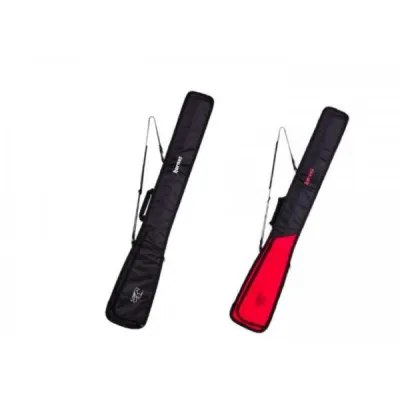
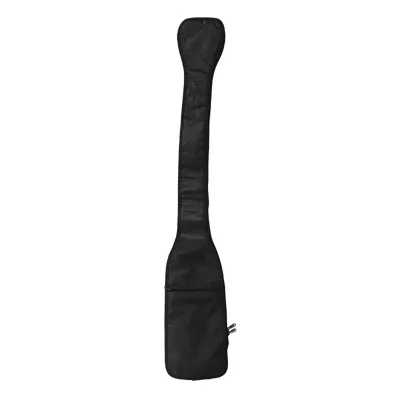
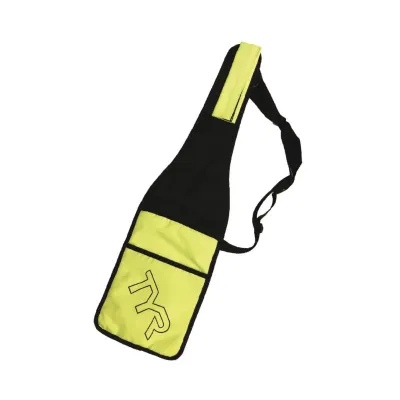
Prices are valid at publication and may change. Please refer to the product page for the latest price.
The physical environment where your team stores its equipment between training sessions dictates the necessary level of durability and security. Many clubs in Singapore utilize shared outdoor or semi-outdoor storage cages at local nurseries or marinas. These spaces expose bags to ambient humidity, salt air, and blowing rain. If your gear remains in a shared clubhouse or public-access cage, prioritize bags constructed from heavy-duty, puncture-resistant materials with lockable, corrosion-resistant zippers. Conversely, if your team operates on a decentralized model where individual members or designated equipment managers take the gear home after every session, lightweight and collapsible bags are highly advantageous, as they occupy minimal space in residential HDB flats.
Investing in a high-quality team paddle bag should be viewed as an insurance policy for your club’s hardware. While budget-friendly, unpadded canvas sacks are appealing for their low upfront cost, they offer virtually no protection against structural impacts. A single dropped bag or a hard bump against a concrete curb can easily fracture a carbon fiber shaft or chip a composite blade, resulting in replacement costs that far exceed the price of a premium bag. When evaluating options, calculate the cost-per-use over a two- to three-year horizon. A durable, well-padded bag that features reinforced high-wear areas and robust hardware will ultimately deliver a lower total cost of ownership by preventing premature gear failure and minimizing the need for frequent bag replacements.
Top Types of Dragonboat Paddle Bags for Team Transport
Heavy-Duty Wheeled Team Bags
Heavy-Duty Wheeled Team Bags represent the gold standard for high-capacity gear transport, offering unparalleled convenience on paved surfaces. These bags are typically designed to hold between 15 and 22 paddles and are equipped with heavy-duty inline skate wheels, reinforced skid plates, and telescopic or heavy-duty pull handles.

The primary advantage of a wheeled bag is the dramatic reduction in physical strain on your team members. Instead of lifting and carrying a massive, awkward load, a single paddler can easily wheel the entire team’s gear across flat, paved surfaces, such as marina walkways, parking lots, or airport terminals during overseas regattas. This makes them exceptionally well-suited for competitive club teams that travel frequently.
However, these bags come with notable trade-offs. Their empty weight is significantly higher than other styles due to the integrated wheel assemblies, internal framing, and heavy-duty base plates. This added weight can be a major disadvantage if your team frequently travels on commercial flights where strict baggage weight limits apply. Additionally, the wheels are highly vulnerable to damage when dragged through sand, thick mud, or over rough gravel pathways commonly found near natural launch sites. If debris enters the wheel housing, it can seize the bearings, rendering the rolling mechanism useless. Always verify that the wheel bearings are sealed and corrosion-resistant before purchasing a wheeled model for wet environments.
This bag style is best for established clubs with dedicated vehicle transport, teams that train at venues with fully paved access to the docking area, and squads that regularly travel internationally for regional championships.
Padded Backpack-Style Paddle Bags
Padded Backpack-Style Paddle Bags are designed with ergonomics and mobility in mind, offering a highly versatile solution for teams that require hands-free carrying over long distances. These bags feature adjustable, padded shoulder straps, chest connectors, and sometimes padded hip belts to distribute the weight evenly across the carrier’s torso.
The main benefit of the backpack design is its superior maneuverability. It allows a single team member to carry multiple paddles while keeping their hands completely free to carry other essential gear, navigate narrow stairwells, pass through public transit turnstiles, or walk safely along uneven, grassy banks. The integrated padding provides excellent protection against external impacts, ensuring that the paddle blades and shafts remain cushioned during transit.
Before lifting a fully loaded backpack bag, always check the integrity of the carrying straps, adjustment buckles, and load-bearing seams to prevent sudden failures that could lead to dropped gear or personal injury. If any tearing or fraying is observed at the strap attachment points, stop using the backpack carrying system immediately and seek professional repair. Additionally, remember that while high-quality equipment protects your gear, it cannot replace proper physical conditioning and lifting techniques; always lift with your legs to avoid back strain.
The primary limitation of backpack-style bags is their restricted carrying capacity. Most models are designed to hold between 6 and 10 paddles, which means a standard 20-person team will need to purchase and coordinate the transport of at least two or three bags. This decentralized approach requires clear communication and shared responsibility among team members to ensure no gear is left behind.
This style is highly recommended for school and university teams relying on public transportation, smaller training squads, or as secondary utility bags dedicated to carrying the specific gear of the drummer and steersperson.
Basic Canvas or Tarpaulin Duffels
Basic Canvas or Tarpaulin Duffels are straightforward, high-capacity utility bags that prioritize simplicity and raw volume over specialized carrying systems. These bags generally consist of a single large, unpadded compartment with a heavy-duty zipper and simple webbed shoulder straps or dual carry handles.
The outstanding advantage of a classic duffel bag is its durability and lightweight construction. Because they lack heavy wheel mechanisms, rigid internal frames, or complex harness systems, these bags are exceptionally light when empty and can be easily folded or rolled up for compact storage. They are also highly resilient; high-quality tarpaulin models are naturally water-resistant and can withstand rough handling, making them ideal for throwing into the back of pickup trucks, open trailers, or crowded team vans without fear of damaging delicate components.
On the downside, carrying a fully loaded duffel bag containing 15 or more paddles is physically exhausting. Without wheels or an ergonomic backpack harness, the entire weight of the load is concentrated on a single shoulder strap or carried by hand, which can lead to rapid fatigue and potential muscle strain. Furthermore, the lack of internal padding means that individual paddles are susceptible to scratching and clattering against each other unless team members use individual protective sleeves.
These bags are best suited for teams operating on tight budgets, clubs with direct vehicle-to-dock access where carrying distances are minimal, or as secondary storage covers within a secured, permanent boat club cage.
Key Features for Singapore's Climate and Transit Logistics
In Singapore, where sudden tropical downpours can saturate outdoor gear in seconds, understanding the difference between water resistance and true waterproofing is vital. Water-resistant bags, often made of treated nylon or polyester, can repel light drizzle but will eventually absorb water during a heavy monsoon storm. For maximum protection, look for bags constructed from heavy-duty waterproof tarpaulin (such as 1000D PVC or TPU) featuring welded seams rather than standard stitching. These materials prevent water from seeping into the main compartment, protecting expensive wooden or composite paddles from prolonged water exposure. When shopping, verify the manufacturer’s specifications regarding water resistance ratings or hydrostatic head capabilities to ensure the bag matches your training environment.
Singapore’s high relative humidity, which frequently hovers around 80% to 90%, creates an ideal breeding ground for mold, mildew, and bacteria. Trapping wet paddles, damp grip tapes, and sweat-soaked wrist straps inside a completely sealed, airtight bag will quickly result in foul odors and the rapid degradation of grip materials. To combat this, look for paddle bags equipped with integrated mesh ventilation panels or brass/plastic drainage grommets at the base. These features allow air to circulate freely throughout the compartment, encouraging residual moisture to evaporate even when the bag is zipped shut. If a bag lacks built-in ventilation, you must make a habit of leaving the zippers partially open during storage.
The abrasive concrete surfaces, gravel paths, and wooden docks found at local training venues like the Kallang Basin can quickly wear through standard fabrics. To prevent the bottom of your team bag from tearing, ensure it is equipped with a heavily reinforced base. Look for panels constructed from molded rubber, high-density polyethylene (HDPE) skid plates, or extra-thick textured PVC. Additionally, robust drag handles sewn with reinforced box-stitching at both ends of the bag are essential. These handles allow two team members to share the load comfortably when lifting the bag in and out of vehicles, preventing unnecessary strain on the main shoulder straps and zippers.
For teams relying on Singapore’s public transport network, complying with local transit regulations is crucial to avoid fines or being denied boarding. The Land Transport Authority (LTA) sets strict size limits for luggage and personal items on the MRT and public buses. Generally, the maximum allowable dimensions for any single item of luggage are 120 cm in length, 70 cm in width, and 40 cm in height. Because standard dragonboat paddles measure between 115 cm and 130 cm, a fully packed team bag will frequently hover near or exceed these limits. To ensure compliance, always measure your bag when it is fully loaded with paddles.
When traveling on public transit, safety must remain your primary concern. Ensure that your paddle bag is kept upright and secure at all times, and never allow it to block emergency exits, priority seats, or narrow walkways on the MRT or buses. If a bag is too heavy or awkward to control safely in a crowded environment, stop and wait for a less crowded train, or coordinate alternative private transport to ensure the safety of both your gear and your fellow commuters.
Maintenance and Storage Tips for Team Paddle Bags
To extend the lifespan of your team’s paddle bags, implementing a strict post-session maintenance routine is essential. The brackish water of the Kallang Basin and the saltwater environments of coastal regattas contain salt, mud, and organic matter that can quickly degrade synthetic fabrics and corrode metal zippers. After every training session, thoroughly rinse both the exterior and interior of the bag with clean, fresh tap water. Pay close attention to the zipper tracks, buckle connections, and wheel housings, as these areas are highly prone to trapping salt crystals and abrasive sand particles.
Never zip a damp paddle bag shut or store it while wet. Once the bag has been rinsed, hang it upside down with all compartments, pockets, and zippers fully open. Choose a shaded, well-ventilated outdoor area or an indoor space with active airflow (such as near a fan) to dry the bag completely. Avoid leaving synthetic bags in direct, intense afternoon sunlight for extended periods. Prolonged exposure to ultraviolet (UV) radiation breaks down the chemical bonds in nylon, polyester, and waterproof coatings, leading to fabric fading, brittleness, and premature tearing.
Establish a monthly hardware inspection checklist to catch minor wear before it leads to a catastrophic failure during a major regatta. Inspect all load-bearing stitching on shoulder straps and carry handles for signs of fraying or loosening threads. Clean the zipper tracks with a soft brush to remove dirt, then apply a specialized zipper wax or marine-grade silicone lubricant to ensure smooth operation and prevent corrosion. For wheeled bags, check the wheel axles for tangled hair, thread, or debris, and verify that the wheels spin freely without resistance.
When the competitive season ends or during periods of reduced training activity, store your clean, completely dry paddle bags in a cool, dark, and dry indoor environment. Avoid damp storerooms, outdoor sheds, or unventilated balconies where high humidity can still trigger mold growth. Do not stack heavy training equipment, weights, or other bulky items on top of empty bags, as this constant pressure can permanently warp plastic internal frames, bend telescopic handles, or crack protective skid plates.
Frequently Asked Questions (FAQ)
How many paddles should a standard team bag hold?
A standard full-sized team paddle bag is typically designed to hold between 15 and 22 paddles, allowing a competitive crew to transport their primary gear along with a few spares. However, actual capacity depends on the paddle blade size and how the paddles are arranged (usually stacked alternating blade-to-grip). For larger squads or teams that also need to transport a sweep oar, it is often more practical to use a combination of one large team bag and several smaller personal or multi-paddle bags to distribute the weight and make transport more manageable.
Can I bring a large paddle bag on the MRT in Singapore?
Yes, but you must strictly adhere to the Land Transport Authority (LTA) luggage guidelines. The maximum allowable dimensions for luggage on MRT trains and public buses are 120 cm in length, 70 cm in width, and 40 cm in height. Since many team paddle bags exceed 120 cm when fully packed, station control staff have the authority to deny entry if they deem the bag a safety hazard or obstruction, particularly during peak commuting hours. To avoid issues, travel during off-peak times, ensure the bag is carried vertically when boarding, and consider splitting the paddles into smaller, compliant backpack bags.
How do I prevent mold inside the paddle bag?
Preventing mold in Singapore’s humid climate requires keeping the interior dry and clean. Always unzip the bag completely and let it air-dry in a well-ventilated area after every training session. Never store damp paddles or wet grip tapes inside a closed bag. Additionally, placing large silica gel desiccant packs or moisture-absorbing canisters inside the main compartments can help capture residual airborne moisture. If a musty odor or mold spots develop, wipe down the interior thoroughly with a mild, non-bleach disinfectant wipe or a diluted vinegar solution, then allow it to dry completely in the shade before using it again.
Community discussion
Share your experience or ask a question. Comments are reviewed before publication.