
Setting up a home workout space in Singapore requires a careful balance between equipment utility and limited square footage. Choosing the right dumbbells rack is essential to keep your weights organized, prevent floor damage, and maximize your training area. The best storage solution for your space depends on your specific weight set, the structural limitations of your home, and Singapore’s humid tropical climate.
Investing in dedicated storage does more than just tidy up a room. It ensures a safer training environment by keeping heavy metal objects off walkways where they pose tripping hazards. By selecting a system that fits your specific space and training style, you can build a highly functional home gym that remains organized and safe for years to come.
Quick Guide: What to Look for in a Home Gym Dumbbell Rack
Setting up a home gym in Singapore presents unique spatial challenges. With the majority of residents living in Housing & Development Board (HDB) flats or condominiums, floor space is at a premium. Unlike spacious suburban garages, local workout areas are often carved out of spare bedrooms, living room corners, or enclosed balconies. This makes the physical footprint of your fitness equipment a primary consideration when planning your layout.
Products mentioned in this guide
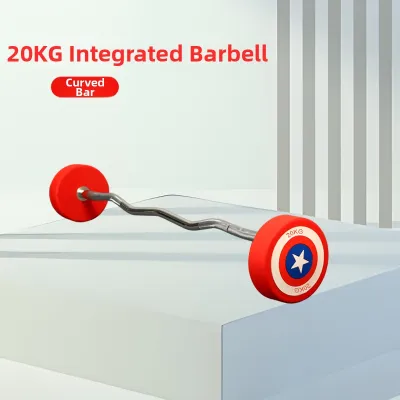
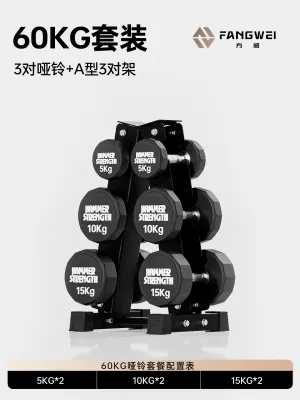
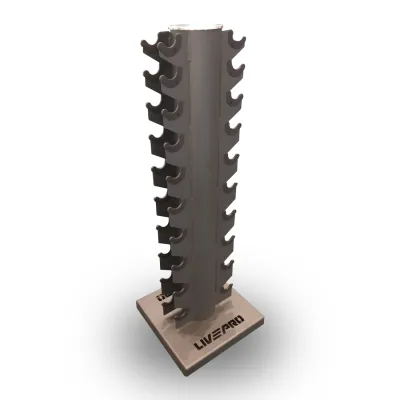
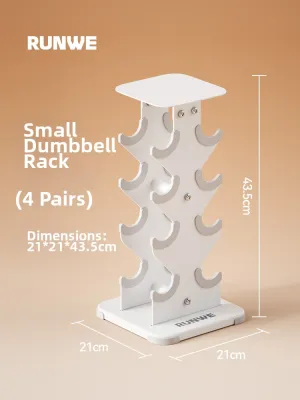
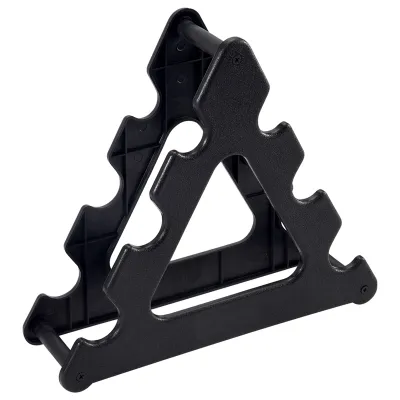
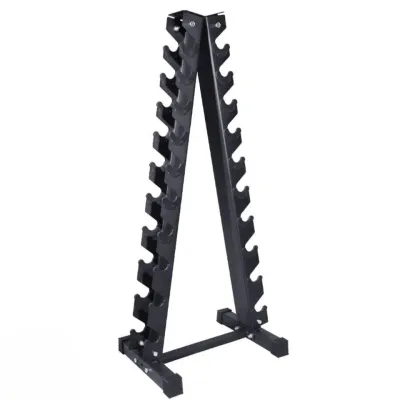
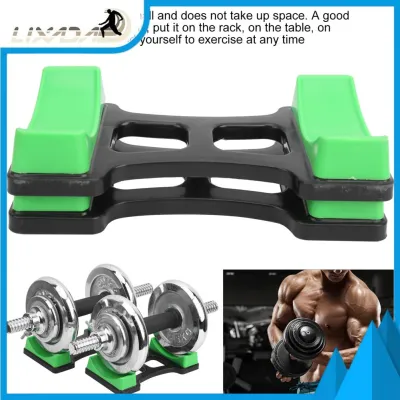
Prices are valid at publication and may change. Please refer to the product page for the latest price.
To make an informed purchase, you must evaluate three core criteria: floor footprint, humidity resistance, and weight compatibility. A rack that takes up too much floor space will restrict your movement during exercises, while one with poor moisture resistance will quickly succumb to rust. Additionally, the rack must physically accommodate the shape and weight of your specific dumbbells without bowing or tipping.
Ultimately, the goal is to match the right storage style to your existing equipment and available space. There is no need to buy a massive commercial-grade three-tier stand if you only own two pairs of weights. Conversely, overloading a flimsy vertical stand can lead to structural failure. Understanding these trade-offs allows you to select a setup that supports your fitness routine safely and efficiently.
Crucial Selection Criteria for Singapore Home Gyms
Space and Footprint
Before browsing any dumbbells rack designs, you must measure your physical workout area with precision. Do not just measure the static footprint of the rack itself; you must also account for the clearance zone required to safely load and unload the weights. For safe operation, plan for at least 60 to 90 centimeters of clear walkway space in front of and around the storage unit. This zone ensures you can bend, lift, and step back with heavy weights without hitting walls, furniture, or other exercise equipment.

In tight HDB layouts, vertical space is your most valuable asset. A rack that stacks weights vertically utilizes a fraction of the floor space required by a wide horizontal model. However, if you have a dedicated spare room, a low-profile horizontal rack can double as a visual boundary for your workout zone. Always map out your floor plan using masking tape before purchasing to visualize how the unit will fit into your daily living space.
Climate and Material Durability
Singapore’s tropical climate is characterized by high year-round humidity, often hovering above 80 percent. When combined with the salty sweat generated during intense workouts, this moisture creates a highly corrosive environment for raw steel. To prevent structural degradation and unsightly rust, you must pay close attention to the protective finishes specified by manufacturers.
Powder-coated steel is the industry standard for home gym equipment because the electrostatic powder coating is baked on at high temperatures, creating a dense, durable barrier against moisture. Chrome plating offers excellent resistance to scratching, but cheap chrome can chip over time, exposing the underlying steel to rust. Stainless steel components provide the highest level of corrosion resistance but typically carry a premium price tag. When evaluating options, look for heavy-duty steel frames with double-stitched welds and scratch-resistant powder finishes.
Weight Capacity and Compatibility
Every dumbbells rack comes with a maximum load threshold specified by the manufacturer. Exceeding this limit can cause the shelves to bow, weld joints to crack, or the entire frame to collapse. Before buying, calculate the total weight of your current dumbbell collection and compare it against the rack’s rated capacity, leaving a safety margin of at least 15 to 20 percent for future weight upgrades.
You must also ensure the physical design of the rack matches the shape of your weights. Fixed hex dumbbells sit comfortably on flat or angled tiers, whereas round pro-style dumbbells require specialized cradles to prevent them from rolling off. If you use modern adjustable dumbbells, their bulky selector dials and elongated handles may not fit onto standard narrow tiers. Always cross-reference the spacing between the rack rails with the handle length of your dumbbells to ensure a secure fit.
Top Dumbbell Rack Styles for Home Use
A-Frame and Tiered Racks (2-Tier & 3-Tier)
Horizontal tiered racks, available in two-tier or three-tier configurations, are the classic storage solution found in most commercial fitness centers. These racks feature angled shelves that tilt forward slightly, making it incredibly easy to grip and lift heavy weights without straining your wrists. This design provides excellent stability because the wide, low-slung base keeps the center of gravity close to the ground.
To maximize safety on a tiered rack, always store your heaviest dumbbells on the bottom tier and place the lighter pairs on the top shelves. This distribution prevents the unit from becoming top-heavy and minimizes the risk of accidental tipping. The primary drawback of this style is its substantial horizontal footprint. A standard three-tier rack can easily span over a meter in width, making it a challenging fit for smaller rooms.
This style is ideal for fitness enthusiasts who own a progressive set of fixed hex dumbbells and have a dedicated workout room or a spacious living area. The open horizontal design allows you to organize your weights sequentially by size, making weight transitions quick and seamless during high-intensity circuit training or drop sets.
Vertical and Tree Racks
Vertical and tree-style racks stack your weights upward rather than outward, making them the ultimate space-saving solution for compact apartments. By utilizing vertical space, these units hold multiple pairs of dumbbells while occupying a floor footprint no larger than a standard floor lamp. This efficiency makes them highly popular for multi-purpose living areas where gym gear must be tucked away neatly.
However, storing heavy weights vertically raises the center of gravity of the entire unit, which introduces stability concerns. To mitigate this risk, you must verify the base dimensions and load distribution guidelines in the product specifications. A quality vertical rack should feature a wide, flared base—often in an A-frame or triangular configuration—to prevent lateral tipping. It is critical to load these racks from the bottom up, placing the heaviest weights at the base to anchor the unit securely.
This style is best suited for individuals who train with lighter to medium-weight fixed dumbbells or those who own a limited number of pairs. If you use a compact set of weights for high-repetition conditioning or accessory movements, a vertical tree rack keeps your gear organized and easily accessible without dominating your living room.
Wall-Mounted and Compact Racks
For ultra-compact apartments where floor space is virtually non-existent, wall-mounted racks offer a way to lift your weights entirely off the ground. By suspending your dumbbells on the wall, you keep your floor clear for yoga mats, skipping ropes, or general foot traffic. This setup creates a clean, minimalist aesthetic that appeals to homeowners who want to keep their fitness gear out of sight when not in use.
Installing a wall-mounted rack in Singapore requires strict adherence to structural safety guidelines. HDB flats typically feature solid concrete structural walls, which are highly suitable for anchoring heavy loads when using professional masonry bolts. However, you must never attempt to mount a weight rack to internal partition walls, drywall, or hollow plasterboard structures, as these materials cannot support the sheer force of suspended iron weights. If you are renting your home, you must also consider the permanent drilling required for safe installation.
This style is ideal for dedicated home gym owners who have access to structural concrete walls and want to completely clear their floor space. Because of the physical effort required to lift weights up to chest or shoulder height for storage, wall-mounted systems are best reserved for light-to-medium weight pairs rather than extremely heavy bulk iron.
Comparison Matrix: Matching Rack Styles to Your Setup
Choosing the right style involves balancing your available space against your specific training equipment. The table below outlines the structural design differences between the three primary rack configurations to help you identify the best fit for your home.
| Rack Style | Floor Footprint | Ideal Dumbbell Type | Stability Profile | Installation Effort |
|---|---|---|---|---|
| A-Frame / Tiered | High (Requires wide horizontal space) | Fixed hex or round dumbbells | Excellent (Low center of gravity) | Low (Freestanding, basic assembly) |
| Vertical / Tree | Low (Compact vertical footprint) | Lighter fixed pairs or select adjustable sets | Moderate (Requires careful weight balancing) | Low (Freestanding, basic assembly) |
| Wall-Mounted | Zero (Saves all floor space) | Fixed light-to-medium weight pairs | High (Dependent on wall structural integrity) | High (Requires drilling into concrete/solid masonry) |
Safety, Placement, and Maintenance Best Practices
Placement
Proper placement of your dumbbells rack is vital for maintaining a safe and functional home workout environment. Position the rack against a solid wall away from high-traffic zones, doorways, and corridors where family members or pets might bump into it. Ensure the area is well-lit so you can clearly read weight markings and avoid missteps when grabbing or returning heavy dumbbells.
Floor Protection
Placing heavy iron weights and steel racks directly onto residential flooring can cause permanent damage. Over time, the concentrated pressure can crack ceramic tiles, dent vinyl planks, or scratch hardwood surfaces. To prevent this, always place a high-density rubber gym mat beneath your rack. In multi-story HDB flats and condominiums, these mats also serve a secondary purpose: they dampen the structural vibration and impact noise of racking weights, helping you maintain good relations with your downstairs neighbors.
Maintenance
To ensure the longevity of your equipment, establish a simple, low-risk cleaning routine. Sweat contains salt and acids that accelerate metal corrosion, even on high-quality powder-coated finishes. After every workout, wipe down the rack frame and shelves with a dry microfiber cloth to remove moisture. Every few months, conduct a quick structural check: inspect the weld joints for hairline cracks and use a wrench to ensure all assembly bolts remain tightly secured.
Frequently Asked Questions (FAQ)
Can I store adjustable dumbbells on a standard 3-tier rack?
Adjustable dumbbells are typically wider and longer than traditional fixed hex dumbbells because they house multiple weight plates on a single handle shaft. Because of this unique shape, they may not sit securely on standard three-tier racks designed for fixed weights. Before purchasing, measure the cradle width and tier spacing of the rack against the exact physical dimensions of your adjustable dumbbell model to ensure they will rest flat without slipping.
Do I need a rubber mat under my dumbbell rack?
While a rubber mat is not strictly mandatory for the structural integrity of the rack itself, it is highly recommended for home use. A high-density rubber mat protects your home’s flooring from dents and scratches caused by heavy loads. Additionally, it dampens vibration noise in multi-story residential buildings and provides a non-slip base that prevents the rack from sliding when you load or unload heavy weights.
Community discussion
Share your experience or ask a question. Comments are reviewed before publication.