
Quick Answer: Which Dumbbell Type Saves the Most Space?
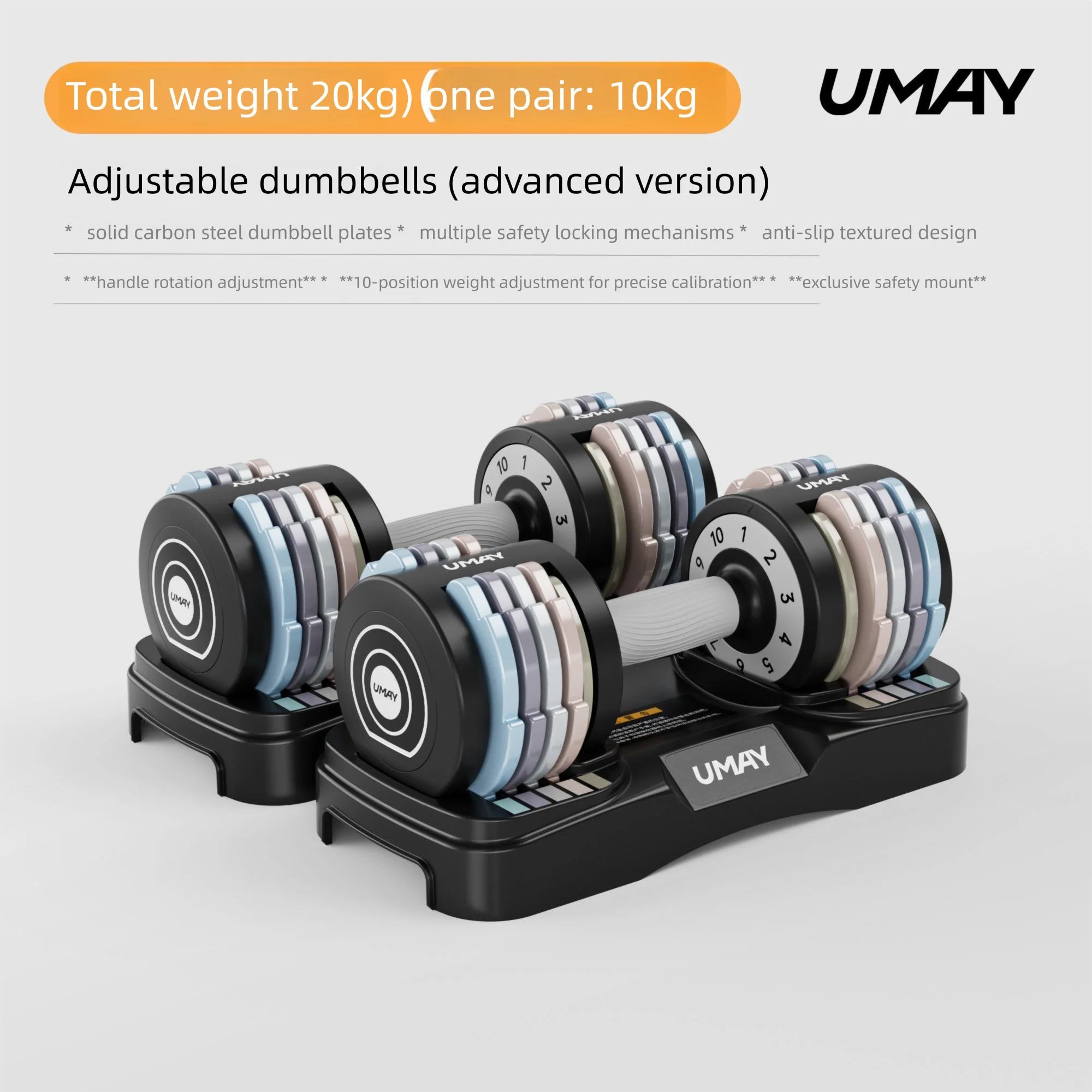
When space is at a premium in a typical HDB flat, selectorized dumbbells are the most efficient choice. These innovative systems house multiple weight increments within a single pair of handles, resting compactly in a dedicated holding tray. By turning a dial or shifting a pin, you can instantly adjust the weight, effectively replacing an entire row of traditional fixed dumbbells with a single, shoebox-sized footprint.
For those on a tighter budget, adjustable spin-lock dumbbells serve as an excellent alternative. While they require manual plate changes and separate storage for loose plates, they can be completely disassembled and tucked away into small drawers or under-bed bins. Traditional fixed dumbbells, on the other hand, are highly durable but demand significant floor space, making them practical only if you limit your collection to one or two versatile pairs.
Comparing Dumbbell Types for Limited HDB Spaces
Selecting the right strength-training equipment requires balancing your fitness goals with the physical realities of apartment living. Each dumbbell category offers distinct advantages and spatial trade-offs that impact how easily you can maintain a clutter-free home.
Products mentioned in this guide
![[BULKY]Hex Dumbbell Rubber Coated Chrome Dumbbell / Home Gym / Indoor Gym/Fitness/Weights (Not Sold in pair)](https://img.lazcdn.com/g/p/9cecb653fdef1b69b19d212d76b0c30a.jpg_400x400q80.jpg_.webp)
Prices are valid at publication and may change. Please refer to the product page for the latest price.

Selectorized Dumbbells
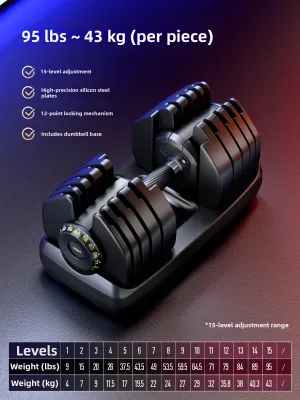
Selectorized models represent the pinnacle of space-saving fitness technology. A single pair can adjust across a wide range of weight settings, allowing you to transition from light lateral raises to heavy squats in seconds. The entire system sits in a compact docking tray that prevents the weights from rolling around. When evaluating these, check the clearance required to operate the adjustment mechanism. Some models require extra lateral space to slide the handle out, while others adjust via a top-mounted dial or a twisting handle. Because they consolidate up to fifteen pairs of weights into one, they keep your living room completely free of iron clutter.
Adjustable Dumbbells (Spin-lock/Plate-loaded)
Spin-lock dumbbells consist of threaded steel bars, loose weight plates, and securing collars. They offer a highly customizable workout experience at a fraction of the cost of selectorized systems. The primary spatial advantage of spin-lock sets is their modularity. When your workout is finished, you can slide the plates off the bars and stack them vertically in a closet, or pack them into a heavy-duty plastic storage container. The main trade-off is the time and effort required to swap plates between exercises, along with the potential for loose plates to clutter your floor if you do not establish a strict storage routine.
Fixed Dumbbells
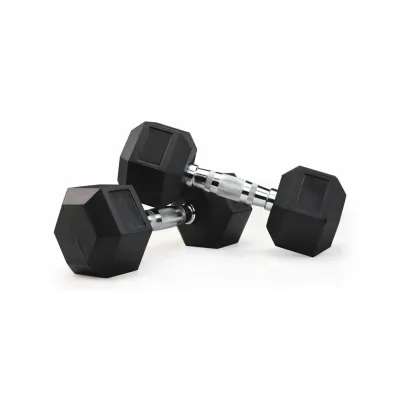
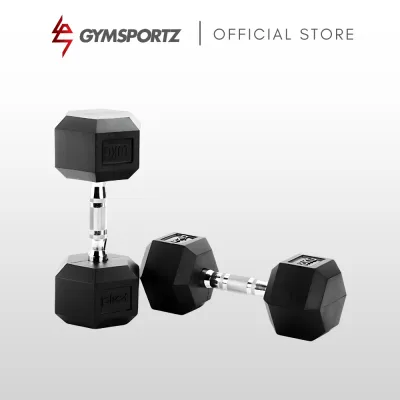
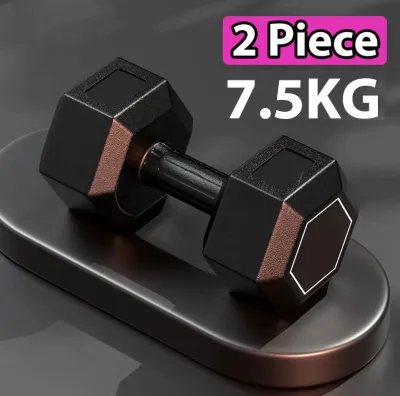
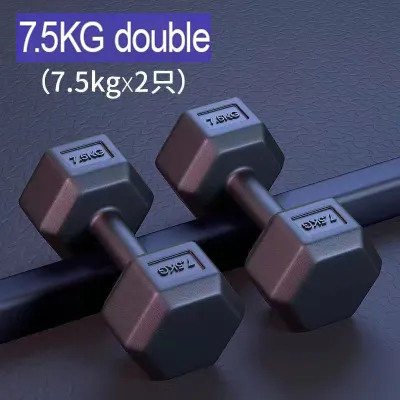
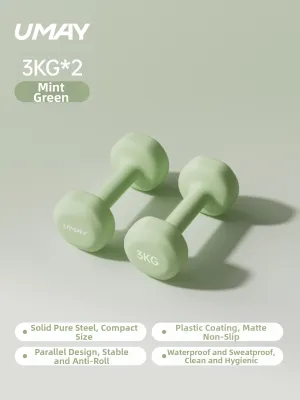
Fixed dumbbells are solid, single-weight implements often coated in rubber, neoprene, or urethane. They are incredibly robust, feature no moving parts to maintain, and are ready to use instantly. However, their lack of adjustability means that as your strength progresses, you must purchase additional pairs. Storing a comprehensive set of fixed dumbbells requires a multi-tier horizontal or vertical rack, which quickly consumes valuable square footage in a compact HDB living room. If you prefer the simplicity of fixed weights, it is best to limit yourself to one or two pairs that target your primary exercise needs, rather than attempting to house a full commercial-style set.
Measuring Your HDB Space for Equipment and Storage
Before purchasing any fitness gear, taking precise measurements of your home is crucial to ensure a safe and comfortable workout environment. You must account for both the storage footprint of the equipment and the dynamic space required during active exercise.
First, measure your dedicated workout zone. A safe exercise area should extend at least two meters in length and two meters in width. This clearance ensures you can perform dynamic movements, such as lateral raises, overhead presses, and lunges, without striking walls, light fixtures, or low-hanging ceiling fans. Remember to account for your full arm span plus the length of the dumbbells themselves when calculating this boundary.
Next, identify and measure potential storage zones. If you plan to store your weights under a bed or sofa, measure the vertical clearance from the floor to the underside of the frame. Many standard bed frames offer a clearance of 15 to 20 centimeters, which easily accommodates flat-lying spin-lock plates but may be too low for bulky selectorized trays. If you intend to use a utility closet or household shelter, measure the shelf depth and verify that the lower shelves are structurally capable of supporting concentrated heavy loads.
Finally, consider the pathways within your flat. If you need to transport your weights between a bedroom storage spot and a living room workout area, ensure your hallways and doorways are wide enough to navigate safely while carrying heavy loads. Clear pathways prevent accidental drops that could damage your walls or injure your feet.
Smart Storage Solutions for Compact Flats
Keeping your home organized and safe requires creative storage strategies that blend seamlessly with your living space. Heavy fitness equipment should never be left scattered on the floor, where it poses a constant tripping hazard.
For fixed dumbbells, a vertical A-frame rack is an excellent investment. Unlike horizontal racks that stretch across the floor, vertical racks stack weights upward, utilizing vertical space and keeping the overall footprint minimal. Ensure the rack features rubberized feet to protect your flooring from scratches and prevent the stand from sliding during use.
If you prefer to keep your equipment completely out of sight, look for multi-functional furniture. Heavy-duty storage ottomans or wooden benches with reinforced internal frames can double as living room seating and hidden weight chests. When using furniture for weight storage, always verify the internal weight capacity to ensure the structure will not bow or collapse under the weight of solid iron.
For plate-loaded adjustable sets, low-profile plastic bins with heavy-duty wheels are highly effective. These bins can be rolled under a bed or into the bottom of a wardrobe. Opt for containers made of thick, impact-resistant plastic, as standard storage boxes can easily crack under the weight of heavy plates.
Lastly, always designate a storage spot away from high-traffic walkways. Hallways, entryways, and the immediate paths around kitchen counters should remain entirely clear of weights to prevent painful stubbed toes and dangerous falls in low-light conditions.
Common Space-Matching Mistakes to Avoid
Avoiding common pitfalls when integrating fitness equipment into a small apartment will save you time, money, and potential home damage. Many homeowners overlook the practical realities of handling heavy iron in tight quarters.
One frequent mistake is ignoring the “in-use” footprint of the equipment. A dumbbell set might look perfectly compact sitting in its storage tray in the corner, but once you pick up the weights and begin moving, your body requires significantly more space. Failing to account for this dynamic movement can lead to accidental collisions with television screens, glass coffee tables, or nearby furniture.
Another critical error is neglecting floor protection and structural load limits. Dropping a heavy dumbbell, even from a height of a few centimeters, can easily crack ceramic tiles or leave deep, permanent dents in vinyl and laminate flooring. Always perform your workouts on a dedicated protective mat, and avoid placing extremely heavy weight racks on weak partition walls or unreinforced shelving units.
Finally, avoid the temptation of buying large, multi-pair fixed dumbbell sets simply because they are sold as a bundle. Without a dedicated, structurally sound storage plan, these sets quickly end up scattered across your living room floor, creating a cluttered environment that disrupts the flow of your home and increases the risk of household accidents.
Frequently Asked Questions (FAQ)
Can I keep dumbbells on my HDB balcony?
Storing dumbbells on an open balcony is generally not recommended due to Singapore’s tropical climate. High humidity, frequent rain, and intense sunlight can cause rapid rusting of metal components and accelerate the degradation of rubber, neoprene, or plastic coatings, making them sticky or brittle. If you must store your weights on the balcony, keep them inside a weatherproof, sealed storage container to shield them from moisture and UV rays. Additionally, verify your estate’s guidelines regarding balcony weight limits before storing heavy equipment outdoors.
Do I need a special floor mat for my HDB living room?
Yes, a high-density rubber or EVA foam mat is highly recommended for home workouts. A quality mat absorbs the impact of placed or dropped weights, protecting your tiles or vinyl flooring from costly structural damage. It also plays a crucial role in dampening sound and vibrations, preventing noise from traveling through the concrete floor slab to your downstairs neighbors. When purchasing a mat, check its thickness to ensure it provides adequate cushioning while still allowing your living room or bedroom doors to swing open and close without obstruction.
Community discussion
Share your experience or ask a question. Comments are reviewed before publication.