
Selecting the best elbow and knee guards for inline skating in Singapore requires a careful balance of robust impact protection and climate-specific comfort. The city’s tropical climate, characterized by high temperatures and relentless humidity, means that standard heavy-duty pads can quickly become unbearably hot, leading to skin chafing and reduced compliance. Whether you are navigating the smooth, scenic paths of the East Coast Park Park Connector Network (PCN) or practicing technical grinds at a local concrete skatepark, your safety gear must remain securely in place while allowing your skin to breathe.
However, it is vital to remember that wearing high-quality elbow and knee guards does not make you invincible. Protective equipment is designed to mitigate injury during a fall, but it cannot replace proper skating technique, balance training, and situational awareness. Before heading out onto Singapore’s busy shared paths, ensure you have mastered basic stopping techniques, such as the heel brake or T-stop, and understand how to control your speed on downslopes. If you find yourself losing balance, practicing controlled falls—aiming to slide on your pads rather than absorbing the impact with stiff limbs—is a fundamental skill every skater must develop.
Quick Guide: Matching Guard Types to Your Skating Style
Understanding the structural differences between protective gear designs is the first step toward finding the perfect set. Protective pads generally fall into three primary categories: hard-shell caps, soft-sleeve pads, and hybrid models. Each configuration offers a distinct trade-off between maximum impact absorption, abrasion resistance, and freedom of movement.
Products mentioned in this guide
![[SG SELLER] Elbow Knee Pad Guards Solid Quality Protective Gear Safety Knee Support Compression Knee Skateboard Sports](https://img.lazcdn.com/g/p/1d172bf35c0b913a6fb6fd82337dc72d.jpg_400x400q80.jpg_.webp)
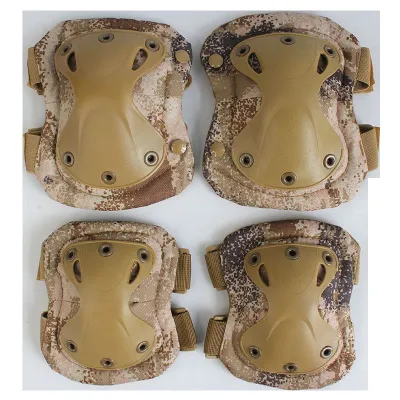
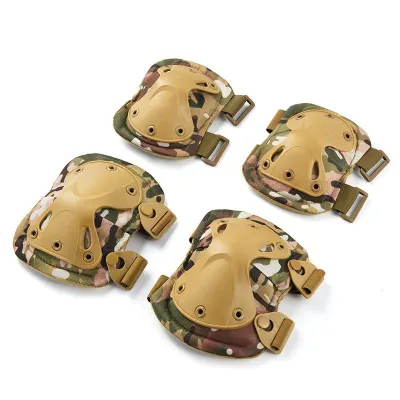
Prices are valid at publication and may change. Please refer to the product page for the latest price.
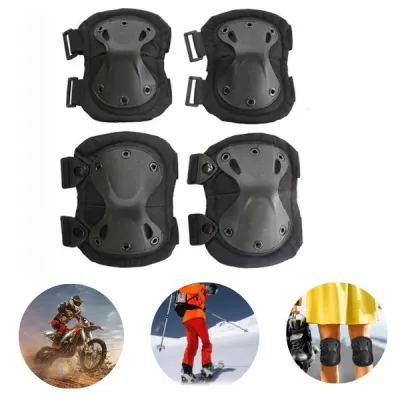
Hard-shell caps feature a rigid, curved plastic cup (usually made of high-density polyethylene) riveted over a thick layer of shock-absorbing foam. These are engineered for high-impact falls on unforgiving surfaces like concrete, asphalt, or wood. The primary advantage of a hard shell is its ability to slide upon contact with the ground. This sliding action redirects the forward kinetic energy of a fall, significantly reducing the direct force transmitted to your joints and bones.
Soft-sleeve pads utilize flexible, low-profile materials—often advanced non-Newtonian gels or specialized polyurethane foams—encased within a stretchy fabric sleeve. These materials remain soft and pliable during normal movement but instantly harden upon impact to absorb shock. Soft sleeves offer exceptional mobility and fit comfortably under clothing, making them highly popular for casual cruising, dance skating, or long-distance fitness skating. However, they lack the sliding capability of hard shells and primarily offer abrasion protection against road rash.
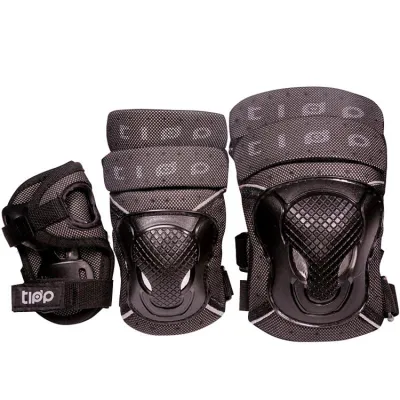
Hybrid designs bridge the gap by combining a flexible, slip-on sleeve with a smaller, low-profile hard cap sewn onto the impact zone. This hybrid approach provides the secure, anatomical fit of a sleeve while maintaining the sliding safety benefit of a hard shell. Your choice should ultimately align with your specific skating discipline, your current skill level, and the physical characteristics of the surfaces you plan to skate on across Singapore.
Choosing Pads for Singapore’s Hot and Humid Climate
Singapore’s tropical environment, with relative humidity levels often exceeding 80 percent, demands careful consideration of gear ventilation. When you skate in high humidity, your body relies heavily on sweat evaporation to cool down. Traditional, thickly padded guards without airflow features trap heat and moisture against your skin. This trapped sweat not only causes intense discomfort but also creates a perfect breeding ground for bacteria, leading to severe skin chafing, heat rashes, and persistent fabric odors.

To maintain comfort without sacrificing safety, prioritize elbow and knee guards engineered with active ventilation systems. Look for hard shells that incorporate molded air vents or perforated patterns that allow air to pass through to the inner layers. The underlying foam backing should also feature molded ventilation channels or a honeycomb structure to facilitate continuous airflow as you move. Additionally, seek out liners made from advanced moisture-wicking fabrics, such as Coolmax or specialized polyester meshes, which actively pull sweat away from your skin to accelerate evaporation.
The construction of the attachment straps is another critical factor in tropical comfort. Neoprene sleeves and wide neoprene straps are highly durable and provide an exceptionally secure, non-slip fit that prevents the pads from shifting. However, neoprene is a synthetic rubber that inherently retains heat and sweat. If you run hot, consider guards that utilize elastic, open-mesh, or bungee-style straps. These materials allow the back of your knee and the inside of your elbow to breathe freely, significantly reducing sweat buildup and the risk of friction-induced chafing behind the joints.
When evaluating different models, check the manufacturer’s product specifications and labels for integrated antimicrobial or anti-odor treatments. These chemical or physical treatments, such as silver-ion technology, help suppress the growth of odor-causing bacteria within the fabric fibers. Furthermore, look for guards designed with completely removable and machine-washable foam liners. Being able to strip the fabric elements away from the rigid plastic shells makes thorough cleaning infinitely easier in a humid climate.
Most importantly, remember that climate-focused comfort features must never come at the expense of structural safety. A highly breathable but flimsy pad that shifts during a fall offers no real protection. Always ensure that any lightweight or ventilated guard you select still complies with recognized international safety standards, such as the European EN 14120 standard for roller sports protective gear, and provides complete coverage over the vulnerable bony prominences of your elbows and knees.
Top Elbow and Knee Guard Recommendations by Skater Profile
Best for Beginners and Park Connector Network (PCN) Cruising
For those who are new to inline skating or primarily enjoy casual cruising along Singapore’s extensive PCN paths, lightweight and highly flexible gear is the ideal choice. Beginners navigating flat, predictable surfaces like those at East Coast Park or the Rail Corridor are most susceptible to low-speed, forward-falling balance losses. The goal for this profile is to find guards that offer reliable shock absorption for these typical tumbles while remaining incredibly easy to put on and comfortable enough for extended wear.
Slip-on sleeves or lightweight, strap-on pads are highly recommended for casual skaters. These designs prioritize flexibility and ease of use, ensuring that the gear does not feel like a chore to wear. Look for pads that feature a pre-curved, ergonomic design tailored specifically to the natural anatomy of left and right limbs. This anatomical shaping prevents the fabric from bunching up uncomfortably behind the knee or inside the elbow crease during long, repetitive skating strides.
When assessing the protective qualities, ensure the pads contain high-quality, medium-density EVA (ethylene-vinyl acetate) foam. This material provides excellent shock absorption for low-to-medium velocity impacts without adding excessive bulk or weight. A lightweight, flexible pad ensures that you can focus entirely on mastering your balance and stride mechanics without feeling weighed down or restricted in your movements.
Best for Aggressive, Freestyle, and Skatepark Skating
Skaters who frequent concrete skateparks, perform technical grinds on metal rails, or engage in high-speed urban freestyle skating require heavy-duty, maximum-protection gear. Falls in these high-risk environments involve high-velocity impacts against vertical concrete bowls, metal coping, and hard asphalt. In these scenarios, lightweight sleeves are entirely insufficient, and heavy-duty, robust protection is mandatory.
For aggressive skating, wide and thick hard-shell caps are non-negotiable. The plastic caps must be securely riveted to the pad body to ensure they do not shear off during a high-speed slide. Look for specialized models that offer extended coverage, such as knee pads with integrated upper shin guards and lower thigh wraps. This extended coverage protects your limbs from painful impacts against your own skate frames or concrete ledges during failed trick attempts.
Before purchasing, verify the product specifications for reinforced double-stitching, high-denier ballistic nylon outer fabric (such as 1680D nylon), and thick layers of high-density EVA foam. Multi-strap closure systems are critical here; look for a combination of an internal neoprene butterfly sleeve and heavy-duty, wide Velcro straps both above and below the joint. This dual-securing system ensures that the pads remain locked in place even when subjected to violent, sliding impacts. Accept that bulkier, heavier pads are a necessary and highly valuable trade-off for safeguarding your joints in extreme skating environments.
Best for Kids and Youth Skaters
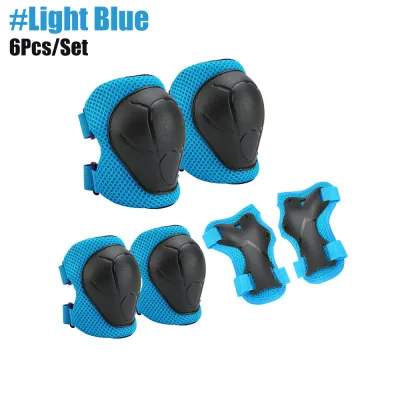
Selecting protective gear for children requires a careful balance of robust safety, lightweight construction, and physical comfort. Children have highly sensitive skin and are easily discouraged by gear that feels heavy, restrictive, or scratchy. If the guards are uncomfortable, kids will constantly try to adjust or remove them, leaving them vulnerable to injury.
To prevent fatigue and keep young skaters enthusiastic, look for youth-specific elbow and knee guards constructed from lightweight, breathable materials. Adjustable sizing features are paramount for parents looking to accommodate rapid growth spurts. Seek out guards with extra-long, high-quality Velcro straps and stretchy back panels that can be adjusted incrementally as your child grows.
However, parents must strictly avoid the temptation to buy oversized pads with the intention of letting the child “grow into” them. If a knee or elbow guard is too large, the protective cup will slip away from the joint during a fall, rendering the pad completely useless and leaving the bone exposed to direct impact. The guard must fit snugly and securely right now. Opt for reputable brands that offer dedicated youth lines, which scale down the physical dimensions of the hard shell and foam padding to match a child’s smaller skeletal structure while maintaining adult-grade impact protection.
How to Measure and Ensure a Secure Fit
Achieving a precise, secure fit is the single most critical factor in ensuring your elbow and knee guards perform effectively during a fall. Even the most advanced, high-tech protective gear will fail to prevent injury if it shifts away from your joint upon contact with the ground. To find your correct size, you must rely on accurate physical measurements rather than generic clothing sizes.
Begin by measuring your joint circumferences using a flexible fabric tape measure. To measure for knee guards, wrap the tape around your leg at two distinct points: approximately 10 to 15 centimeters above the center of your kneecap (the lower thigh) and 10 to 15 centimeters below the center of your kneecap (the upper calf). For elbow guards, measure around your arm at two points: approximately 10 centimeters above the elbow joint (the bicep) and 10 centimeters below the joint (the forearm). Keep your limbs relaxed and slightly bent at a natural angle while taking these measurements to ensure accuracy.
Once you have your measurements, compare them directly to the manufacturer’s specific sizing chart. Sizing is not standardized across different brands; a “Medium” in one brand may easily correspond to a “Large” or “Small” in another due to variations in cup depth, sleeve elasticity, and strap length. Never guess your size based on your height or weight, as joint structure and muscle distribution vary widely.
When trying on the guards, apply the “snug but not restrictive” rule. The straps should be tightened sufficiently so that you cannot easily twist the pad or slide it up and down your limb by hand. However, the gear must not pinch your skin, cut off blood circulation, or cause any tingling or numbness in your hands, fingers, feet, or toes.
Always test the full range of motion before finalizing your purchase, especially if you are shopping at a physical store. Perform a series of deep squats, bend your knees past a 90-degree angle, and swing your arms in a wide, rhythmic motion mimicking your skating stride. If the pads pinch the back of your joints, slip downward during movement, or restrict your ability to bend your limbs naturally, the size or model is incorrect. The guards should feel like a secure extension of your body, allowing you to move freely and confidently.
Where to Buy Authentic Skating Gear in Singapore
Finding authentic, high-quality elbow and knee guards in Singapore is straightforward if you know where to look. To ensure your safety, avoid purchasing generic, unbranded protective gear from unverified third-party sellers on general online marketplaces. These cheap, substandard products often utilize low-density packaging foam that collapses instantly under impact, offering virtually zero protection against fractures or severe road rash.
For beginners and recreational skaters looking for accessible, reliable, and budget-friendly options, large sporting goods retailers like Decathlon are an excellent starting point. They offer certified, entry-level to mid-range protective gear that meets standard European safety requirements, making them ideal for those testing the waters of inline skating.
If you are looking for premium, high-performance, or discipline-specific brands (such as Powerslide, Ennui, Triple Eight, or 187 Killer Pads), visit specialized inline skate shops in Singapore. Physical specialty stores, often located in central areas or dedicated sports hubs, provide the invaluable benefit of expert fitting. The experienced staff can assess your joint measurements, recommend the ideal model for your skating style, and physically verify that the pads fit you correctly before you buy.
If you prefer the convenience of online shopping, always purchase from official brand stores or authorized local dealers on major e-commerce platforms. Before finalizing your order, verify the seller’s authenticity by checking their official dealer status, reading customer reviews specifically focusing on product quality and sizing accuracy, and carefully reviewing their return and exchange policies. Ensure that the retailer allows hassle-free exchanges so you can swap sizes if the guards do not fit perfectly when they arrive.
Cleaning and Storing Your Gear to Prevent Odor and Mold
Singapore’s persistent heat and high humidity make regular maintenance of your protective gear absolutely essential. Neglecting your elbow and knee guards will quickly lead to the accumulation of sweat, body oils, and dirt, turning them into breeding grounds for bacteria, mold, and mildew. Over time, this biological buildup not only produces extremely foul, persistent odors but also accelerates the physical degradation of elastic straps and internal foam layers.
After every skate session, perform basic, immediate maintenance. Wipe down the rigid plastic hard shells with a damp microfiber cloth to remove road dust and grime. For the soft fabric portions, spot-clean any heavily soiled areas using a soft-bristled brush, warm water, and a mild, pH-neutral soap.
Before attempting a deeper, comprehensive clean, always locate and read the manufacturer’s care label attached to the guards. Some premium pads feature removable internal foam liners that are safe for machine washing on a gentle, cold-water cycle inside a mesh laundry bag. Other models must be strictly hand-washed in a tub of cool water. Never use harsh chemical detergents, chlorine bleach, or fabric softeners, as these substances chemically break down the shock-absorbing properties of EVA foam and destroy the elasticity of the straps.
Proper drying is the most critical step in preventing mold growth and material degradation. Hang your wet guards in a well-ventilated, shaded indoor area or on a sheltered balcony with consistent airflow. Never place your protective gear in an electric clothes dryer, and avoid exposing them to direct, harsh tropical sunlight. Extreme heat and ultraviolet (UV) radiation will warp the plastic hard shells, cause the internal foam to become brittle and lose its shock-absorbing capacity, and dry out the elastic fibers in the straps.
Once the gear is completely dry, store it in a highly breathable, open mesh gear bag. Never seal damp guards inside a plastic bag or leave them zipped inside a closed skate backpack or the trunk of a car. Trapping moisture in a dark, warm environment guarantees rapid mold infestation and will ruin your expensive gear within days.
Frequently Asked Questions (FAQ)
Can I use skateboard or BMX pads for inline skating?
Yes, you can generally use skateboard or BMX pads for inline skating, as the core impact-absorption materials and hard-shell designs are highly similar. However, it is important to consider the specific range of motion required for different wheeled sports. Inline skating involves a continuous, wide-striding leg movement and a distinct arm swing, which requires maximum flexibility at the knee and elbow joints. Some skateboard pads designed for vertical ramps are exceptionally bulky and stiff, which can restrict your knee extension or cause painful chafing behind the joint during long-distance fitness skating. When selecting gear, ensure the design is anatomically contoured to allow comfortable, repetitive joint bending, or opt for guards specifically engineered for roller and inline sports.
How do I know when it is time to replace my guards?
You should replace your elbow and knee guards immediately if you observe clear signs of structural wear that compromise their safety performance. Inspect the plastic hard shells regularly for deep cracks, structural fractures, or worn-through sections where the plastic has thinned significantly from sliding. Check the internal foam layers; if the foam feels permanently compressed, hard, brittle, or is starting to crumble, it can no longer effectively absorb and disperse impact forces. Stretched-out Velcro straps that no longer hold the pad securely in place or persistent mold odors that survive deep cleaning are also clear indicators that the gear has reached the end of its lifespan. Crucially, if you experience a severe, high-velocity crash, replace the guards immediately even if they look undamaged externally, as the internal shock-absorbing foam may have collapsed permanently to protect your joint.
Community discussion
Share your experience or ask a question. Comments are reviewed before publication.