
Finding a reliable electric pump road bike solution requires matching the pump’s mechanical limits to the high-pressure demands of narrow road tires. Road bike tires typically operate between 80 and 130 PSI, which requires a specialized pump designed to handle high backpressure and equipped with a secure Presta valve interface. While generic inflators often struggle or fail under these conditions, choosing the right brand category—whether a compact, portable mini-compressor for roadside emergencies or a robust garage unit for pre-ride preparation—ensures your tires are safely and accurately inflated. In Singapore’s tropical climate, where high humidity and ambient temperatures affect both tire pressure and pump cooling, selecting a high-quality electric pump is essential for maintaining optimal rolling resistance and preventing pinch flats along the Park Connector Network (PCN) or during long round-island rides.
Why Road Bike Tires Demand Specialized Electric Pumps
Road bike tires differ fundamentally from other bicycle and vehicle tires in their volume-to-pressure ratio. A standard road tire, such as a 700x25c or 700x28c, contains a very small volume of air but must hold that air at an exceptionally high pressure. In contrast, mountain bike or gravel tires are high-volume, low-pressure systems, usually operating between 20 and 45 PSI. Car tires also operate at relatively low pressures, typically around 30 to 45 PSI, but require a massive volume of air to fill.
Because of these differences, a generic electric inflator designed for cars or general leisure equipment is poorly suited for road cycling. These generic pumps are engineered to move large volumes of air quickly at low resistance. When connected to a road bike tire, they immediately encounter high backpressure. The small electric motor must work exponentially harder to force air into the narrow tire cavity.
Products mentioned in this guide
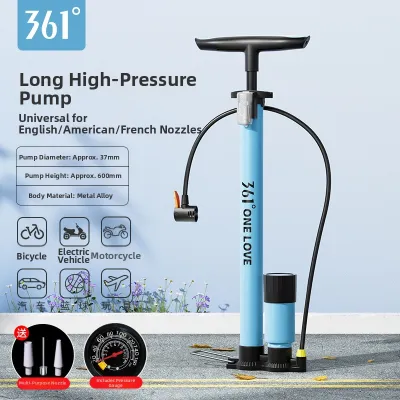
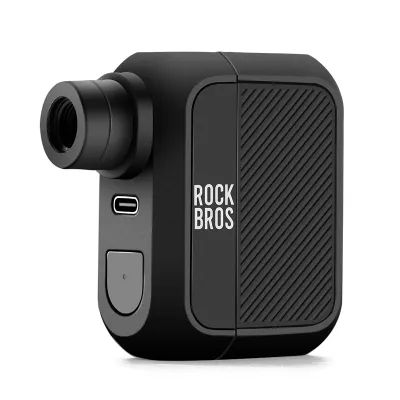
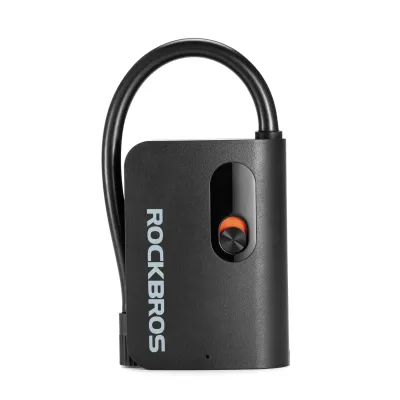
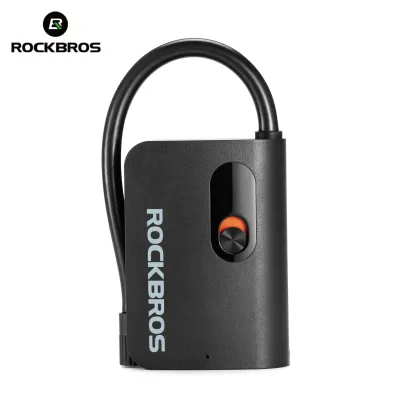
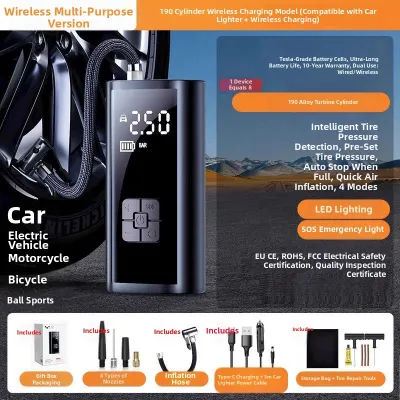
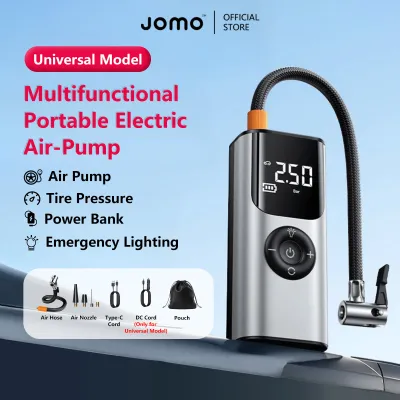
Prices are valid at publication and may change. Please refer to the product page for the latest price.
Using an underpowered or non-specialized pump under these high-pressure conditions introduces several mechanical risks. First, the motor can quickly overheat and burn out its internal windings as it draws excess current to fight the backpressure. Second, if you are running a tubeless road setup, an underpowered pump will fail to deliver the rapid, high-pressure burst of air required to expand the tire bead and snap it securely into the rim hooks. Finally, cheap pressure sensors often lose calibration at the upper limits of their range, leading to highly inaccurate readings that could result in dangerous over-inflation or a soft, sluggish ride.
Key Specifications to Evaluate in Top Pump Brands
Maximum Pressure vs. Sustained High-Pressure Output
When browsing electric pump brands, you will frequently see bold claims of “150 PSI maximum pressure.” It is crucial to understand that this number represents a peak, theoretical limit under ideal laboratory conditions, often with zero airflow resistance. It does not mean the pump can comfortably or repeatedly inflate a tire to 110 PSI in the real world.

Sustained high-pressure output is the pump’s actual ability to maintain a steady flow of air against significant backpressure. As the tire fills and the pressure rises past 80 PSI, the resistance against the pump’s piston increases. High-quality cycling brands design their internal gear systems and motors to handle this sustained load without a drastic drop in inflation speed.
To verify a brand’s capability, look past the headline PSI number and examine the manufacturer’s performance specifications. Reputable brands will provide detailed inflation times for specific tire sizes, such as “inflates a 700x25c road tire from 0 to 100 PSI in under 2 minutes.” If a brand fails to provide these real-world metrics, the pump may struggle or fail when pushed to high pressures, regardless of its advertised maximum limit.
Presta Valve Compatibility and Adapter Reliability
Road bikes almost exclusively use Presta valves, which are thinner and more delicate than the Schrader valves found on cars and mountain bikes. Because of this, the interface between the electric pump and the valve stem is a critical point of potential failure.
Premium electric pumps designed specifically for cycling often feature native, dual-purpose pump heads or dedicated Presta chucks. These designs clamp or thread securely onto the Presta stem, creating an airtight seal that can withstand pressures exceeding 120 PSI. In contrast, budget or multi-purpose electric pumps typically rely on a universal nozzle that requires you to screw on a separate brass Presta-to-Schrader adapter.
Cheap or poorly machined adapters are highly prone to air leakage under high pressure. If the connection is not perfectly airtight, the pump will continuously run without increasing the tire pressure, leading to rapid overheating. Furthermore, threaded adapters can accidentally unscrew the removable valve core of your Presta valve when you remove the pump head, causing an immediate loss of all air pressure and spraying tubeless sealant everywhere.
Thermal Management and Duty Cycle
The physics of air compression dictate that compressing air generates a significant amount of heat. When an electric pump operates at 100 PSI, the internal cylinder and piston generate intense thermal energy. Without proper heat dissipation, this thermal buildup can melt internal seals, degrade the battery, or cause the motor to seize.
When evaluating pump brands, pay close attention to their thermal management features. High-quality pumps utilize aluminum alloy cylinders, integrated metal heat sinks, and cooling fans to draw heat away from the motor. The air hose should also be constructed from braided, high-pressure materials and wrapped in a thermal sleeve to protect your hands from burns.
Additionally, you must verify the manufacturer’s stated duty cycle. The duty cycle is the amount of time a pump can run continuously before it must be switched off to cool down. For instance, a pump might have a duty cycle of “10 minutes of continuous use followed by 10 minutes of rest.” Pushing a pump beyond its duty cycle to inflate multiple road bikes in a single session will drastically shorten its lifespan and void the warranty. Look for brands that incorporate automatic thermal shutdown sensors to prevent accidental damage.
Portable vs. Garage Electric Pumps: Matching Brand Categories to Your Needs
Portable Mini-Compressors for On-the-Road Emergencies
Portable mini-compressors are compact, battery-powered devices engineered to be carried in a jersey pocket, a saddlebag, or mounted directly to your bike frame. These units typically weigh between 200g and 400g and operate on rechargeable lithium-ion batteries, which are easily topped up using a standard USB-C cable.
For road cyclists in Singapore, a portable electric pump is an invaluable tool for handling mid-ride punctures along remote stretches of the Round-Island route or the East Coast Park PCN. Unlike manual mini-pumps, which require hundreds of exhausting strokes to reach even 80 PSI, a portable electric pump does all the physical work for you. They are also far more reliable than CO2 canisters, which offer only a single inflation attempt and can freeze your fingers or damage tubeless sealant.
However, portable pumps involve clear trade-offs. Because of their compact size, they have small motors and limited battery capacities. When inflating a road tire to 100 PSI, a portable pump must work at its absolute limit. This results in rapid battery drain and intense heat generation. Typically, a fully charged portable pump can only inflate two to three road tires to 100 PSI before its battery is completely exhausted. The inflation process is also relatively slow, often taking two to three minutes per tire.
Heavy-Duty Garage Compressors for Pre-Ride Precision
If you primarily need a pump for home maintenance, pre-ride preparation, or servicing a fleet of bicycles, a heavy-duty garage-oriented electric compressor is the superior choice. These units are larger, heavier, and are powered either by mains electricity (AC), a vehicle’s 12V outlet, or high-capacity power tool batteries.
Garage compressors feature much larger pistons and cylinders, allowing them to move large volumes of air while easily overcoming high backpressure. They can inflate a road tire to 110 PSI in a matter of seconds, running coolly and quietly compared to their portable counterparts. Their robust construction means they can handle continuous, back-to-back inflations of multiple tires without needing cooling breaks.
Furthermore, garage units are equipped with larger, highly accurate digital or analog pressure gauges that are easy to read. They also feature longer, heavy-duty hoses and professional-grade, locking Presta chucks that ensure a perfect seal every time. While they are too bulky to carry on a ride, they are the ideal centerpiece for any home workshop or garage setup.
Safe Operation and Maintenance for High-PSI Inflation
Operating high-pressure cycling equipment requires strict adherence to safety protocols to prevent equipment damage, tire blowouts, or personal injury. High-pressure air releases can be violent, and the components involved can become extremely hot during operation.
First, always consult the manufacturer’s maximum inflation pressure printed on your tire’s sidewall. Never exceed this limit, as doing so can cause the tire to blow off the rim, potentially damaging the wheel and causing serious injury. Keep in mind that tubeless tires often have lower maximum pressure limits than traditional clincher tires with inner tubes.
Before inflating, perform a visual check of the tire bead. Ensure the bead is seated evenly inside the rim hook all the way around the wheel. If the bead is uneven or slipping out, stop inflating immediately, deflate the tire, and reposition it. If you continue to pump air into an unseated tire, the inner tube can expand beneath the bead and detonate with extreme force.
To manage pump heat safely, enforce a strict cooling schedule. If you are inflating more than one tire, always allow the pump to rest and cool down for at least three to five minutes between uses. Never touch the metal connector of the hose or the pump’s cylinder immediately after inflation, as these components can reach temperatures exceeding 60°C.
When connecting and disconnecting the pump head from a Presta valve, use a straight, linear motion. Unscrew the small brass locknut on the Presta valve stem and tap it gently to ensure the valve core is free. Push the pump chuck straight onto the valve stem without bending it. Applying lateral or twisting force can easily bend or snap the delicate brass valve pin, rendering the inner tube or tubeless valve stem useless.
Finally, always wear protective eyewear when seating tubeless tires or inflating tires to high pressures. Keep your face and hands clear of the valve and tire bead area during the inflation process. If you hear any unusual popping, cracking, or stretching sounds, immediately turn off the pump and step away until the pressure stabilizes.
Pre-Purchase Verification Checklist
Before investing in an electric pump brand for your road bike, run through this comprehensive pre-purchase checklist to ensure long-term reliability and compatibility with your cycling setup:
- Verify Valve Adapter Construction: Check that the Presta adapter or chuck is made of solid brass, aluminum, or high-grade steel. Avoid brands that rely on cheap plastic adapters, which will quickly strip their threads and leak under high pressure.
- Confirm Real-World PSI Limits: Look for brands that explicitly guarantee sustained performance up to your desired pressure (e.g., 100 or 120 PSI) rather than just listing a maximum theoretical pressure.
- Check Warranty and Local Support: Look for manufacturers that offer a clear warranty (ideally 12 months or more) covering motor failure and battery degradation. Confirm if there are authorized local distributors or cycling shops in Singapore to handle replacements.
- Assess Spare Parts Availability: High-pressure pumps rely on rubber O-rings and internal seals that wear out over time. Verify if the brand sells replacement hoses, seals, and adapters separately.
- Evaluate Battery Specifications: For portable units, verify the battery capacity (measured in mAh or Wh) and ensure it features a standard USB-C charging port for convenience on the go.
Frequently Asked Questions (FAQ)
Can a standard car tire inflator be used for road bike Presta valves?
While a standard car tire inflator possesses more than enough power to inflate a road bike tire, it is generally not recommended without careful precautions. Car tire inflators are designed for low-pressure, high-volume tires, and their integrated pressure gauges are typically calibrated for ranges between 0 and 50 PSI. At pressures near 100 PSI, these gauges can become highly inaccurate, presenting a severe risk of over-inflation and tire blowout. Additionally, you must use a high-quality, threaded brass Presta-to-Schrader adapter that can withstand high backpressure without leaking.
Why does my electric pump shut off before reaching 120 PSI?
If your electric pump shuts down prematurely before reaching your target high pressure, it is usually due to one of two built-in safety mechanisms. First, the pump’s internal thermal sensor may have triggered an automatic shutdown to prevent the motor from melting due to excessive heat buildup. Pushing against 100+ PSI of backpressure generates intense heat rapidly. Second, as a portable pump’s battery drains, its voltage drops significantly under heavy load. If the battery voltage falls below a specific threshold, the battery management system will cut power to protect the lithium-ion cells from permanent damage.
Community discussion
Share your experience or ask a question. Comments are reviewed before publication.