
Selecting your first daiwa fishing rod requires balancing durability, ease of use, and versatility. For beginners, the most forgiving choice is typically a Medium-power, Moderate-Fast action spinning rod from a versatile series such as the Daiwa Crossfire or Aird-X. These models provide the structural resilience needed to withstand early casting mistakes while offering enough sensitivity to help you feel when a fish bites. By starting with a setup designed to minimize frustration, you can focus on mastering fundamental casting and presentation techniques before moving on to highly specialized gear.
Singapore offers diverse angling environments, from tranquil reservoir banks to crowded concrete jetties and fast-flowing urban canals. Navigating these venues while learning the sport requires equipment that is easy to transport, simple to rig, and tough enough to handle accidental knocks. Understanding how Daiwa designs its entry-level gear will help you select a rod that matches your physical environment and target species without overwhelming you with advanced technical specifications.
What Makes a Daiwa Rod Forgiving for Beginners?
Beginner anglers subject their tackle to unique stresses that experienced anglers typically avoid. During your first few sessions, a rod will likely experience accidental impacts against concrete railings, overhead foliage, or jetty edges. To survive this learning curve, entry-level rods prioritize impact resistance over the ultra-lightweight, high-modulus carbon blanks found in premium tournament gear. High-modulus carbon is incredibly sensitive and light, but it is also brittle and prone to fracturing when bumped or bent at extreme angles.
Products mentioned in this guide
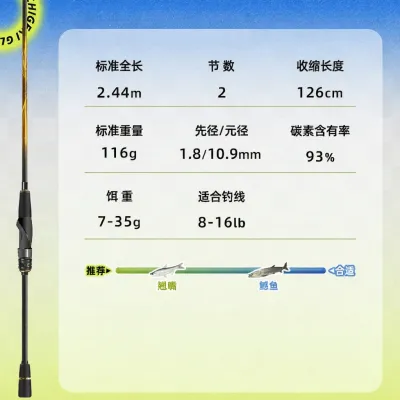
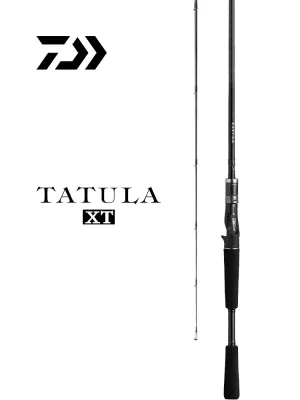
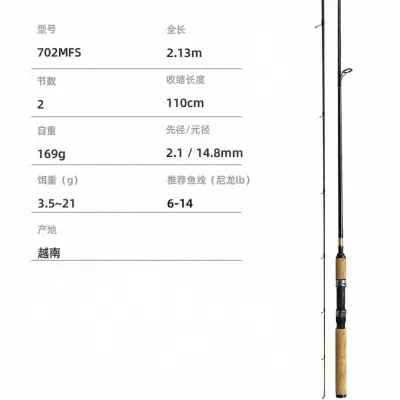
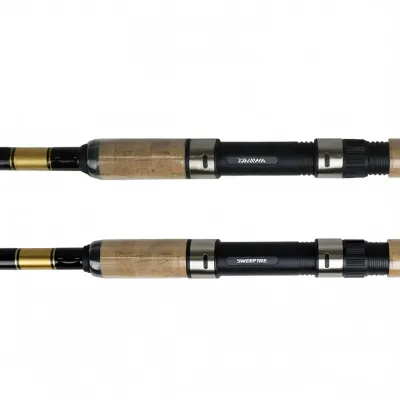
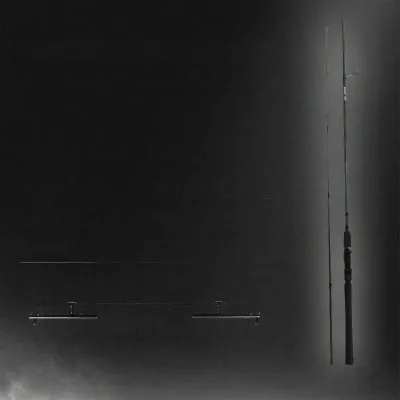
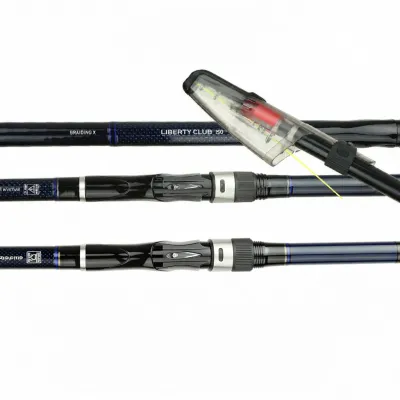
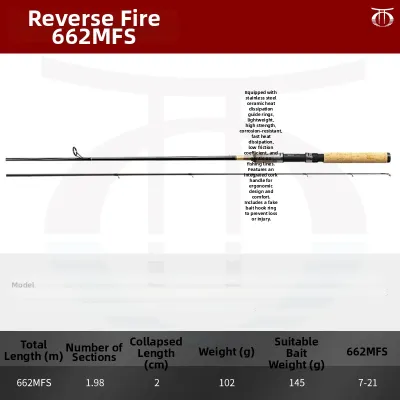
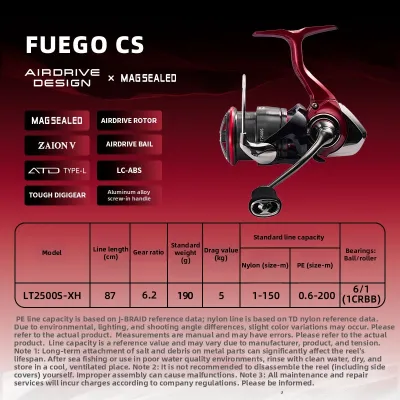
Prices are valid at publication and may change. Please refer to the product page for the latest price.
Daiwa addresses this by engineering its entry-level blanks with lower-modulus carbon or composite blends of graphite and fiberglass. These materials result in slightly thicker blank walls that absorb shock and distribute stress more evenly. This structural design is highly forgiving of common novice errors, such as “high-sticking”—the practice of pointing the rod tip straight up when landing a fish or pulling on a snag, which concentrates all the tension on the fragile tip section and often causes it to snap.
A moderate or moderate-fast rod action further aids the learning process by slowing down the rod’s recovery speed. When you cast, a moderate blank bends deeper into the midsection, creating a wider window of time to release the line. This slower loading cycle makes it much easier to develop a smooth, consistent casting rhythm. Additionally, when a fish strikes, the deeper bend acts as a cushion, absorbing sudden lunges and preventing the hook from tearing out of the fish’s mouth if you set the hook too aggressively.
Control and comfort are also critical when spending long hours practicing your casting in Singapore’s high relative humidity. Entry-level Daiwa rods are typically equipped with high-density EVA foam or durable cork grips. EVA foam is particularly well-suited for tropical climates because it resists rot, does not absorb sweat, and provides a slip-resistant surface even when your hands are wet or covered in fish slime. Maintaining a secure grip ensures you retain control of the rod during casting and when managing a hard-fighting fish.
Core Specifications to Decode on the Rod Blank
Every daiwa fishing rod features a series of letters and numbers printed just above the handle. This coding contains vital information about the rod’s capabilities, but it can look like an incomprehensible code to a beginner. Deciphering these specifications allows you to match the rod perfectly to your target species, chosen environment, and terminal tackle.

Rod Power and Action
Rod power refers to the amount of force required to bend the rod blank, ranging from Ultra-Light to Extra-Heavy. For a beginner in Singapore, a Medium (M) power rating serves as the most versatile starting point. A Medium-power rod possesses enough backbone to handle hard-fighting local species like Peacock Bass in reservoirs or Barramundi (Kula) in payponds, while remaining sensitive enough to detect the subtle nibbles of smaller target fish. If you plan to fish primarily in small canals or targeting tiny glass fish, a Light (L) power rod may be appropriate, whereas targeting larger saltwater species from jetties might require a Medium-Heavy (MH) blank.
Rod action describes where the blank bends when pressure is applied. Fast-action rods bend primarily in the top third of the blank, offering quick hook sets and high sensitivity. Moderate-action rods bend down into the middle of the rod, providing a more forgiving taper. For beginners, a Moderate-Fast hybrid action is highly recommended. This configuration offers a balanced blend: it provides enough tip speed for accurate casting and quick hook sets, while retaining enough mid-blank flex to cushion mistakes during the fight.
Always check the printed specifications on the blank for the recommended line weight and lure weight ranges. For a standard Medium-power rod, these ratings are typically 6 to 15 pounds for monofilament line (or PE 0.8 to PE 2.0 for braided line) and 1/4 to 3/4 ounces for lure weight. Operating within these limits is crucial. Casting a lure that is too heavy can overload the blank and cause it to break, while using a lure that is too light will prevent the rod from loading properly, resulting in short, frustrating casts.
Length and Piece Configuration
Rod length directly influences casting distance, accuracy, and maneuverability. For general use in Singapore’s varied fishing spots, a rod length between 6 feet and 7 feet (1.8 to 2.1 meters) is highly recommended. Shorter rods, around 6 feet to 6 feet 6 inches, excel in tight, confined spaces such as overgrown canal banks, under low-hanging trees, or on crowded jetties where casting clearance is minimal. Longer rods, from 7 feet to 7 feet 6 inches, are better suited for open reservoir banks where maximizing your casting distance is necessary to reach schooling fish.
Portability is another critical factor to consider based on your living arrangements and transportation methods. While one-piece rods offer slightly better sensitivity and a seamless bend profile, they are incredibly difficult to transport if you do not own a large vehicle. Carrying a one-piece 7-foot rod on Singapore’s MRT trains or SBS Transit buses during peak hours is highly impractical and often restricted by transit safety guidelines.
For most local beginners, a two-piece rod that splits evenly in the middle is the most practical choice. Two-piece rods can be easily packed into a compact rod bag, making them simple to store in HDB flats and safe to carry on public transport. High-quality telescopic rods are another option for ultimate portability, though they require careful maintenance to prevent sand and grit from jamming the sliding sections.
Spinning vs. Baitcasting: Which Daiwa Setup to Start With?
Before selecting a rod, you must decide between a spinning setup and a baitcasting setup, as the rods designed for these reels are physically different and cannot be used interchangeably.
Spinning setups are overwhelmingly recommended for beginners because they are highly forgiving and easy to master. On a spinning rod, the reel hangs underneath the blank, and the line flows freely off a fixed spool during the cast. This design minimizes friction, allowing you to cast lightweight lures or live bait with ease. The primary advantage of a spinning system is that it virtually eliminates “backlash”—the tangled bird’s nest of line that occurs when the spool spins faster than the line can exit the rod.
Baitcasting setups position the reel on top of the rod blank, utilizing a rotating spool that requires active thumb pressure to control the line speed during a cast. While baitcasting offers superior accuracy for placing lures next to structure, such as mangrove roots or jetty pilings, the learning curve is steep. A single split-second error in thumb control can result in severe line tangles, cut fishing time short, and lead to immense frustration for a novice.
You can easily identify the difference between the two rod types by looking at the reel seat and the line guides. Casting rods feature a small plastic trigger grip on the underside of the reel seat, which allows you to secure your index finger for a firm grip while thumbing the spool. They also use smaller, low-profile line guides that face upward. Spinning rods have a completely smooth handle with no trigger grip, and they feature much larger, downward-facing guides near the reel seat to gather and tame the wide, spiraling loops of line coming off a spinning spool.
Notable Daiwa Series to Explore for Entry-Level Anglers
Daiwa offers several well-recognized rod families engineered specifically to provide high performance at an accessible price point. When researching these options, keep in mind that specific model numbers, lengths, and line ratings vary by region and production year. Always verify the exact specifications printed on the product label or consult an authorized retailer before making your final selection.
- Daiwa Crossfire: This series is widely regarded as one of the most accessible starting points for budget-conscious beginners. Built with highly durable composite blanks, Crossfire rods are incredibly tough and forgiving of accidental impacts against concrete canal walls or jetty railings. They offer a slightly more moderate action, making them excellent all-around tools for bait fishing or casting heavier lures.
- Daiwa Aird-X: For beginners who want to focus primarily on lure casting, the Aird-X series offers an excellent bridge to higher performance. These rods utilize Daiwa's Braiding-X carbon fiber construction, which wraps the blank in a diagonal carbon tape to reduce blank twist under load. This design results in a lighter, more sensitive rod that helps you feel subtle underwater structures and gentle fish taps, while maintaining excellent structural strength.
- Daiwa Legalis: The Legalis series focuses on providing a balanced, lightweight feel with a more modern aesthetic. These rods are built with higher-quality guide frames and comfortable reel seats, offering a smooth casting experience. They are excellent crossover rods for anglers who want a single setup capable of transitioning between freshwater reservoirs and light saltwater estuaries.
- Daiwa Revigator: Known for its robust and sturdy construction, the Revigator series is designed for general bait fishing and light casting where structural durability is prioritized over ultra-low weight. It features heavy-duty guides and a reinforced reel seat, making it a reliable workhorse for pier fishing or targeting hard-fighting species in local payponds.
Rather than searching for a single “best” model, focus on matching the general traits of these series to your primary fishing style. If you plan to cast lightweight lures repeatedly for Peacock Bass, the lightweight sensitivity of the Aird-X is highly advantageous. If you prefer sitting on a jetty with live bait, the rugged, impact-resistant nature of the Crossfire or Revigator will serve you exceptionally well.
Pre-Purchase Checklist and Safety Boundaries
Before purchasing your new rod, performing a physical inspection and understanding basic safety rules will protect your investment and ensure a safe experience on the water.
Inspection Checklist
When buying a rod from a physical tackle shop, or immediately after unboxing an online delivery, perform these quality checks:
- The Cotton Swab Test: Run a clean cotton swab through the inside of every line guide. If the cotton catches or leaves fibers behind, there is a micro-crack or chip in the ceramic insert. Damaged inserts will quickly fray and snap your fishing line under tension.
- Blank Alignment: Hold the rod at eye level and look down the blank from the handle to the tip. Ensure that all the line guides are perfectly aligned in a straight line and that the blank does not bow or twist to one side.
- Reel Seat Security: Mount a reel onto the rod and tighten the locking nut. Ensure the reel seat locks down firmly without any wobbling, side-to-side play, or stripping of the plastic threads.
- Connection Fit: For multi-piece rods, put the sections together. They should fit snugly with a small gap remaining at the joint (this gap is normal and allows for wear over time). The sections should not twist easily or slide apart under light pressure.
Warranty and Support
Always check the warranty terms provided by the authorized local distributor in Singapore. Keep your physical proof of purchase or register your product online if required. It is important to understand that manufacturer warranties typically cover defects in materials and workmanship, such as a guide frame coming loose. Physical damage caused by high-sticking, stepping on the rod, or trapping the tip in a car door is classified as user damage and is rarely covered.
Safety Boundaries
Modern fishing rods are constructed primarily of carbon fiber (graphite), which is an excellent conductor of electricity. This material property introduces serious safety risks that every beginner must respect:
- Overhead Power Lines: Never cast or carry your rod assembled near overhead power lines. Always look up and scan your surroundings before casting, especially when fishing near urban canals, bridges, or roads.
- Lightning Hazards: Singapore experiences some of the highest lightning activity in the world, with sudden, severe thunderstorms occurring frequently. A raised carbon-fiber rod acts as a lightning rod. At the very first sound of thunder or sight of dark storm clouds, immediately stop fishing. Collapse or lay your rod flat on the ground, step away from the water, and seek shelter in a fully enclosed, permanent building. Do not seek shelter under trees or open-sided pavilions.
Frequently Asked Questions (FAQ)
Can I use a freshwater Daiwa rod for saltwater fishing in Singapore?
Yes, you can physically use a freshwater rod in saltwater, but you must take extra precautions. Freshwater rods typically lack the specialized anti-corrosion treatments on the guide frames, reel seats, and metal components found on dedicated saltwater models. Saltwater will quickly corrode standard stainless steel guides, leading to rust and structural failure. If you use a freshwater rod in marine environments, such as Bedok Jetty or coastal estuaries, you must thoroughly rinse the entire rod with fresh water and dry it completely after every single trip to prevent salt buildup and rust.
How do I maintain my entry-level Daiwa rod to prevent rust and damage?
To maintain your rod, establish a simple post-trip cleaning routine. After every fishing session, gently rinse the entire rod under cool, running fresh water to remove salt, sand, mud, and organic debris. Use a soft cloth to wipe down the blank and the guide frames, paying close attention to the areas where the guides meet the rod wrapping. Allow the rod to air-dry completely in a shaded, well-ventilated area before storing it. Never store your rod in a closed, damp plastic tube or leave it in a hot car boot, as extreme heat and trapped moisture can degrade the protective epoxy resin, weaken the blank, and accelerate rust on metal components.
Community discussion
Share your experience or ask a question. Comments are reviewed before publication.