
Starting out in the sport of angling can feel overwhelming, especially when confronted with walls of highly technical gear at a local tackle shop. Finding a reliable, budget-friendly spinning reel that performs consistently without requiring a massive financial investment is the first major milestone for any beginner. A Ryobi reel often serves as the ideal starting point, offering a practical balance of mechanical durability, straightforward operation, and accessible pricing that helps you build confidence on the water. By focusing on a few versatile models and understanding how to match their specifications to your target environments, you can secure a dependable setup that handles Singapore’s diverse fishing spots.
Why Ryobi is a Practical Choice for Beginners
Ryobi has carved out a distinct niche in the global fishing market by prioritizing robust engineering over flashy, high-cost marketing. For a beginner, this translates to an exceptionally high value-to-cost ratio, allowing you to acquire a mechanically sound reel without the premium price tag of high-end boutique brands. The brand’s design philosophy focuses on delivering functional, hard-working tackle that performs reliably in real-world conditions, making it an excellent entry point for those still deciding how deeply they want to commit to the hobby.
Entry-level angling is inevitably filled with learning moments, from accidental drops on concrete jetties to line tangles and improper spooling. Ryobi’s budget-friendly reels are built with durable materials designed to withstand this initial learning curve, ensuring that minor handling mistakes do not result in immediate gear failure. The simplicity of their internal designs makes routine cleaning and basic upkeep highly manageable for novices, reducing the anxiety of maintaining complex machinery.
Products mentioned in this guide
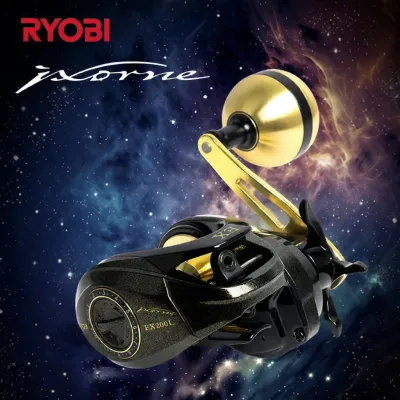
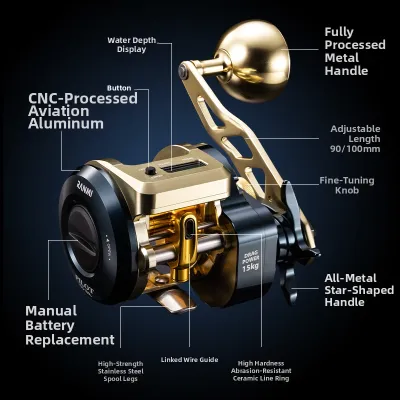
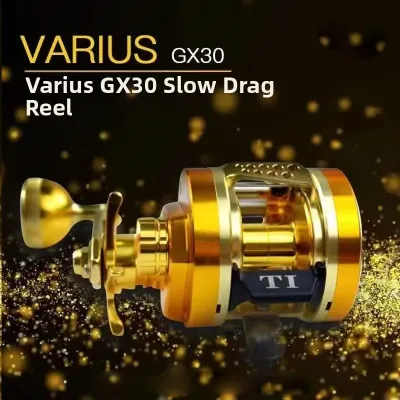
Prices are valid at publication and may change. Please refer to the product page for the latest price.
Because these reels are widely distributed across Southeast Asia, sourcing replacement parts or finding local tackle shops capable of servicing them remains incredibly straightforward. If a part wears out or a spring needs replacing after a season of heavy use, you will not have to wait months for international shipping or struggle to find a technician who understands the reel’s mechanics. This local availability provides peace of mind and keeps your gear in active service longer.
While these reels deliver outstanding utility, it is important to maintain realistic expectations regarding their overall refinement. Compared to premium models costing several hundred dollars, entry-level Ryobi reels are generally heavier, utilize slightly less sophisticated drag systems, and may exhibit a minor amount of play in the handle. These are standard trade-offs for their affordability, and they do not hinder your ability to catch fish or master fundamental casting techniques.
Core Specifications to Evaluate in an Entry-Level Ryobi Reel
Reel Size (1000 to 3000)
Selecting the correct reel size is your first critical decision, as it dictates both the weight of your setup and the amount of line you can spool. For beginners, the 1000 to 3000 size range represents the ultimate sweet spot for general casting. A 1000-size reel is highly compact and lightweight, perfect for ultra-light casting with thin lines, while a 3000-size model provides the extra line capacity and pulling power needed to handle larger, harder-fighting fish. Choosing a 2000 or 2500 size offers a highly versatile middle ground that balances comfortably on most standard rods.

Gear Ratio
The gear ratio, expressed in numbers like 5.0:1 or 6.0:1, indicates how many times the internal spool rotor rotates for every single turn of the handle. A mid-range ratio, such as 5.2:1, acts as an incredibly versatile all-rounder for beginners. This moderate speed allows you to experiment with a wide variety of retrieval styles, from slow-crawling soft plastics along the bottom to rapidly retrieving active lures through the water column, without feeling mechanically limited.
Drag System
A reel’s drag system is its primary defense mechanism against strong fish, releasing line under tension to prevent your line from snapping. When evaluating an entry-level Ryobi reel, look for a multi-disc drag system that offers smooth, consistent pressure rather than jerky, erratic resistance. Always check the manufacturer’s maximum drag rating to ensure it aligns with your target species, keeping in mind that a smooth, predictable drag release is far more critical than an excessively high maximum rating.
Ball Bearings
Ball bearings reduce friction between the moving parts inside the reel, directly influencing how smooth the handle feels when you turn it. While marketing materials often boast incredibly high bearing counts to imply superior quality, entry-level anglers should focus on quality over quantity. A well-engineered reel with 4 to 6 high-quality stainless steel bearings will perform beautifully and last much longer than a budget reel packed with ten low-grade, corrosion-prone bearings.
Body Material and Weight
The structural frame of a spinning reel is typically constructed from either graphite composite or aluminum alloys, each offering distinct performance trade-offs. Graphite bodies are exceptionally lightweight and naturally resistant to rust, making them highly comfortable for long days of active casting, though they can flex slightly under extreme loads. Conversely, aluminum or metal alloy bodies provide superior rigidity and strength for targeting larger species, but they add noticeable weight to your rod setup and require more diligent washing to prevent corrosion.
Notable Entry-Level Ryobi Spinning Reel Series to Consider
Because inventory levels and specific model availability fluctuate across local tackle shops and online marketplaces, it is best to view Ryobi’s lineup as a collection of proven, historically stable design families. Rather than hunting for a single elusive model, focus on the broader characteristics of their classic metal-body and lightweight composite series to find the physical build that matches your physical comfort and target fishing style.
Series A: The Metal-Body Workhorse
The metal-body series, exemplified by classic designs like the Ryobi Zauber or Excia, is engineered for sheer durability and structural integrity. Featuring a die-cast aluminum body and a robust worm-shaft oscillation system, these reels are built like tanks, ensuring that the internal gears remain perfectly aligned even when fighting stubborn fish. This rigidity makes them highly dependable for anglers who anticipate rough handling or plan to target species that require high pulling power.
However, this heavy-duty metal construction comes with a very clear trade-off in physical weight. Holding and casting a metal-bodied reel for several consecutive hours can lead to noticeable wrist and forearm fatigue, particularly for younger anglers or those using lightweight rods. If your preferred fishing style involves constant, active casting with lures rather than passive bait fishing, the added weight of these models is a crucial factor to weigh before buying.
Series B: The Lightweight Composite All-Rounder
For those prioritizing comfort and ease of handling, Ryobi’s lightweight composite series, such as the Ryobi Virtus or Ecusima, offers an excellent alternative. Constructed primarily from high-strength graphite composites, these reels significantly reduce the overall weight of your fishing tackle while maintaining a highly accessible price point. They feature smooth bail mechanisms and balanced rotors that make casting and retrieving feel effortless, making them an outstanding choice for finesse fishing or long bait-casting sessions.
The primary limitation of these composite reels lies in their structural rigidity under heavy, sustained loads. When hooked into exceptionally large fish or attempting to pull a snagged line out of thick underwater structure, the graphite body can experience minor flexing, which slightly reduces winding efficiency. While this flex is rarely an issue for standard shore casting, it makes these reels less suitable for heavy-duty bottom fishing or targeting powerful, deep-water species.
Pre-Purchase Checklist
Before finalizing any purchase on an online marketplace or at a local brick-and-mortar store, always run through a quick pre-purchase verification checklist:
- Verify Availability: Confirm that the specific model size (e.g., 2000 vs 3000) is currently in stock.
- Check Bearing Quality: Ensure the bearings are shielded or rated for basic corrosion resistance.
- Inspect the Handle: Confirm the handle play is minimal and the grip feels comfortable in your hand.
- Review Max Drag Specs: Double-check that the maximum drag matches the line class you plan to use.
- Ask About Spare Spools: See if the package includes or supports spare spools, which are highly useful for swapping line types quickly.
Matching Your Reel to Singapore’s Fishing Environments
Freshwater Reservoirs and Ponds
Singapore offers excellent freshwater angling opportunities, from designated zones in reservoirs like Pandan or Bedok to commercial payponds. When targeting active species like Peacock Bass, Tilapia, or Snakehead in these environments, a 1000 to 2000 size Ryobi reel is highly recommended. These smaller sizes allow you to cast light lures with precision, and because freshwater species rarely make massive, long-distance runs, a standard moderate drag system is more than sufficient.
Coastal Jetties and Estuaries
If you plan to fish along coastal spots such as Bedok Jetty, Woodlands Jetty, or brackish mangrove estuaries, you will face the dual challenges of corrosive saltwater and hard-fighting marine species like Barramundi, Threadfin, or small Groupers. For these environments, upgrade your gear choice to a 2500 or 3000 size reel to ensure adequate line capacity for longer casts and unexpected runs. It is vital to verify that the specific model you choose features basic water-resistant sealing or anti-corrosion treatments on the main shaft and line roller.
Line Pairing
To get the most out of your Ryobi reel, you must pair it with the correct line type and strength suited for local conditions. For general freshwater casting, spooling your reel with a 10 to 15-pound braided line topped with a fluorocarbon leader offers excellent sensitivity and casting distance. If you are braving the structural snags of coastal jetties or targeting larger predators in brackish ponds, stepping up to a 20-pound braided line provides the necessary abrasion resistance to prevent heartbreaking line breaks.
Essential Maintenance to Protect Your Investment
Post-Trip Rinsing
Saltwater and brackish water are the ultimate enemies of any fishing reel, capable of corroding internal gears and seizing bearings in a matter of weeks. After every single fishing trip, make it a strict habit to rinse your Ryobi reel under a gentle stream of fresh tap water. Always keep the drag tightened completely during the rinse to prevent water from penetrating the delicate drag washers, and never use high-pressure hoses, as the force can drive salt and grit deep into the reel’s internal housing.
Drying and Wiping
Once the rinse is complete, thoroughly wipe down the exterior of the reel with a clean, dry microfiber cloth to remove all surface moisture. Before storing the reel away in a well-ventilated area out of direct sunlight, remember to back off or completely loosen the drag tension. Leaving the drag compressed during storage flattens the internal washers over time, permanently reducing the smoothness and effectiveness of your drag system.
Basic Lubrication
Keeping your reel running smoothly requires very minimal, targeted lubrication rather than heavy greasing. Apply a single drop of high-quality, lightweight reel oil to the line roller bearing, the bail arm hinges, and the main shaft under the spool. Avoid the common beginner mistake of opening up the main gearbox to pack it with grease; doing so can easily misalign the internal gears, void your manufacturer warranty, and trap abrasive debris inside. If the internal gears begin to feel rough, seek the assistance of a qualified professional at a local tackle shop.
Frequently Asked Questions (FAQ)
Are entry-level Ryobi reels suitable for saltwater fishing?
While many entry-level Ryobi reels feature basic corrosion-resistant coatings, they are not fully sealed saltwater reels. They can certainly be used in saltwater environments, but they require immediate, meticulous freshwater rinsing and drying after every outing to prevent rust. If you plan to fish almost exclusively in saltwater, look specifically for models in their lineup that explicitly state enhanced saltwater protection or sealed drag systems.
What size Ryobi reel is best for a complete beginner?
For a complete beginner, a 2000 or 2500 size Ryobi reel is the absolute best starting point. This size range is incredibly versatile, offering enough line capacity to handle unexpected runs from larger fish while remaining light enough to prevent hand fatigue during long casting sessions. It balances perfectly with standard 6-foot to 7-foot medium-light or medium-power rods, making it suitable for both freshwater reservoirs and light coastal bait fishing.
Should I upgrade my reel as my skills improve?
An entry-level Ryobi reel can easily serve you for several years if you maintain it properly. You do not need to rush into an upgrade until you find your skills outgrowing the gear’s physical limitations. Consider upgrading only when you transition to highly specialized techniques, such as ultra-light finesse fishing where every gram of reel weight matters, or when you require advanced water-sealing for extreme surf casting and heavy saltwater environments.
Community discussion
Share your experience or ask a question. Comments are reviewed before publication.