
Selecting your first fishing rod can feel like navigating a sea of technical jargon, from blank materials and guide rings to complex power ratings. For beginners in Singapore, finding a setup that balances affordability, ease of use, and durability is the key to a successful start. Shimano, a brand globally respected for its precision engineering, offers several entry-level options that simplify this decision. For most novices, the Shimano FX Spinning series serves as the ultimate budget-friendly workhorse, while the Shimano Catana series provides a more sensitive, carbon-blank alternative for those willing to invest slightly more.
Singapore’s unique angling landscape ranges from concrete urban reservoirs to high-salinity coastal jetties. This variety means your first rod must be versatile enough to handle different environments while resisting the high humidity and salt exposure of a tropical climate. By focusing on a reliable entry-level Shimano rod, you can build proper casting habits and enjoy your time on the water without the frustration of gear failure.
Why Choose Shimano for Your First Fishing Rod
Shimano has built a reputation for consistent quality control across all price points. When you are learning to cast and handle fish, you need a rod with a straight blank, properly aligned guides, and a secure reel seat. Shimano’s manufacturing standards ensure that even their budget-friendly models benefit from the engineering expertise used in their high-end professional gear, minimizing the risk of structural defects that could ruin your first outing.
Products mentioned in this guide
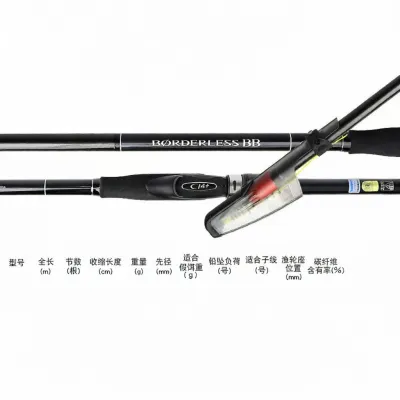
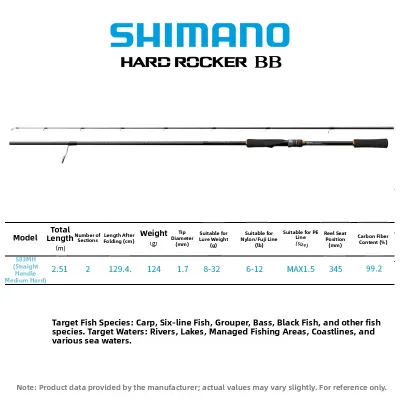
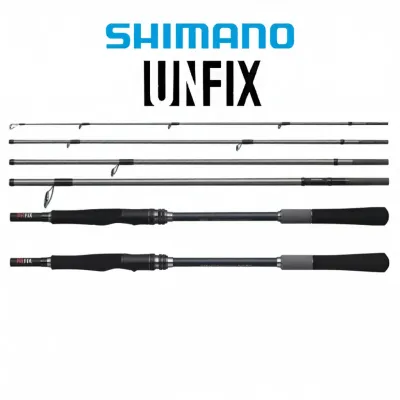
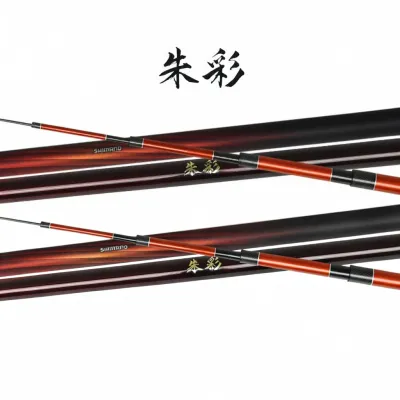
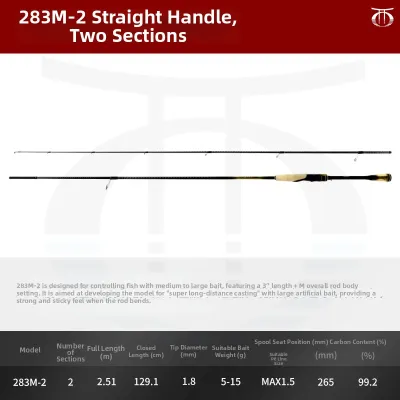
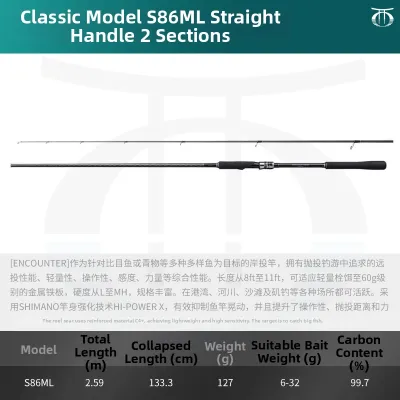
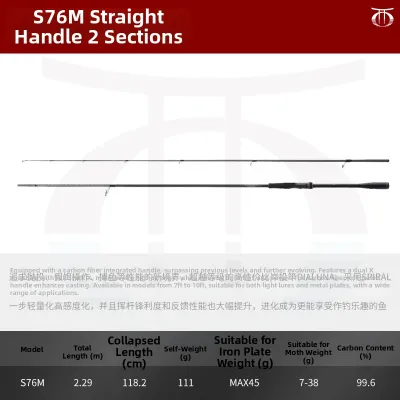
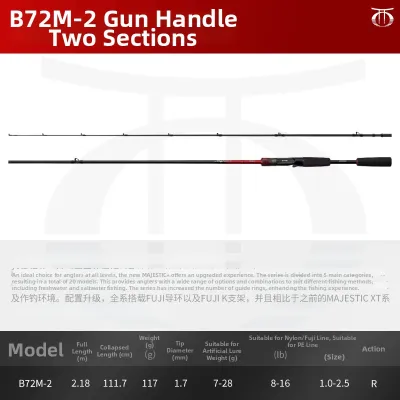
Prices are valid at publication and may change. Please refer to the product page for the latest price.
Access to local support and replacement parts is another major advantage for Singaporean anglers. The island boasts a robust network of local tackle shops, from established hubs around Beach Road to neighborhood shops in heartland estates. Because Shimano is widely distributed, finding compatible parts, getting advice on pairings, or seeking warranty support is straightforward. If you accidentally damage a rod tip or need a replacement guide, local shops can easily service Shimano gear.
Investing in an entry-level Shimano rod offers an excellent balance between cost and long-term value. With prices for beginner models typically ranging from S$30 to S$80, the initial investment is highly accessible. This prevents the common mistake of purchasing ultra-cheap, unbranded rods that often snap under moderate loads or suffer from rapidly corroding guides. A reliable entry-level rod can serve as a dependable backup or a guest rod even as your skills progress and you eventually upgrade.
Key Features to Look for in a Beginner Shimano Rod
Understanding basic rod specifications allows you to match the equipment to your physical build, casting style, and target fishing spots.

Rod Length
Rod length directly impacts your casting distance and control. Shorter rods, measuring between 5 feet 6 inches and 6 feet, are highly maneuverable and excellent for tight spaces, such as under overhanging trees in local parks or on crowded charter boats. Longer rods, measuring 7 feet to 9 feet, act as larger levers. They generate higher tip speeds for longer casts, which is essential when you need to throw bait past the shallow breakers from high coastal structures.
Power and Action
Power refers to the rod’s resistance to bending, while action describes where the rod bends along its blank. For a beginner, a Medium-Light (ML) or Medium (M) power rod offers the greatest versatility, allowing you to cast light lures for peacock bass as well as heavier bait rigs for bottom fishing. Pair this with a Fast or Moderate-Fast action. Fast action rods bend primarily in the top third of the blank, providing excellent sensitivity to feel subtle bites and quick hooksets, while moderate action rods bend deeper to cushion sudden runs and prevent hooks from pulling out.
Material and Construction
Rod blanks are generally made of graphite, fiberglass, or composite blends. Graphite (carbon fiber) is lightweight and highly sensitive, transmitting the vibration of a nibbling fish directly to your hands, though it can be brittle if subjected to sharp impacts or bent past its limits. Fiberglass is heavier and less sensitive but incredibly rugged and forgiving of beginner handling errors, such as high-sticking. Composite rods blend both materials, offering a balanced middle ground of durability and responsiveness.
Handle and Grip
Singapore’s tropical climate demands durable, slip-resistant handle materials. High humidity and sudden downpours can make handles slick and prone to degradation. EVA foam grips are highly recommended for local beginners because they are non-porous, provide excellent traction when wet with saltwater or fish slime, and are easy to scrub clean. Cork grips offer a classic aesthetic but require more maintenance to prevent mold and rot when stored in humid household environments.
Recommended Shimano Rod Series for Beginners
Shimano offers several distinct rod series designed to meet the needs of novice anglers without breaking the bank. These options cater to different budgets, fishing styles, and transport requirements.
Shimano FX Spinning Series
The Shimano FX Spinning series is widely regarded as the standard budget workhorse for entry-level anglers. Constructed with a durable composite blank, this rod is engineered to withstand the bumps, scrapes, and accidental high-sticking that often occur when learning the sport. It is highly forgiving, making it an excellent tool for practicing casting mechanics without the fear of breaking the rod.
This series is highly versatile, making it suitable for urban payponds, reservoir fishing, and light coastal bait fishing. It pairs seamlessly with the Shimano FX spinning reel to create a balanced, cost-effective setup. However, the budget-friendly price point comes with some trade-offs. The FX series utilizes basic aluminum oxide guides and is slightly heavier and less sensitive than full-carbon alternatives, meaning you may find it harder to detect very light bites when using finesse techniques.
Shimano Catana Series
For beginners willing to spend slightly more for enhanced performance, the Shimano Catana series serves as an excellent step-up option. Built on a full carbon blank, the Catana is noticeably lighter in the hand than the FX series, significantly reducing arm fatigue during long casting sessions. The carbon construction also provides superior sensitivity, allowing you to feel the action of your lure and detect cautious bites in highly pressured local waters.
This series features upgraded Shimano Hardlite guides, which facilitate smoother line flow for improved casting distance and better heat dissipation when fighting stronger fish. The Catana is ideal for active lure casting in reservoirs like Pandan or Bedok, where detecting subtle taps from peacock bass is critical. While it requires more careful handling than the rugged FX composite blank, the performance jump makes it a highly rewarding choice for dedicated beginners.
Shimano Telescopic and Travel Options
Many beginners in Singapore rely on public transport, such as the MRT or buses, to reach their fishing destinations. Carrying a standard two-piece rod on a crowded train can be cumbersome and increases the risk of damaging the rod tip. Shimano addresses this lifestyle need with telescopic and multi-jointed travel rods, such as the Alivio Telescopic series, which collapse down to a fraction of their extended length and fit easily into a standard backpack.
While highly convenient for commuting and storage in compact HDB flats, travel and telescopic rods involve performance trade-offs. Every joint or section transition creates a minor flat spot in the rod’s bend profile, which can slightly reduce casting distance, sensitivity, and overall strength compared to a standard two-piece rod. Additionally, telescopic joints are susceptible to trapping fine sand and salt grit, which can scratch the blank and lead to structural failure if not properly maintained.
To prevent joint damage, always extend a telescopic rod gently from the tip section down to the butt, aligning the guides carefully as you go. When collapsing the rod, start from the butt section and work your way up, twisting the sections slightly to unlock them rather than forcing them down vertically.
Matching Your Rod to Local Fishing Environments in Singapore
To get the most out of your Shimano rod, you must match its specifications to the specific physical conditions of your chosen fishing venue.
- Coastal Jetties and Breakwaters: Venues like Bedok Jetty, Sembawang Jetty, and Labrador Park feature high platforms, strong tidal currents, and submerged concrete structures covered in sharp barnacles. For these environments, select a longer rod of 7 feet 6 inches to 9 feet with Medium to Medium-Heavy power. The extra length helps keep your line clear of the jetty's edge and allows you to cast heavier sinkers (typically Size 3 to 5) to hold your bait in place against strong currents.
- Urban Reservoirs and Ponds: Legal fishing zones at MacRitchie, Bedok, or Jurong Lake reservoirs often feature overhanging trees, calm waters, and cautious fish species like peacock bass and tilapia. A medium-length rod of 6 feet to 6 feet 6 inches with Light to Medium-Light power is ideal here. This setup allows for precise, short-range casting of light lures or small baits into tight pockets under foliage without snagging branches on your backcast.
- Kayak or Boat Fishing: Fishing from a kayak off Pasir Ris or taking a charter boat to the Southern Islands presents limited deck space and a low seating position. A short, stout rod measuring 5 feet 6 inches to 6 feet 2 inches with Medium power is highly recommended. A shorter rod provides better vertical leverage when pulling fish up from the seabed and is much easier to manage when netting a fish close to the watercraft.
Safety Warning: Singapore experiences frequent, sudden tropical thunderstorms with high lightning activity. Because graphite and carbon fiber rods are excellent conductors of electricity, you must monitor weather conditions closely. Always check the National Environment Agency (NEA) weather forecasts before heading out. Stop fishing immediately and seek proper shelter at the first sound of thunder or sight of lightning; never remain on exposed jetties, breakwaters, or open water during a storm.
Completing Your Setup: Reel and Line Pairings
To ensure your Shimano rod performs optimally, it must be paired with a compatible reel and line to create a balanced, functional system.
Reel Selection and Balance
Pair your entry-level rod with a matching spinning reel size to prevent hand fatigue and ensure smooth casting. For most 6-foot to 7-foot beginner rods, a 2000 to 3000 size spinning reel (such as the Shimano FX or Sienna) provides the ideal balance. When mounted, the center of gravity should sit near the top of the rod handle, allowing the rod to pivot effortlessly in your hand. A reel that is too heavy will make the setup bottom-heavy, reducing your ability to feel delicate bites.
Line Types
Beginners must choose between monofilament and braided fishing lines, each offering distinct characteristics:
- Monofilament Line: Highly recommended for absolute beginners. It is budget-friendly, easy to knot, and possesses natural stretch (up to 25%). This stretch acts as a shock absorber, forgiving mistakes like setting the hook too violently or fighting a fish with a tight drag. It also offers excellent abrasion resistance against concrete structures.
- Braided Line: Offers a much thinner diameter for the same strength, allowing for longer casts and greater line capacity on the reel. Because braid has zero stretch, it provides incredible sensitivity, transmitting the tiniest vibrations directly to the rod. However, it requires learning to tie specialized leader knots (such as the Double Uni or FG knot) to connect a fluorocarbon leader, which can be frustrating for novices to manage on the water.
Guide Compatibility
Before spooling your reel with braided line, verify that your rod guides are compatible. While modern Shimano entry-level rods feature durable guide inserts capable of handling braid, using excessively heavy braided line with a locked drag can groove low-grade guides or put undue stress on the rod blank. Always stay within the recommended line weight limits printed on the side of your rod blank to ensure safe operation.
Frequently Asked Questions (FAQ)
How do I maintain my Shimano rod in a tropical climate?
To prevent corrosion and mold in Singapore’s high humidity, rinse your rod thoroughly with fresh tap water after every outing, paying close attention to the guide rings and the metal threads of the reel seat. Wipe the entire rod down with a clean microfiber cloth and allow it to dry completely in a well-ventilated indoor area before storing. Never store a damp rod inside a sealed plastic sleeve or leave it in a hot, enclosed vehicle trunk, as extreme heat can degrade the glues holding the guides and reel seat in place.
Can I use an entry-level Shimano rod for saltwater fishing?
Yes, entry-level Shimano rods can be used in saltwater, provided they are cleaned immediately after use. While budget rods feature corrosion-resistant components, their guides and reel seats are more susceptible to rust than those on premium, specialized marine-grade rods. A thorough freshwater rinse after every saltwater session is mandatory to prevent salt crystals from forming and corroding the metal parts.
What is the difference between a spinning and baitcasting rod for beginners?
Spinning rods feature large guides pointing downward and are designed to pair with spinning reels, which hang beneath the rod. This configuration is highly user-friendly, virtually tangle-free, and ideal for casting light baits and lures, making it the recommended starting point for beginners. Baitcasting rods feature smaller guides pointing upward and pair with baitcasting reels, which sit on top of the rod. While baitcasting setups offer superior casting accuracy and winch power, they require precise thumb control to prevent severe line tangles (backlashes), presenting a steep learning curve for novices.
Community discussion
Share your experience or ask a question. Comments are reviewed before publication.