
Finding the best exercise bike for a small HDB flat requires balancing your fitness goals with the realities of compact high-rise living. The ideal choice is a machine that offers a minimal footprint, operates quietly enough to respect close neighbors, and can be easily moved or folded away when not in use. For most Singaporean households, this means choosing between a highly portable folding X-bike, a streamlined compact upright bike, or a low-profile under-desk pedal exerciser. By understanding your space constraints and workout needs, you can maintain an active lifestyle without making your living room feel cluttered.
How to Assess Your Available Space in an HDB Flat
Before browsing online marketplaces or visiting fitness showrooms, you must realistically evaluate your floor plan. The most common mistake is measuring only the static footprint—the physical dimensions of the exercise bike when it is idle or folded. While static dimensions tell you where the bike can be stored, they do not represent the space required for an active workout. You must calculate the operational clearance, which is the total area needed to pedal, mount, and dismount safely. A bike with a static footprint of 100 centimeters by 50 centimeters typically requires an operational zone of at least 160 centimeters by 110 centimeters to accommodate your body’s movement and natural sway.
Additionally, consider the logistics of moving the equipment. If you plan to store the bike in a household shelter (bomb shelter) or a utility closet and roll it out for workouts, measure every doorway, corridor, and tight corner along the transit path. Standard HDB bedroom and household shelter doors can be narrow, sometimes measuring between 70 to 80 centimeters in width. If your chosen bike has wide handlebars or a bulky base, maneuvering it through these tight openings can become a daily frustration that discourages you from exercising.
Products mentioned in this guide
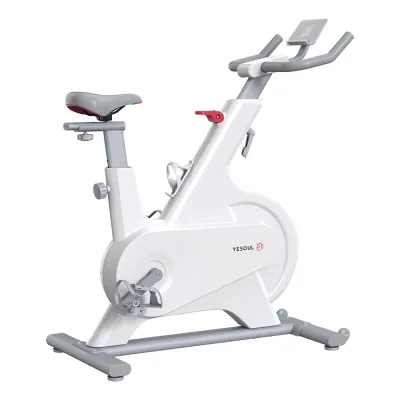
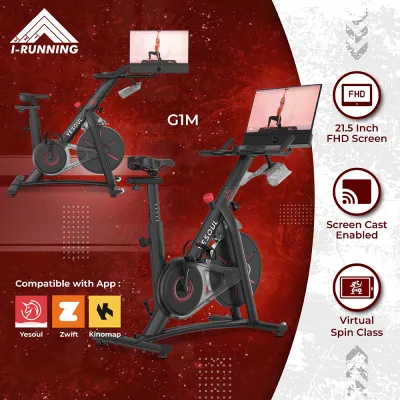
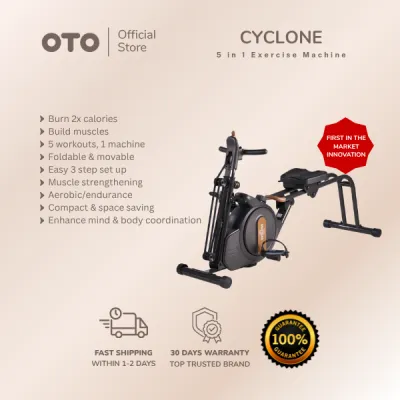
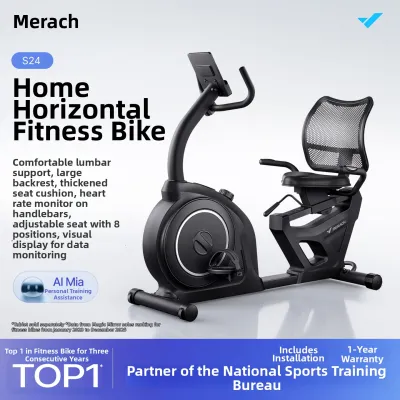
![🏅Foldable Pedal Exerciser Bike Fitness Bike Upper And Lower Limb Rehabilitation Bicycle [SG READY STOCK]](https://img.lazcdn.com/g/p/b00b708351a7cf456de462fe83053b11.jpg_400x400q80.jpg_.webp)
Prices are valid at publication and may change. Please refer to the product page for the latest price.
Finally, do not overlook vertical space. While ceiling height is rarely an issue for seated pedaling, taller riders using upright bikes must consider overhead clearance. If your HDB flat has low-hanging ceiling fans, decorative pendant lights, or false ceilings, ensure your head and upper body will remain a safe distance from these fixtures when you are seated or riding in a standing position.
Best Types of Exercise Bikes for Compact HDB Layouts
Different bike designs cater to different space limitations and fitness levels. Understanding the structural differences helps you select a model that aligns with your home’s layout.

Foldable Exercise Bikes (X-Bikes)
Foldable exercise bikes, commonly known as X-bikes due to their scissor-like frame design, are highly popular for smaller apartments. These models feature a central hinge that allows the frame to collapse inward, reducing the floor footprint by up to 50 percent when stored. When folded, many X-bikes can stand upright in a corner, slide behind a wardrobe, or fit neatly inside a household shelter.
However, this space-saving design comes with structural trade-offs. To remain lightweight and foldable, X-bikes generally feature lighter frames and smaller flywheels. This can result in lower maximum weight capacities, typically capped around 90 to 100 kilograms, and a less rigid feel during high-intensity workouts. Additionally, because the frame relies on a folding joint, you must regularly inspect the locking pin mechanism to ensure it is fully engaged and undamaged before mounting the bike.
Compact Upright Bikes
If you prefer a more robust, gym-like workout but still have limited space, a compact upright bike is an excellent alternative. Unlike traditional commercial spin bikes, compact upright models are engineered with a shorter frame length and a narrower base. They do not fold, but their vertical orientation naturally minimizes their floor footprint while offering a highly stable riding platform.
These bikes are ideal for users who want to perform higher-intensity cardio or interval training. Because they feature sturdier frames and heavier flywheels, they provide smoother resistance transitions and can support heavier user weights. To make them suitable for small flats, look for models equipped with built-in front transport wheels. This allows you to tilt the bike forward and roll it into a corner or against a wall when your workout is complete.
Mini and Under-Desk Bikes
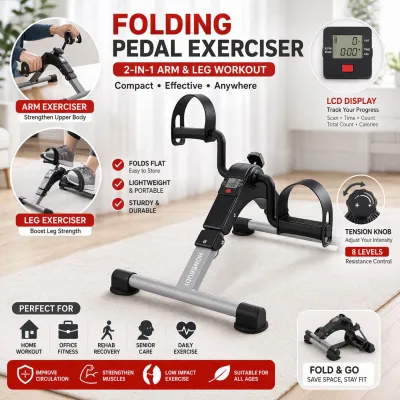
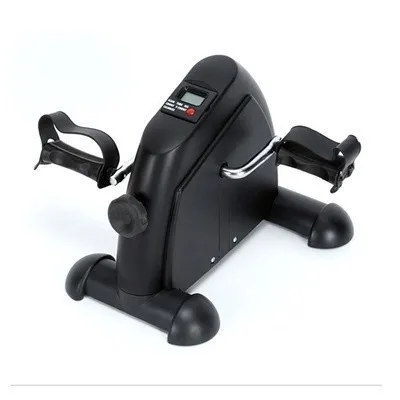
For those living in ultra-compact spaces or looking to stay active while working from home, mini exercise bikes—also known as pedal exercisers—are the ultimate space-saving solution. These devices consist solely of the pedal mechanism and a small resistance base, completely eliminating the seat, handlebars, and bulky frame.
You can place a mini bike on the floor in front of your favorite armchair or directly under your work desk. While they are incredibly easy to store in a cabinet or under a bed, they have clear functional limitations. Mini bikes are designed for low-impact, light circulation workouts and are not suitable for high-intensity cardiovascular training or standing pedaling. Additionally, because they lack a connected seat, you must ensure your chair is stable and that the pedal unit does not slide forward on smooth flooring during use.
Key Features to Look for in a Space-Saving Bike
When selecting an exercise bike for a shared, high-density HDB environment, specific design elements can make the difference between a highly utilized piece of equipment and an expensive clothes rack.
- Noise Reduction: In high-rise HDB blocks, sound and vibration travel easily through concrete walls and floors. Therefore, the resistance system of your bike is a critical consideration. Magnetic resistance systems are highly recommended for apartment living. These systems use adjustable magnets positioned near a metal flywheel to create resistance without physical contact, resulting in near-silent operation. In contrast, friction resistance systems rely on felt or leather pads pressing directly against the flywheel, which can produce a continuous hissing sound and require regular pad replacements.
- Mobility: An exercise bike is only practical for a small space if you can move it without straining your back. Look for models that weigh under 25 kilograms and feature high-quality front transport wheels. Silicone or soft polyurethane wheels are preferable to hard plastic wheels, as they roll more smoothly and are less likely to scratch or dent delicate HDB flooring materials like luxury vinyl tiles (LVT) or engineered timber.
- Foldability and Locking: If you opt for a folding model, examine the locking mechanism closely. A high-quality X-bike should feature a heavy-duty steel safety pin or a spring-loaded pull-pin that locks the frame securely in both the open (workout) and closed (storage) positions. Avoid models that rely on flimsy plastic latches, which can degrade over time and pose a safety hazard.
- Adjustability: In many Singaporean households, fitness equipment is shared among family members of varying heights. A space-saving bike should offer multi-way adjustability, allowing you to easily alter the seat height, seat horizontal position, and handlebar angle. Quick-release adjustment knobs make it simple to transition between users without requiring extra tools that add to household clutter.
How to Measure and Plan Your Workout Zone
Creating a dedicated, safe workout zone within a compact living room or bedroom requires careful planning to ensure you do not damage your home or compromise your safety.
To set up your bike safely, aim for a minimum clearance of 50 centimeters on all sides of the machine. This buffer zone ensures that your knees, elbows, and feet do not strike nearby furniture, walls, or glass doors during your workout. It also provides enough room for you to quickly dismount the bike in an emergency.
Position your bike in a well-ventilated area, preferably near a window or directly in the path of a standing fan or air-conditioning unit. Singapore’s warm, humid climate means you will sweat heavily during cardio sessions; without adequate airflow, your body can quickly overheat, and moisture can accumulate on the bike’s frame. Avoid placing the bike in direct afternoon sunlight, as prolonged UV exposure can degrade plastic consoles, dry out synthetic leather seats, and make digital screens difficult to read. Furthermore, ensure the bike is close enough to a power outlet if it requires electricity, but route the cable flat along the wall to prevent it from becoming a tripping hazard in high-traffic walkways.
Always place a high-density equipment mat or interlocking foam tiles beneath your exercise bike. This simple addition serves three vital purposes: it absorbs the vibrations generated by pedaling, preventing noise from transferring to the neighbors below; it catches sweat, protecting your flooring from moisture damage and odors; and it prevents the heavy metal base of the bike from scratching or indenting your tiles, vinyl, or laminate floors.
Common Sizing and Placement Mistakes to Avoid
Avoiding common pitfalls during the planning and purchasing stages will ensure your exercise bike remains a safe and functional part of your home.
- Ignoring Pedal Rotation Radius: Many buyers measure the width of the bike's base but forget that the pedals extend outward. When you pedal, your feet and knees will project slightly beyond the physical frame of the bike. Placing the bike too close to a wall, TV console, or coffee table can result in painful collisions or scratched plaster. Always account for this extra lateral clearance when planning your layout.
- Overlooking Weight and Height Limits: Compact and folding bikes are engineered to save space, which often means their structural limits are lower than those of standard gym equipment. Always verify the manufacturer's specified maximum user weight and inseam height limits before purchasing. Using a bike that is too small for your height can prevent you from achieving proper leg extension, leading to knee strain and joint discomfort over time.
- Blocking Pathways: Never position your exercise bike in a way that blocks main walkways, bedroom doors, or the entrance to your household shelter. In an emergency, these pathways must remain completely clear. If you must work out in a hallway or living room transition zone, commit to folding and storing the bike immediately after every session.
- Neglecting Ventilation: Tucking your bike into a tight, unventilated corner or a small utility room might keep it out of sight, but it creates a poor workout environment. Lack of airflow leads to rapid heat buildup, making your workouts unnecessarily exhausting and causing sweat to pool on the floor and equipment, which accelerates rust and corrosion.
Maintenance and Safety Tips for Compact Setups
Because space-saving bikes are frequently folded, unfolded, and rolled across the room, they experience unique wear and tear that requires regular attention.
At least once a month, inspect all moving parts, folding hinges, and locking pins. Ensure that the pedal threads are tight and that the seat adjustment knobs are secure. Vibrations from regular use can gradually loosen screws and bolts, so keeping a basic multi-tool handy to tighten these components will prevent premature wear and ensure your safety.
Singapore’s high humidity accelerates the corrosive effects of sweat. After every workout, use a soft microfiber cloth to wipe down the entire bike, paying close attention to the handlebars, seat post, frame joints, and electronic console. Avoid using harsh chemical cleaners that can degrade plastic parts; a simple damp cloth or a mild, diluted soapy solution is sufficient.
When storing or using your bike in a shared living space, ensure the surrounding floor is free of tripping hazards such as children’s toys, loose cables, or pet beds. If you have young children or pets, always store the bike with the locking pin securely engaged to prevent it from accidentally tipping over or unfolding.
Frequently Asked Questions (FAQ)
Can I keep my exercise bike in the HDB household shelter?
While you can use your household shelter to store a folded exercise bike, using it as an active workout space is generally not recommended. These shelters are designed with thick concrete walls and heavy steel doors, which severely restrict natural ventilation and airflow. Exercising in such a confined space can quickly lead to overheating and poor air quality. Additionally, HDB regulations strictly prohibit drilling into the walls or modifying the structural integrity of the shelter, which limits your ability to install wall-mounted fans or entertainment screens.
Will using an exercise bike cause noise complaints from downstairs neighbors?
Exercise bikes are generally much quieter than treadmills because they do not involve high-impact foot strikes. However, the continuous spinning of the flywheel and the movement of the pedals can still transmit low-frequency vibrations through the concrete floor of an HDB flat. To maintain good relations with your downstairs neighbors, always place a thick, high-density rubber equipment mat under the bike to absorb these vibrations. Opting for a model with magnetic resistance will also ensure that the mechanical noise of your workouts remains virtually silent.
Community discussion
Share your experience or ask a question. Comments are reviewed before publication.