
Quick Answer: Matching Thickness to Your Routine
Finding the right exercise knee mat thickness is a balance between joint protection and physical stability. There is no single thickness that works perfectly for every workout. If your mat is too thin, you will feel the hard floor pressing directly into your kneecaps. If it is too thick, your ankles and wrists will wobble, compromising your balance and form.
For a quick decision, match your mat to your primary exercise style:
- Thin Mats (3mm to 5mm): Best for yoga, balance training, and weightlifting. These offer maximum stability and a strong connection to the floor.
- Medium Mats (6mm to 8mm): The most versatile option. Ideal for Pilates, general floor workouts, and core routines on hard surfaces.
- Thick Mats (10mm to 15mm or more): Best for high-impact HIIT, intense kneeling cardio, or individuals with highly sensitive joints who do not perform standing balance poses.
In Singapore, where residential flooring in HDB flats and condominiums is predominantly hard ceramic tile, polished marble, or luxury vinyl tiles over concrete, the hardness of your subfloor plays a significant role. A thin mat that feels comfortable on a wooden gym floor may feel inadequate at home, making material density and thickness critical factors in your buying decision.
Products mentioned in this guide
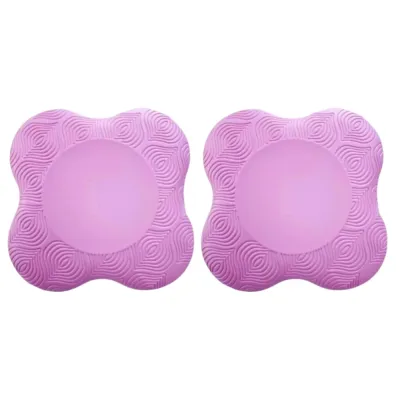
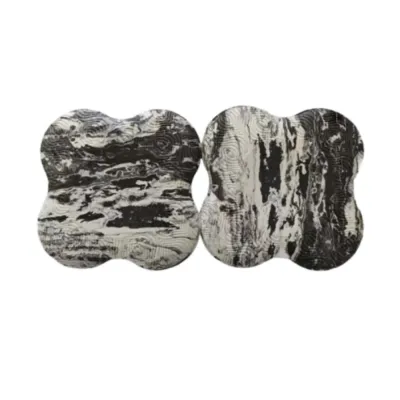
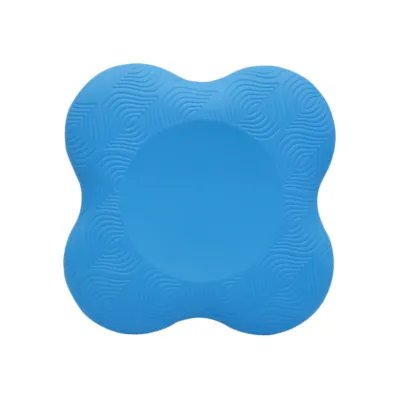
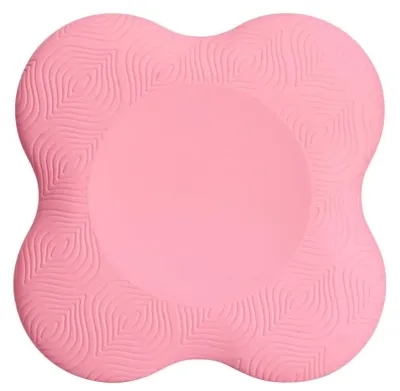
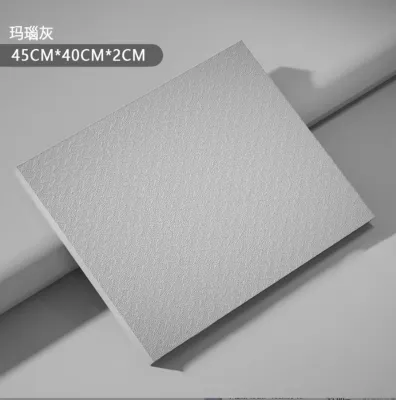
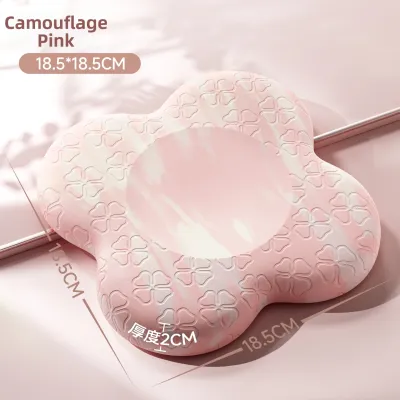
Prices are valid at publication and may change. Please refer to the product page for the latest price.
How Thickness Affects Stability and Cushioning
To choose the right mat, you must understand the mechanical trade-off between cushioning and stability. Every millimeter of foam or rubber alters how your body interacts with the ground.

The Cushioning Benefit When you perform a kneeling lunge or a tabletop pose, your entire body weight concentrates on a small surface area: the patella (kneecap) and the delicate prepatellar bursa. On a hard floor, this concentrated pressure can cause immediate discomfort or lead to chronic joint inflammation. A thicker mat works by distributing this weight over a larger surface area. The material deforms under your knees, contouring to your joint shape and lowering the peak pressure points, which allows you to hold poses longer without joint pain.
The Stability Trade-off While thick cushioning feels comfortable when kneeling, it introduces instability during standing movements. When you stand on one leg or perform dynamic lunges, your ankles constantly make micro-adjustments to keep you upright. A thick, squishy mat compresses unevenly under your feet. This uneven compression causes your ankles, knees, and hips to wobble, forcing your stabilizing muscles to work excessively. Over time, this instability can lead to joint fatigue, poor alignment, and an increased risk of ankle rolls.
Compression and “Bottoming Out” A common mistake is assuming that a thicker mat always provides more cushioning. In reality, cushioning depends on both thickness and density. Low-quality, low-density foam mats often suffer from “bottoming out.” This occurs when the weight of your knees compresses the foam completely to the floor, leaving you with zero protection despite the mat’s advertised thickness. High-quality mats use dense materials that resist complete compression, ensuring a supportive barrier remains between your joints and the hard subfloor.
Best Exercise Knee Mat Thickness by Workout Type
Different workouts place unique biomechanical demands on your body. Matching your mat’s thickness to your specific routine ensures you get the right balance of safety, comfort, and performance.
Yoga and Balance-Focused Workouts
Yoga relies heavily on grounding and proprioception, which is your body’s ability to sense its position and movement in space. To balance steadily in poses like Tree Pose or Warrior III, your feet must feel the solid floor beneath them.
For this reason, yoga practitioners generally prefer thin mats ranging from 3mm to 5mm. A thin mat provides a firm, predictable surface that does not compress under your feet, allowing for precise weight distribution. Additionally, thin mats protect your wrists. In poses like Downward-Facing Dog or handstands, a thick, soft mat can cause your wrists to sink, forcing them into extreme hyperextension and causing joint strain.
If you practice yoga but suffer from sensitive knees, buying a thick mat for your entire practice is rarely the best solution. Instead, use a thin, stable primary mat for your standing poses, and keep a localized support nearby. You can fold a small towel, use a dedicated gel knee pad, or double over your mat specifically during kneeling poses like Camel or Low Lunge. This approach preserves your balance during standing sequences while protecting your joints when kneeling.
Pilates and Floor-Based Core Work
Pilates routines involve continuous contact with the floor, featuring exercises that require you to roll on your spine, balance on your tailbone, and kneel on all fours.
A medium-thickness mat of 6mm to 8mm serves as the ideal standard for Pilates. This thickness provides enough cushioning to protect your spinous processes (the bony ridges of your spine) during rolling exercises like Rolling Like a Ball, and safeguards your knees during kneeling arm or leg series. Because Pilates emphasizes core control and controlled movement, the mat must not be so thick or plush that it absorbs your energy and compromises your core stability during challenging poses like the Teaser.
When choosing a Pilates mat, density is just as important as thickness. Look for closed-cell foam or dense thermoplastic elastomer (TPE) mats. These materials provide a firm, supportive barrier that prevents your hips, spine, and knees from sinking through to the hard floor during slow, deliberate movements.
High-Impact, HIIT, and Kneeling Cardio
High-Intensity Interval Training (HIIT) and kneeling cardio workouts involve rapid, dynamic movements, jumping, and sudden transitions from standing to floor positions, such as burpees or mountain climbers.
For these high-force activities, a thick mat measuring 10mm to 15mm (or more) is highly recommended to absorb dynamic shock. When your knees or feet impact the floor repeatedly, the joints absorb forces multiple times your body weight. A thick, shock-absorbing mat reduces the impact transmitted up your skeletal system, protecting your knees, shins, and ankles from stress injuries.
However, these thick mats carry safety limits. You should use them primarily for floor-based exercises, core work, and kneeling segments. If your HIIT routine includes rapid lateral movements, jump squats, or fast footwork, it is safer to step off the thick mat onto a firm floor. Performing explosive, lateral jumps on a thick, soft foam mat significantly increases the risk of rolling your ankle, as the unstable surface cannot support sudden lateral shifts in body weight.
Weightlifting and Heavy Resistance Training
During weightlifting and heavy resistance training, your body requires absolute stability to transfer force efficiently. Whether you are performing weighted squats, deadlifts, or overhead presses, your feet must push against a completely solid, non-yielding surface.
Using a thick, compressible exercise mat for heavy lifting is highly discouraged. A soft surface will compress unevenly under heavy loads, destabilizing your ankles and knees, compromising your spinal alignment, and reducing your overall lifting power. For safety and performance, you should perform heavy lifts on a thin, high-density mat (3mm to 5mm) or directly on specialized high-density rubber gym tiles.
If your lifting routine includes accessory movements that place pressure on your knees, such as walking lunges or Bulgarian split squats, do not swap your stable lifting surface for a soft mat. Instead, use localized protection. Placing a small, heavy-duty kneeling pad or wearing supportive knee sleeves will protect your patella during the kneeling portion of the lift without compromising your overall footing and balance.
Adjusting for Joint Sensitivity and Floor Surfaces
While workout type is a primary guide, your physical condition and your home workout environment should ultimately dictate your final choice.
Joint Sensitivity and Pre-existing Conditions
If you experience chronic joint issues such as patellofemoral pain syndrome, knee bursitis, or osteoarthritis, standard mat guidelines may not offer sufficient relief. In these cases, prioritizing joint comfort over standard workout recommendations is essential.
If you have sensitive joints, look for mats on the thicker end of the spectrum (8mm to 12mm) made from high-density materials, or invest in specialized orthopedic knee pads. These compact, circular pads are often made of high-density polyurethane foam or silicone gel. They can be placed directly on top of your existing thin mat, providing targeted, medical-grade cushioning exactly where you need it without sacrificing the stability of the rest of your workout surface.
Floor Surface Hardness in Your Home
The type of subfloor in your exercise space heavily influences how a mat feels. In Singapore, residential properties commonly feature hard flooring materials:
- Ceramic and Homogeneous Tiles: Extremely hard and unforgiving; these surfaces offer zero shock absorption and require a thicker or higher-density mat to prevent joint pain.
- Polished Marble or Granite: Similar to tile, these natural stone floors are completely rigid and cold, making a dense mat essential for temperature insulation and joint protection.
- Luxury Vinyl Tiles (LVT) or Parquet: These materials offer a minor amount of natural flex compared to stone, but still require adequate mat thickness to prevent bottoming out.
If you exercise on these hard surfaces, a standard thin yoga mat will likely feel uncomfortable during kneeling poses. You will need to opt for a slightly thicker mat (at least 6mm) or ensure the mat is made of high-density natural rubber, which provides superior cushioning on hard subfloors.
Working Out on Carpeted Floors
If your home workout space is carpeted, the carpet and its underlying underlay already provide a built-in layer of shock absorption.
On carpet, using a thick, soft exercise mat can actually make your workout surface too unstable, doubling the cushioning and making balance difficult. Instead, choose a thin, firm mat (3mm to 5mm) made of a dense material like natural rubber or heavy PVC. The thin mat will provide a flat, non-slip surface for grip and hygiene, while the underlying carpet handles the cushioning for your knees.
Material and Density: Why Thickness Isn't the Only Factor
When shopping for an exercise knee mat, looking at the millimeter thickness alone can be misleading. The material composition and density of the mat determine how well it actually cushions your joints under pressure.
Understanding Common Mat Materials
- EVA (Ethylene-Vinyl Acetate): EVA is a lightweight, inexpensive foam often used in interlocking puzzle mats and budget yoga mats. While EVA can be made very thick (10mm to 15mm), it has low density. Under the weight of a kneeling adult, a cheap EVA mat will compress almost completely, offering very little actual joint protection.
- TPE (Thermoplastic Elastomer): TPE is a lightweight, eco-friendly material that offers moderate density and excellent grip. A 6mm TPE mat provides a good balance of cushioning and lightweight portability, making it a popular mid-range choice.
- PVC (Polyvinyl Chloride): PVC is highly durable and can be manufactured in very high densities. A high-density 6mm PVC mat can offer superior joint protection compared to a 12mm low-density EVA mat because it resists compression and will not bottom out.
- Natural Rubber: Natural rubber is the heaviest and densest material available. A 4mm or 5mm natural rubber mat provides exceptional cushioning because the dense rubber absorbs impact without compressing to the floor, while offering unmatched grip.
The Pinch Test for Verification Before purchasing a mat, or when evaluating one in a physical store, perform the “pinch test.” Squeeze the mat firmly between your thumb and forefinger. If your fingers easily meet with little resistance, the mat is low-density and will likely bottom out under your body weight. If the material resists your pinch and springs back quickly, it is high-density and will provide reliable knee protection regardless of its thickness.
Final Decision Framework: Which Thickness Should You Buy?
To make your final decision, use this structured framework to match your physical needs and workout environment to the correct mat specification.
- Choose a Thin Mat (3mm to 5mm) if:
- Your primary workouts are yoga, balance training, or weightlifting.
- You prioritize a strong connection to the floor and maximum ankle stability.
- You work out on carpeted floors or are willing to use a separate, localized knee pad for kneeling poses.
- Choose a Medium Mat (6mm to 8mm) if:
- You need a versatile, "do-it-all" mat for Pilates, core workouts, and light stretching.
- You want a balance of joint protection and stability on hard tile or vinyl floors.
- You need a mat that is still lightweight enough to roll up and carry to a local studio.
- Choose a Thick Mat (10mm to 15mm+) if:
- Your routine consists of high-impact HIIT, kneeling cardio, or floor-based physical therapy.
- You suffer from severe knee sensitivity or joint conditions and do not perform standing balance exercises.
- You work out exclusively on hard concrete or ceramic tile floors and prioritize maximum shock absorption.
Verify Before You Buy:
- If purchasing online from an ecommerce platform, do not rely on thickness numbers alone. Check the product weight (heavier mats usually indicate higher density) and read user reviews specifically searching for terms like "bottoming out" or "kneeling comfort."
- Check your flooring type and consider whether a two-piece system—a standard thin mat paired with a dedicated silicone or gel knee pad—will offer better overall versatility for your fitness routine.
Frequently Asked Questions (FAQ)
Can I just fold a standard yoga mat to protect my knees?
Folding a standard 3mm to 5mm yoga mat is a practical, temporary solution for occasional kneeling poses during a workout. Doubling or tripling the mat creates a localized 6mm to 15mm cushion that protects your patella during brief poses like Low Lunge.
However, this method has limitations. Folding the mat creates uneven ridges, which can destabilize your alignment or cause wrist and ankle strain if your joints cross the folded boundary. Furthermore, repeatedly folding a mat in the same spot will crease and degrade the material over time, particularly with TPE or natural rubber, shortening its lifespan. For frequent kneeling work, a dedicated knee pad is a safer, more durable choice.
How do I clean a thick exercise knee mat without damaging the foam?
Thick mats, especially those made of open-cell foam or EVA, can act like sponges, absorbing sweat, oil, and moisture. To prevent the growth of mold, mildew, and bacteria—which is particularly common in Singapore’s warm, humid climate—proper maintenance is crucial.
Never submerge a thick foam mat in water or put it in a washing machine, as trapped water inside the foam is extremely difficult to dry and will degrade the material. Instead, after a sweaty workout, wipe the surface down with a damp microfiber cloth and a mild, non-abrasive soap solution. Always check the manufacturer’s care instructions first to ensure compatibility with cleaning agents. After cleaning, lay the mat flat or hang it to air-dry completely in a well-ventilated indoor area away from direct sunlight. Avoid exposing TPE or natural rubber mats to direct tropical sunlight, as UV rays can cause the materials to dry out, crack, and crumble.
Community discussion
Share your experience or ask a question. Comments are reviewed before publication.