
Muscle recovery has evolved from an afterthought into a cornerstone of physical well-being for Singapore’s active population. Whether you are clocking kilometers along the East Coast Park Park Connector Network (PCN), training for the Standard Chartered Singapore Marathon, or lifting weights in a boutique gym, managing muscle soreness is essential for maintaining consistency. The fascia—a continuous web of connective tissue wrapping around your muscles, nerves, and blood vessels—often becomes restricted due to repetitive strain, poor posture, or intense physical exertion. Utilizing a dedicated fascia release tool can help restore tissue elasticity, alleviate localized tension, and accelerate your overall recovery process.
How to Choose the Right Fascia Release Tool for Your Recovery Needs
Choosing the right fascia release tool requires understanding how different mechanisms interact with your body’s soft tissue. Percussive therapy, compressive rolling, and targeted pressure each offer distinct physiological benefits. Percussive therapy, delivered via massage guns, uses rapid mechanical pulses to override pain signals in the nervous system while temporarily increasing local blood circulation. Compressive rolling, typical of foam rollers, utilizes your own body weight to apply broad, sweeping pressure across large muscle groups, helping to hydrate the fascial layers and improve general mobility. Targeted pressure, achieved through massage balls or manual sticks, focuses intense compression on specific myofascial trigger points, or “knots,” to release deep-seated tension.
When evaluating these tools, several technical dimensions should guide your decision. For percussive devices, the two most critical specifications are amplitude and stall force. Amplitude refers to the depth of the stroke—how far the massage head travels back and forth—with deeper amplitudes (typically 12mm to 16mm) providing a more intense, deep-tissue massage. Stall force is the amount of pressure you can apply to the device before the motor stalls; a higher stall force (such as 30 to 60 pounds) ensures the device won’t stop running when pressed firmly into large muscle groups. For foam rollers, density and surface texture are paramount; high-density rollers offer firmer pressure, while textured surfaces mimic a therapist’s hands to target specific tissue depths. Manual tools, such as massage sticks, require an ergonomic grip and a durable core shaft to ensure you can apply adequate leverage without hand fatigue or tool failure.
Products mentioned in this guide
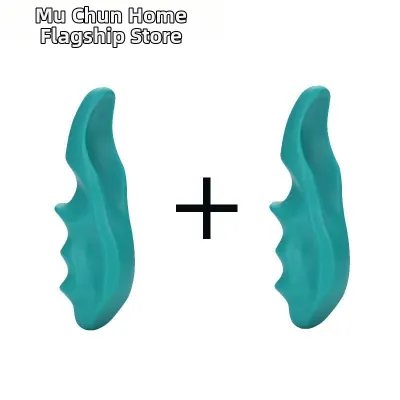
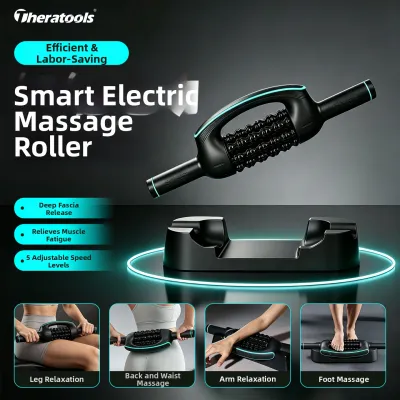
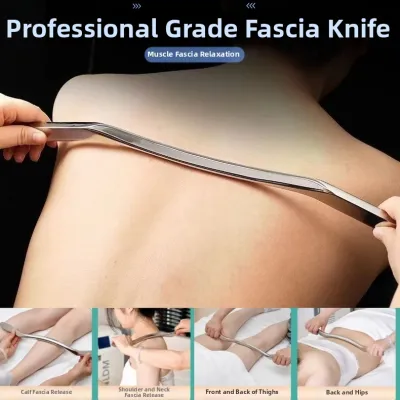
Prices are valid at publication and may change. Please refer to the product page for the latest price.
Portability and storage are equally vital practical considerations, especially within the context of Singapore’s urban lifestyle. Many fitness enthusiasts commute to local gyms or yoga studios via the MRT or bus network, making lightweight and compact tools highly desirable. A bulky, full-sized foam roller can be cumbersome to carry during peak-hour transit, whereas a mini massage gun, a massage stick, or a compact massage ball fits easily into a standard commuter backpack. Furthermore, for those living in space-conscious HDB apartments, choosing tools that are easy to store—such as those that can be tucked under a bed or placed in a small closet drawer—helps maintain an organized, clutter-free living space.
Finally, prioritize material safety and regulatory compliance over marketing claims. High-quality foam rollers should be made from non-toxic, hypoallergenic, and sweat-resistant materials like high-density expanded polypropylene (EPP) or premium ethylene-vinyl acetate (EVA). For electronic percussive devices, ensure the lithium-ion batteries comply with international safety standards (such as IEC 62133 or UN38.3) and possess relevant local safety marks where applicable. This is particularly important in Singapore’s warm, humid climate, where electronic components can be subjected to elevated ambient temperatures and moisture during outdoor workouts or storage. Always check the manufacturer’s specified weight limits and care instructions to ensure long-term durability and safe usage.
Top Fascia Release Tools Categorized by Recovery Goal
To help you navigate the diverse options available in Singapore, we have categorized the top fascia release tools based on specific recovery goals. Whether you require deep, localized muscle penetration or broad, superficial rolling, aligning your tool selection with your physical demands will optimize your recovery routine.

Best Percussive Massage Guns for Deep Tissue Recovery
Percussive massage guns are highly effective for deep muscle penetration, making them the preferred choice for athletes, heavy weightlifters, and endurance runners. These devices deliver rapid, repetitive strokes that penetrate deep into the muscle tissue, helping to break up fascial adhesions, reduce muscle tightness, and alleviate post-workout soreness.
When shopping for a massage gun in Singapore, look for established models available through official brand stores or authorized electronics and sports retailers. Premium options like the Theragun PRO or Theragun Elite offer a robust 16mm amplitude and a high stall force of up to 60 pounds, making them ideal for targeting large, dense muscle groups like the glutes, quadriceps, and hamstrings. For those seeking a quieter, more compact option for gym bag storage, the Hyperice Hypervolt 2 or the ultra-portable Theragun Mini provide excellent percussive power with brushless, quiet motors that won’t disrupt others in a shared fitness space.
The ideal use case for these devices is post-workout recovery or pre-workout muscle activation. After an intense lower-body session or a long run, applying a massage gun to your calves and thighs can significantly reduce muscle stiffness. However, users must observe strict physical limitations: never apply percussive therapy directly to bones, joints, the spine, or the delicate structures of the neck. Keep the device moving continuously over muscle bellies rather than holding it in one spot for too long to avoid bruising.
Best Foam Rollers for Large Muscle Groups and Core
Foam rollers are the standard for broad myofascial release, mobility work, and core stabilization. By utilizing your own body weight, foam rolling allows you to apply sweeping compression across large muscle groups, helping to restore tissue elasticity and improve joint range of motion.
For effective broad-spectrum recovery, high-density and textured foam rollers are highly recommended. High-density rollers, such as those made from molded EPP, maintain their shape under heavy use and deliver firm, deep pressure. Textured rollers, like the widely popular TriggerPoint GRID Foam Roller, feature a patented grid pattern that mimics the feel of a massage therapist’s hands—using flat channels for light pressure and tubular structures for targeted, deeper penetration. These tools are exceptionally beneficial for rolling out large areas such as the quadriceps, IT bands, latissimus dorsi, and upper back.
It is important to note that foam rolling has a learning curve, particularly for beginners. Applying your full body weight to a firm roller can initially feel uncomfortable or intense. Beginners should start with softer EVA foam rollers and gradually progress to higher densities as their tissue tolerance improves. Additionally, using a foam roller requires a flat, open floor space of about 2 by 1.5 meters. While this is easily accommodated in most homes, it is an important consideration for those living in compact HDB apartments. To ensure safety and longevity, always check the manufacturer’s weight capacity limits and inspect the roller regularly for signs of material degradation, such as cracking or warping.
Best Massage Balls for Targeted Trigger Point Release
For precise, localized relief in hard-to-reach areas, massage balls are an indispensable component of any recovery toolkit. Unlike foam rollers, which distribute pressure over a wide area, massage balls concentrate force onto a single, specific point, making them highly effective for releasing deep-seated knots and myofascial trigger points.
Several types of massage balls are available to suit different anatomical needs. Standard lacrosse balls are highly dense and firm, providing an inexpensive and durable option for deep tissue work. Peanut massage balls, such as the Rad Roller, feature a dual-sphere design that cradles the spine, allowing you to roll out the thoracic and lumbar muscles without placing direct pressure on the spinal bones. Textured massage balls, featuring small ridges or spikes, help stimulate superficial blood flow and desensitize highly sensitive tissues. These tools are particularly effective for targeting the glutes, the piriformis muscle, the rhomboids between the shoulder blades, and the plantar fascia on the soles of the feet.
Because massage balls concentrate pressure onto a very small surface area, controlled application is critical to prevent injury. Beginners should avoid laying their full body weight directly onto a hard ball on the floor, as this can lead to severe bruising or nerve compression. Instead, start by leaning against a wall to easily regulate the amount of pressure applied. Always keep your movements slow and deliberate, breathing deeply to allow the muscle to relax over the ball. Their pocket-sized design makes massage balls exceptionally portable, allowing CBD office workers to easily roll out their feet or upper back at their desks during the workday.
Best Massage Sticks for On-the-Go Muscle Relief
Massage sticks offer a highly portable, manual alternative for quick, active recovery during travel, at the office, or between sets at the gym. Comprising a central shaft with independent rolling gears or sleeves and handles on either end, these tools allow you to roll out tight muscles using your own upper-body strength.
When selecting a massage stick, look for durable, ergonomic designs with smooth-rolling independent spokes. High-quality options like The Stick (particularly the Travel Stick or Marathon Stick) or the Tiger Tail Massage Roller are widely favored by runners and athletes in Singapore. These tools are exceptionally useful for treating lower-body muscle groups, such as the calves, shins (to relieve tension associated with shin splints), hamstrings, and quadriceps.
The primary advantage of a massage stick is the unique level of manual control it provides. Because you use your hands to apply the pressure, you can easily adjust the intensity on the fly without needing to get down on the floor. This makes massage sticks highly practical for outdoor environments, such as recovery zones at local running tracks, or crowded gym floors where space is limited. When purchasing, always check the core shaft of the stick; it should have a slight, engineered flexibility to contour to your limbs, but must possess high structural integrity to prevent excessive bending or snapping under heavy manual pressure.
Comparing Fascia Release Tools: Which Type Fits Your Routine?
To help you determine which tool aligns best with your physical activities, daily schedule, and living space, we have summarized the core attributes of each category below. Choosing the right tool involves balancing the depth of release you require against practical factors like portability and the physical space needed for use.
| Tool Type | Best For (Target Areas) | Depth of Release | Portability | Learning Curve |
|---|---|---|---|---|
| Percussive Massage Gun | Deep localized muscles (quads, glutes, calves, back) | Very Deep (Percussive) | Moderate to High (compact models are highly portable) | Low (intuitive to hold, but requires anatomical awareness) |
| Foam Roller | Large muscle groups (quads, lats, upper back, hamstrings) | Superficial to Moderate (compressive) | Low to Moderate (bulky to carry on public transit) | Moderate (requires body weight control and floor space) |
| Massage Ball | Targeted trigger points (glutes, plantar fascia, shoulders) | Deep & Localized (compressive) | Very High (easily fits in a pocket or small bag) | Moderate (requires precise positioning against wall/floor) |
| Massage Stick | Linear lower body muscles (calves, hamstrings, shins, quads) | Moderate (manual compression) | High (slender design fits easily in a gym bag) | Low (highly intuitive manual control, no floor space needed) |
When building your recovery routine, consider combining these tools to address different needs. For instance, a foam roller is excellent for general morning mobility work, while a compact massage ball can be kept at your office desk for midday foot and back relief. A percussive massage gun can then be reserved for deep, post-workout recovery sessions at home.
Safety Guidelines and Best Practices for Fascia Release
While fascia release tools are highly effective for enhancing muscle recovery, improper usage can lead to soft tissue damage, bruising, or nerve injury. Prioritizing safety and correct technique is essential to ensure these wellness devices support your long-term physical health.
First, identify and strictly avoid anatomical “red zones.” Never apply deep compression or percussive therapy directly over bones, joints, or the spine. Avoid the front and sides of the neck, the armpits (axilla), the groin (inguinal region), and the back of the knees (popliteal fossa), as these areas contain major blood vessels, lymph nodes, and superficial nerves that can be easily damaged. Additionally, do not use these tools over acute injuries (such as fresh muscle tears, sprains, or fractures), open wounds, skin rashes, varicose veins, or areas experiencing numbness or localized swelling.
Understanding the difference between “good pain” and “bad pain” is crucial for safe self-treatment. A safe, therapeutic sensation is typically characterized as a dull, satisfying ache—often referred to as “tension release”—that gradually diminishes after 30 to 60 seconds of steady pressure. Conversely, “bad pain” is sharp, stabbing, electric, shooting, or throbbing. If you experience any numbness, tingling, or a “pins and needles” sensation, you are likely compressing a nerve. If you feel any of these warning signs, stop applying pressure immediately and adjust your positioning.
To prevent tissue trauma, manage your session duration carefully. Keep your applications short and targeted; spend no more than 60 to 120 seconds on any single muscle group during a session. Aggressively working the same spot for extended periods does not accelerate recovery; instead, it can cause localized inflammation, micro-tears in the muscle fibers, and severe bruising. Keep massage guns and rollers moving slowly across the muscle belly rather than static on one point.
Always establish clear stop conditions for your recovery routine. If your muscle pain persists for several days, worsens after using a tool, or is accompanied by swelling, visible bruising, or a restricted range of motion, cease all self-treatment immediately. Consult a qualified physiotherapist or sports medicine professional in Singapore for a comprehensive assessment. Remember that consumer wellness devices are designed for maintenance and temporary symptom relief; they cannot replace professional medical diagnosis, rehabilitation, or structured athletic training. Prior to using any new recovery device, always read the manufacturer’s instructions and product labels carefully.
Frequently Asked Questions (FAQ)
How often should I use a fascia release tool for muscle recovery?
The ideal frequency depends on your training volume, intensity, and individual tissue tolerance. For light daily mobility, a brief 5-to-10-minute session with a foam roller or massage stick is safe and effective for promoting circulation and joint range of motion. For deep tissue work—such as intense percussive therapy with a massage gun or deep trigger point release with a massage ball—it is best to limit use to 2 to 3 times per week per muscle group, ideally post-workout. Always listen to your body’s feedback; if a muscle group feels tender, inflamed, or bruised, allow it to rest and recover naturally rather than applying further mechanical pressure.
Can fascia release tools replace professional physiotherapy?
No, fascia release tools are designed solely for general maintenance, temporary muscle relaxation, and localized symptom relief. They cannot diagnose, treat, or cure underlying musculoskeletal conditions, chronic postural imbalances, joint instability, or structural injuries such as muscle tears and ligament sprains. If you are experiencing persistent pain, restricted joint mobility, post-surgical recovery, or a suspected sports injury, you should seek the expertise of a registered physiotherapist or medical professional in Singapore. Using self-recovery tools as a substitute for professional clinical care can delay proper healing and potentially exacerbate underlying conditions.
Community discussion
Share your experience or ask a question. Comments are reviewed before publication.