
Kayak fishing in Singapore has evolved from a niche outdoor pursuit into a highly popular activity, offering anglers a unique way to explore both tranquil reservoirs and rich coastal waters. If you are searching for the best kayak brands for fishing in Singapore, the ideal choice depends heavily on where you plan to launch, your storage capacity, and your physical preparation. Brands like Hobie, Old Town, Pelican, Sea Eagle, and Advanced Elements stand out, each serving different niches from high-end coastal pedal-craft to highly portable inflatables. Transitioning from traditional boat fishing to a kayak setup requires a shift in how you manage gear, safety, and physical exertion, but it unlocks unmatched stealth and freedom on the water.
How to Choose a Fishing Kayak for Singapore's Waters
Reservoir Regulations and Logistics
Singapore’s inland reservoirs, managed by the Public Utilities Board (PUB), have strict guidelines to protect water quality and visitor safety. Combustion engines are strictly prohibited, meaning you must rely on paddle, pedal, or approved electric propulsion where permitted. Launching zones are limited, and you often have to carry your kayak from a car park or drop-off point to the water’s edge. Consequently, lightweight, compact, or easily transportable sit-on-top kayaks are highly favored for reservoir access. You must verify the latest PUB and NParks regulations regarding designated fishing zones, as launching a vessel outside these areas can result in heavy fines.
Coastal Conditions
Coastal angling around Changi, Punggol, Pasir Ris, or the Southern Islands presents an entirely different set of challenges. You will encounter strong tidal currents, wind exposure, sudden swells, and saltwater corrosion. For these open waters, a kayak must feature a durable hull material—typically high-density polyethylene (HDPE)—to withstand scrapes against rocky shorelines or concrete launch ramps. Excellent tracking (the ability to maintain a straight line) and strong secondary stability (the kayak’s resistance to capsizing in choppy waves) are critical for staying safe when coastal conditions change rapidly.
Products mentioned in this guide
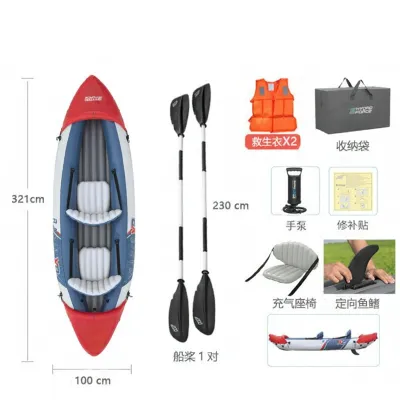
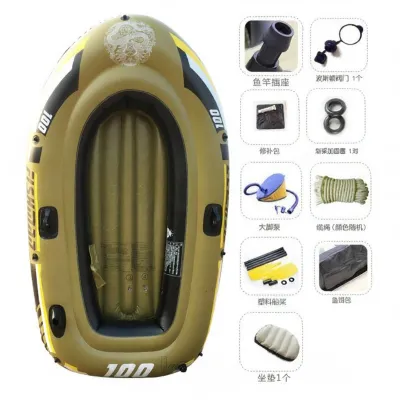
Prices are valid at publication and may change. Please refer to the product page for the latest price.
Transitioning from Traditional Boat Fishing
Many local anglers are accustomed to traditional boat fishing, where a motorized charter vessel handles the navigation, positioning, and heavy gear storage. Moving to a kayak requires managing expectations regarding space, weight capacity, and mobility. On a kayak, you are the captain, motor, and deckhand. You must downsize your tackle, prioritize multi-purpose gear, and accept that your range is determined by your physical endurance rather than fuel capacity. However, the trade-off is the ability to fish in extremely shallow waters and tight structures where larger motorized boats simply cannot go.
Top Kayak Brands for Angling and Boat Fishing
Hobie (Premium Pedal-Drive Systems)
Hobie is widely regarded as a premium standard in the kayak fishing community, primarily due to its patented MirageDrive pedal propulsion systems. These hands-free drives allow you to maintain constant control of your fishing rod while steering, which is a massive advantage when fighting fish in strong coastal currents. The MirageDrive 180 and 360 systems provide instant reverse capabilities, making it easy to stay positioned over structure or navigate tight mangrove channels. Hobie hulls are exceptionally stable, highly customizable, and offer generous weight capacities for carrying heavy tackle boxes, fish finders, and livewells.

However, Hobie kayaks represent a significant financial investment, with premium models often costing several thousand Singapore dollars (S$). Additionally, their rotomolded polyethylene hulls are heavy and bulky. Transporting a Hobie typically requires a dedicated vehicle roof rack, a trailer, or a specialized cart, which can make solo launching physically demanding. These larger dimensions may also make them less practical for navigating tight, restricted launch points at local reservoirs.
Old Town (Stability and Durability)
Old Town has a long-standing reputation for building incredibly robust, stable watercraft designed specifically for serious anglers. Their fishing-focused models, such as the Sportsman series, feature wide, flat-bottom hulls that provide outstanding primary stability. This design allows anglers to stand up confidently to cast, sight-fish, or stretch their legs during long sessions. The seating systems on Old Town kayaks are highly adjustable, breathable, and designed to prevent lower back fatigue during multi-hour outings on the water.
On the downside, the heavy-duty construction that gives Old Town kayaks their legendary durability also makes them exceptionally heavy. Car-topping an Old Town kayak alone requires proper lifting technique or specialized load-assist roof racks to avoid personal injury or vehicle damage. If you rely on public transport or live in an HDB apartment with strict space constraints, storing and moving a rigid Old Town kayak can present major logistical hurdles.
Pelican (Budget-Friendly and Accessible)
For beginners or those who primarily fish in calm reservoir waters, Pelican offers an accessible and highly cost-effective entry point. Constructed from proprietary RAM-X material—a multi-layer high-density polyethylene—Pelican kayaks are significantly lighter than many of their rotomolded competitors. This reduced weight makes them much easier to lift onto a car roof, carry down to a reservoir launch point, or store in a shared condominium space. They provide adequate stability for flat-water angling and come equipped with basic rod holders and storage hatches.
The primary trade-off with Pelican kayaks is their performance in open coastal waters. They generally lack the tracking efficiency and speed required to fight strong tidal currents or heavy head winds. Furthermore, they feature fewer integrated gear tracks and premium rigging options, meaning you may need to DIY your own mounts if you plan to install advanced electronics or anchor systems.
Advanced Elements and Sea Eagle (Inflatable Options)
Inflatable kayaks from brands like Advanced Elements and Sea Eagle have revolutionized kayak fishing for urban anglers in Singapore. Utilizing high-pressure drop-stitch technology—the same material used in stand-up paddleboards—these inflatables can be pumped up to a high PSI, creating a remarkably rigid hull that approaches the performance of a hard-shell kayak. The primary advantage is unmatched portability: the entire setup can be deflated, rolled up, and packed into a heavy-duty backpack. This allows you to transport your kayak in the boot of a taxi, on public transport, or store it easily in a small HDB utility room. They are highly suited for permitted reservoir zones where vehicle access is far from the launch point.
However, inflatable kayaks are inherently more vulnerable to punctures from sharp fish spines, stray hooks, oyster beds, and jagged rocks. They also require dedicated setup and pack-down time at the water’s edge, including thoroughly drying the material before storage to prevent mold. Their lightweight nature also makes them more susceptible to being blown off course by strong coastal winds.
Essential Gear and Safety Checks for Tropical Kayak Fishing
Fishing Rigging
To optimize your kayak for angling, proper rigging is essential. Start with flush-mount or adjustable rod holders to keep your rods secure while paddling or pedaling. A heavy-duty tackle crate or box secured behind your seat provides organized storage for lures, leader lines, and tools. For coastal fishing, an anchor trolley system is highly recommended; it allows you to adjust the attachment point of your anchor or drift chute along the side of the kayak, keeping your bow pointed safely into the wind and waves rather than taking them broadside.
Mandatory Safety Gear
Safety must always take priority over fishing. You should never enter the water without a properly fitted, inherently buoyant Personal Flotation Device (PFD) designed for paddlesports. Keep a loud safety whistle attached to your PFD at all times. A bilge pump or sponge is necessary for clearing water from sit-inside models, while sit-on-top users should ensure all scupper plugs are easily accessible. For coastal trips, carry a marine VHF radio to communicate with port authorities or passing vessels, or at minimum, keep your mobile phone in a certified waterproof pouch secured to your body.
Tropical Climate Protocols
Singapore’s tropical climate demands strict adherence to weather safety protocols. The intense sun can quickly lead to dehydration and heat exhaustion; always pack more fresh water than you expect to need, along with electrolyte replacement drinks. Wear UPF 50+ long-sleeve performance shirts, wide-brimmed hats, and polarized sunglasses to protect against UV radiation and water glare. Most importantly, Singapore has one of the highest rates of lightning activity in the world. You must monitor real-time weather radar apps before and during your trip. If you hear thunder or see dark storm clouds gathering—typically in the early afternoons—you must immediately pack up and head to the nearest safe shore. Equipment cannot replace sound judgment, and you should never attempt to ride out a tropical thunderstorm on open water.
Where to Buy, Test, and Maintain Your Kayak in Singapore
Purchasing Channels
When looking to purchase a fishing kayak locally, it is best to visit specialized local water sports retailers and authorized brand dealers. These local shops can provide invaluable advice on which models are best suited for Singapore’s specific launch sites and can assist with sourcing replacement parts, rudder cables, or drive system tune-ups. For niche brands or specific configurations, direct importing through authorized regional distributors is also a viable option.
Testing Before Buying
Because a high-quality fishing kayak is a significant financial investment, you should never buy one without testing it first. Look out for local demo days hosted by retailers, or join local kayak fishing groups on social media platforms. Many experienced local anglers are happy to let newcomers try out their setups. Alternatively, consider renting different styles of kayaks—such as pedal-drives versus traditional paddle models—at commercial sea sports centers to evaluate how the seating comfort, legroom, and stability match your body size and physical capabilities. If you plan to head into coastal waters, obtaining a basic certification like the Singapore Canoe Federation (SCF) 1-Star Award is highly recommended to build your paddling confidence and rescue skills.
Maintenance Routine
Proper post-trip maintenance is critical to extending the lifespan of your kayak, especially after exposure to saltwater. Always rinse the entire hull, seat, rudder lines, and pedal-drive system thoroughly with fresh water after every coastal outing. Salt buildup can quickly corrode metal moving parts and degrade plastic fittings. Inspect the hull regularly for deep scratches or signs of UV degradation, which can make the plastic brittle over time. Store your kayak in a shaded, well-ventilated area out of direct sunlight; extreme tropical heat can warp polyethylene hulls if they are stored unevenly or under heavy tension.
Frequently Asked Questions (FAQ)
Do I need a permit to kayak fish in Singapore's reservoirs?
Yes, reservoir use is strictly regulated. You must check the latest guidelines from the Public Utilities Board (PUB) and NParks. Kayaking and fishing are only permitted in designated reservoirs and specific zones within them. Some reservoirs require you to use certified rental vessels, while others may allow clean, non-motorized private vessels that meet strict safety and size criteria. Always verify the current rules before attempting to launch.
Can I attach an electric motor to my fishing kayak?
In Singapore’s reservoirs, motorized vessels of any kind—including those powered by electric trolling motors—are generally prohibited to protect the environment and maintain safety. For coastal waters, you are permitted to use electric motors, but you must comply with Maritime and Port Authority of Singapore (MPA) regulations. This includes ensuring your kayak hull is rated for the motor’s weight and thrust, and verifying if vessel registration or licensing is required for motorized crafts.
Is a sit-on-top or sit-inside kayak better for fishing?
Sit-on-top kayaks are overwhelmingly preferred for fishing. They feature self-draining scupper holes that allow water to drain automatically, making them much safer in choppy coastal waters. They also offer an open deck space that makes it easy to access gear, mount accessories, and safely re-enter the kayak from the water if you capsize. Sit-inside kayaks offer better protection from the elements but severely limit your mobility and gear storage.
Community discussion
Share your experience or ask a question. Comments are reviewed before publication.