
Selecting the appropriate compression wear is a critical step in optimizing your athletic performance, protecting your joints, and accelerating your recovery. For athletes evaluating the Flytex lineup, the choice is not merely about finding a comfortable fit; it requires matching specific product designs and pressure profiles to the physical demands of your sport. Whether you are clocking high-mileage runs, performing heavy compound lifts in the gym, or resting after an intense training session, different garments serve distinct physiological purposes.
The right flytex compression gear can help manage muscle oscillation, support joint tracking, and facilitate venous blood flow back to the heart. However, using the wrong garment format or an incorrect pressure level can lead to discomfort, restricted movement, or suboptimal results. By understanding how different formats align with specific physical activities, you can make an informed decision that enhances your training consistency and overall physical well-being.
Quick Guide: Matching Flytex Compression Gear to Your Activity
To choose the correct compression gear, you must first identify which muscle groups and joints undergo the most stress during your preferred activity. Different formats of compression garments target specific areas of the body to address localized physiological needs. For example, runners typically require lower-limb support to manage the repetitive impact of hard pavement, while weightlifters often require joint-specific reinforcement to handle heavy loads.
Products mentioned in this guide
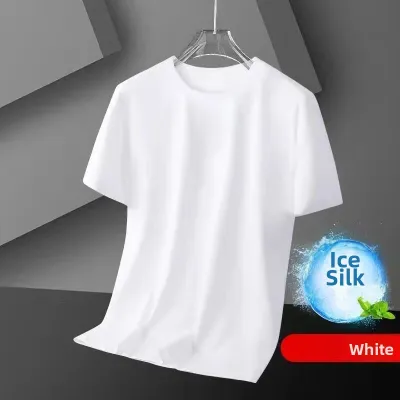
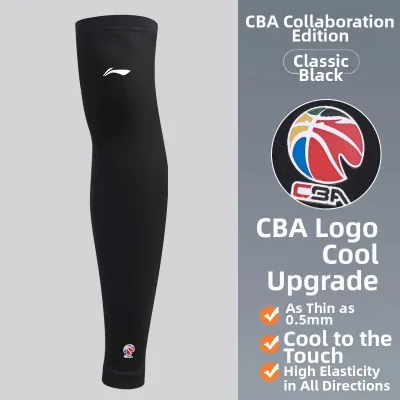
Prices are valid at publication and may change. Please refer to the product page for the latest price.
- Calves and Lower Legs: Best suited for runners and field athletes. Compression in this area helps stabilize the calf muscles, reducing the micro-tears caused by repetitive ground impact.
- Thighs and Glutes: Best suited for sprinters, cyclists, and gym-goers performing lower-body movements. Compression shorts or tights help stabilize the quadriceps and hamstrings during explosive movements.
- Knees and Elbows: Best suited for weightlifters, powerlifters, and functional fitness enthusiasts. Joint-specific sleeves provide localized warmth, proprioceptive feedback, and mild joint tracking support.
- Arms and Upper Body: Best suited for overhead athletes, racket sports players, or gym-goers focused on upper-body training.
The fundamental distinction between performance support and recovery support lies in how pressure is distributed and applied. Performance compression is designed to support active muscles, reduce muscle vibration during movement, and enhance spatial awareness. These garments are typically constructed with structured panels, zoned tension, and high-stretch materials that allow a full range of motion.
In contrast, recovery compression focuses primarily on promoting circulation when the body is at rest. These garments often utilize graduated compression, where the pressure is tightest at the extremities and gradually decreases as it moves upward toward the torso. This pressure gradient assists the veins in returning deoxygenated blood and metabolic waste products to the heart, helping to minimize post-exercise swelling and muscle stiffness. Selecting the right Flytex product requires analyzing these design profiles against your primary athletic goals.
How to Check Compression Levels and Fit for Flytex Compression Gear
Understanding technical specifications is essential when purchasing compression apparel, as the level of pressure directly influences the garment’s efficacy and safety. Sports compression is generally categorized by pressure ratings measured in millimeters of mercury (mmHg). While medical-grade compression often requires a prescription, sports compression typically ranges from mild to firm support.

- Mild Compression (typically 15–20 mmHg): Ideal for active use during long-distance running, daily gym workouts, and prolonged travel. It offers light support without restricting movement or feeling overly constrictive.
- Moderate to Firm Compression (typically 20–30 mmHg): Best suited for dedicated recovery periods or high-impact training where maximum muscle stabilization is required. Verify the manufacturer's specified rating on the product packaging to ensure it matches your intended use.
Achieving the correct fit requires precise anatomical measurements. Do not rely on your standard clothing size, as compression sizing is highly specific. To measure your lower body accurately, use a flexible tape measure to record the circumference of the narrowest part of your ankle, the widest part of your calf, and the mid-point of your thigh. For joint sleeves, measure the circumference of your knee or elbow directly over the joint line while the limb is slightly bent.
The garment must fit snugly against the skin, providing uniform pressure without pinching, rolling, or cutting off circulation. If you notice coldness in your fingers or toes, skin discoloration, or a throbbing sensation, the garment is too tight and must be removed immediately. Always cross-reference your physical measurements with the specific Flytex sizing chart provided by the authorized retailer or official brand store before making a purchase.
In Singapore’s tropical climate, material composition is just as critical as fit. High relative humidity means your body relies heavily on efficient sweat evaporation to regulate temperature. Look for compression garments constructed from lightweight synthetic blends, such as nylon and elastane, which offer superior moisture-wicking properties. Avoid heavy cotton blends, which retain moisture, increase the weight of the garment, and can lead to severe skin chafing during outdoor workouts.
What to Look for in Flytex Compression Gear for Running
Runners must carefully evaluate the structural differences between full compression socks and calf sleeves. Full compression socks cover the entire foot and extend up to just below the knee, providing integrated support for the plantar fascia, ankle joint, and calf muscle. This complete coverage is highly beneficial for runners prone to Achilles tendonitis or plantar fasciitis, as it stabilizes the foot structure throughout the gait cycle.
Calf sleeves, on the other hand, cover only the lower leg from the ankle to the knee. This format offers greater versatility, allowing runners to pair the compression sleeve with their preferred technical running socks. If you run in wet conditions or are highly particular about the cushioning level of your running socks, calf sleeves are often the more practical choice. Both formats help control muscle oscillation—the lateral movement of muscle fibers caused by ground impact—which can contribute to muscle fatigue over long distances.
When reviewing Flytex running product descriptions, look for specific performance features that enhance comfort and safety:
- Targeted Zoning: Varied knit patterns that provide firmer support around key muscle groups while allowing flexibility at the joints.
- Seamless Toe Closures: Essential for full socks to eliminate friction points that cause painful blisters during high-mileage training.
- Reflective Elements: Highly recommended for runners navigating Singapore's roads or park connectors during early morning or late evening hours.
Your training style should dictate the flexibility and support level of your chosen gear. For long-distance training, prioritize garments that offer mild, consistent compression and high breathability to ensure comfort over several hours. For short-distance sprint training or track workouts, look for higher-tension garments that prioritize maximum muscle stabilization and explosive power delivery.
Additionally, verify the durability and slip-resistance of the gear. High-mileage running subjects garments to repetitive stretching and friction. Check product specifications for reinforced heel and toe areas on socks, and look for wide, flat bands at the top of calf sleeves to prevent the garment from sliding down during your stride.
Choosing Flytex Compression Supports for Gym Workouts
Gym workouts and strength training present a different set of physical demands compared to running. Instead of repetitive linear impact, weightlifting involves multi-directional movements, heavy axial loading, and deep joint flexion. Consequently, gym-goers should focus on joint-specific compression, such as knee and elbow sleeves, alongside full-length compression tights that support the major muscle groups of the lower body during compound movements like squats and deadlifts.
It is crucial to distinguish between flexible compression gear and rigid support braces. Flexible compression sleeves are designed to improve blood flow, keep the joint warm, and enhance proprioception—your brain’s awareness of the joint’s position in space. This feedback can help you maintain proper form during complex lifts. Rigid support braces, which often feature plastic or metal stays, are designed to restrict movement to protect injured joints. For general gym workouts, flexible compression is preferred as it supports the muscles without taking over the stabilization work of your tendons and ligaments.
When evaluating Flytex products for gym use, check the specifications for features that withstand dynamic movements:
- Reinforced Stitching: Look for flatlock or double-stitched seams that can handle the extreme stretching associated with deep squats or lunges.
- Non-Slip Silicone Grips: Internal silicone wave bands are essential for knee and elbow sleeves to prevent them from rolling down or sliding out of place when you sweat.
- Appropriate Material Thickness: Gym-specific sleeves are often thicker than running sleeves to provide greater warmth and mild mechanical rebound at the bottom of a lift.
Balancing compression tightness with your required range of motion is key. If a knee sleeve is too tight or too thick, it may pinch behind the knee and restrict your ability to achieve full depth in a squat. Choose a level of compression that feels supportive and reassuringly snug, but still allows you to move through your entire functional range of motion without resistance or discomfort.
Using Flytex Compression for Post-Exercise Recovery
The physiological benefits of compression do not end when your workout finishes. Utilizing compression garments during the post-exercise recovery phase is an effective way to manage muscle soreness and accelerate physical restoration. When you perform intense exercise, micro-damage occurs within the muscle fibers, leading to localized inflammation, swelling, and delayed onset muscle soreness (DOMS).
Graduated compression assists the body’s natural recovery processes by facilitating venous return. Because veins must work against gravity to pump blood from the lower limbs back to the heart, applying external pressure helps narrow the diameter of the blood vessels, increasing velocity and preventing blood pooling. This improved circulation helps clear metabolic byproducts more efficiently and delivers oxygen-rich blood to fatigued tissues, helping to reduce the severity of DOMS.
For recovery purposes, look for Flytex products specifically designated for post-workout use, or opt for full-coverage formats like full tights or recovery socks. These garments are designed to be worn during periods of inactivity, meaning they apply a gentle, consistent pressure profile that is comfortable to wear while resting. Active performance gear, which may feature high-tension panels designed for dynamic movement, can feel overly restrictive or uncomfortable when you are sitting or lying down.
To maximize recovery benefits, put on your recovery compression gear within an hour of completing your workout, ideally after showering and drying off completely. General athletic guidelines suggest wearing recovery garments for 2 to 4 hours post-exercise. Always check the product label to ensure the garment is safe for extended wear. Avoid sleeping in high-tension active compression gear unless the manufacturer explicitly states it is designed for overnight use, as prolonged static pressure can restrict circulation when your body is immobile.
Caring for Flytex Compression Gear and Safety Boundaries
Proper maintenance is essential to preserve the technical properties, elasticity, and hygiene of your compression garments. Because these items fit tightly against the skin and absorb significant amounts of sweat, they must be washed regularly to prevent bacterial growth and odor. However, harsh washing methods can quickly degrade the elastane fibers that provide the necessary tension.
Always check the care label on your specific Flytex garment before washing. For best results, follow these low-risk, reversible care instructions:
- Hand Wash or Gentle Cycle: Wash the gear in cold water (under 30°C) using a mild detergent. Avoid heavy-duty cycles that can stretch the fabric.
- Avoid Fabric Softeners: Fabric softeners leave a chemical coating on the fibers that clogs the knit, ruining the garment's moisture-wicking properties and reducing its elasticity.
- Air Dry Only: Lay the garments flat or hang them to air dry out of direct sunlight. Never use a tumble dryer, iron, or direct heat sources, as high temperatures melt or warp the synthetic elastic fibers.
Over time, all compression gear will eventually lose its structural integrity. Inspect your garments regularly for observable signs of wear, such as pilling, loose threads, stretched-out bands, or a noticeable loss of snap-back when stretched. If a garment no longer fits snugly or fails to provide the supportive sensation it did when new, it is time to replace it to ensure you continue receiving the intended benefits.
While compression gear is highly beneficial, it is vital to understand its safety boundaries. Immediately remove any compression garment if you experience signs of circulatory restriction, including numbness, tingling, coldness in the extremities, skin discoloration (such as turning blue or pale), or increased pain. If these symptoms persist after removing the gear, consult a healthcare professional. Remember that compression garments are supportive tools; they cannot replace a proper warm-up, correct training form, adequate hydration, or professional medical treatment for acute sports injuries.
Frequently Asked Questions (FAQ)
Can I wear Flytex compression sleeves all day?
Sports compression sleeves are primarily engineered for active use and short-term post-exercise recovery. Wearing them all day, especially during long periods of sitting or inactivity, is generally not recommended unless specified by the manufacturer. When you are sedentary, the lack of muscle movement combined with static compression can sometimes impede natural circulation rather than help it. Monitor how your body feels, and remove the sleeves if you experience any discomfort, skin irritation, or coolness in your limbs.
How tight should Flytex compression socks feel?
Your compression socks should feel snug, supportive, and firmly wrapped around your calves and feet, but they should never cause pain, throbbing, or restricted movement. You should feel a graduated pressure that is tightest at the ankle and lighter toward the knee. If you experience numbness, tingling, or if the socks leave deep, painful indentations on your skin after removal, they are too tight. Always refer to the brand’s sizing chart to ensure a safe and effective fit.
Is it better to buy Flytex compression gear online or in-store?
Both options offer distinct advantages depending on your priorities. Purchasing from physical retail stores in Singapore allows you to feel the material, assess the thickness, and sometimes try on the gear to verify sizing accuracy before spending your money (typically ranging in broad price bands from S$20 to S$80 depending on the garment type). Conversely, buying from authorized online sports retailers provides a wider selection of colors, sizes, and specific models. If purchasing online, always verify the retailer’s return and exchange policy so you can swap the garment if the physical fit does not match your measurements.
Community discussion
Share your experience or ask a question. Comments are reviewed before publication.