
Swimming pools are a central part of Singapore’s active lifestyle, from private condominium complexes to public ActiveSG swimming complexes. Choosing the right pool noodle foam depends on whether you are using it for technical swim training or casual recreation. A high-density solid core noodle provides the firm buoyancy needed for adult kick drills, while a lightweight hollow-core noodle offers the flexibility and safety required for children’s water games. By understanding the differences in material density, core structure, and sizing, you can select the ideal flotation aid to match your specific aquatic activities.
What to Look for When Buying a Foam Pool Noodle
When browsing local sports retailers or online marketplaces, understanding the physical attributes of a pool noodle will help you filter out low-quality options that quickly degrade. The structural design, dimensions, and material composition directly dictate how a noodle behaves in the water, as well as how long it will last in Singapore’s tropical environment.
Core Structure: Solid vs. Hollow
The fundamental difference between pool noodles lies in their core structure. Solid core noodles are extruded without an internal cavity, resulting in a dense, highly buoyant, and firm structure. They do not compress easily under body weight, making them excellent for consistent flotation support and adult swim training. In contrast, hollow core noodles feature a central cylindrical cavity running through the middle. This design reduces material weight and manufacturing costs, offering higher flexibility and a springier feel, though they provide less total buoyant force.
Products mentioned in this guide
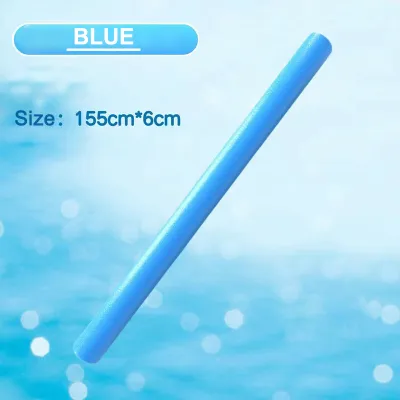
![[SG Stock] Swim Noodle Float 150CM Kid Learn Swimming Pool Aid Water Foam Stick Buoy For Children Adult Tread Water](https://img.lazcdn.com/g/p/c557cf1722ff97da0e8314841b1debdb.jpg_400x400q80.jpg_.webp)
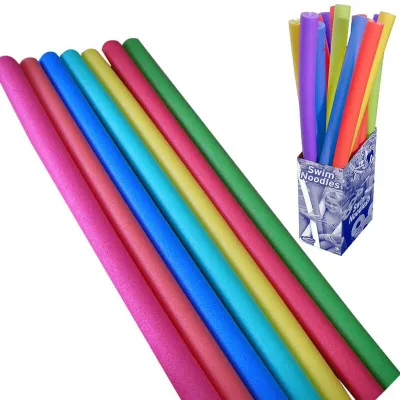
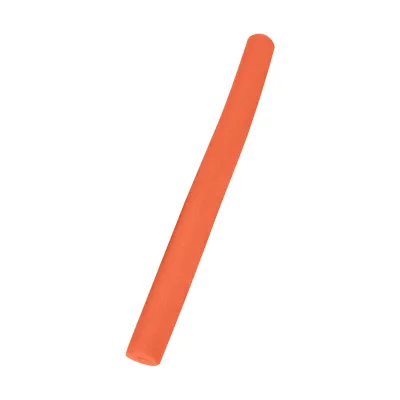
![[SG FREE ] Swimming Pool Foam Noodle Noodle Float Aid Foam Stick Rod Floating Foam Sticks Useful Swimming Pool](https://img.lazcdn.com/g/p/322fbf54fd7a2bc801d09edaf9dc8f22.jpg_400x400q80.jpg_.webp)
![[SG FREE ] 150CM Swimming Pool Float Aid Swim Noodles Ring Foam Buoyancy Stick Useful For Kids Adult Pool Accessories F](https://img.lazcdn.com/g/p/54e63b890cc6a55ea554f70f25a04fe7.jpg_400x400q80.jpg_.webp)
Prices are valid at publication and may change. Please refer to the product page for the latest price.
Dimensions and Ergonomics
Standard lengths for pool noodles typically range from 1.2 to 1.8 metres (4 to 6 feet), with diameters spanning 5 to 7.5 centimetres (2 to 3 inches). Sizing is a critical factor for grip and support across different age groups. For adults, a thicker diameter provides the necessary volume to support larger muscle masses. For children, a diameter of 5 to 6.3 centimetres (2 to 2.5 inches) is crucial to ensure their smaller hands can wrap completely around the foam, maintaining a secure grip during active pool play or swim instruction.
Material Composition
The primary material determines durability and water resistance. Closed-cell ethylene-vinyl acetate (EVA) foam is the premium standard for aquatic training aids. Unlike cheaper open-cell alternatives or low-grade polyethylene, closed-cell EVA foam features microscopic, sealed air pockets that prevent water absorption. This prevents the noodle from becoming waterlogged, heavy, and prone to sinking over time, ensuring it retains its original buoyancy even after hundreds of hours in chlorinated water.
Best Pool Noodle Specifications for Swimming Practice
Using a pool noodle as a training aid requires specific physical properties that differ from recreational toys. Training aids must provide reliable, predictable hydrostatic lift to help swimmers focus on specific muscle groups, stroke mechanics, or body positioning without the equipment flexing excessively or slipping away.

High-Density Solid Core Noodles for Adult Swim Training
Adults require significant buoyant support to maintain proper horizontal body alignment in the water during training. High-density solid core EVA foam noodles act as excellent kickboard alternatives. When placed under the armpits or held in front of the body, they support the torso, allowing the swimmer to isolate their lower body for intensive kick drills. The firm, unyielding structure of solid core noodles ensures they do not bend excessively under adult weight, maintaining consistent flotation.
However, this rigidity is also their primary limitation. Solid noodles are stiff and difficult to bend into tight shapes, making them less suitable for custom pool games or creative crafts. They are designed strictly for linear support and high-resistance water aerobics, where structural integrity under load is paramount.
Medium-Density Noodles for Kids' Swim Lessons
For children, swim training is as much about building water confidence as it is about learning physical strokes. Medium-density foam noodles strike an ideal balance, offering enough buoyancy to assist chest or back flotation while remaining flexible enough to allow unrestricted arm movement. This flexibility helps young swimmers transition from passive floating to active paddling.
When selecting a noodle for children, look for thinner diameters of 5 to 6.3 centimetres (2 to 2.5 inches) so small hands can grip them without muscle fatigue. Always check the manufacturer’s packaging to verify the recommended age and weight limits, ensuring the noodle is rated for your child’s specific developmental stage.
Best Pool Noodle Specifications for Pool Play and Games
Recreational pool play prioritizes safety, versatility, and cost-effectiveness over rigid buoyancy. Whether you are hosting a pool party or looking for a comfortable way to lounge in the water, different specifications are required to maximize enjoyment.
Standard Lightweight Hollow Noodles for Water Games
For active pool games like water polo, raft racing, or friendly pool sword fights, lightweight hollow noodles are the ideal choice. The hollow center makes these noodles highly flexible and easy to bend without snapping. Because they are lightweight, accidental impacts during energetic games are completely cushioned, ensuring safe play for all age groups.
Additionally, their lower manufacturing cost makes them highly economical, allowing families to purchase them in bulk for weekend pool parties or large gatherings. Before purchasing, inspect the hollow center’s edges to ensure they are smooth and free of sharp manufacturing burrs that could irritate sensitive skin.
Jumbo or Extra-Long Noodles for Raft Building and Lounging
For those looking to relax or build complex floating structures, jumbo and extra-long noodles offer the necessary volume. Jumbo pool noodles typically measure 10 to 12.7 centimetres (4 to 5 inches) in diameter, providing massive buoyancy that can support an adult in a fully reclined position. Extra-long variants can extend up to 3 metres (10 feet).
To construct floating rafts, chairs, or pool forts, you will need compatible specialized connectors, mesh slings, or flexible joints designed to link multiple noodles together. Always verify the specific weight capacity limits of these lounging setups to ensure they can safely support the intended users without capsizing.
Choosing Your Ideal Pool Noodle Foam: A Quick Comparison
To help you decide which pool noodle foam is best suited for your household, compare the primary characteristics of the two main foam structures below.
| Feature / Type | Solid Core EVA Foam | Hollow Core Polyethylene Foam |
|---|---|---|
| Buoyancy Level | High and consistent | Moderate |
| Flexibility | Low (rigid and firm) | High (easy to bend) |
| Best Use Case | Adult swim training, kick drills | Pool games, children's play, lounging |
| Durability | High (resists waterlogging and tearing) | Moderate (prone to creasing over time) |
| Typical Price Range | Premium | Budget-friendly |
Safety Guidelines and Maintenance in Singapore's Climate
While foam pool noodles are excellent tools for building water confidence and enjoying pool games, they are strictly recreational flotation aids and not life-saving devices. They must never be used as a substitute for certified life jackets or personal flotation devices (PFDs), particularly for children, weak swimmers, or in deep-water environments. Equipment cannot replace proper adult supervision, water safety training, or sound personal judgment.
Singapore’s tropical climate—characterized by intense UV radiation, high humidity, and warm temperatures—presents a harsh environment for synthetic foams. Chlorine from swimming pools and salt from marine environments can slowly degrade the molecular structure of the foam, causing it to harden, crack, or lose buoyancy. To maximize the lifespan of your pool noodle, follow these low-risk care steps:
- Rinse thoroughly: Always rinse the noodle with clean, fresh tap water after every use to wash away residual chlorine, salt, and pool chemicals.
- Air dry in shade: Allow the noodle to air dry completely in a shaded, well-ventilated outdoor area. Avoid storing wet noodles in enclosed, high-humidity spaces like plastic deck boxes or indoor closets, as trapped moisture quickly leads to mold and mildew growth.
- Avoid direct sunlight: Never leave foam noodles exposed to direct, prolonged sunlight when not in use. Intense UV rays degrade the foam polymers, causing the material to become brittle, fade, and eventually flake off into the pool water.
Frequently Asked Questions (FAQ)
Can a foam pool noodle replace a life jacket for children?
No, a foam pool noodle can never replace a certified life jacket or personal flotation device. Unlike a PFD, which is designed to keep a swimmer’s head above water even if they are unconscious, a pool noodle relies entirely on the user’s ability to hold onto it. It can easily slip out of a child’s grasp, does not guarantee upright flotation, and carries no official safety certifications for open water or deep pools. Always use approved life jackets for non-swimmers and children in deep water.
How do I clean and store my pool noodle to prevent mold?
To clean a visibly dirty pool noodle, wipe down the surface using a mild soap solution, warm water, and a soft cloth or sponge. Avoid using harsh chemical cleaners or abrasive scrubbing pads, which can tear the foam’s protective outer skin. After cleaning, it is essential to let the noodle air dry completely in a shaded, well-ventilated area before moving it indoors. Storing a damp noodle in a dark, humid environment encourages mold and mildew growth, which can ruin the material and cause unpleasant odors.
Community discussion
Share your experience or ask a question. Comments are reviewed before publication.