
Selecting your first outdoor FPV drone can be an overwhelming process due to the sheer volume of technical jargon, proprietary ecosystems, and rapid hardware iterations. For beginners entering the outdoor RC hobby, the most reliable path is to choose an established brand that offers complete Ready-to-Fly (RTF) kits. These packages provide all necessary components pre-configured out of the box, allowing you to focus on learning the unique flight physics of first-person view flight without the frustration of complex soldering or software programming. Brands like BetaFPV, Emax, and DJI represent the leading entry points, each catering to different budgets, skill levels, and flight environments.
While the allure of high-speed freestyle maneuvers is strong, your initial brand choice dictates not just your first aircraft, but your entire hardware ecosystem. The radio controller, video goggles, and battery charging systems you purchase today will ideally support your progression as your piloting skills mature. Evaluating these brands based on their crash durability, parts availability, and protocol compatibility ensures that your introduction to the outdoor FPV drone hobby is safe, educational, and cost-effective.
What Makes an FPV Brand Beginner-Friendly for Outdoor Use?
An exceptional beginner brand must prioritize complete out-of-the-box functionality. A true Ready-to-Fly (RTF) kit must bundle the fpv drone itself, a pre-bound radio controller, FPV goggles, compatible flight batteries, and a safe charging unit. Beginners should steer clear of “Bind-and-Fly” (BNF) or “Plug-and-Play” (PNP) models initially, as these configurations require you to source your own radio receiver, bind complex protocols, and navigate advanced configuration software like Betaflight, which can easily lead to setup errors.
Products mentioned in this guide
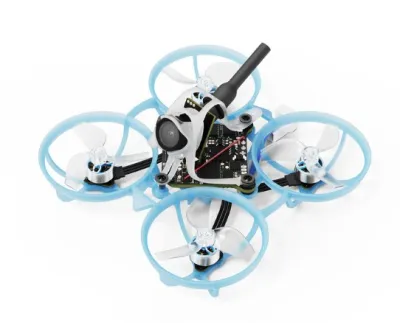
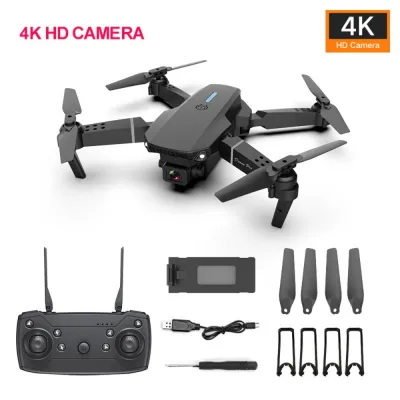
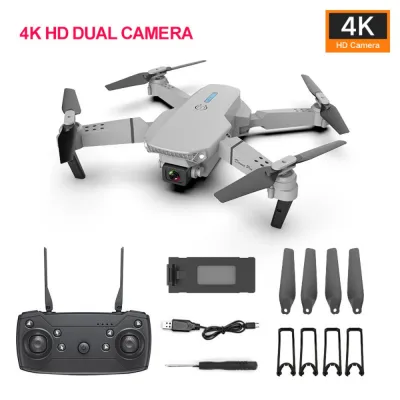
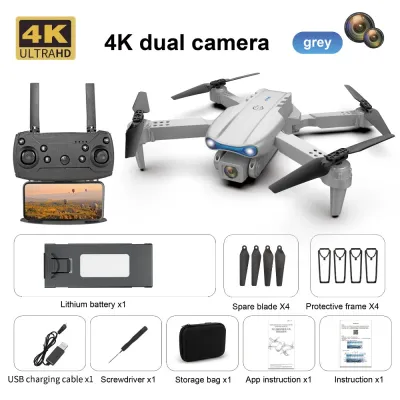
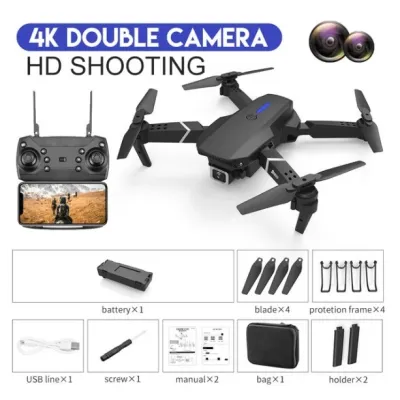
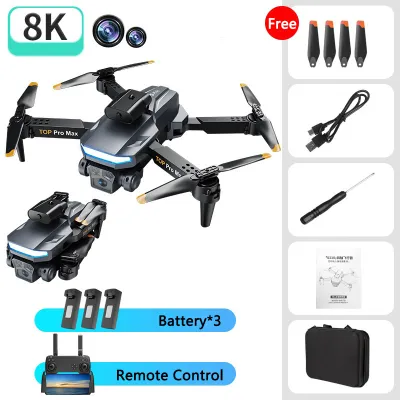
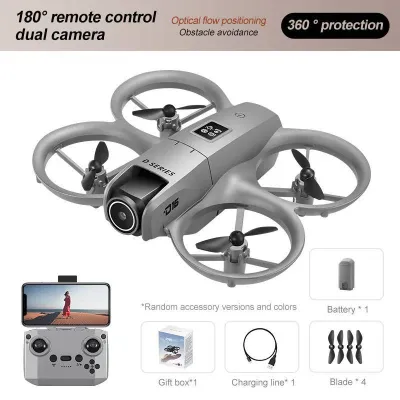
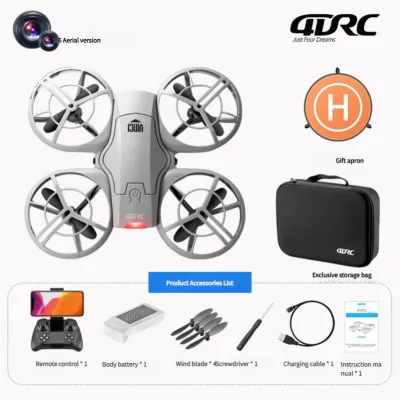
Prices are valid at publication and may change. Please refer to the product page for the latest price.
Durability and the immediate availability of replacement parts are critical factors when selecting a brand. As a novice pilot, crashing is an inevitable part of the learning process. Brands that design their aircraft with easily swappable arms, modular motors, and robust propeller guards allow you to make quick repairs in the field. Furthermore, choosing a brand with a well-established supply chain means you can purchase replacement propellers, frames, and motors locally or online without waiting weeks for international shipping.
Flight assistance features serve as a vital safety net when transition training moves outdoors. Unlike indoor environments, outdoor flying introduces unpredictable wind currents, thermal drift, and the risk of losing orientation. Beginner-friendly brands often incorporate multiple flight modes, starting with a self-leveling “Angle” mode that automatically stabilizes the drone when you release the control sticks. Advanced safety systems, such as GPS-assisted “Return-to-Home” (RTH) or automated hovering capabilities, provide peace of mind by preventing flyaways if you experience video signal loss.
Finally, compatibility with computer flight simulators is a non-negotiable feature for any beginner-friendly brand’s radio controller. Developing muscle memory in a virtual environment saves hundreds of dollars in physical repairs. Reputable brands design their RTF radio transmitters to connect directly to a computer via a standard USB cable, allowing them to be recognized as universal game controllers. This feature enables you to practice basic throttle control and spatial coordination in simulator software before risking real hardware outdoors.
Understanding FPV Drone Types for Outdoor Flying
Cinewhoops and Ducted Drones
Cinewhoops utilize integrated plastic ducts or guards that fully enclose the spinning propellers. This design provides excellent protection for both the aircraft and the surrounding environment, making them highly forgiving during minor collisions with tree branches or ground obstacles. If you plan to fly in public parks where people or property might occasionally be present, a ducted design is the safest starting point.

However, these protective ducts alter the aerodynamic profile of the drone. In outdoor settings, the large surface area of the ducts acts like a sail, making the aircraft highly sensitive to crosswinds. Beginners must verify the manufacturer’s specified wind resistance rating rather than assuming all ducted models handle outdoor breezes equally. For outdoor use, look for ducted models with brushless motors and a total weight that provides enough inertia to resist moderate wind drift.
Micro Drones and Outdoor-Capable Tinywhoops
Micro drones, often referred to as Tinywhoops, are ultra-lightweight aircraft typically weighing under 50 grams and utilizing small battery cells. While some manufacturers market these micro platforms for outdoor use, their low mass limits their performance to highly specific environments. They lack the power to fight even gentle breezes, which can quickly carry the drone away or cause destabilization.
If you choose a micro drone brand, restrict your outdoor flying to completely calm days, sheltered courtyards, or enclosed sports fields. These platforms are excellent for low-risk practice and learning the basics of FPV control, but they cannot replicate the momentum and tracking performance of larger outdoor-optimized aircraft. They serve best as a stepping stone to heavier, wind-resistant models.
5-Inch Freestyle Drones with GPS
Traditional 5-inch freestyle drones represent the standard for outdoor FPV performance, offering exceptional speed, power, and wind resistance. They handle turbulent outdoor air with ease and can carry heavy action cameras to capture high-definition flight footage. Their open-frame design makes them highly modular and relatively simple to repair after high-impact crashes.
Despite their performance benefits, 5-inch drones are generally not recommended for absolute beginners. These aircraft carry significant kinetic energy and can cause severe injury or property damage if control is lost. If you choose to start with a larger platform, select a brand that offers a highly restricted RTF kit equipped with active GPS rescue features, speed-limiting software profiles, and a physical emergency stop switch, and ensure you have logged substantial simulator hours first.
How to Evaluate FPV Drone Brands and Ecosystems
Ecosystem Lock-in vs. Open Protocols
When choosing an FPV brand, you must decide between a closed, proprietary ecosystem and an open-source protocol. Closed systems, such as those offered by DJI, provide a seamless, highly polished user experience where the drone, goggles, and controller connect with minimal configuration. The trade-off is high cost and lack of compatibility; you cannot easily use DJI goggles or controllers with custom-built or third-party drones without purchasing expensive, specific air units.
In contrast, brands utilizing open-source radio protocols, most notably ExpressLRS (ELRS), offer unparalleled flexibility. ELRS has become the industry standard for radio control due to its incredible signal penetration, range, and low latency. Choosing an RTF kit that utilizes ELRS ensures that your radio controller can bind to hundreds of different drones across various brands as your collection grows, protecting your initial investment.
Video Transmission Systems
Your choice of brand will also dictate whether you fly using an Analog or Digital HD video transmission system. Analog systems are highly cost-effective, with complete RTF kits often priced between S$200 and S$500. Analog video has virtually zero latency, and when the signal degrades due to distance or obstacles, it does so gradually as static, allowing you time to fly back. However, the image quality is low-resolution and reminiscent of old analog television screens.
Digital HD systems, such as Walksnail Avatar, HDZero, or DJI O3, deliver crystal-clear, high-definition video directly to your goggles, making the flying experience incredibly immersive. This clarity helps you spot small branches and obstacles far more easily. The drawbacks are financial and operational: digital RTF systems are significantly more expensive, often starting above S$800, and the video signal can drop out abruptly without the gradual static warning characteristic of analog systems.
After-Sales Support and Community
Because FPV drones require ongoing maintenance, a brand’s value is deeply tied to its community presence and customer support. Brands with active, global user bases benefit from thousands of community-created video tutorials, troubleshooting guides, and online forums. When you inevitably encounter a software configuration issue or need to diagnose a motor fault, a quick online search for a popular brand will yield immediate solutions, whereas obscure brands may leave you stranded without support.
Brand Evaluation Matrix
To help align your personal goals with the right hardware ecosystem, consider the following trade-offs between the two primary market paths:
- Proprietary Plug-and-Play (e.g., DJI)
- Primary Value: Maximum convenience, minimal setup, superior digital video quality, robust GPS safety nets.
- Limitations: High initial cost, expensive proprietary replacement parts, limited customization, closed ecosystem lock-in.
- Best For: Beginners with a larger budget who want high-quality aerial footage immediately without learning electronics repair.
- Open-Source Modular (e.g., BetaFPV, Emax)
- Primary Value: Highly affordable entry point, standard open protocols (ELRS), easily repairable with cheap, off-the-shelf parts.
- Limitations: Steeper initial learning curve, analog video in entry-level kits, manual software configuration required for advanced tuning.
- Best For: Beginners who want to learn the mechanics of the hobby, prioritize long-term growth, and prefer a modular hardware path.
Essential Gear and Battery Safety for Beginners
Your radio controller is the most important piece of gear in your FPV kit, as it serves as your primary physical interface with the aircraft. When selecting an RTF kit, evaluate the quality of the included transmitter. Investing in a brand that provides a full-sized or highly ergonomic controller with high-quality gimbals (such as Hall effect gimbals) ensures long-term usability. A good controller can be used across multiple future aircraft and will last for years, whereas cheap, toy-grade controllers included in budget kits will quickly need to be replaced as your skills advance.
Goggle comfort and physical fit are equally critical for an enjoyable outdoor flying experience. If you wear prescription glasses, you must verify whether the goggles included in your chosen brand’s RTF kit can accommodate them. Some goggles feature adjustable focal lengths (diopter dials) that allow you to fly without glasses, while others require custom diopter inserts or have physical cutouts to fit standard frames. Ill-fitting goggles allow ambient sunlight to leak in, which ruins contrast and makes it difficult to see obstacles in bright outdoor conditions.
Lithium Polymer (LiPo) batteries provide the high discharge rates required to power FPV drones, but they demand strict safety protocols. Before charging or handling your batteries, always read the manufacturer’s specific care and safety instructions. LiPo batteries can become fire hazards if punctured, overcharged, or stored incorrectly.
To mitigate risks, adhere to these non-negotiable safety rules:
- Safe Charging: Always use a dedicated balance charger designed for LiPo chemistry, and never charge batteries on flammable surfaces like wood or carpet.
- Constant Supervision: Never leave charging batteries unattended; remain in the room and check them periodically for excessive heat or swelling.
- Storage Voltage: Never store batteries fully charged or completely discharged for more than a few days. Use your charger's "storage" function to bring the cells to approximately 3.8V to 3.85V per cell.
- Fireproof Containment: Always store and charge your batteries inside a certified, fireproof LiPo safety bag or a heavy-duty metal container to contain potential thermal runaway.
Outdoor Flight Safety and Local Compliance in Singapore
Before arming your drone for an outdoor flight, establishing a rigorous pre-flight inspection routine is essential for safety and hardware longevity. Physically inspect each propeller blade for micro-cracks, stress whitening, or chips, as a damaged propeller can shatter under high RPMs and cause an immediate crash. Ensure that all motor mount screws and frame bolts are securely tightened, as motor vibrations can loosen hardware over time. Finally, if your drone is equipped with a GPS module, wait to acquire a stable satellite lock before taking off to ensure the Return-to-Home coordinates are accurately recorded.
Maintaining situational awareness is one of the greatest challenges of FPV flight because the goggles completely isolate your visual field. To fly safely and responsibly, always operate with a visual observer, commonly known as a spotter. The spotter’s role is to maintain constant, unaided visual line of sight (VLOS) with the drone. They must monitor the surrounding airspace for low-flying aircraft, birds, or approaching members of the public, providing real-time verbal cues so you can avoid hazards immediately.
In Singapore, drone operations are governed strictly by the Civil Aviation Authority of Singapore (CAAS). Before planning any outdoor flight, you must consult the official CAAS website to verify current regulations, as aviation laws are subject to updates and strictly enforced. Key compliance items include verifying drone registration requirements, which are mandatory for any unmanned aircraft with a total weight exceeding 250 grams.
Additionally, pilots must strictly adhere to the standard operating limit of 60 meters (200 feet) above mean sea level and ensure they are not flying within restricted no-fly zones. These restricted areas encompass airspace near military airbases, airports, and sensitive installations. Utilizing official digital tools, such as the CAAS FlySafe map, is the most reliable way to check airspace status before every flight to ensure you are operating legally and safely.
Frequently Asked Questions (FAQ)
Do I need a license or permit to fly an FPV drone outdoors?
In Singapore, recreational drone pilots do not require an activity permit or an operator license, provided the drone weighs 7 kilograms or less and is flown strictly outside restricted areas and no-fly zones. However, if your FPV drone has a total weight exceeding 250 grams, you must register the aircraft with the Civil Aviation Authority of Singapore (CAAS) and apply the official registration label before flying outdoors. Because regulations are strictly enforced, always verify the latest weight thresholds and airspace restrictions on the official CAAS portal prior to flight.
Can I fly an FPV drone in the rain or high humidity?
Most hobby-grade and consumer FPV drones do not possess official Ingress Protection (IP) water-resistance ratings. Flying in rain, heavy mist, or high tropical humidity can allow moisture to penetrate the frame, leading to immediate short circuits in the sensitive electronic speed controllers (ESCs) or flight controllers. To protect your equipment, avoid flying in wet weather. If your drone is exposed to moisture, disconnect the battery immediately, dry the components thoroughly with a microfiber cloth, and allow it to sit in a dry environment with desiccant packets before attempting to power it on again.
Should I buy an RTF kit or build my own drone as a beginner?
For absolute beginners, purchasing a pre-assembled Ready-to-Fly (RTF) kit is highly recommended. Building a custom FPV drone from scratch requires specialized soldering skills, a deep understanding of electronic wiring, and extensive troubleshooting within configuration software, which can be overwhelming for a novice. Starting with an RTF kit allows you to focus entirely on developing flight coordination and understanding spatial dynamics. Once you have mastered basic flight control and understand how components interact, you can confidently transition to building and customizing your own aircraft.
Community discussion
Share your experience or ask a question. Comments are reviewed before publication.