
Selecting your first free diving mask is one of the most critical decisions you will make when starting your breath-hold journey. Unlike standard snorkeling or scuba gear, a dedicated free diving mask is specifically engineered to handle the unique physiological demands of diving on a single breath of air. In the warm, tropical waters of Singapore, having a mask that fits perfectly and performs reliably ensures you can focus entirely on your relaxation, technique, and safety underwater.
While high-quality equipment is essential, it is important to remember that gear is merely a tool to support your skills. Freediving is a high-risk sport that requires proper training, physical conditioning, and strict adherence to safety protocols. Before attempting any breath-hold dives in local waters or training pools, you must obtain formal instruction from a certified agency (such as AIDA, SSI, or PADI) and always dive with a qualified, active buddy. Never dive alone, and always prioritize safety over depth.
An entry-level free diving mask in the Singapore market typically ranges from S$60 to S$120. Investing in a reputable brand ensures that you receive high-quality materials that can withstand the local climate and high-salinity marine environments. By understanding what features to look for, how to verify the fit, and how to maintain your gear, you can make an informed purchase that will keep you safe and comfortable during your dives.
Products mentioned in this guide
![[SG Ready Stock]Professional Scuba Snorkeling Diving Mask Set Free Breathing Anti-Leak Dry Top Snorkel Diving Mask](https://img.lazcdn.com/g/p/8d791f8b921b0ab433e4d2173a5f1fba.png_400x400q80.png_.webp)
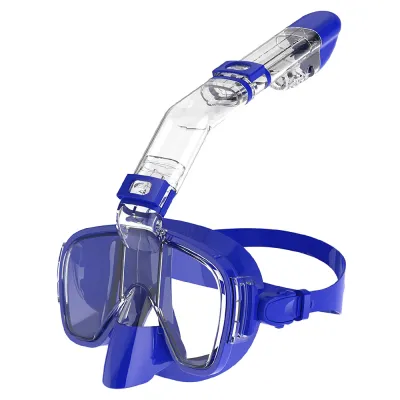
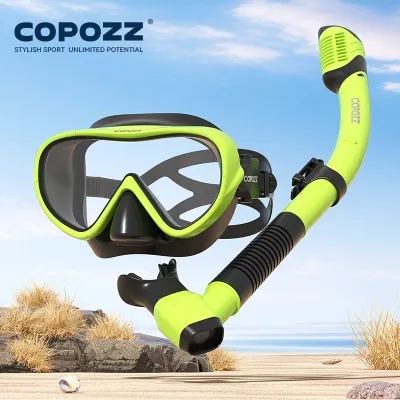
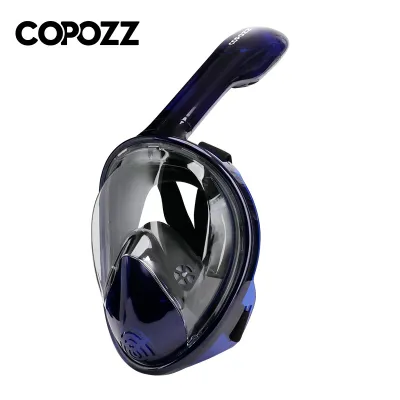
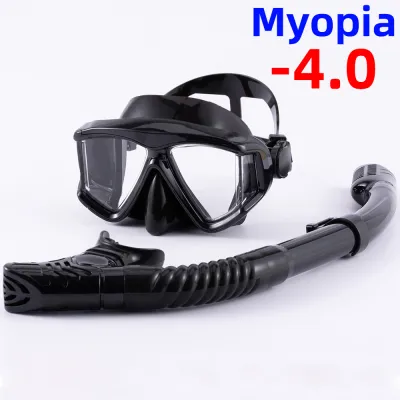
Prices are valid at publication and may change. Please refer to the product page for the latest price.
Why a Dedicated Free Diving Mask Matters
When you descend underwater, the increasing ambient pressure compresses the air spaces inside your body and your equipment. The air trapped inside your mask is subject to this pressure, creating a vacuum effect known as mask squeeze. To prevent discomfort or injury to your eyes and facial capillaries, you must equalize the pressure inside the mask by gently exhaling a small amount of air through your nose.
This equalization process is where the design of a dedicated free diving mask becomes invaluable. These masks are engineered with an extremely low internal volume, meaning there is very little air space trapped between the glass lenses and your face. Because the air pocket is minimized, you need to exhale only a tiny fraction of your precious lung volume to equalize the mask during your descent, leaving more oxygen available for your dive.
In contrast, standard snorkeling masks are designed with large, wide frames to maximize surface peripheral vision. While excellent for floating at the surface, their high internal volume requires a significant amount of air to equalize at depth. Using a high-volume mask for breath-hold diving quickly drains your air reserves, increases the difficulty of equalization, and significantly elevates the risk of mask squeeze.
Beyond air conservation, a low-profile mask offers superior hydrodynamics. The streamlined shape sits closer to your face, reducing water resistance as you move vertically through the water column. This reduction in drag allows you to glide more efficiently, conserving physical energy and extending your comfortable breath-hold times during training sessions or open-water dives.
Core Features to Look for in a Beginner Mask
Navigating the options at a local dive shop can be overwhelming for a beginner. To simplify your decision, focus on three primary design pillars: low internal volume, skirt quality, and nose pocket accessibility. Evaluating these features systematically will help you find a mask that supports your progression as a diver.

Low Volume and Streamlined Design
The primary mechanical feature of any free diving mask is its low-volume construction. When examining different models, look for designs where the lenses sit as close to your eyes as physically possible without touching your eyelashes or brow bone.
- Teardrop Lens Shape: Many beginner-friendly masks feature lenses that taper downward in a teardrop shape. This design expands your downward field of view, allowing you to monitor your body alignment and line positioning during a vertical descent without having to tilt your head, which can restrict your airway.
- Integrated Frame Construction: Some modern masks utilize a frameless or direct-mold construction where the silicone skirt is molded directly to the lenses. This eliminates the bulky plastic frame, further reducing internal volume and creating a highly hydrodynamic profile.
Silicone Skirt Quality and Facial Fit
The skirt is the flexible boundary that seals the mask to your face, keeping water out while maintaining a comfortable pocket of air. For freediving, the quality of this material is non-negotiable.
- Liquid Silicone: High-quality masks use soft, hypoallergenic liquid silicone. This material is incredibly pliable, allowing it to conform dynamically to the subtle contours of your face as your facial muscles move or as water pressure increases.
- Skirt Color Selection: You will generally choose between clear and black silicone skirts. Clear silicone lets in ambient light, which can help beginners feel less enclosed or claustrophobic. However, in the bright, shallow tropical waters of Singapore, clear silicone can cause distracting glare and internal reflections on the lenses. Black silicone blocks peripheral light, helping you focus inward on your relaxation and equalization while eliminating surface glare.
- Climate Durability: Singapore's high humidity and warm temperatures can cause cheap plastic or low-grade silicone skirts to stiffen, warp, or become sticky over time. Investing in high-grade liquid silicone ensures the mask retains its shape and sealing properties through years of pool and ocean use.
Nose Pocket Accessibility
Equalization is often the most challenging skill for beginner freedivers to master. Whether you are practicing the Valsalva maneuver or learning the more advanced Frenzel technique, you must be able to block your nostrils completely and effortlessly.
- Pliable Material: The nose pocket of your mask must be made of soft, flexible silicone that allows you to pinch your nose without shifting the rest of the mask. If the nose pocket is too stiff or thick, you will struggle to get a clean seal on your nostrils, leading to failed equalization and aborted dives.
- Ergonomic Shape: The pocket should be shaped to accommodate your nose comfortably without pressing hard against the septum or bridge. A poorly fitting nose pocket can cause painful pressure points that worsen as you descend, distracting you from your safety protocols.
- Grip Texturing: Many dedicated masks feature textured or ribbed patterns on the nose pocket. This provides extra grip, ensuring your fingers do not slip when you attempt to pinch your nose, even if your hands are wet or you are wearing thin protective gloves.
Reliable Brands and Where to Buy in Singapore
When purchasing life-support and safety-critical gear like a mask, sticking to established manufacturers with a proven track record in water sports is highly recommended. Brands such as Cressi, Omer, Mares, and Seac are excellent, non-exhaustive examples of companies that design reliable, high-quality entry-level freediving gear.
To ensure you are getting a genuine product and the correct fit, always purchase your mask from specialized local dive shops or authorized physical retailers in Singapore. These specialized brick-and-mortar stores are staffed by experienced divers who can guide you through the fitting process, offer personalized advice, and handle any warranty claims should a manufacturing defect arise.
Avoid buying masks from unverified listings on general online marketplaces or discount e-commerce platforms. While the low prices can be tempting, these listings frequently feature counterfeit products, older stock with degraded silicone, or cheap recreational masks made of rigid plastic rather than tempered glass and liquid silicone. A mask failure at depth due to poor materials is a serious safety hazard that can easily be avoided by purchasing through reputable local channels.
Additionally, buying locally gives you access to physical try-ons, which is the single most important step in the purchasing process. Because facial structures vary significantly across different ethnicities and individuals, there is no single mask model that fits everyone perfectly. Supporting local dive businesses also connects you with the Singapore freediving community, where you can find certified instructors, training buddies, and organized pool sessions.
How to Test the Fit and Seal Before You Buy
Never buy a mask based on aesthetic appeal, color, or a friend’s recommendation alone. The absolute best mask for you is the one that fits your unique facial structure perfectly. To find this match, you must perform a physical fit test in the store before making your purchase.
First, perform the standard “inhalation test” to check the basic seal:
- Pull the mask strap forward, out of the way, so it does not touch your head.
- Clear all hair away from your forehead, temples, and cheeks, as even a few strands of hair can break the seal and cause persistent leaks.
- Place the mask gently onto your face, ensuring your nose fits comfortably inside the nose pocket.
- Inhale gently through your nose and hold your breath.
- Let go of the mask with your hands.
If the mask fits your facial structure, the gentle suction should hold it securely in place without any air leaking in. You should be able to look forward, tilt your head down, and shake it slightly without the mask falling off. If the mask falls off immediately or you feel air rushing in around the temples, cheeks, or upper lip, the frame shape is not compatible with your face, and you should try a different model.
Next, evaluate the mask for potential pressure points. While holding the mask against your face with light hand pressure (simulating the water pressure you will experience at depth), pay close attention to how it feels against your bones:
- Check the bridge of your nose and the space between your eyebrows. The hard plastic frame of the mask should not press directly against these areas.
- Ensure the bottom of the skirt does not sit too high on your upper lip, which can cause discomfort and break the seal when you insert a snorkel or relax your jaw.
- Verify that the silicone skirt sits flat against your temples and cheeks without buckling or folding.
Remember that facial features vary widely. Divers with high cheekbones, a narrow face, or a lower nose bridge will require different frame shapes than those with wider faces or prominent brow ridges. Taking the time to try on multiple models from different brands at a local shop is the only reliable way to guarantee a watertight, comfortable seal.
How to Prep and Maintain Your New Mask
Once you have purchased your mask, proper preparation and ongoing maintenance are essential to ensure clear underwater vision, prevent fogging, and maximize the lifespan of your gear.
Initial Preparation
During the manufacturing process, a thin, invisible layer of silicone monomer residue deposits onto the glass lenses of the mask. If you do not remove this residue before your first dive, your mask will fog up instantly and persistently, regardless of how much anti-fog solution or saliva you use.
Before starting, always consult the manufacturer’s care instructions. Some modern masks feature plastic lenses or delicate anti-fog coatings that can be permanently scratched or destroyed by abrasive cleaning methods. If your mask has standard tempered glass lenses, you can safely use the following prep method:
- The Mild Abrasive Method: Apply a small drop of non-gel, white toothpaste or a specialized mask scrub to the inside of each lens. Using a clean, dry fingertip, rub the paste firmly across the entire inner glass surface for one to two minutes. Avoid using your fingernails or abrasive pads, which can scratch the glass. Rinse the mask thoroughly with warm, clean water.
- Repeat the Process: It often takes two or three rounds of scrubbing to completely strip the manufacturing residue. You can test your progress by breathing onto the dry lenses; if they fog up evenly without forming clear droplets, the residue has been successfully removed.
Note on safety: Avoid using the traditional lighter or flame method to burn off the residue unless you are highly experienced and the manufacturer explicitly permits it. The intense heat can easily melt or warp the delicate silicone skirt, ruin plastic frames, or crack the glass, voiding your warranty and compromising the mask’s structural integrity.
Daily Maintenance
After every pool session or open-water dive in Singapore’s coastal waters, you must rinse your mask thoroughly. Salt crystals, chlorine, and organic matter will degrade the silicone skirt and corrode any metal buckle components over time.
- Rinse with Fresh Water: Wash the mask in clean, cool, fresh water. Ensure you flush out the areas around the buckles, the nose pocket, and the inner folds of the skirt where salt and chlorine tend to accumulate.
- Dry in the Shade: Hang or place your mask to air-dry completely in a well-ventilated space out of direct sunlight. Singapore's intense ultraviolet (UV) rays can rapidly dry out, discolor, and degrade high-quality silicone, causing it to become brittle and prone to tearing.
Safe Storage
Proper storage prevents physical damage and deformation when your mask is not in use.
- Use a Rigid Case: Always store your clean, dry mask in the rigid protective plastic case it came in. This protects the lenses from scratches and prevents heavy objects in your gear bag from pressing against the mask.
- Avoid Distortion: Never store your mask under heavy gear or in a compressed position. Constant pressure on the silicone skirt can cause it to warp permanently, ruining the watertight seal and rendering the mask unusable.
- Keep Cool: Store your mask case in a cool, dry place inside your home. Avoid leaving your gear bag in hot, enclosed spaces like the trunk of a car parked in the sun, as extreme heat can warp plastic frames and degrade silicone seals.
Frequently Asked Questions (FAQ)
Can I use my existing snorkeling mask for free diving?
While you can technically use a standard snorkeling mask to swim at the surface, it is highly discouraged and potentially unsafe for breath-hold diving at depth. Snorkeling masks have a high internal volume, which requires you to exhale a significant amount of your limited air supply to equalize the mask as you descend. This wastes oxygen, shortens your dive times, and increases the risk of mask squeeze. A dedicated low-volume free diving mask is essential for safe, comfortable, and efficient breath-hold diving.
What if I need vision correction for my free diving mask?
If you require vision correction, you have two primary options. First, many freedivers wear soft, daily disposable contact lenses underneath their masks. If you choose this option, keep your eyes closed if water enters your mask to prevent losing a lens, and consult your optometrist to ensure contact lenses are safe for your eyes under pressure. Alternatively, some low-volume mask models allow you to replace the standard glass with custom prescription lenses. You can consult specialized local dive shops in Singapore to check model compatibility and inquire about custom lens installation services.

Community discussion
Share your experience or ask a question. Comments are reviewed before publication.