
For any goalkeeper standing between the posts, finding the right football gloves is one of the most critical decisions for on-pitch success and safety. The right pair acts as an extension of your hands, providing the necessary friction to secure powerful shots, cushioning to absorb high-impact collisions, and structural support to prevent painful finger injuries.
In Singapore’s unique playing environment, this choice becomes even more nuanced. Goalkeepers must navigate a combination of intense tropical humidity, sudden downpours, and highly abrasive artificial turf pitches that can rapidly degrade premium materials. Selecting the ideal pair requires a clear understanding of latex grades, cut styles, finger protection systems, and how these components interact with local weather and pitch conditions. Balancing these factors ensures you find a pair that offers reliable performance, protects your hands, and provides reasonable durability for your specific playing budget.
Evaluating Goalkeeper Football Gloves for Singapore's Climate and Pitches
Singapore’s tropical climate poses distinct challenges for goalkeeper equipment, particularly regarding latex preservation and grip consistency. With average relative humidity levels frequently exceeding 80%, goalkeeper gloves are constantly exposed to moisture, both from the ambient air and from the player’s own sweat. This high humidity prevents latex from drying naturally during play, which can lead to a slippery surface if the material is not designed to handle moisture. When sudden tropical downpours occur, standard match gloves can quickly become waterlogged, significantly reducing friction and making clean catches exceptionally difficult.
Products mentioned in this guide
![Nike Jr. Older Kids Match Goalkeeper Soccer Gloves - Black [HQ0258-010]](https://img.lazcdn.com/g/ff/kf/S34cb299f074f4e31933f9a5d49507fc5E.jpg_400x400q80.jpg_.webp)
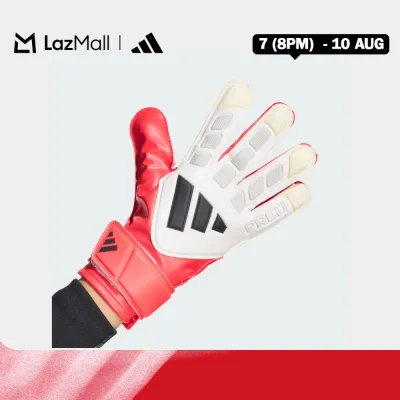
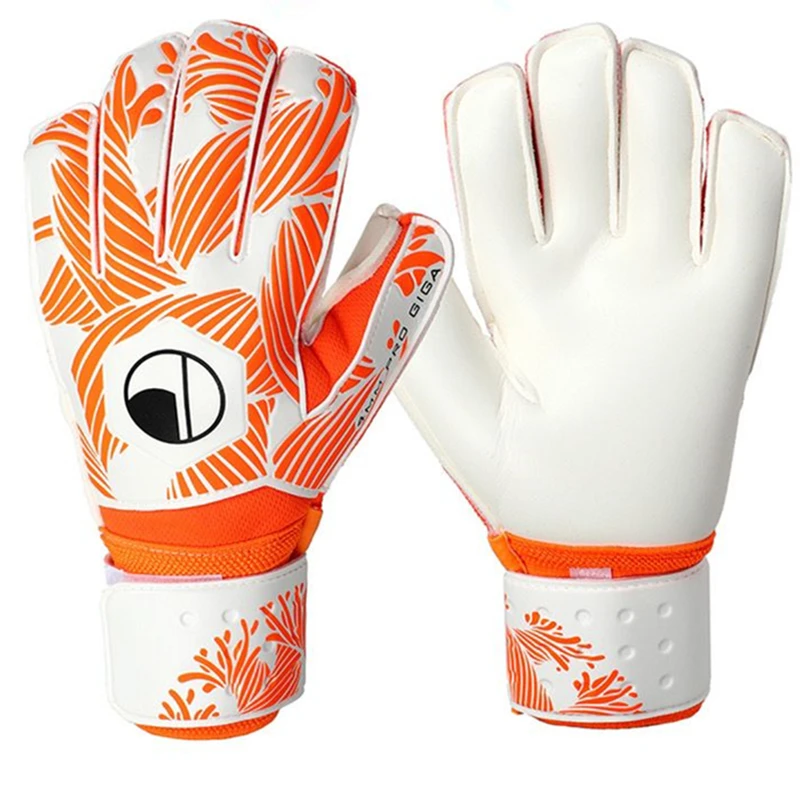
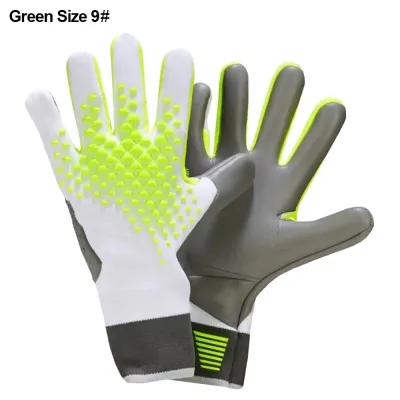
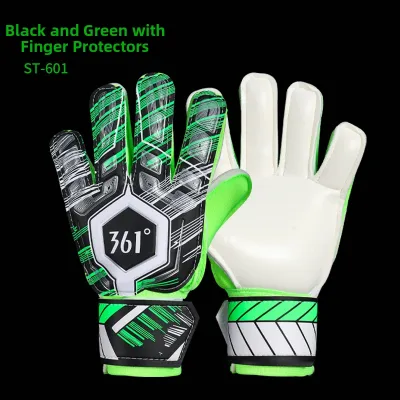
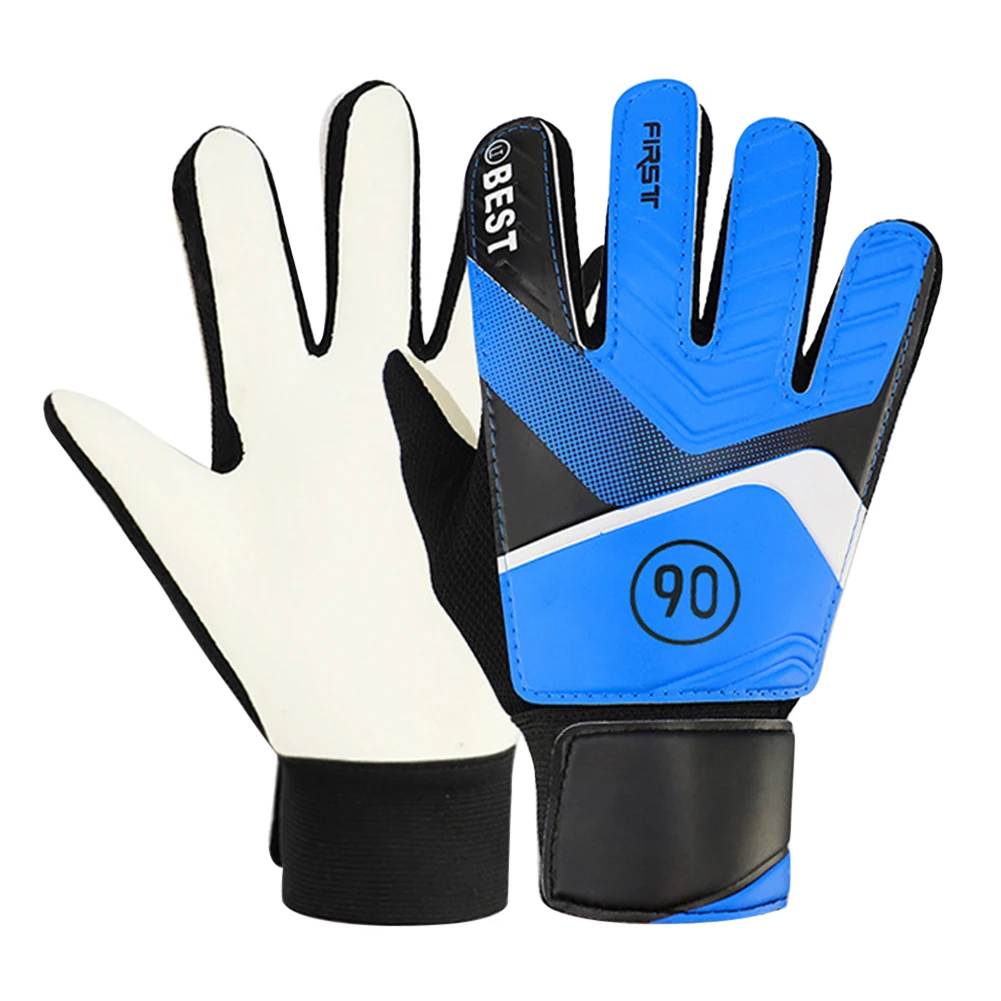
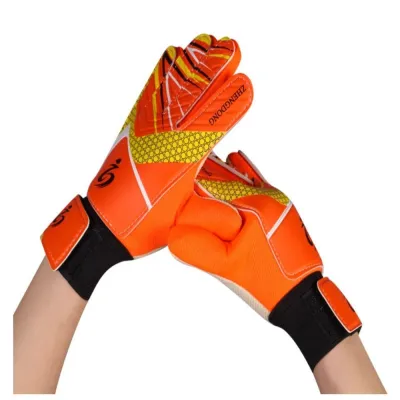
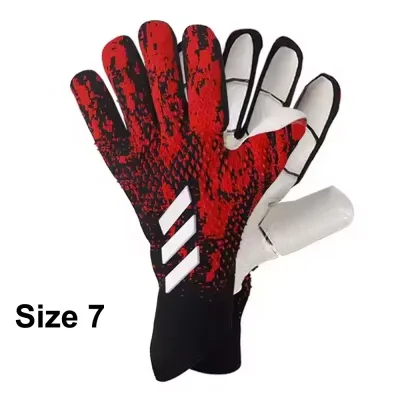
Prices are valid at publication and may change. Please refer to the product page for the latest price.
In addition to the weather, the playing surfaces in Singapore heavily influence glove wear and tear. The vast majority of social, amateur, and school matches are played on artificial turf (3G or 4G pitches) or hard court futsal facilities rather than pristine natural grass. Artificial turf is highly abrasive. The synthetic blades and rubber infill generate significant friction and heat when you dive or push off the ground. This abrasive action can tear chunks out of soft, elite-grade match latex in a matter of minutes. Consequently, goalkeepers who play primarily on synthetic turf must prioritize durability, often opting for denser training latex formulations that can withstand repeated friction.
Furthermore, the intense heat in Singapore makes breathability a vital comfort and performance factor. Wearing thick, non-ventilated gloves during a midday match or a humid evening session leads to excessive hand sweating. This internal moisture not only causes your hands to slip inside the gloves, compromising your control, but also accelerates the breakdown of the inner linings and creates a breeding ground for bacteria and odor. When selecting gloves for local play, look for backhand designs that incorporate lightweight mesh, neoprene, or advanced knitted fabrics to facilitate continuous airflow and moisture-wicking.
Core Features: Grip, Protection, and Cut Styles
Understanding the technical anatomy of a goalkeeper glove allows you to match specific features to your playing style, skill level, and safety requirements. Every glove is a combination of three core elements: the palm latex, the finger protection system, and the cut style.

Palm Material and Grip
The palm is the most critical part of any goalkeeper glove, as it directly dictates your control over the ball. Goalkeeper glove palms are made from natural or synthetic latex blends, categorized by their grip-to-durability ratio. Soft, high-grip match latex (often referred to as Contact, Giga, or Supreme latex) offers unparalleled tackiness and shock absorption. However, this premium performance comes at the cost of durability; these palms are fragile and wear down quickly on rough surfaces.
Conversely, training latex (often labeled as Resistance or Hardground latex) is formulated with synthetic additives and a denser molecular structure. This makes the palm highly resistant to abrasion from artificial turf, though it offers noticeably less natural grip. Additionally, specialized wet-weather latex is engineered with highly porous structures that actively disperse water from the contact surface, maintaining reliable friction during heavy rain. Before using any new pair, always check the manufacturer’s care instructions, as many high-performance palms require a pre-wash to remove manufacturing preservatives and activate the grip.
Finger Protection Systems
Finger protection systems, commonly known as finger saves or spines, consist of lightweight plastic inserts running along the back of each finger. These spines are designed to bend forward to allow a natural fist but lock when bent backward, preventing hyperextension and dislocation when parrying hard, close-range shots. Many modern gloves offer removable spines, allowing players to customize their protection—for instance, keeping a spine only on a recently injured finger while maintaining maximum flexibility in the others.
While finger spines offer excellent structural protection, they come with a significant trade-off in terms of flexibility and ball feel. Spines restrict your fingers’ natural movement, making it harder to wrap your hands completely around the ball or make clean, soft catches. It is essential to remember that finger protection systems are safety aids and should not be used as a substitute for proper catching technique and hand conditioning. If you are recovering from a severe hand or finger injury, consult a qualified sports medical professional or physical therapist before returning to high-impact play.
Cut Styles and Fit
The “cut” of a glove refers to how the palm and backhand materials are stitched together, directly influencing the fit, feel, and amount of latex-to-ball contact.
- Flat Cut: This is the traditional, classic design featuring outer stitching and gussets. It provides a loose, roomy fit and a flat catching surface. While highly comfortable and forgiving for wider hands, it offers less latex contact around the sides of the fingers.
- Roll Finger Cut: In this style, the latex wraps completely around each finger, stitching directly to the backhand. This eliminates gussets and provides maximum latex-to-ball contact, offering a heavily cushioned, secure feel. However, the extra material makes the glove bulkier and warmer to wear.
- Negative Cut: Featuring internal stitching, this cut pulls the latex tight against your fingers for a snug, second-skin fit. It offers exceptional feel and responsiveness, making it highly popular among modern keepers. The tight fit means there is minimal internal finger slippage, though the exposed seams on the outer edges can wear out faster if they repeatedly scrape against abrasive turf.
- Hybrid Cut: This design combines multiple cuts (such as roll finger on the outer fingers and negative cut on the middle fingers) to offer a balance of tight fit and maximized grip surface.
When choosing a cut, consider your hand shape; players with slender hands often benefit from the snug fit of a negative cut, while those with wider hands may find flat or roll cuts more comfortable.
Best Glove Categories for Match Day and Training
To balance performance and budget, many goalkeepers maintain a two-glove system: a high-grip pair reserved strictly for match days and a durable, heavy-duty pair for regular training sessions.
High-Grip Match Gloves
Match gloves are engineered for peak performance when every save counts. They feature thick, premium German latex (typically 3.5mm to 4mm) that provides outstanding shock absorption and a suction-like grip on the ball. These gloves are ideal for competitive 11-a-side matches played on high-quality natural grass or well-maintained, modern 4G artificial pitches.
Because match latex is highly soft and porous, it is incredibly delicate. Even minor contact with a rough surface or pushing off the ground with an open palm can tear the latex. To maximize their lifespan, reserve these gloves strictly for official games. Avoid wearing them during extensive pre-match warm-ups or casual kickabouts on abrasive surfaces, and ensure you follow a strict cleaning routine immediately after the final whistle.
Heavy-Duty Training Gloves
For daily training, goalkeeper clinics, and casual matches on abrasive local pitches, heavy-duty training gloves are the practical choice. These gloves utilize denser, reinforced latex blends designed specifically to withstand repeated abrasion from synthetic turf, hard courts, and dry, patchy grass.
In addition to durable palms, training gloves often feature reinforced wear patches on the heel of the palm—the area most prone to tearing when a goalkeeper dives and lands. The backhands are typically constructed with robust materials and integrated mesh panels to ensure durability while maintaining adequate ventilation in Singapore’s heat. While these gloves require more precise hand positioning to secure clean catches due to their reduced natural tackiness, they are excellent for developing and refining proper catching mechanics.
Finger-Save and Junior Gloves
Junior keepers and beginners require gloves that support their development while protecting their growing hands. Gloves equipped with finger-save systems are highly recommended for younger players who are still mastering catching techniques and may lack the hand strength to absorb the impact of hard shots safely.
When selecting gloves for junior players, proper sizing is paramount. Parents often make the mistake of purchasing oversized gloves, operating under the assumption that the child will “grow into” them. However, oversized gloves compromise safety; the finger spines will not align correctly with the child’s joints, and the excess material at the fingertips will cause the hand to slide inside the glove, leading to poor ball control and an increased risk of finger sprains. Always refer to the manufacturer’s sizing guidelines to ensure a snug, secure fit that allows the finger protection system to function as intended.
Sizing Guide and Maintenance for Humid Climates
Achieving the correct fit and maintaining your gloves properly are the two most effective ways to ensure optimal performance and extend the lifespan of your gear in Singapore’s tropical climate.
To find your correct glove size, follow these step-by-step measurement instructions:
- Measure Hand Length: Use a flexible measuring tape to measure from the tip of your middle finger down to the base of your palm, right at the main wrist crease.
- Measure Hand Width: Wrap the measuring tape around the widest part of your palm, just below your knuckles, excluding your thumb.
- Consult the Sizing Chart: Compare your measurements against the specific sizing chart provided by the glove manufacturer, as sizing standards can vary slightly between different brands.
- Allow for Clearance: As a general rule, goalkeeper gloves should have approximately 0.5 to 1 centimeter of clearance at the tips of the fingers. This small gap prevents your fingers from putting excessive pressure on the seams, reducing the risk of blowouts during intense play.
Once you have the right size, proper post-match maintenance is essential to prevent the natural latex from drying out and crumbling. Sweat contains salts and acids that, along with dirt and pitch debris, rapidly clog the pores of the latex, causing it to lose its grip and become brittle.
- Wash Promptly: Wash your gloves as soon as possible after every use. Run lukewarm water over the palms and gently massage away dirt and sweat using your hands.
- Use Gentle Cleansers: For thorough cleaning, use a specialized goalkeeper glove wash or a mild, pH-neutral soap. Always check the manufacturer's care instructions for any specific restrictions regarding cleaning agents. Never use harsh household detergents, bleach, or abrasive brushes, as these will permanently ruin the delicate latex.
- Squeeze, Do Not Wring: Gently press the gloves between your hands or a clean towel to remove excess water. Do not wring, twist, or squeeze the gloves aggressively, as this can tear the latex and rupture the internal stitching.
- Dry Safely: Hang the gloves to dry in a cool, well-ventilated indoor area away from direct sunlight, heaters, or air conditioning vents. Singapore's high humidity means drying can take time, but attempting to speed up the process using hair dryers or direct sunlight will cause the latex to dry out, crack, and lose its grip permanently. To accelerate drying safely, insert rolled-up newspaper or small, dry hand towels inside the gloves to absorb internal moisture.
- Store Correctly: Once dry, store your gloves in a cool, dark gear bag or drawer. Never store them with the palms touching each other; the latex can stick together and tear when peeled apart. Use a sheet of plastic wrap or a specialized glove bag with internal dividers to keep the palms separated.
Where to Buy and How to Verify Authenticity
To ensure you are purchasing genuine, high-quality goalkeeper gloves that offer real protection and grip, it is crucial to buy through authorized and reputable channels.
Whenever possible, purchase your football gloves from specialized local football retail shops, official physical brand stores, or authorized online sports distributors. Buying from a physical store offers the invaluable advantage of trying on different sizes, cuts, and brands to find the exact fit for your hand shape before committing to a purchase.
Be highly cautious of unverified third-party sellers on general online marketplaces or e-commerce platforms offering premium match gloves at suspiciously low prices. If a glove that typically retails for S$120 to S$180 is listed for S$30, it is almost certainly a counterfeit. Counterfeit gloves are typically manufactured using cheap synthetic rubber rather than genuine natural latex. While they may look identical to the real product, they offer virtually zero grip on the ball, lack proper shock absorption, and will degrade or tear after just one or two uses.
When your gloves arrive, perform these quick checks to verify their authenticity:
- Inspect the Packaging: Genuine gloves come in high-quality, branded packaging, often accompanied by official care instructions, authenticity tags, or holographic labels.
- Examine the Latex: Feel the palm latex. Genuine goalkeeper latex is soft, flexible, and has a natural, slightly tacky texture. Counterfeit synthetic rubber feels stiff, smooth, plasticky, and often carries a strong, unpleasant chemical odor.
- Check the Seams: Inspect the stitching along the fingers and wrist strap. Genuine gloves feature precise, tight, and consistent stitching, whereas counterfeits often have loose threads, uneven seams, or visible glue residue.
- Review the Return Policy: Before finalizing your purchase, ensure the retailer has a clear, fair return and exchange policy. This protects you in case the gloves do not fit correctly or if you detect a manufacturing defect upon unboxing.
Frequently Asked Questions (FAQ)
How long should a pair of goalkeeper gloves last?
The lifespan of goalkeeper gloves depends heavily on the type of latex, the playing surface, your playing frequency, and how well you maintain them. A pair of elite match gloves used strictly on natural grass may last between 10 to 15 competitive matches before the grip begins to noticeably decline. In contrast, a pair of heavy-duty training gloves used on abrasive artificial turf can last several months to a full season, provided they are washed regularly and stored correctly. To maximize your investment, avoid using your match-day gloves for training drills.
Should I wet my gloves before a match?
Yes, lightly dampening the palms of your goalkeeper gloves with clean, lukewarm water before warm-ups and kickoff is highly recommended. This moisture activates the natural latex, making it softer, more flexible, and significantly tackier, which improves your overall grip and shock absorption. However, avoid soaking the gloves completely, as excess water will saturate the foam, making the gloves heavy and causing the ball to slip. Never use saliva to dampen your gloves; saliva contains digestive enzymes and bacteria that break down the organic compounds in natural latex over time, accelerating its degradation.
Community discussion
Share your experience or ask a question. Comments are reviewed before publication.