
When you step onto the putting green at a Singapore golf course, whether you are tackling the public holes at Mandai or enjoying a round at a premium club, keeping proper etiquette is key to a smooth game. A golf ball marker is one of the smallest yet most essential accessories in your golf bag. For beginners, choosing the right marker is not about finding the most expensive or flashiest design; it is about finding a functional tool that helps you mark your ball’s position clearly, stays secure during play, and fits your budget.
Navigating the rules and etiquette of golf can feel overwhelming when you are first starting out. A reliable ball marker ensures you do not interfere with other players’ lines of play while allowing you to lift and clean your ball when on the green. By understanding the key features of beginner-friendly markers, you can make an informed choice that enhances your confidence on the course.
What to Look for in a Beginner-Friendly Golf Ball Marker
When evaluating different golf ball markers, several practical factors should guide your decision. Novice golfers often make the mistake of choosing a marker based solely on aesthetics, only to find it impractical during a real round. Focusing on visibility, ease of handling, durability, and budget will help you filter out overly complex options.
Products mentioned in this guide
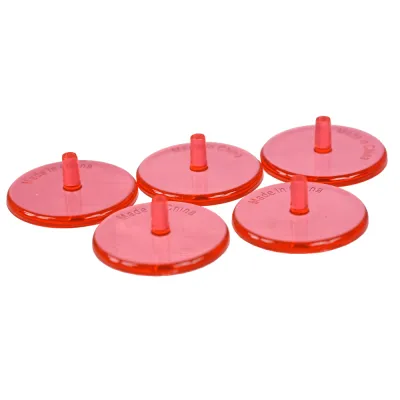
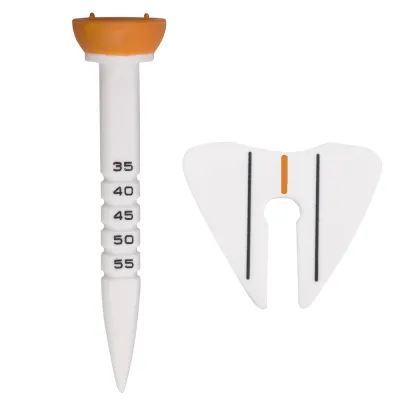
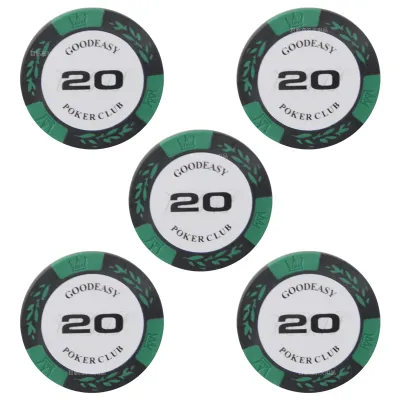
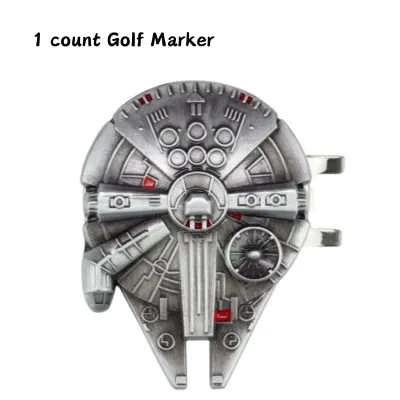
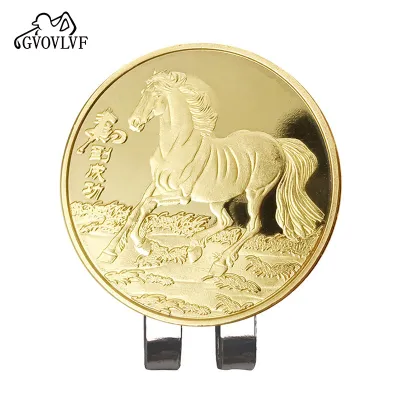
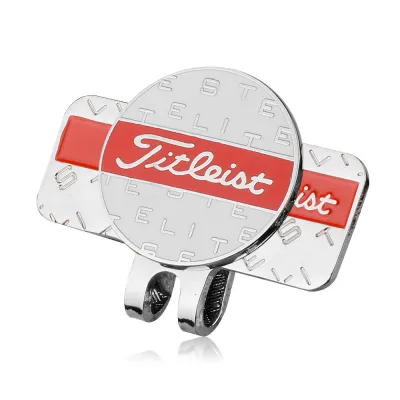
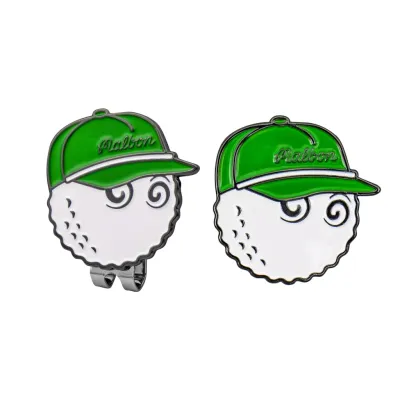
Prices are valid at publication and may change. Please refer to the product page for the latest price.
Visibility and Size When playing under the bright Singapore sun or during overcast afternoons before a tropical downpour, visibility on the green is paramount. Beginners often struggle to relocate their marked position if the marker is too small or blends into the grass. Look for high-contrast colors like bright yellow, neon pink, or polished enamel designs. The size should be roughly the diameter of a standard coin—large enough to spot from several meters away but not so large that it distracts or physically interferes with another player’s line of putt.
Ease of Handling Golf requires focus, and fumbling around in your pockets for a tiny disc every time you reach the green can disrupt your pre-putt routine. Beginners benefit greatly from markers that are easy to access and handle. Secure storage options, such as magnetic attachments, keep your marker readily accessible. If you have sweaty hands due to Singapore’s humid climate, a marker with textured edges or a raised profile will be much easier to pick up from the closely cropped turf.
Durability and Material The tropical climate in Singapore introduces unique challenges for golf gear. High humidity and sudden rain showers mean that cheap, poorly plated metal markers can rust quickly. Hard plastic, high-quality stainless steel, and rust-resistant enamel are the preferred materials. Your marker will inevitably be stepped on, dropped, and scraped against clubs in your bag, so choosing a material that resists chipping and corrosion ensures it remains usable for many rounds.
Budget-Friendliness As a novice player, your initial budget is better spent on lessons, green fees, and basic clubs rather than luxury accessories. A standard, highly functional golf ball marker should cost between S$5 and S$20. Many excellent options are sold in multi-packs, which offer great value since losing a marker or two is a common rite of passage for beginners. Avoid high-end novelty or custom-engraved markers until you have established your on-course preferences.
Top Types of Golf Ball Markers for Novice Players
Understanding the distinct categories of ball markers available in the market will help you choose the best fit for your playing style. Each type offers specific functional advantages, ranging from convenience to active alignment assistance.

Magnetic Hat Clip Markers (Best for Convenience)
This system consists of two parts: a metal clip that slides onto the brim of your golf cap, visor, or even the edge of your belt, and a separate metal or magnetic disc that serves as the actual marker. The disc snaps securely onto the clip using magnetic force, keeping it right at eye level and within arm’s reach throughout your round.
The primary advantage of a magnetic hat clip is convenience. You do not have to dig through your pockets, potentially pulling out tees, coins, or lint along with your marker. This keeps your pockets clear and speeds up play, which is highly appreciated by your playing partners. It also drastically reduces the chance of misplacing the marker on the fairway.
However, there are a few limitations to keep in mind. If the magnet is weak, a sudden swing or brushing against a tree branch can knock the marker loose. Additionally, caps with exceptionally thick or curved brims may prevent the clip from sliding on smoothly, which can bend the clip or damage the hat fabric over time.
Before buying, use this quick checklist to ensure quality:
- Test the magnetic pull: Ensure the disc snaps back with a reassuring click and does not slide around easily when touched.
- Verify clip tension: Look for a clip with a tight, springy grip that will not slip off your hat during a swing.
- Assess contrast: Choose a disc design with high-contrast colors so it is easily visible against the green grass from a distance.
Alignment Line Markers (Best for Putting Practice)
Alignment line markers are designed to help you aim your putts more accurately. These tools often feature a physical alignment line or arrow printed directly on the marker itself. Some models also double as a stencil, allowing you to place your golf ball inside a plastic cradle and draw a straight line directly onto the cover using a permanent marker.
For beginners, green reading and alignment are some of the hardest skills to master. An alignment marker allows you to align the line on the marker with your intended target path, and then place your ball so its drawn line matches up perfectly. This visual aid builds a consistent pre-putt routine, giving you more confidence that your putter face is aimed correctly before you make your stroke.
The main drawback is that it requires a bit of preparation. You must take the time to mark your golf balls with a permanent marker beforehand. Some players find the extra lines on the ball visually distracting, and if the ink is not completely dry, it can smudge onto your putter face or the clubhead.
When selecting an alignment marker, consider these factors:
- Check stencil fit: Ensure the curved slot matches the standard diameter of a golf ball so your drawn lines are perfectly straight.
- Select quick-drying ink: Always use a high-quality, waterproof permanent marker to prevent smudging on the golf green.
- Opt for clear markings: Choose a marker with a bold, distinct line that is easy to align with the markings on your putter.
Divot Tool and Marker Combos (Best Overall Value)
This 2-in-1 tool combines a standard pitch mark repair tool (used to fix the indentations your ball makes when landing on the green) with a magnetic ball marker nestled into a recessed slot on the handle. It is a staple accessory for any golfer who wants to maintain the course and keep their gear organized.
From a value perspective, this combo is hard to beat. Instead of carrying a separate divot tool and a loose marker, you have both essential items in one compact device. Using this tool also helps build good course etiquette early on, as repairing your pitch marks is a fundamental responsibility of every golfer on Singapore’s well-maintained courses.
Because it serves two purposes, these tools can sometimes be bulkier and heavier in your pocket than a simple flat marker. If you happen to lose the divot tool, you also lose your ball marker, which can be frustrating mid-round.
Keep these tips in mind when shopping for a combo tool:
- Choose sturdy metal prongs: Avoid flimsy plastic divot tools, as Singapore's clay-heavy soil can be tough to pry open, especially during dry spells.
- Inspect the magnet pocket: Ensure the magnet is recessed deeply enough so the ball marker sits completely flush with the handle, preventing it from catching on your pocket lining.
- Verify weight: Pick a lightweight metal alloy like aluminum or titanium so it does not feel excessively heavy in your pockets.
Where to Buy Golf Ball Markers in Singapore
Finding the right golf ball marker in Singapore is straightforward, as there are several reliable physical and digital channels available. Each option offers distinct benefits depending on whether you prefer to inspect the product in person or browse a wider selection online.
Local Golf Pro Shops and Retailers Physical golf retail outlets, such as those located around Queensway Shopping Centre or the pro shops at local golf clubs like Mandai Golf Club and Sentosa Golf Club, are excellent places to start. Visiting a physical store allows you to touch the materials, test the strength of magnetic clips, and see the true color and size of the markers in person. Staff at these specialty shops can also offer tailored advice based on where you plan to play.
Sporting Goods Stores Major multi-sport retail chains located in popular shopping malls across Singapore often carry a reliable selection of basic golf accessories. These stores are highly accessible and typically offer affordable starter sets that include a marker, a divot tool, and a few tees for a very reasonable price.
Online Marketplaces For a wider variety of designs, bulk packs, or budget-friendly options, reputable online marketplaces and e-commerce platforms are excellent resources. Buying in bulk is highly recommended for beginners, as it ensures you always have a spare marker in your bag when one inevitably goes missing.
Buying Safely Online When purchasing accessories online, always check the seller’s ratings and read customer reviews carefully. Pay close attention to feedback regarding magnet durability and clip tension, as these are the most common points of failure for cheaper products. Additionally, verify the seller’s return policy and shipping times to ensure your items arrive before your next scheduled tee time.
How to Mark Your Ball Correctly and Avoid Penalties
Using your ball marker correctly is not just about etiquette; it is also about adhering to the official Rules of Golf to avoid unnecessary penalty strokes. Understanding the proper procedures will help you feel more confident and relaxed when playing with more experienced golfers.
The Standard Procedure To mark your ball correctly under the Rules of Golf, you must place your ball marker directly behind the ball (on the side opposite your target line). Once the marker is flat on the ground, you may lift your ball. This is an excellent opportunity to clean any mud or grass off your ball. When it is your turn to play, replace the ball exactly in front of the marker, returning it to its original position, and then lift the marker before making your stroke.
Moving the Marker Occasionally, your ball marker might lie directly in the line of another player’s putt. If they ask you to move it, you should align your putter head with a fixed target in the distance (such as a tree or a hazard marker), place the heel of your putter next to your marker, and move the marker to the toe of your putter. You can repeat this process for multiple putter lengths if necessary. Once your partner has putted, remember to reverse the exact steps to place your marker back in its original spot before replacing your ball.
Accidental Movement A common fear for beginners is accidentally moving the ball or the marker while marking or cleaning. Under the current Rules of Golf, if you accidentally move your ball or ball marker on the putting green while trying to mark or lift it, there is no penalty. Simply replace the ball or marker back in its original position and continue play.
Forgetting the Marker Always double-check that you have picked up your ball marker before making your putt. Playing a stroke with your marker still on the green, or failing to replace the ball in its exact original spot, can result in a penalty under the rules. Developing a consistent, calm routine on the green will help you avoid these simple mistakes.
Frequently Asked Questions (FAQ)
Can I use a regular coin instead of a dedicated ball marker?
Yes, the Rules of Golf allow the use of small coins, such as a Singapore 10-cent or 20-cent coin, as a ball marker. While coins are free, readily available, and easy to replace, they do have distinct drawbacks. They are often less visible on lush green grass, can easily slip out of your pocket unnoticed, and if left behind on the green, they can damage the blades of the golf course’s specialized lawnmowers.
What should I do if my ball marker sticks to my putter or shoe?
Highly magnetic markers can sometimes stick to the steel face of your putter or the magnetic metal cleats on certain golf shoes. If this is a frequent issue, you can apply a small piece of clear tape over the magnet to slightly reduce its attraction, or switch to a non-magnetic drop-in marker. If your marker is accidentally moved because it stuck to your putter during the marking process, remember that there is no penalty; simply place it back in its original position.
Community discussion
Share your experience or ask a question. Comments are reviewed before publication.