
Finding the right golf ball picker as a beginner in Singapore comes down to balancing reach, weight, and weather resistance. With local courses and driving ranges experiencing high humidity and sudden downpours, a reliable retriever saves you from physical fatigue and keeps your game moving smoothly. Instead of bending down constantly during practice sessions or risking a slip near water hazards, a well-chosen picker acts as a seamless extension of your gear. By focusing on simple mechanical designs, comfortable grips, and compact collapsed lengths, you can find an option that fits securely into your golf bag and enhances your overall playing experience.
Why Beginners Need a Dedicated Golf Ball Picker
Maintaining a steady pace of play is one of the first rules of golf etiquette that beginners must learn. When you are searching for a stray ball in the rough or near a hazard, spending too much time bending down and searching can delay the players behind you. A dedicated golf ball picker allows you to quickly reach into bushes, shallow water, or thick grass to retrieve your ball without disrupting the flow of the game. This efficiency keeps your rounds enjoyable for both you and your playing partners.
Physical comfort is another major factor, especially during long practice sessions on the putting green or chipping area. Constantly bending over to pick up dozens of practice balls puts repetitive strain on your lower back and knees. Over time, this unnecessary fatigue can negatively impact your posture and swing mechanics. Using a retriever allows you to collect your golf balls while remaining upright, preserving your energy and focus for your actual shots.
Products mentioned in this guide
![[SG 🚚] Telescopic Golf Ball Retriever Stainless Extendable Telescopic Golf Ball Picker Claw Sucker Tool Non-Slip Handle Golf Ball Pick](https://img.lazcdn.com/g/p/398c9ac254a19a70a810e3430cfc27ff.jpg_400x400q80.jpg_.webp)
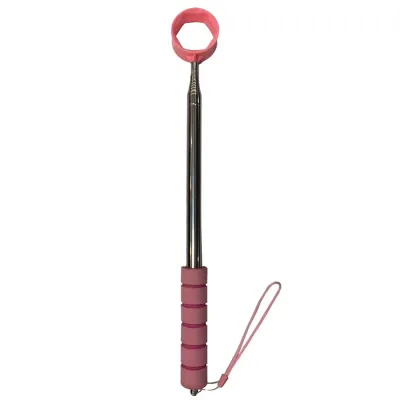
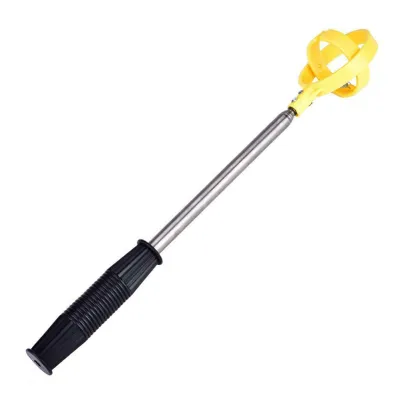
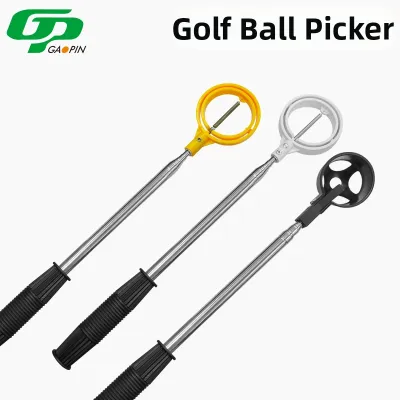
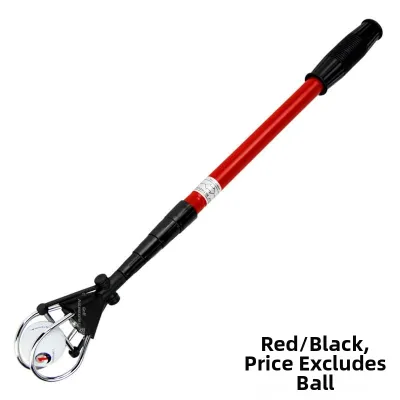
Prices are valid at publication and may change. Please refer to the product page for the latest price.
Additionally, Singapore’s tropical climate means courses are often damp, particularly during early morning tee times when dew is heavy, or after afternoon showers. Retrieving balls by hand in these conditions leaves your fingers covered in wet grass, mud, or chemical fertilizers used on the turf. A picker keeps your hands dry and clean, ensuring you maintain a secure, slip-free grip on your clubs throughout your round.
Key Features to Look for in a Beginner-Friendly Picker
When selecting your first golf ball picker, the shaft material is a critical starting point because it directly affects both weight and durability. Aluminum and fiberglass are the most common materials used for telescopic shafts. Aluminum offers a lightweight feel that prevents arm fatigue when fully extended, while high-quality fiberglass provides excellent flexibility and resistance to bending. Beginners should look for a balance where the shaft feels sturdy enough not to wobble excessively when extended to its maximum length.

The grip is your primary point of contact, making ergonomics and texture highly important. A rubberized or textured synthetic grip prevents the tool from slipping out of your hands, especially when your palms are sweaty or during sudden rain showers. Look for contoured handles that fit naturally in your palm, reducing the amount of squeeze pressure required to hold the tool steady.
The retrieval mechanism at the tip must be reliable and easy to operate without complex maneuvers. Whether you choose a spring-loaded claw, a plastic cup, or a magnetic tip, the mechanism should secure the ball on the first try. For spring-loaded designs, check that the tension is firm enough to hold the ball’s weight but flexible enough to release it easily into your hand. If you opt for a magnetic system, ensure the magnet is strong enough to lift the ball through grass resistance.
Finally, consider how the picker will fit into your golf bag. A picker that is too long when collapsed will awkwardly stick out, potentially tangling with your clubs or violating bag size limits on local transport. Measure the depth of your golf bag’s side pockets or dedicated umbrella holder, and compare these dimensions to the collapsed length of the picker before making a purchase. A compact collapsed length of under 50 centimeters is generally ideal for easy storage.
Types of Golf Ball Pickers: Which Style Suits You?
Golf ball pickers come in several distinct designs, each tailored to different playing habits and physical preferences. Choosing the right style depends on whether you need maximum reach for course hazards, high-capacity collection for practice greens, or a compact tool for quick retrievals. Understanding the trade-offs between reach, weight, and speed will help you select the most practical option for your routine.
Telescopic Pickers with Claw or Cup Mechanisms
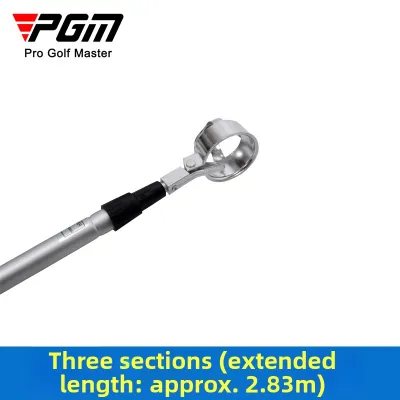
Telescopic retrievers are the most popular choice for general course play because of their impressive reach. These tools typically feature an extendable shaft that can reach several meters, allowing you to retrieve balls from water hazards, deep bunkers, or thick undergrowth without stepping off the fairway. The two main head designs are spring-loaded claws and simple cup or suction mechanisms.
Spring-loaded claws use a mechanical trigger or tension wire that snaps shut around the ball when pressed down. This design is highly secure, making it difficult for the ball to fall out during retrieval. In contrast, cup or suction designs require you to place the cup over the ball and apply gentle pressure to trap it. While cups have fewer moving parts to maintain, they can sometimes struggle to grip balls covered in thick mud or algae.
The primary trade-off with telescopic pickers is weight versus reach. As you extend the shaft to its maximum length, the tool becomes significantly heavier at the tip, requiring more physical effort to control. Beginners should look for models with smooth locking joints that secure each section firmly, preventing the shaft from collapsing unexpectedly while you are reaching for a ball.
Rolling or Push Pickers
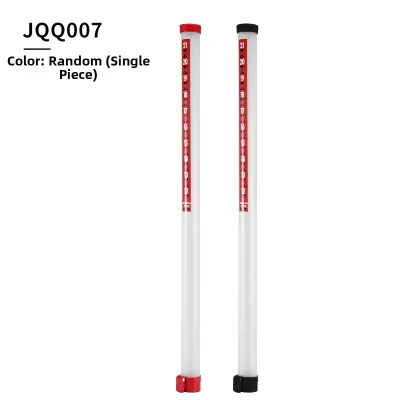
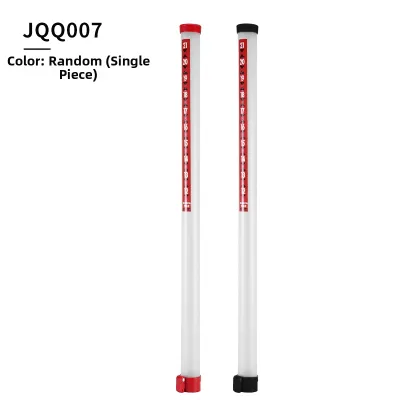
Rolling or push pickers are designed primarily for practice sessions rather than active rounds on the course. These tools feature a wire cage or a long tube with a one-way bottom valve. As you roll or push the device over golf balls on the ground, they are forced inside the collection chamber without requiring you to bend down at all.
These pickers offer high ball capacity, often holding dozens of balls at once, making them highly suitable for backyard practice or dedicated chipping greens. However, they are generally unsuitable for rough terrain, sand traps, or water hazards, as the rolling mechanism requires a relatively flat, firm surface to function properly.
Because of their larger size, rolling pickers do not fit into standard golf bag pockets. Instead, they often come with specialized clips or straps to attach to the outside of a golf cart or push cart. When evaluating these models, check how easy it is to empty the collection tube; some designs feature a quick-release top cap, while others require you to manually spread the wires to let the balls fall out.
Pocket-Sized or Magnetic Pickers
For players who want a minimalist solution, pocket-sized or magnetic pickers offer excellent convenience. These compact tools often attach directly to the grip end of your putter or slip easily into your pocket. Magnetic pickers work in tandem with specialized metal-core golf balls or small metallic markers attached to the ball, allowing you to lift the ball simply by touching it with the end of your club.
While highly convenient for retrieving balls from the cup on the putting green, magnetic systems have clear physical limitations. They require a clean, direct contact point, meaning their effectiveness drops significantly when the ball is covered in wet grass, mud, or water. Additionally, they offer virtually no extended reach, making them useless for retrieving balls from hazards or deep rough.
If you choose a pocket-sized mechanical picker, look for lightweight plastic or silicone models that clip onto your belt or bag. These tools are excellent for quick, close-range retrievals but should be viewed as a supplement to, rather than a replacement for, a full-length telescopic retriever.
How to Evaluate Durability and Grip in Singapore's Climate
Singapore’s year-round high humidity, intense heat, and frequent rain showers present a challenging environment for golf equipment. To ensure your golf ball picker lasts for multiple seasons, you must carefully evaluate how its materials and moving parts handle moisture and sweat.
First, inspect the shaft and joint materials for rust and corrosion resistance. Stainless steel and anodized aluminum are highly recommended, as they resist oxidation when exposed to water and humid air. Avoid cheap, untreated metals that can quickly rust, causing the telescopic joints to seize up and become impossible to extend or collapse. If the picker uses plastic joints, ensure the plastic is UV-resistant so it does not become brittle and crack under the intense tropical sun.
Next, assess the grip material for wet-weather traction. Foam grips tend to absorb water and sweat, which can lead to mold growth and a slippery feel over time. Instead, opt for high-density rubber or thermoplastic elastomer (TPE) grips with deep channels or textured patterns. These materials shed water quickly and provide a secure hold even when your hands are wet from rain or perspiration.
Finally, pay close attention to the moving parts, such as springs, hinges, and locking collars. These components are highly susceptible to trapping moisture and fine sand particles from bunkers. Look for designs where the springs are enclosed or made from marine-grade stainless steel. Inspecting these areas for tight seals and smooth operation before purchase will save you from mechanical failures on the course.
Where to Buy and What to Verify Before Checkout
When you are ready to purchase a golf ball picker, you have the choice between visiting local physical pro shops in Singapore or browsing online marketplaces. Physical stores allow you to handle the product directly, which is highly beneficial for testing the weight and build quality. However, online marketplaces often offer a wider selection of brands and competitive pricing.
If you choose to buy online, pay close attention to the seller’s warranty and return policies. Because telescopic shafts have multiple moving parts, they can occasionally suffer from manufacturing defects or damage during shipping. Ensure the retailer offers a clear return window or a warranty that covers joint failure or mechanical issues.
Before finalizing your purchase, verify the collapsed dimensions of the picker against your specific golf bag. Measure the depth of the pocket or compartment where you plan to store the tool. A picker that is even a few centimeters too long can prevent your bag’s zippers from closing or interfere with your clubs, leading to unnecessary frustration on the course.
If you are buying from a physical store, take the time to test the deployment and retraction mechanism. Fully extend the shaft and check for any sticking, grinding, or loose sections. Shake the extended tool gently to ensure the locking collars hold firmly under movement. Testing these features in-person ensures you walk out with a reliable tool that will perform consistently during your rounds.
Frequently Asked Questions (FAQ)
Can a golf ball picker damage the surface of my golf balls?
Most modern golf ball pickers are designed with soft materials to prevent cosmetic or structural damage to your balls. Rubber cups and silicone suction heads are safe, as they apply gentle, even pressure to grip the ball. Metal claws and spring-loaded wire mechanisms can occasionally scuff the outer cover of a ball if they are slammed down with excessive force or if the metal edges are sharp. To avoid scuffing, choose pickers with rubber-coated claws or smooth, rounded wire edges, and always apply gentle, controlled pressure when retrieving a ball.
How do I clean and maintain the moving parts of my picker?
Regular maintenance is essential to keep your picker operating smoothly, especially after playing on damp courses. After each round, wipe down the telescopic shaft with a clean, dry microfiber cloth to remove moisture, grass clippings, and sand. If the joints feel sticky, rinse them with clean tap water to flush out any trapped debris, then let the tool dry completely in a well-ventilated indoor area before collapsing it for storage. Avoid using heavy oils or lubricants on the joints, as these can attract dirt and cause the locking mechanisms to slip.
Are magnetic pickers strong enough for wet golf balls?
Magnetic pickers rely on a clean, dry connection between the magnet on your club and the metal plate or core of the ball. When a golf ball is wet, covered in mud, or buried in thick grass, the physical barrier reduces the magnetic attraction, making retrieval difficult or impossible. For reliable performance in Singapore’s damp conditions, a mechanical claw or cup retriever is generally a more practical choice, as these designs rely on physical grip rather than magnetic force to secure the ball.
Community discussion
Share your experience or ask a question. Comments are reviewed before publication.