
For beginner golfers in Singapore, building a consistent swing requires hitting hundreds of balls during practice sessions. However, the physical toll of constantly bending down to retrieve those balls can quickly lead to fatigue and interrupt your training rhythm. The best golf ball picker for a beginner is one that matches your primary practice venue: a rolling tube or cage picker works best on open grass fields, a telescopic suction-cup retriever is ideal for artificial driving range mats, and a putter-attached claw offers ultimate convenience for green-side putting practice. By selecting a picker that fits your routine, you can protect your lower back, maintain focus on your swing mechanics, and make your practice sessions much more efficient.
Why a Dedicated Ball Picker Matters for Beginners
When you first take up golf, your primary focus should be on mastering your posture, grip, and swing path. This requires high-volume repetition, often hitting dozens of balls in a single session at local practice facilities. Without a dedicated ball picker, retrieving these balls means repeatedly bending over, a motion that puts significant strain on your lower back and hamstring muscles. Over a long practice session, this repetitive bending causes physical fatigue, which directly compromises your posture and swing form during subsequent shots.
Using a ball picker transforms this chore into a seamless, upright task. Instead of breaking your stance and losing your physical alignment after every few shots, you can gather balls quickly while maintaining a neutral spine. This preservation of physical energy allows you to practice longer and with better focus.
Products mentioned in this guide
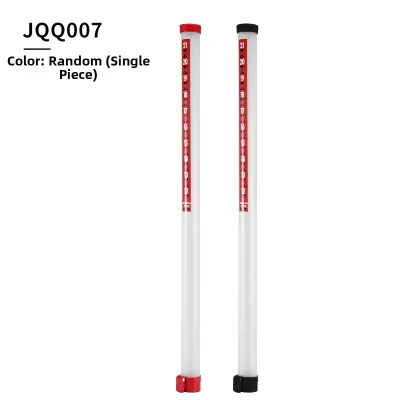
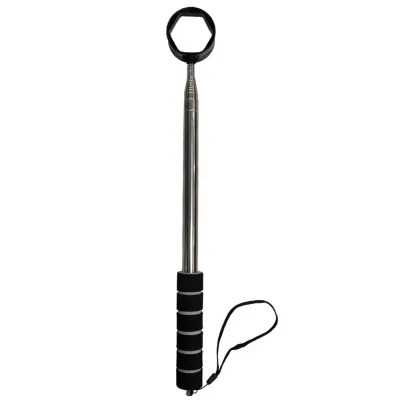
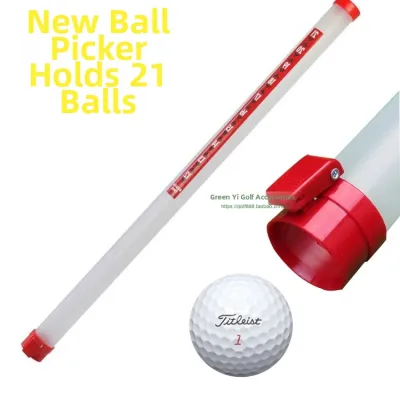
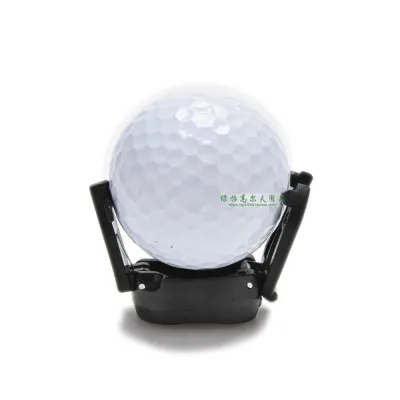
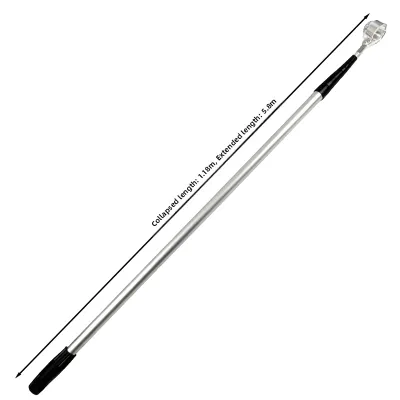
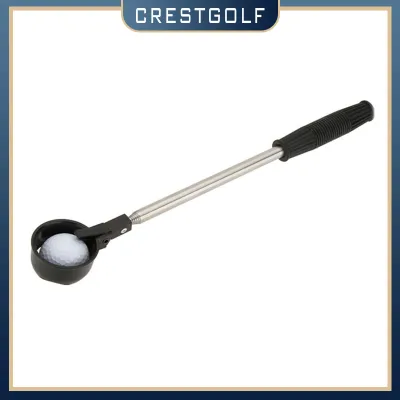
Prices are valid at publication and may change. Please refer to the product page for the latest price.
Additionally, keeping a steady rhythm is crucial for early muscle memory. When you have to stop, bend down, and manually collect balls, you disrupt your mental flow. A reliable picker keeps the transition between hitting and collecting smooth, helping you maintain a positive, focused mindset throughout your practice session.
Key Features to Look for in a Beginner-Friendly Picker
Selecting the right ball picker involves analyzing how the tool fits into your lifestyle, local climate, and training environment. For beginners in Singapore, several key specifications dictate whether a tool will be a helpful asset or a frustrating hindrance.

Ergonomics and Length
The primary goal of a ball picker is to eliminate bending. Therefore, the handle length must be appropriate for your height. Ideally, the picker should allow you to retrieve balls while standing completely upright, keeping your spine in a neutral position. Telescopic handles are highly beneficial as they can be adjusted to different heights and user preferences, ensuring that both taller and shorter golfers can use them comfortably without straining their backs.
Storage and Portability
Singapore’s urban living spaces, such as HDB flats and condominiums, often have limited storage. A bulky, non-collapsible picker can quickly become a storage nuisance. Look for compact, foldable, or telescopic designs that can slide into the side pocket of your golf bag or fit neatly on a small utility shelf at home. Portability also matters when traveling to and from the range via public transport or compact car boots.
Material and Rust Resistance
Singapore’s tropical climate features high humidity levels and frequent, sudden downpours. Equipment left in golf bags or car boots is highly susceptible to moisture damage. Choosing a picker made from rust-proof materials—such as anodized aluminum, stainless steel, or high-grade, UV-treated plastics—is essential. These materials resist corrosion and maintain their structural integrity even when exposed to damp grass and humid air.
Grip Comfort
Practicing in Singapore’s tropical heat means dealing with sweaty hands. A picker with a slippery handle can lead to dropped tools and hand fatigue. Look for non-slip, textured grips made from rubber, EVA foam, or sweat-resistant synthetic materials. A secure grip ensures you can operate the picking mechanism efficiently without having to squeeze the handle excessively.
Best Types of Golf Ball Pickers for Beginners
Different picker designs excel in specific environments. Understanding the strengths and limitations of each type will help you choose the one that aligns with your practice habits.
Rolling Tube Pickers (Cage/Roller Style)
Rolling tube or cage pickers feature a wire drum or a flexible plastic cage attached to a long handle. As you push or roll the device over golf balls on the ground, the wires flex open to let the balls inside and then spring back to trap them. This rolling mechanism is incredibly fast, allowing you to gather dozens of balls in a single sweep without stopping.
These devices are ideal for high-volume practice on flat, natural grass surfaces, such as public parks, dedicated grass practice areas, or large backyards with practice nets. However, they struggle significantly on uneven terrain, thick rough, or hard artificial driving range mats, where the balls cannot easily push past the wire barriers.
- Generic Wire Rolling Collector: Typically priced between S$45 and S$85, these devices feature a stainless steel wire cage with a capacity of 40 to 80 balls. They weigh around 1.2 to 1.8 kg when empty. Check local online marketplaces or specialty golf shops for stock, and verify if the manufacturer provides replacement wire kits.
- Telescopic Rolling Tube Picker: Priced around S$50 to S$90, these models offer an adjustable aluminum handle to save storage space. They are lightweight (around 1 kg) and hold approximately 50 balls. Ensure the locking mechanism on the telescopic handle is sturdy before purchasing.
Putter-Attached Claw or Pincer Pickers
If you want ultimate portability and do not want to carry an extra tool in your bag, putter-attached pickers are an excellent option. These small, lightweight attachments—often made of flexible plastic or rubber—snap securely onto the top end of your putter grip. To retrieve a ball, you simply flip your putter upside down and press the claw over the ball.
This style is perfect for green-side putting practice, casual chipping sessions, or golfers who travel light. Because they use your existing putter, they add virtually no weight to your bag. However, they have a very low capacity (holding only 1 to 3 balls at a time) and still require some physical movement, though far less than bending completely to the ground.
Before purchasing, check your putter manufacturer’s care instructions to ensure the attachment does not damage or permanently stretch custom grips.
- Rubber Suction Cup Putter Attachment: Usually priced between S$5 and S$12, these simple cups fit over standard putter grips. They use suction to lift the ball. Always check the diameter of your putter grip to ensure a snug fit, as oversized or flat-sided grips may not be compatible.
- Three-Pronged Plastic Putter Claw: Priced around S$8 to S$15, this mechanical claw uses small plastic fingers to grab the ball. It is highly durable but requires a firm push to engage. Verify that the attachment does not obstruct your view or balance when putting.
Long-Handled Cup or Suction Pickers
Long-handled cup pickers consist of a telescopic or fixed shaft with a suction cup or a small mechanical grabber at the end. You place the cup directly over a single ball and apply light downward pressure to secure it. Many models feature telescopic shafts that extend up to several meters, allowing you to reach balls in hard-to-access areas.
These are highly effective for driving ranges with artificial mats, retrieving balls from water hazards, or picking up balls from tight corners and under bushes. While they are highly precise and ergonomic, they are relatively slow for collecting large volumes of balls, as you must retrieve them one by one.
Because many long-handled retrievers feature aluminum or metal shafts, never use them near overhead power lines or during lightning storms—a frequent occurrence in Singapore. Stop practice immediately and seek shelter if lightning warnings are active at your facility.
- Telescopic Suction Retriever (3-Meter): Priced between S$25 and S$55, these retrievers are made of lightweight aluminum or fiberglass. They compress down to about 40 cm for easy storage. Look for models with a locking mechanism to keep the shaft secure when extended.
- Mechanical Claw Telescopic Picker: Priced around S$30 to S$60, these use a spring-loaded trigger or gravity-based claw to lock onto the ball. They are highly reliable on uneven surfaces but contain more moving parts that require regular maintenance.
Backpack or Basket Pickers
Backpack or basket pickers are high-capacity wire or mesh containers that you carry by hand or wear on your back. They feature a one-way entry gate at the bottom of a rigid tube. You press the tube down over each ball, forcing it up into the basket.
These are designed for golf coaches, caddies, or advanced players conducting massive ball-hitting sessions of 100+ balls. For most beginners, however, these baskets are overkill. They are bulky, heavy when filled, difficult to store in compact Singapore homes, and require significant physical effort to carry around.
- Rigid Wire Range Basket: Priced between S$35 and S$65, these baskets can hold 50 to 100 balls. They are durable but do not collapse, making them highly impractical for public transport or small car boots. Beginners should generally skip this category in favor of lighter, telescopic options.
How to Match Your Picker to Singapore Practice Environments
Your choice of ball picker should be directly influenced by where you plan to do most of your practice in Singapore.
Driving Range Mats
If you spend most of your time at driving ranges with artificial turf mats, a telescopic suction cup or a mechanical cup picker is your best choice. Rolling cages often slip on the smooth, hard surface of artificial mats because the balls sit flush against the ground, preventing the roller’s wires from getting underneath. A suction cup allows you to lift the ball cleanly off the mat without any sliding.
Public Grass Fields and Practice Greens
For those practicing on natural grass—such as the short-game practice areas at local courses or open public fields—rolling tube pickers are highly efficient. They glide smoothly over the grass blades, collecting multiple balls in seconds. Putter-attached claws are also excellent here for green-side putting practice, allowing you to clear the cup without bending.
Indoor Simulators and Nets
If you practice at home using an indoor net or visit indoor simulator cafes, space is at a premium. A long, non-collapsible picker can easily strike walls, light fixtures, or simulator screens. For these tight spaces, compact, short-handled cup pickers or putter-attached claws are ideal. They provide the necessary ergonomics without obstructing your indoor environment or risking damage to delicate simulator equipment.
How to Maintain Your Picker in a Humid Climate
Singapore’s high humidity and sudden rain showers can quickly degrade your golf equipment if it is not properly maintained. To ensure your ball picker remains functional and rust-free, follow these simple care steps:
Cleaning
After practicing on natural grass or outdoor ranges, your picker will likely accumulate mud, grass clippings, and abrasive driving range dust. If left on the device, this debris can jam mechanical joints, springs, and telescopic locking collars. Rinse the picker with clean tap water after use, paying close attention to any moving parts, hinges, or spring mechanisms. Always check the manufacturer’s care instructions before using any cleaning solvents.
Drying
Moisture is the primary cause of rust and corrosion, especially on metal springs, screws, and aluminum shafts. After rinsing or practicing in the rain, dry the picker thoroughly with a clean towel. For telescopic models, extend the shaft completely to ensure no trapped moisture remains inside the joints, which can cause the locking mechanisms to seize over time.
Storage
Store your ball picker in a dry, well-ventilated indoor area. Avoid leaving it in the boot of your car for extended periods, as temperatures inside a parked car in Singapore can exceed 60 degrees Celsius. This extreme heat, combined with trapped humidity, can cause plastic components to become brittle, degrade the adhesive on suction cups, and warp rubber grips. Keep it away from direct, prolonged sunlight to preserve the integrity of plastic and rubber parts.
Frequently Asked Questions (FAQ)
Can I use a rolling ball picker on artificial driving range mats?
Rolling ball pickers generally perform poorly on artificial driving range mats. Because the mats have a hard, flat backing, the golf balls sit flush against the surface. This makes it difficult for the flexible wires of a rolling cage to slip underneath the ball to collect it. For artificial mats, a telescopic suction cup or a mechanical cup picker is much more effective, as it lifts the ball directly from above.
Are putter-attached pickers allowed during official golf rounds?
While putter-attached pickers are excellent for practice sessions, using them during an official, rule-governed round may violate equipment rules. According to the Rules of Golf governed by the R&A, attaching external devices to a club that alter its playability or weight distribution can make the club non-conforming. If you plan to play in a tournament or an official handicap round, it is best to remove the attachment or check with the local tournament committee beforehand.
How do I fix a rolling picker that keeps dropping balls?
If your rolling picker is dropping balls, the most common cause is bent or misaligned wire cages. Over time, pushing the roller over hard objects can stretch or bend the metal wires, creating gaps that are wider than a standard golf ball. Carefully inspect the cage and gently realign any bent wires by hand to restore even spacing. If your model uses elastic tension bands, check for wear or dry rot and replace them according to the manufacturer’s instructions.
Community discussion
Share your experience or ask a question. Comments are reviewed before publication.