
Stepping onto a pristine putting green for the first time is one of the most rewarding moments for a new golfer. However, that pristine surface requires constant care to maintain its smooth, true-rolling characteristics. Whenever a golf ball lofted from an iron or wedge impacts the green, the force of the landing compresses the soil and displaces the turf, leaving an indentation known as a pitch mark or ball mark. If left unrepaired, these indentations die, turning into dry, brown blemishes that take weeks to heal and disrupt the putts of every player who follows.
Repairing these marks is a fundamental responsibility for all golfers, making a high-quality golf divot tool an essential first purchase for beginners in Singapore. While some local golf courses or driving ranges might provide basic plastic tools or wooden tees at the reception desk, these makeshift solutions often lack the structural integrity required to repair compacted soil effectively. Investing in a personal, durable divot tool from a reputable brand ensures that you can execute clean, damage-free repairs on the green, preserving the course and demonstrating respect for the game’s traditions.
Key Features to Look for in a Beginner-Friendly Divot Tool
Choosing your first divot tool involves understanding how different designs and materials interact with the turf and your personal carrying habits. A well-designed tool makes the repair process effortless, while a poorly constructed one can damage the grass roots or wear out after just a few rounds in Singapore’s challenging tropical climate.
Products mentioned in this guide
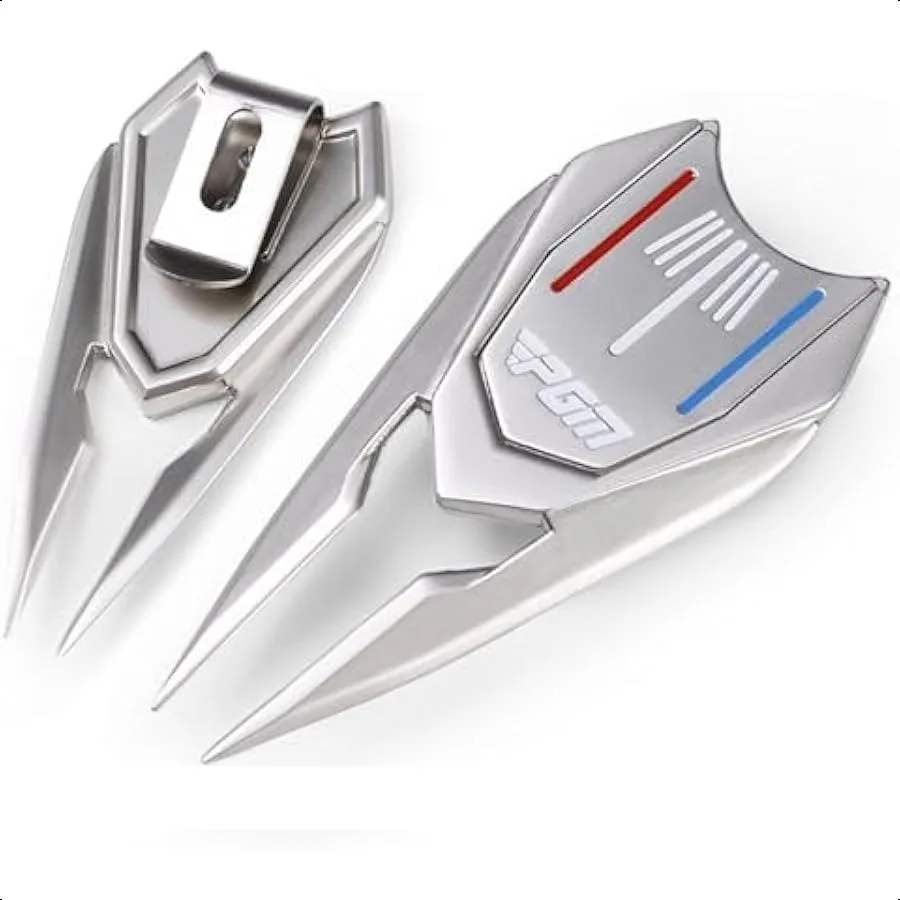
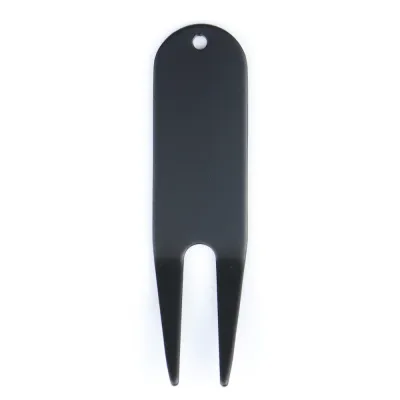
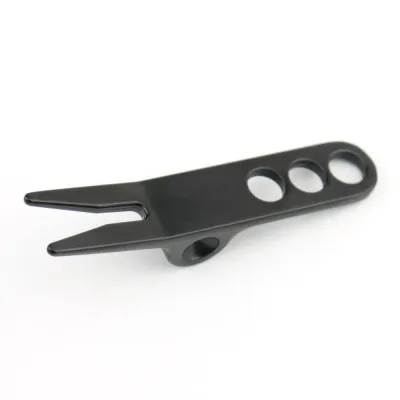
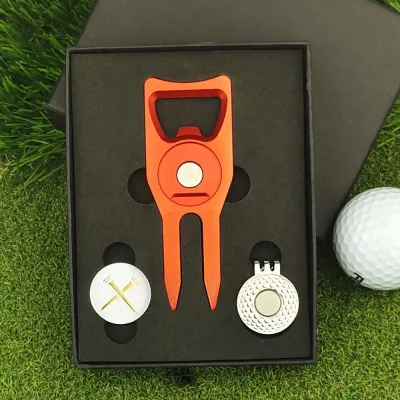
Prices are valid at publication and may change. Please refer to the product page for the latest price.
Prong Design and Climate-Resistant Materials
The classic two-prong design remains the industry standard for a reason. Two prongs provide the perfect balance of stability and leverage, allowing you to frame the compacted turf and gently push the soil back into place without tearing the delicate root systems of tropical grasses. Single-prong tools exist but require a higher level of precision and hand strength, making them less suitable for beginners who are still mastering the correct repair motion.
Material selection is highly critical due to Singapore’s persistent high humidity and frequent tropical downpours. Standard carbon steel tools are highly susceptible to rust and corrosion if they are exposed to moisture in your golf bag or pocket. To ensure long-term durability, look for tools constructed from high-grade stainless steel or anodized aluminum. Anodized aluminum is particularly beneficial because the electrochemical process creates a protective oxide layer that resists both moisture and the acidic fertilizers commonly used on local golf courses.
Ergonomics and Pocket Safety
As a beginner, you may find yourself applying uneven pressure when learning how to manipulate compacted soil. A tool with an ergonomic grip—featuring contoured finger rests, a textured thumb pad, or a non-slip rubber inlay—helps distribute the force evenly across your hand. This physical design reduces hand fatigue and prevents the tool from slipping, ensuring you do not accidentally slice through the turf and cause further damage to the green.
Pocket safety is another practical consideration that first-time buyers often overlook. Because you will carry this tool in your trouser pocket throughout an eighteen-hole round, exposed metal prongs can easily puncture your pockets, scratch your smartphone, or cause uncomfortable scrapes when you bend down to read a putt. To prevent these issues, look for folding, switchblade, or retractable designs. These mechanisms allow the sharp prongs to fold safely inside the handle when not in use, keeping your clothing and gear protected.
Integrated Accessories for Convenience
Minimizing the number of loose items in your pockets helps you stay focused on your swing and posture. Many modern divot tools feature integrated accessories that consolidate your gear, with the most common being a built-in magnetic ball marker holder. This design uses a small, powerful magnet set into the handle of the tool to secure a metal coin-style marker, allowing you to mark your ball’s position on the green and repair the turf without searching through multiple pockets.
Some multi-functional tools also include integrated groove cleaning brushes or club rests. The groove cleaner is highly practical for clearing away wet soil, sand, and grass clippings from your wedge faces before taking a shot, which is crucial for maintaining spin control. A built-in club rest allows you to prop your wedge’s grip off the wet grass when you are chipping near the green, keeping your equipment dry and clean during early morning rounds when dew is heavy.
Recommended Golf Divot Tool Styles from Reputable Brands
Rather than searching for hyper-specific model numbers that frequently change with seasonal product lines, beginners should focus on the primary design styles produced by established global golf brands. Reputable manufacturers like Callaway, TaylorMade, Titleist, Ping, and Cleveland consistently offer high-quality versions of these styles, ensuring reliable performance and easy availability across Singapore.

The Classic Two-Prong Metal Tool (Best for Simplicity)
The classic fixed-prong metal tool is the traditional choice for golfers who value simplicity and structural durability. Typically forged from a single piece of stainless steel or zinc alloy, these tools feature a molded rubber, plastic, or textured metal handle that provides a secure grip. Many premium brands, such as Titleist and Ping, offer elegant, minimalist versions of this design, often accented with a magnetic ball marker featuring the brand’s logo.
- Pros: Virtually indestructible with no moving parts to break or jam; highly affordable; provides excellent leverage for firm, compacted soils.
- Cons: The exposed metal prongs require a protective cap or dedicated storage pocket to prevent accidental punctures or scratches to other gear.
- Best For: Beginners who want a straightforward, traditional accessory that will last for years and require zero mechanical maintenance.
The Ergonomic Folding or Switchblade Tool (Best for Pocket Safety)
Folding and switchblade-style tools feature a spring-loaded or manual pivot mechanism that allows the prongs to retract completely into the handle, similar to a pocket knife. Brands like Callaway and TaylorMade design highly popular versions of this style, incorporating contoured, ergonomic handles made from lightweight composites or aircraft-grade aluminum.
- Pros: Exceptional pocket safety; comfortable, wide handles that fit naturally in the palm; satisfying mechanical action that is easy to deploy.
- Cons: Moving parts can collect dirt, sand, and pocket lint over time, which may cause the mechanism to stick if not cleaned regularly; generally more expensive than fixed-prong options.
- Best For: Golfers who prefer to keep their divot tool in their trouser pocket during play and prioritize safety, comfort, and a compact footprint.
The Multi-Function Divot Repair Kit (Best for All-in-One Convenience)
For beginners looking to maximize utility, multi-function divot tools combine several essential course accessories into a single, cohesive unit. These tools typically feature the standard two-prong repairer alongside a magnetic ball marker, a small nylon or brass groove brush, and sometimes a notched top edge that serves as a club rest to keep grips off wet turf. Cleveland and various specialized accessory brands offer highly practical variations of these multi-tools.
- Pros: Eliminates the need to carry separate brushes, markers, and club rests; provides excellent value for money; highly practical for quick club maintenance between shots.
- Cons: Noticeably bulkier and heavier in the pocket than single-purpose designs; the cleaning bristles can wear out or bend over time with heavy use.
- Best For: First-time buyers seeking an all-in-one starter accessory that simplifies their gear setup and covers multiple basic on-course needs.
Where to Buy Authentic Divot Tools in Singapore
To ensure you are purchasing a genuine, high-quality tool rather than a cheap counterfeit that may bend or break on your first round, it is best to shop through authorized retail channels in Singapore.
Specialty Golf Retailers
Visiting a dedicated golf retail store is highly recommended for beginners, as it allows you to physically hold different tools, test the weight, and feel the ergonomics of various grip styles. Shopping hubs like the Far East Shopping Centre on Orchard Road house multiple established golf retailers stocking a wide variety of branded accessories. These specialty shops offer expert advice from staff who can guide you toward the best options for your budget.
Golf Course Pro Shops
If you need a tool immediately before a round or a lesson, local golf course pro shops are an excellent resource. Facilities such as Marina Bay Golf Course, Sentosa Golf Club, and Orchid Country Club maintain well-stocked pro shops featuring authentic accessories from major brands. While prices in pro shops can sometimes carry a slight premium, purchasing here guarantees authenticity and provides immediate convenience.
Official Brand Websites and Authorized Online Retailers
For those who prefer online shopping, purchasing directly from the official regional websites of major golf brands is the safest way to guarantee product authenticity. Many of these brands offer starter accessory bundles that combine a divot tool, a towel, and golf tees at a discounted rate. You can also utilize authorized online golf retailers that service Singapore, ensuring you avoid unverified third-party sellers on general online marketplaces.
How to Repair Pitch Marks and Maintain Your Tool
Owning a high-quality divot tool is only half the battle; knowing how to use it correctly is vital for the health of the golf course. Using the wrong technique can tear the roots of the grass, causing permanent damage that takes weeks to heal.
The Correct "Push, Don't Lift" Repair Technique
To repair a pitch mark properly, follow these simple steps to ensure the turf heals quickly and cleanly:
- Insert the Tool: Insert the prongs of your divot tool into the turf at the back edge of the pitch mark, holding the tool at roughly a forty-five-degree angle.
- Push Forward: Gently push the top of the tool forward, toward the center of the mark. This action coaxes the displaced turf and soil back into the indentation.
- Work the Perimeter: Repeat this motion from the sides and front of the pitch mark, working your way around the perimeter until the indentation is completely filled.
- Avoid Prying: Never push the handle downward to pry the turf upward. Prying lifts the soil but tears the grass roots underneath, creating a dead brown spot that will not heal.
- Flatten the Surface: Once the soil is pushed back into place, gently tap the repaired area with the flat sole of your putter to create a smooth, level surface.
Tool Maintenance for Singapore's Climate
Singapore’s high humidity, frequent rain, and coastal breezes can accelerate the wear and tear on your golf accessories. If you play on courses near the coast, salt air can speed up corrosion even on rust-resistant metals. After playing in wet conditions, make it a habit to rinse your divot tool under clean tap water to remove abrasive sand, mud, and fertilizer residues.
Dry the tool thoroughly with a clean towel before storing it back in your golf bag. For folding or switchblade tools, pay close attention to the pivot joints and spring mechanisms. Periodically applying a single drop of light mineral oil or lubricant to the moving parts will keep the action smooth and prevent rust from seizing the mechanism, ensuring your tool remains fully operational for many rounds to come.
Frequently Asked Questions (FAQ)
Can I use a golf tee to repair pitch marks instead of a divot tool?
While you can technically use a wooden or plastic golf tee to repair a pitch mark in an emergency, it is not recommended. A golf tee has a single, thick, rounded point that is not engineered to slide cleanly between grass blades. Using a tee often forces you to pry the soil upward, which tears the delicate root system of the turf. A proper two-prong divot tool is specifically designed to slide into the ground smoothly and push the soil laterally, preserving the root structure and allowing the grass to heal much faster.
Do I need a divot tool if I only practice at the driving range?
If you are strictly practicing your swing on synthetic mats or grass hitting bays at a driving range, you do not need a divot tool immediately. Divot tools are designed specifically for repairing pitch marks on putting greens, which are only created when a ball lands on the green from a high-lofted shot. However, the moment you transition to playing on an actual golf course, taking short-game lessons on a practice green, or participating in an on-course beginner clinic, carrying a divot tool becomes an essential requirement of golf etiquette.
Community discussion
Share your experience or ask a question. Comments are reviewed before publication.