
Playing a round of golf in Singapore means spending four to five hours under an intense equatorial sun, where temperatures regularly exceed 32°C and relative humidity levels often hover above 80%. Under these demanding conditions, protecting your face from harmful ultraviolet (UV) radiation is a priority, but wearing a standard face covering can quickly lead to overheating and discomfort. Finding the right golf mask requires balancing maximum sun protection with exceptional breathability. The ideal solution is a lightweight, high-performance mask constructed from moisture-wicking synthetic fabrics, featuring a 3D structured design that keeps the material away from your mouth, allowing you to breathe easily and swing comfortably on the fairway.
How Singapore’s Heat and Humidity Change Your Golf Mask Needs
Singapore’s tropical climate presents a unique set of challenges for golfers. Unlike dry, arid environments where sweat evaporates rapidly to cool the body, the high relative humidity in Singapore slows down natural evaporative cooling. When you wear a golf mask that is not designed for tropical conditions, sweat becomes trapped against your skin, and the warm air you exhale is contained within the fabric. This creates a microclimate of high heat and moisture around your lower face, which can rapidly elevate your skin temperature, cause physical discomfort, and accelerate overall heat fatigue during a long round.
Furthermore, Singapore frequently experiences an “Extreme” UV Index rating of 11 or higher between 11:00 AM and 3:00 PM. Prolonged exposure to these levels of solar radiation without adequate protection can lead to painful sunburns, premature skin aging, and long-term dermatological damage. A standard face covering or a mask designed for cold-weather dust protection often relies on thick, dense materials that block the sun but severely restrict airflow. To maintain your focus and energy levels over 18 holes, you need a specialized mask that achieves a dual purpose: blocking at least 98% of harmful UVA and UVB rays while facilitating continuous, unrestricted airflow to help regulate your facial temperature.
Products mentioned in this guide

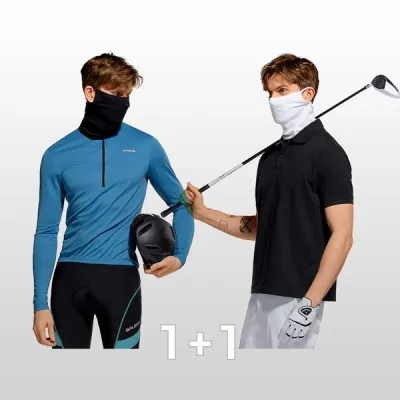
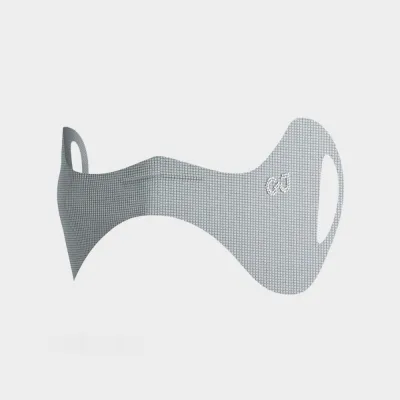
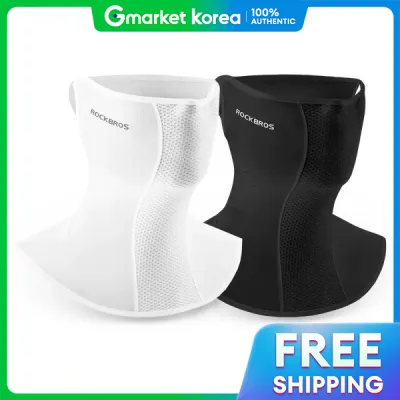
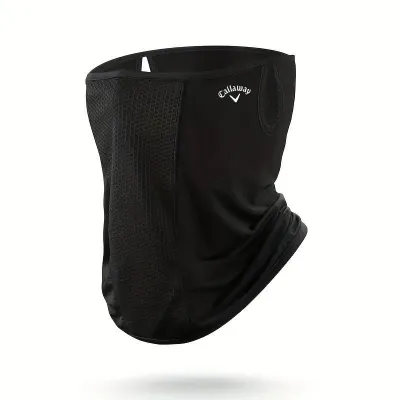
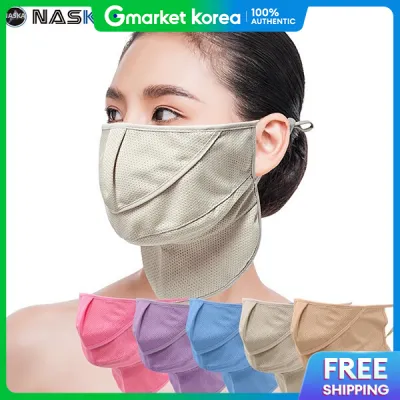

Prices are valid at publication and may change. Please refer to the product page for the latest price.
Essential Specs for Breathable, Sun-Protective Golf Masks
When shopping for a high-performance golf mask, looking at the product description is not enough. You must evaluate specific technical specifications, fabric compositions, and design elements to ensure the mask can withstand Singapore’s intense heat.

- Fabric Technology: Look for lightweight, synthetic blends rather than natural fibers. The optimal material composition typically consists of polyester-spandex or nylon-spandex blends (such as 85% polyester and 15% spandex). These synthetic fibers are engineered with hydrophobic properties, meaning they do not absorb water. Instead, they utilize capillary action to pull sweat away from your skin to the outer surface of the fabric, where it can evaporate quickly. In contrast, natural fibers like cotton absorb moisture and hold onto it, leaving you with a heavy, wet, and suffocating mask after just a few holes.
- Sun Protection Ratings: Never rely on generic claims of "sun protection." Verify that the mask carries an official Ultraviolet Protection Factor (UPF) rating, with UPF 50+ being the gold standard for outdoor sports. A UPF 50+ rating means the fabric allows only 1/50th (or 2%) of UV radiation to penetrate. High-quality manufacturers achieve this rating through a combination of tight, flat-yarn weaving techniques and specialized UV-absorbing treatments embedded directly into the fibers, rather than chemical coatings that wash out after a few laundry cycles.
- Ventilation and Structure: Breathability is heavily influenced by the mask's physical construction. Look for masks that feature laser-cut perforations or specialized mesh panels directly over the mouth and nose. These micro-openings allow exhaled air to escape instantly, preventing heat buildup and reducing the fogging of your golf sunglasses. Additionally, prioritize a 3D contoured or structured design. This construction uses a reinforced central seam or a flexible internal support structure to create a physical air gap between the fabric and your lips. This prevents the wet fabric from clinging to your mouth or being sucked inward when you breathe deeply during a swing.
- Fit and Stability: A mask that shifts or slides down your face is a major distraction. Look for adjustable ear loops equipped with flat, soft silicone toggles that allow you to customize the tension without causing pressure points. A moldable nose bridge—typically a thin, flexible aluminum or plastic strip sewn into the upper hem—is crucial for securing the mask across your nose and preventing warm air from venting upward into your eyes. For neck-gaiter styles, look for an anti-slip silicone grip band along the top inner hem to keep the fabric securely positioned on your nose and cheekbones throughout your swing rotation.
Comparing Golf Mask Styles for Maximum Airflow
Golf masks come in several distinct styles, each offering a different balance of coverage, airflow, and convenience. Choosing the right style depends on your personal preference, your headwear, and your sensitivity to heat.
Neck Gaiters and Half-Face Balaclavas
Neck gaiters, also known as multi-functional tubes, provide the most comprehensive coverage available. They cover the lower face, ears, and the entire neck, draping down to sit comfortably beneath your polo collar. This seamless coverage eliminates any gaps where UV rays can reach your skin, making them highly effective for golfers who play on open, unshaded courses.
However, because they wrap completely around the neck, they carry a higher risk of heat trapping if the fabric is too heavy. To mitigate this in Singapore’s climate, look for neck gaiters specifically labeled as “cooling” or “summer weight.” These models often feature a flared bottom design that drapes loosely over your chest and shoulders rather than clinging tightly to your neck, allowing hot air to escape from the bottom of the gaiter.
Ear-Loop Performance Masks
Ear-loop masks are designed much like standard protective masks but are constructed from ultra-lightweight, single-layer athletic fabrics. They cover the nose, mouth, and jawline, securing behind the ears with elastic loops. This style is exceptionally lightweight and easy to pull down around your neck or slip into a pocket when you are driving the buggy or resting in the shade.
The primary trade-off with ear-loop masks is coverage; they leave your neck and ears completely exposed, meaning you must pair them with a wide-brimmed golf hat and high-SPF sunscreen. Additionally, the ear loops can sometimes create friction or interfere with the arms of your golf sunglasses and the straps of your visor or cap. To prevent discomfort, choose masks with flat, seamless ear loops made from high-stretch elastane.
Visor-Attached and Magnetic Masks
Visor-attached and magnetic masks represent a specialized design tailored specifically for golfers. Instead of securing around your ears or wrapping your neck, these masks attach directly to the sides or brim of your golf cap or visor using snaps, clips, or small magnets.
This design completely eliminates ear strain and pressure points. Because the mask is suspended from your hat, it hangs slightly away from your face, creating an excellent natural channel for lower-face airflow. This makes it one of the coolest options for humid weather. The main limitation is that these masks require compatible headwear, and in strong winds, the loose drape can flap slightly, which some players find distracting during their setup and swing.
In-Round Comfort and Post-Game Care in Humid Conditions
To get the most out of your golf mask and protect your skin in Singapore’s tropical climate, you must practice proper on-course hygiene and post-game maintenance.
- Skin Preparation: Wearing a mask in hot, humid conditions creates friction and traps sweat, which can lead to chafing and a form of acne known as "maskne." To prevent this, apply a lightweight, non-comedogenic, water-resistant sunscreen to your lower face at least 20 minutes before putting on your mask. This allows the sunscreen to form a protective barrier. For areas prone to friction—such as the bridge of your nose and the tops of your cheekbones—apply a thin layer of anti-friction balm or cosmetic-grade petroleum jelly to minimize chafing.
- On-Course Management: Never rely on a single mask for an entire 18-hole round. The high humidity means your mask will eventually become saturated with sweat, which reduces its breathability. Keep at least one spare, dry golf mask in your golf bag, stored in a clean, ventilated mesh pouch. A great practice is to swap your mask at "the turn" (after the 9th hole). Putting on a fresh, dry mask instantly improves comfort and focus for the back nine. After your round, never leave a damp, sweaty mask crumpled inside a closed golf bag, as the dark, humid environment will quickly promote the growth of odor-causing bacteria and mold.
- Washing and Drying: Sweat salts, body oils, and sunscreen residue will inevitably build up on your mask. If left unwashed, these substances clog the technical micro-pores of the fabric, severely degrading both its moisture-wicking capabilities and its UPF rating. Wash your mask after every round. Hand wash it in cold water using a mild, fragrance-free liquid detergent. Avoid fabric softeners and bleach, as softeners leave a waxy coating that blocks moisture-wicking pores, and bleach can break down the synthetic fibers. Gently squeeze out excess water without wringing or twisting the fabric aggressively, which can stretch out the elastane. Hang the mask to air-dry in a shaded, well-ventilated area, such as a service yard. Avoid drying it in direct, harsh tropical sunlight, as extreme UV rays can prematurely degrade the elastic loops and silicone grip elements over time.
Common Mistakes to Avoid When Choosing a Summer Golf Mask
Selecting the wrong mask can ruin your comfort and focus on the course. Keep these common pitfalls in mind when making your choice:
- Choosing thick, multi-layer cotton masks: Cotton is highly hydrophilic, meaning it absorbs and holds onto water. In Singapore's humidity, a cotton mask will quickly become heavy, wet, and cling to your face, making breathing difficult and causing skin irritation. Always stick to lightweight synthetics.
- Opting for dark colors without cooling tech: Dark colors naturally absorb more radiant heat from the sun. If you prefer dark colors like black or navy, ensure the fabric features specialized heat-reflective or cooling treatments. Otherwise, opt for white, light grey, or pastel shades that naturally reflect solar radiation.
- Buying rigid, non-adjustable fits: A mask that is too tight will pinch your ears and chafe your nose, while a mask that is too loose will constantly slip down during your swing. Always choose masks with adjustable ear loops or flexible nose bridges to ensure a secure, custom fit.
- Trusting unverified "UV protection" claims: Many generic masks claim to protect against the sun but lack a standardized UPF rating. Without a certified UPF 50+ label, the fabric weave may be too loose, allowing harmful UV rays to pass through and damage your skin despite wearing the mask.
Frequently Asked Questions (FAQ)
Do golf face masks restrict breathing during a full swing?
No, high-quality golf masks are specifically engineered to maintain unrestricted airflow during athletic movements. By choosing a mask with a 3D structured design or a built-in support frame, the fabric is kept away from your mouth and nose. This prevents the material from being sucked inward when you inhale deeply during your swing setup or rotation, ensuring you can breathe comfortably even when the fabric is damp with sweat.
Should I wear sunscreen under a UPF-rated golf mask?
Yes, you should always apply sunscreen under your mask. While a UPF 50+ mask blocks 98% of UV rays, physical movement, sweat, and wind can cause the mask to shift slightly during a swing, exposing patches of skin along your jawline, nose, or ears. Applying a lightweight, non-greasy, non-comedogenic sunscreen underneath ensures continuous, seamless protection against Singapore’s intense UV radiation without clogging your pores.
How do I wash my golf mask without ruining its moisture-wicking finish?
To preserve the technical properties of your mask, hand wash it in cold water using a mild, liquid detergent. Never use fabric softeners, as they deposit a silicone-based film over the fibers that clogs the moisture-wicking pores and reduces breathability. Avoid using a clothes dryer; instead, gently press out excess water and hang the mask to air-dry in a shaded, breezy outdoor area to protect its elasticity and UPF rating.
Community discussion
Share your experience or ask a question. Comments are reviewed before publication.