
For beginner golfers, finding the right golf umbrella is a critical step in protecting both yourself and your expensive equipment from unpredictable weather. The ideal beginner golf umbrella balances durable, wind-resistant construction with an affordable price point, ensuring you do not overspend while learning the game.
Mainstream golf equipment brands like Callaway and TaylorMade offer excellent brand synergy and reliable baseline performance, making them popular choices for players who want their gear to match. If you frequently play in highly exposed, windy environments, specialized weather brands like GustBuster and Procella provide superior structural engineering that prevents inversion and offers exceptional long-term value. For absolute beginners on a strict budget, sporting goods retailers like Decathlon, through their Inesis line, deliver highly functional weather protection at a very accessible price point.
Understanding the core technical features of these umbrellas will help you make an informed decision that matches your local playing conditions, keeping you dry and focused on your swing.
Products mentioned in this guide
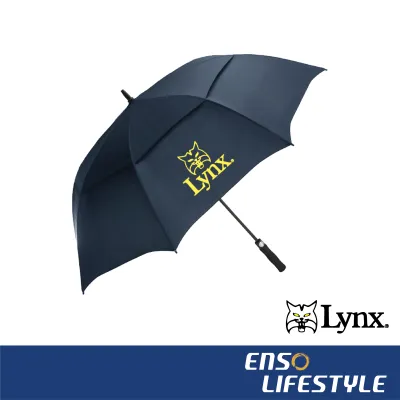
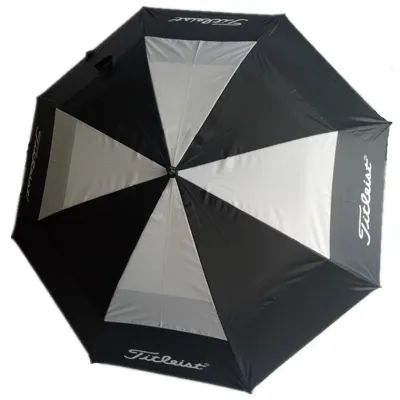
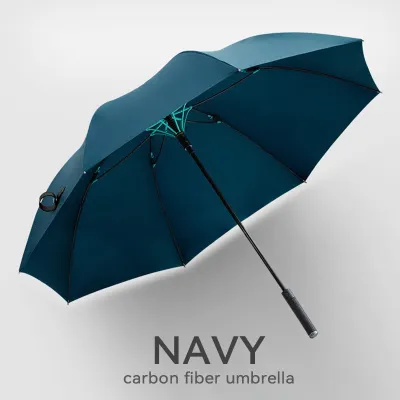
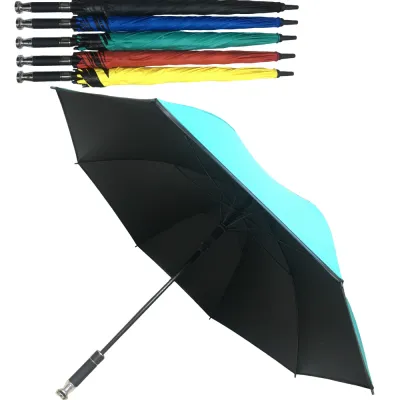
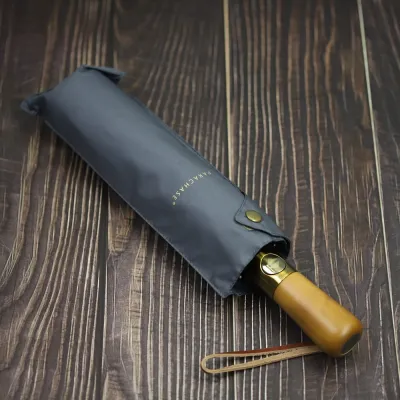
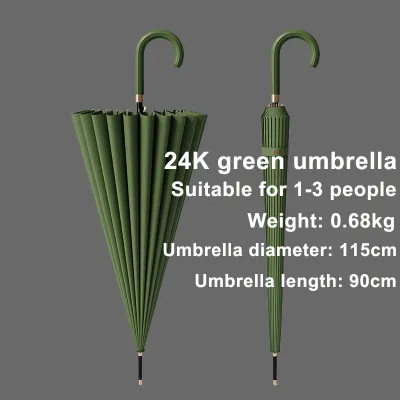
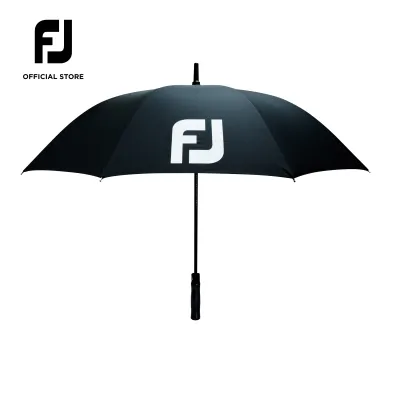
Prices are valid at publication and may change. Please refer to the product page for the latest price.
Essential Features to Look for in a Beginner Golf Umbrella
When transitioning from a standard rain umbrella to a dedicated golf umbrella, the most immediate difference is size. Golf umbrellas typically feature a canopy size range of 60 to 68 inches (approximately 152 to 173 centimeters) in diameter. This expansive coverage is not a luxury; it is a functional necessity designed to shield both the golfer and the golf bag, including the exposed club heads, from driving rain. A standard street umbrella is simply too small, leaving your gear vulnerable to water damage and rust.
Wind resistance is another critical factor that separates high-quality golf umbrellas from cheaper alternatives. Open golf courses act as wind tunnels, and a basic umbrella will easily invert or snap under sudden gusts. To combat this, look for a double-canopy, or vented, design. This construction features an overlapping fabric flap that allows high-velocity wind to pass through the canopy, equalizing pressure and preventing the umbrella from turning inside out.
Complementing the vented design is the frame material. High-quality golf umbrellas utilize flexible fiberglass ribs and shafts rather than rigid metal. Fiberglass possesses natural elasticity, allowing the frame to bend and absorb wind energy without permanently warping or snapping. Under extreme pressure, a fiberglass frame will simply flex and return to its original shape, ensuring long-term durability on the course.
Handle ergonomics are equally important for comfort during a four-hour round. Because you will be holding the umbrella for extended periods or slotting it into a pushcart holder, the handle must feature a non-slip, comfortable grip. Materials like textured rubber or high-density EVA foam prevent the handle from slipping out of wet hands or gloves. Additionally, ensure the handle has a straight, cylindrical profile, which fits securely into standard cart umbrella adapters.
Finally, versatile weather coverage requires advanced fabric technology. Look for canopies made from high-density pongee or polyester fabric treated with a water-repellent coating, such as Teflon, which allows water to bead up and shake off easily. For rounds played under intense sun, a canopy with a certified UV-protective lining (UPF 50+) is invaluable. This lining acts as a personal shade barrier, blocking harmful ultraviolet rays and noticeably lowering the temperature beneath the umbrella.
Top Golf Umbrella Brands for Quality and Value
Selecting the right brand depends on how often you plan to play, your local weather patterns, and your budget. Golf umbrellas generally fall into three main brand categories, each offering distinct advantages and trade-offs for beginners.

Mainstream Golf Equipment Brands
Mainstream golf manufacturers like Titleist, Callaway, and TaylorMade are highly popular among beginners who want to establish a cohesive look with their clubs and golf bags. These brands produce mid-range umbrellas that offer a reliable baseline of quality, featuring standard double-canopy designs, lightweight fiberglass shafts, and ergonomic handles tailored to fit their respective cart systems.
Choosing a mainstream brand offers peace of mind, as these products are designed specifically for the golf environment and are widely available at pro shops and golf retailers. They typically feature clean, sporty aesthetics with prominent brand logos, helping you feel like a part of the golfing community from day one.
However, these options often carry a price premium due to brand licensing and marketing. While highly reliable for average playing conditions, they may not incorporate the highly specialized, heavy-duty wind-proofing technologies found in dedicated weather brands. They represent a solid, dependable choice for beginners who value brand alignment and standard course functionality.
Specialized Weather and Umbrella Brands
For golfers who prioritize ultimate durability and play in regions prone to severe weather, specialized weather brands like GustBuster, Blunt, and Procella offer exceptional value. These manufacturers focus entirely on aerodynamic engineering and structural integrity, resulting in umbrellas designed to withstand extreme wind speeds.
GustBuster umbrellas, for example, utilize a patented teardrop venting system and elastic shock cords that allow the canopy to open and release wind pressure dynamically. Blunt umbrellas feature a unique, rounded-edge design with a radial tensioning system that eliminates sharp points and distributes wind load evenly across the canopy edge. Procella focuses on high-strength fiberglass frames combined with premium water-repellent fabrics at a highly competitive price.
While these specialized brands may require a slightly higher upfront investment, ranging from S$50 to S$130, they offer superior long-term value. A single, highly engineered windproof umbrella can last for years, saving you the cost of replacing cheaper models that fail after a few stormy rounds. The primary trade-offs are a slightly heavier weight due to reinforced frames and a more utilitarian, less traditional golf aesthetic.
Budget-Friendly Sporting Goods Brands
If you are an absolute beginner testing your commitment to the sport, or if you only play occasional rounds in mild weather, budget-friendly sporting goods brands offer an excellent entry point. Inesis, the dedicated golf brand by Decathlon, is a prime example of a manufacturer providing maximum value without compromising basic functionality.
These budget-friendly umbrellas typically retail for a fraction of the cost of mainstream golf brands, often between S$20 and S$40. Despite the low price, they frequently feature functional double-canopy designs and basic fiberglass frames that offer decent wind resistance and reliable rain protection. This low barrier to entry allows you to allocate more of your budget toward lessons, green fees, or clubs.
To achieve these low price points, manufacturers must make minor compromises. You will generally find simpler handle materials, such as basic hard foam or plastic, which may wear down faster over time. Additionally, these umbrellas may not feature advanced UV-blocking coatings or the extreme wind ratings of specialized models. However, for weekend players and casual rounds, they provide highly practical and cost-effective protection.
How to Match Umbrella Features to Your Local Course Conditions
To get the most value out of your purchase, you should match the umbrella’s specifications to the typical weather patterns of the courses you play. Different environments place unique stresses on weather gear, and choosing the right tool for the job prevents premature wear.
In tropical or highly humid climates, such as Singapore, golfers face a combination of sudden, heavy downpours and intense equatorial sun. In these conditions, rust and mold are major concerns. You should prioritize umbrellas with 100% fiberglass or composite frames, completely avoiding metal components that can corrode in humid air. Look for fast-drying, high-density pongee fabrics and a silver UV-reflective inner coating (UPF 50+) to shield yourself from heat exhaustion during midday rounds.
Conversely, if you play on coastal or highly exposed, windy courses, aerodynamic stability is your primary concern. Huge, oversized canopies can act like sails, making it difficult to hold the umbrella steady and causing hand fatigue. For windy environments, prioritize a slightly smaller, highly aerodynamic 60- to 62-inch double-canopy design with reinforced rib joints. The focus should be on wind-tunnel-tested frames that can flex without losing their shape.
To help you visualize these choices, the following table maps typical course environments to their key challenges, critical features, and recommended brand categories:
| Course Environment | Key Weather Challenges | Critical Umbrella Features | Recommended Brand Categories |
|---|---|---|---|
| Heavy Rain & Tropical | High humidity, sudden torrents, intense UV rays | Rust-free fiberglass frame, UPF 50+ silver coating, quick-dry fabric | Budget-Friendly (Inesis) or Mainstream (Callaway, TaylorMade) |
| Coastal & High Wind | Strong, sustained gusts, open terrain, driving rain | Vented double canopy, reinforced rib joints, aerodynamic shape | Specialized Weather (GustBuster, Blunt, Procella) |
| Mild & Variable | Occasional light showers, moderate sun, mild breezes | Standard double canopy, lightweight construction, comfortable foam grip | Mainstream (Titleist) or Budget-Friendly (Inesis) |
Care and Maintenance to Extend Your Umbrella's Lifespan
Proper care and maintenance can significantly extend the lifespan of your golf umbrella, protecting your investment and ensuring it performs reliably when a storm hits. Simple, low-risk habits prevent structural damage and fabric degradation.
When deploying your umbrella in windy conditions, always point the canopy directly into the wind before opening it. This allows the air pressure to assist in opening the frame naturally. If you attempt to open the umbrella with the wind blowing from behind or from the side, the wind can catch the inside of the canopy, putting immense pressure on the hinges and potentially bending the ribs backward before they can lock into place.
After a wet round, never slide a damp umbrella directly into your golf bag’s storage sleeve or trunk and leave it there. Trapping moisture in a folded umbrella creates an ideal breeding ground for mildew, which rots the fabric seams and degrades water-repellent coatings. Additionally, any small metal springs or rivets in the runner mechanism can rust. Always open the umbrella fully in a well-ventilated, shaded indoor area and allow it to air-dry completely before folding and storing it.
Before heading out for a round, perform a quick pre-round inspection to ensure your gear is ready for the elements. Use this simple checklist:
- Canopy Seams: Check for any stretching, loose threads, or pinpoint light leaks along the seams.
- Rib Joints: Inspect the fiberglass ribs for hairline cracks, splinters, or loose connection pins.
- Runner and Notch: Slide the runner up and down to ensure it moves smoothly and locks securely into the top notch.
- Handle Integrity: Wiggle the handle gently to ensure it is firmly bonded to the shaft and does not slip.
If you notice splintered fiberglass or a cracked shaft during your inspection, do not attempt to use the umbrella in high winds, as the frame could fail completely and cause injury. In such cases, it is safest to replace the umbrella to ensure reliable protection on the course.
Frequently Asked Questions (FAQ)
Can I use a standard rain umbrella on the golf course?
Using a standard rain umbrella on the golf course is highly discouraged. Standard umbrellas typically have a canopy diameter under 50 inches, which is insufficient to cover both you and your golf bag, leaving your clubs exposed to water damage. Furthermore, standard street umbrellas utilize fragile metal frames that easily buckle or invert under open-course winds. Their curved handles are also incompatible with golf cart and trolley umbrella holders, requiring you to hold the umbrella constantly rather than mounting it securely.
What is the best canopy size for a single golfer?
For an individual golfer, a canopy size between 60 and 64 inches offers the ideal balance of coverage and manageability. This size provides ample protection for your body, your stance, and your golf bag without becoming overly heavy or difficult to control in high winds. While larger 68-inch models offer maximum coverage, they act like large sails in windy conditions, catching more wind resistance and causing significant arm fatigue when carried over an 18-hole round.
Do I need a UV-protected umbrella for sunny days?
Yes, a UV-protected umbrella is highly beneficial for golf, especially during long rounds played in direct sunlight. Umbrellas featuring a certified UPF 50+ silver or black inner lining block up to 98% of harmful ultraviolet radiation, protecting your skin and reducing glare. This protective barrier also creates a cooling effect, lowering the felt temperature beneath the canopy by several degrees. Standard dark-colored canopies without a specialized UV lining can absorb and radiate heat downward, making you feel warmer.
Community discussion
Share your experience or ask a question. Comments are reviewed before publication.