
For jump rope workouts in Singapore’s hot and humid climate, the best gym gloves are lightweight, highly breathable, and feature minimal palm padding (1–2mm) to ensure a secure grip and direct tactile feedback. Heavy weightlifting gloves trap sweat and reduce handle control, whereas minimalist hand protection—such as lightweight half-finger fitness gloves, gymnastics palm protectors, or silicone-dotted compression sleeves—prevents blisters while keeping your hands cool.
Why Standard Weightlifting Gloves Are Not Ideal for Jump Rope
Weightlifting gloves are engineered for static, high-pressure loads. They feature thick, dense leather and heavy gel padding designed to cushion your palms against heavy barbells and dumbbells. While this is beneficial for bench presses and deadlifts, it is highly counterproductive for jump rope training. Skipping requires rapid, continuous, and subtle wrist rotations where the skipping rope handle must rotate freely within a relaxed grip. Thick padding dampens this crucial tactile feedback, forcing you to squeeze the handle tighter than necessary. This over-gripping quickly leads to forearm fatigue and reduces your overall coordination.
Furthermore, thick padding interferes with high-speed, technical movements such as double unders or cross-overs. To execute these movements consistently, you need to feel the exact position and rotational speed of the rope through the handle. Heavy padding creates a physical barrier that delays this feedback, increasing the likelihood of mistimed jumps and painful rope strikes on your shins.
Products mentioned in this guide
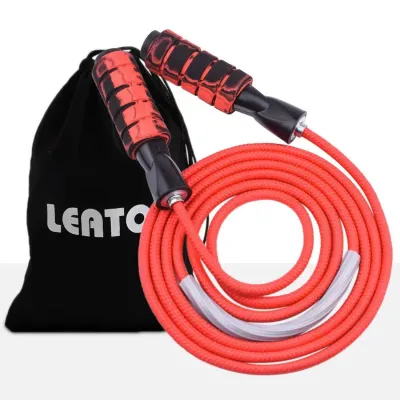
![🇸🇬 [READY STOCK] Speed Skipping Rope PVC Fitness Weight Loss Portable Jump Unisex Children Adult Fitness Crossfit Boxing Jumping Rope](https://img.lazcdn.com/g/p/02cf9944198f7f859b56bd41a5e472c2.jpg_400x400q80.jpg_.webp)

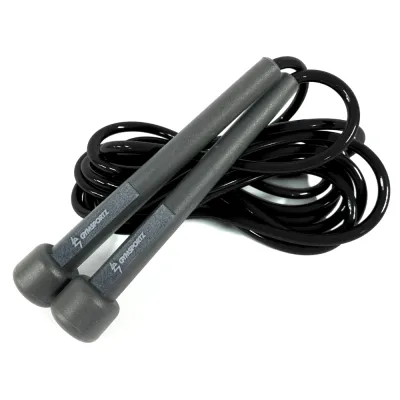
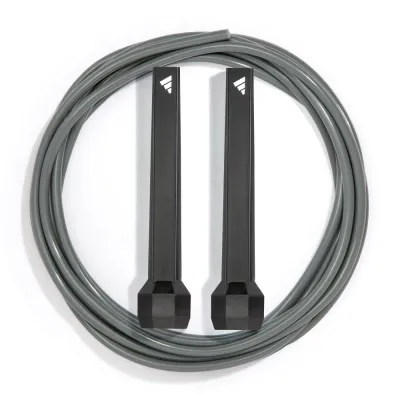

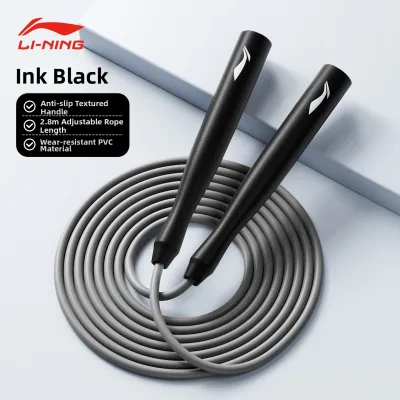

Prices are valid at publication and may change. Please refer to the product page for the latest price.
In Singapore’s tropical climate, the physical design of standard weightlifting gloves presents another major drawback. Thick leather or neoprene materials trap heat and sweat almost instantly during high-intensity skipping sessions. This trapped moisture cannot escape, causing your hands to slide around inside the gloves. This internal slipping makes it difficult to maintain a stable grip on the handles, turning what should be a smooth workout into an uncomfortable and frustrating experience.
Essential Features to Look for in Jump Rope Hand Protection
Material and Grip When selecting hand protection for jump rope workouts, prioritize thin, high-friction materials. Synthetic leather (such as Amara or polyurethane-based microfibers) is highly recommended because it is thinner than natural leather and does not stiffen or crack after repeatedly drying from sweat. Look for palm surfaces enhanced with silicone-printed patterns or textured overlays. These designs provide targeted grip exactly where the skipping rope handle rests, ensuring the handle does not slip even when your hands become sweaty.

Cushioning vs. Tactile Feedback The primary purpose of jump rope hand protection is to prevent friction blisters at the base of the fingers, not to absorb heavy impacts. Therefore, seek out products with micro-padding restricted to a thickness of 1 to 2 millimeters. This minimal layer provides a sufficient barrier against the repetitive rubbing of the handle while preserving your hand’s natural connection to the rope. Avoid any gloves with thick gel inserts or multi-layered foam, as they make the handle feel unnaturally thick and bulky.
Breathability To combat Singapore’s high humidity, excellent ventilation is non-negotiable. Look for gloves featuring open mesh backings, perforated palms, or moisture-wicking fabrics like nylon-spandex blends. Open-back designs or fingerless styles allow continuous airflow across the skin, which accelerates sweat evaporation. This keeps your hands dry, prevents the glove material from becoming waterlogged and heavy, and minimizes the risk of sweat dripping down onto the rope handles.
Seam Placement Because jump rope involves thousands of repetitive hand and wrist movements per session, even minor interior imperfections can cause severe irritation. Carefully inspect the interior construction of any hand protection. Ensure that the seams do not run directly across major friction zones, such as the webs between your fingers or the upper palm area. Flatlock stitching or seamless palm overlays are ideal because they lie flat against the skin, eliminating the risk of painful chafing during long skipping sessions.
Recommended Types of Hand Protection for Jump Rope
Lightweight Half-Finger Fitness Gloves
Lightweight half-finger fitness gloves are an excellent starting point for general skipping workouts. These gloves cover the entire palm, the base of the fingers, and the lower thumb, providing comprehensive coverage against friction and occasional rope strikes. To ensure they are suitable for jump rope, select models that feature ultra-thin synthetic palm materials, flexible finger gussets that allow your hands to close naturally, and a fully ventilated mesh back.
- Best Suited For: Beginners who are still developing hand endurance, fitness enthusiasts incorporating moderate skipping into HIIT circuits, and individuals using lighter PVC or beaded ropes.
- Limitations: These gloves can still feel somewhat restrictive during high-speed speed rope sessions. The full-hand coverage naturally retains more heat than more minimalist options, and the integrated wrist straps can sometimes restrict wrist mobility if they are too wide or stiff.
Gymnastics Palm Protectors (Grips)
Originally designed for cross-training and gymnastics, palm protectors (or grips) have become highly popular among advanced skipping enthusiasts. These accessories consist of a single strip of durable material—such as carbon fiber, synthetic suede, or thin leather—that wraps around the wrist and loops over two or three fingers. This design covers only the palm and the base of the fingers, leaving the back of the hand completely exposed to the air for maximum cooling.
- Best Suited For: High-volume skipping sessions, CrossFit athletes transitioning rapidly between skipping and pull-ups, and anyone using heavily textured or knurled metal handles that easily tear bare skin.
- Limitations: Gymnastics grips require a brief break-in period to soften and conform to the shape of your palm. Additionally, because they leave the fingers and the back of the hand bare, they offer no protection if a fast-moving cable accidentally strikes your fingertips.
Silicone-Dotted Compression Hand Sleeves
For jumpers who prefer a bare-hand feel but still require a reliable grip barrier, compression hand sleeves are an ideal minimalist option. These sleeves slide over the hand like a fingerless compression glove, covering the palm and fingers while keeping the fingertips free. Made from thin, highly breathable elastic fabrics, they feature hundreds of tiny silicone dots printed across the palm side to provide friction.
- Best Suited For: Speed rope specialists, endurance jumpers, and those who want light abrasion protection without any added bulk or weight.
- Limitations: These sleeves offer virtually zero cushioning. If you are training with heavy, weighted skipping ropes (such as half-pound or one-pound training ropes), compression sleeves will not protect your palms from the intense pressure of the heavy handles. They are best reserved for light, high-speed cables.
Sizing, Fit, and Pre-Purchase Checks
To ensure your hand protection performs effectively and does not cause the very blisters you are trying to avoid, achieving a precise fit is essential. Start by measuring the circumference of your dominant hand just below the knuckles (excluding the thumb) using a flexible measuring tape. Compare this measurement to the manufacturer’s specific sizing chart. If your measurement falls between two sizes, it is generally best to opt for the smaller size. Synthetic materials and elastics tend to stretch slightly with use, and a snug fit prevents the material from sliding around during fast movements.
Once you have the hand protection, perform a quick diagnostic check before removing any packaging tags. Simulate holding your skipping rope handle by gripping a cylindrical object of similar thickness, such as a marker or a broom handle. Squeeze the object firmly and observe the palm area of the glove or grip. If the material bunches up significantly in the crease of your hand, the glove is too large. This excess material will rub against your skin during rapid skipping rotations, quickly leading to friction blisters.
Additionally, evaluate the wrist closure mechanism. For skipping, you want a low-profile, minimal wrist strap. Avoid thick, heavy velcro straps designed for wrist support during heavy lifting, as they restrict the fluid wrist snap required for efficient rope rotation. Look for thin, adjustable velcro straps or elastic slip-on cuffs that sit flush against your skin. This design ensures the closure will not scratch your wrists or catch on your clothing during fast arm movements.
Finally, because proper fit is highly individual, always verify the return and exchange policies of your online sports retailer before purchasing. Ensure they allow exchanges for different sizes, provided the product has only been tried on for fit and not used in a sweaty workout.
Cleaning and Maintenance in Humid Climates
Singapore’s high humidity and warm temperatures create an ideal environment for bacteria, mold, and unpleasant odors to develop on damp workout gear. To maintain hygiene and protect your skin from infections, rinse your hand protection under cold running water after every highly active session to wash away surface sweat. For a thorough clean, gently hand-wash them using a mild, pH-neutral detergent after every two to three workouts. Avoid using harsh chemical bleach or fabric softeners, as these can degrade synthetic fibers and ruin the slip-resistant properties of silicone prints.
Proper drying is vital to preserving the structural integrity of your gear. After washing, gently squeeze out excess water without twisting or wringing the material, which can warp the shape of the gloves. Air dry them in a shaded, well-ventilated indoor area or a balcony away from direct sunlight. Never expose them to direct tropical sunlight or place them in a tumble dryer; extreme heat will warp synthetic leather, melt silicone grip patterns, and destroy the elasticity of the wristbands.
Even high-quality hand protection has a limited lifespan under daily training conditions. Inspect your gear regularly for signs of wear. It is time to replace your gloves or grips when you notice the silicone pattern peeling off, the elastic cuffs losing their tension and sliding down your wrist, or the palm material hardening into a stiff, rough texture that no longer absorbs friction comfortably. Replacing worn gear ensures you maintain optimal grip and protection during your workouts.
Frequently Asked Questions (FAQ)
Do I really need gloves for jump rope?
No, gloves are not strictly mandatory for everyone. If you skip for short durations (under 10 to 15 minutes) using a light speed rope with smooth plastic handles, your bare hands are perfectly fine and will naturally develop protective calluses over time. However, if you engage in high-volume training, perform complex tricks like double unders, or use heavy weighted ropes, wearing hand protection is highly recommended to prevent painful skin tears and blisters that could disrupt your training consistency.
Can I use cycling or golf gloves for jump rope?
While it is tempting to repurpose other athletic gloves, they are generally not suited for skipping. Cycling gloves typically feature thick gel padding on the palms designed to absorb road vibrations from handlebars; this thick padding severely dampens the tactile feedback needed to control a skipping rope. Golf gloves offer excellent thinness and tactile feedback, but they are made from delicate cabretta leather designed for a static grip on a golf club and will wear out, tear, or stretch out very quickly under the friction of textured skipping rope handles.
How do I stop my hands from sweating inside the gloves?
To manage excessive hand sweat in Singapore’s humid climate, consider switching from full gloves to minimalist gymnastics palm protectors, which leave the back of the hand fully exposed to air currents. You can also apply a small amount of liquid chalk or an athlete-specific antiperspirant lotion to your palms before putting on your hand protection. Additionally, keeping a small microfiber towel in your gym bag allows you to wipe down your hands and your skipping rope handles between training sets, maintaining a secure grip throughout your workout.
Community discussion
Share your experience or ask a question. Comments are reviewed before publication.