
Selecting the right gym straps in Singapore depends on your specific training goals, the exercises you prioritize, and how you manage grip fatigue during heavy pulling movements. In Singapore’s warm and humid training environments, choosing the correct strap material and design is essential for maintaining a secure grip and ensuring safety under heavy loads. For heavy, static lifts like deadlifts, Figure-8 straps offer unmatched security by physically locking your wrists to the barbell. For versatile dumbbell work, barbell rows, and general hypertrophy training, adjustable Lasso straps provide the best balance of flexibility and ease of use. For fast-paced machine pulls, pull-ups, and rapid drop sets, speed hooks or premium palm-style grips allow for near-instant engagement and release.
Using gym straps effectively prevents your grip strength from becoming the limiting factor during back and hamstring workouts. When your hands can no longer hold the weight but your target muscles still have capacity, straps allow you to complete your sets safely. Understanding the mechanical differences between these designs ensures you select the correct tool for your specific lifting routine while preserving your long-term joint health.
Quick Picks: Top Gym Straps by Lifting Exercise
To help you quickly identify the most effective style for your workouts, the table below maps the primary pulling exercises to their optimal strap designs and reputable brand examples available in Singapore. These recommendations balance security, ease of use, and durability under regular training conditions.
Products mentioned in this guide
![🇸🇬 [READY STOCK] Lifting Straps Deadlift Weightlifting Gymnastic Figure 8](https://img.lazcdn.com/g/p/92a83d095a4959c76dc68ef6d65dcf21.jpg_400x400q80.jpg_.webp)
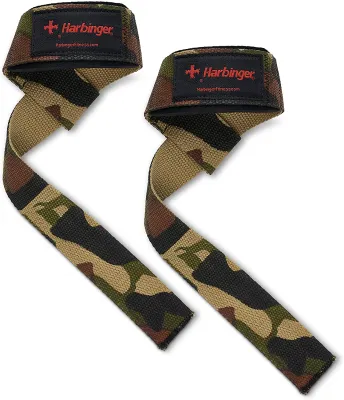
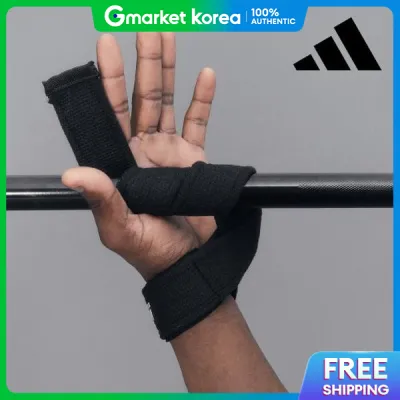
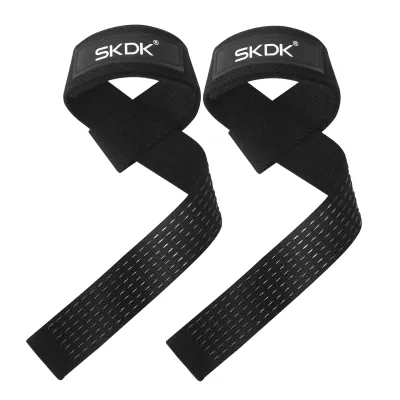
Prices are valid at publication and may change. Please refer to the product page for the latest price.
| Exercise Type | Recommended Strap Design | Primary Benefit | Representative Brands | Price Tier (SGD) |
|---|---|---|---|---|
| Heavy Deadlifts & Shrugs | Figure-8 Straps | Maximum security; zero-slip connection; no tail to wrap | SBD, Rogue | Premium (S$40 – S$70) |
| Barbell Rows & General Lifting | Lasso Straps | Highly adjustable; versatile across various bar diameters | Harbinger, Gymreapers | Budget-Friendly (S$15 – S$35) |
| Pull-Ups & Machine Pulls | Speed Hooks / Palm Grips | Rapid transition; instant release; excellent for high-rep work | Versa Gripps, Harbinger | Premium to Mid-Tier (S$30 – S$90) |
Please note that the price tiers indicated above are general estimates reflecting typical retail pricing at authorized local fitness distributors and official online brand stores in Singapore. Actual retail prices may vary based on shipping, local stock availability, and specific material configurations. Before purchasing, verify current pricing and sizing guides directly with the authorized seller.
How to Choose the Right Strap Type for Your Routine
Selecting the correct gym straps requires an understanding of how different designs interact with the barbell and your wrists. The three primary categories of lifting straps offer distinct trade-offs in terms of security, setup speed, and safety.

Lasso Straps
Lasso straps are the most common and versatile option available. Consisting of a single strip of heavy-duty cotton, nylon, or leather with a loop at one end, you thread the strap through itself to create a loop around your wrist. The remaining tail is then wrapped tightly around the barbell in the opposite direction of your grip. Lasso straps are highly adjustable, making them suitable for virtually any wrist size and bar diameter. However, wrapping the second hand can take practice, and they do not release instantly if you need to drop the weight in an emergency.
Figure-8 Straps
Figure-8 straps are designed specifically for heavy, static pulling movements. Shaped like a double loop, you put your wrist through one loop, pass the strap underneath the barbell, and then thread your wrist through the second loop. This design completely locks your wrist to the bar without requiring any manual wrapping of a tail. Because there is no loose material to slip, Figure-8 straps provide the most secure connection possible. The primary drawback is that you are physically bound to the bar, making it difficult to release the weight quickly if you lose your balance or experience a sudden muscle strain.
Speed Hooks and Palm Grips
Speed hooks and palm-style grips feature a wide wrist wrap attached to a structured rubber, leather, or metal hook that rests in the palm of your hand. Instead of wrapping a long tail around the bar, you simply fold the flap over the bar and secure it with your fingers. This design allows for incredibly fast setups and instant releases, making it ideal for high-volume hypertrophy training, supersets, and machine-based exercises. However, they generally provide less absolute security for maximal, heavy deadlifts compared to heavy-duty Figure-8 or Lasso straps.
Balancing Grip Assistance and Foundational Strength
While gym straps are invaluable for overcoming grip limitations, they should not replace dedicated grip and forearm training. Relying on straps for every exercise can lead to a significant strength discrepancy between your forearms and your larger muscle groups. A safe training principle is to perform your warm-up sets and lighter working sets with your bare hands, engaging straps only on your heaviest top sets or when grip fatigue actively prevents you from stimulating the target muscles. Additionally, always check the manufacturer’s specified material thickness and stitching quality rather than relying solely on brand names for durability claims.
Detailed Recommendations for Specific Pulling Movements
Different pulling exercises place unique demands on your hands and wrists. Matching the mechanics of your chosen strap to the movement pattern of the exercise ensures optimal safety, comfort, and muscle recruitment.
Best for Heavy Deadlifts and Shrugs
For heavy deadlifts, rack pulls, and heavy shrugs, maximizing grip security is the primary objective. When pulling maximal or near-maximal loads, any slight slippage of the bar can disrupt your spinal alignment or cause you to cut the set short. For these demanding movements, Figure-8 straps and heavy-duty Lasso straps are the most reliable choices.
Brands like SBD and Rogue produce heavy-duty straps designed specifically to withstand extreme tensile force. SBD’s Figure-8 straps are constructed from high-strength webbing that resists stretching under load, ensuring that the distance between your wrists and the bar remains constant throughout the lift. Because Figure-8 straps do not have a loose tail that can unravel mid-set, they eliminate the risk of the bar rolling out of your hands during heavy singles or high-volume shrug sets.
Before using any strap for heavy lifting, verify the manufacturer’s stated weight capacity and inspect the stitching for any signs of fraying. A major limitation of Figure-8 straps is their lack of a quick-release mechanism. Because your wrists are looped securely on both sides of the bar, you cannot easily drop the barbell in an emergency. Consequently, Figure-8 straps should never be used for dynamic Olympic lifts, such as cleans, snatches, or jerks, where the ability to safely bail out of a failed lift is mandatory for injury prevention.
Best for Barbell Rows and Hypertrophy Work
Barbell rows, dumbbell rows, and Romanian deadlifts require moderate to heavy loads performed over higher repetition ranges. These exercises demand a strap that offers both security and wrist comfort, as the continuous tension of high-rep sets can cause the strap material to dig painfully into your skin.
Standard Lasso straps from brands like Harbinger and Gymreapers are highly effective for these movements. Many of these options feature integrated neoprene padding along the wrist loop, which cushions the wrist joint and distributes pressure more evenly. This padding is particularly beneficial during heavy dumbbell rows, where the weight hangs directly from the wrist throughout the entire range of motion.
When choosing a Lasso strap for row variations, pay close attention to the strap length. Standard straps typically range from 20 to 24 inches. Ensure the strap is long enough to wrap securely around the bar at least once or twice, especially if you train in facilities that utilize thicker specialty bars, axle bars, or fat-grip attachments. The adjustability of the Lasso design allows you to quickly alter the tightness and positioning of the strap when transitioning between different bar diameters or grip widths.
Best for Pull-Ups and High-Rep Machine Pulls
Exercises like pull-ups, lat pulldowns, seated cable rows, and high-rep machine pulls prioritize isolation of the latissimus dorsi and upper back. In these scenarios, traditional Lasso straps can be cumbersome, as wrapping and unwrapping the tails between rapid sets or during drop sets can disrupt your training momentum.
Speed hooks and palm-style grips, such as those manufactured by Versa Gripps or Harbinger’s hook variants, are ideal for these fast-paced movements. The textured rubber or leather flap of a palm grip fits naturally into the curve of your hand, allowing you to secure your hold on a pull-up bar or cable attachment with a simple turn of the wrist. This rapid engagement makes them highly efficient for high-intensity training styles where rest periods are strictly timed.
When using speed hooks or palm grips, it is important to verify that the hook or flap width matches the standard pull-up bars and cable D-handles found in typical Singapore fitness centers. Some heavy-duty metal hooks may be too narrow to fit securely over thick-diameter bars, which can cause the hook to sit unevenly and compromise your stability.
Additionally, Singapore’s tropical climate and high humidity mean that hands can become excessively sweaty during intense workouts. Rubberized and leather surfaces can lose their traction when wet. To prevent slipping, regularly wipe down both the grips and the exercise bar with a clean towel, or apply a light layer of gym chalk to your hands before securing the flaps if your gym’s policy permits it.
Buying and Care Checklist for Singapore Lifters
To ensure your gym straps remain safe, hygienic, and durable, consider the following checklist tailored to purchasing and maintaining gear in Singapore’s unique environment.
- Sizing and Fit: Accurate measurement of your wrist circumference is critical, particularly for Figure-8 straps and palm-style speed grips. Because Figure-8 straps cannot be adjusted for length, buying a size that is too large will leave the bar loose in your hands, while a size too small will pinch your wrists painfully against the steel. Always consult the brand's specific sizing chart before purchasing.
- Verifying Authenticity: To ensure your safety under heavy loads, always purchase your gym straps from authorized local fitness retailers, official brand flagship stores, or reputable local distributors in Singapore. Counterfeit products often utilize low-grade nylon and weak sewing threads that can snap unexpectedly under tension, posing a severe injury risk.
- Maintenance in Humid Weather: Singapore’s high relative humidity accelerates the growth of mold, mildew, and bacteria on damp gym gear. After a sweaty training session, never leave your straps crumpled inside a closed gym bag. Air-dry them completely in a well-ventilated indoor space or under indirect sunlight.
- Washing Guidelines: Follow the manufacturer’s specific washing instructions to preserve the structural integrity of the fibers. Most cotton and nylon straps can be hand-washed using mild soap and cold water, whereas leather or specialized rubberized grips should only be wiped down with a damp cloth. Never machine-wash or tumble-dry leather or rubberized straps, as excessive heat and agitation will cause the materials to crack, peel, or degrade prematurely.
Frequently Asked Questions (FAQ)
What is the difference between lifting straps and wrist wraps?
Lifting straps are designed to secure your grip to the barbell or dumbbell during pulling exercises, such as deadlifts, rows, and pull-ups. They transfer the weight of the bar directly to your wrists so that forearm fatigue does not limit your back or hamstring training. In contrast, wrist wraps are stiff, supportive bands wrapped tightly around the wrist joint to provide structural compression and stability during heavy pushing exercises, such as bench presses, overhead presses, and low-bar squats. Wrist wraps do not assist your grip, and lifting straps cannot support your wrist joint during pressing movements.
When should I start using gym straps?
You should begin using gym straps when your grip strength becomes the primary limiting factor in your training—meaning your target muscles still have strength left, but your hands can no longer hold the weight securely. To maintain balanced forearm development and joint health, perform your warm-up sets and lighter working sets without straps. Reserve your straps for your heaviest top sets, high-volume hypertrophy sets, or when managing a minor hand or finger injury under appropriate guidance.
Community discussion
Share your experience or ask a question. Comments are reviewed before publication.